A Sydney Harbour seaplane flight departs from Rose Bay and takes in Bondi Beach, the Harbour Bridge and the Opera House in just 15 to 30 minutes. October to April offers the most reliable weather, and the experience suits a two- to three-night Sydney stay. Boarding involves a short pontoon walk and a step into a compact aircraft, so mobility is moderate. Regional Victorian travellers typically fly via Melbourne, then taxi to Rose Bay.
Why a Seaplane, and Why Now
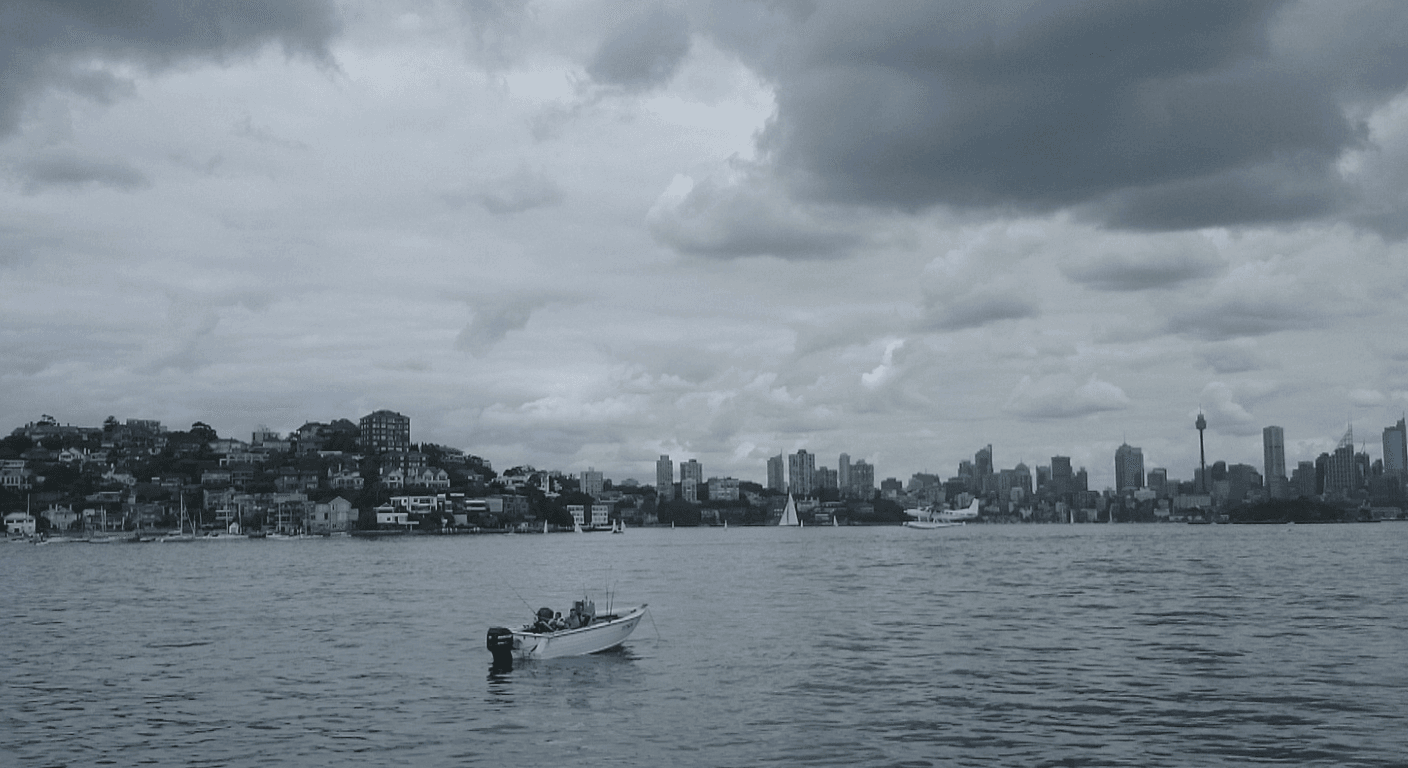
There's a particular pleasure in doing something that has no practical justification whatsoever. A Sydney Harbour seaplane flight is exactly that — not a transfer, not a commute, purely an experience. In 15 to 30 minutes you see more of Sydney's geography than most visitors absorb in a week on the ground. The Harbour unfolds below in a way no ferry or rooftop bar can replicate: Bondi's arc of sand, the Bridge's steel lattice, the Opera House's shells catching the light from above.
For a group of friends marking a significant birthday, a reunion, or simply the pleasure of each other's company without an agenda, it has a natural logic. You don't need to justify it. The city has earned its reputation as one of the world's great harbour settings, and this is, quite simply, the best seat available.
What the Flight Actually Covers
Departures operate from Rose Bay on the eastern harbour — a civilised suburb with good coffee and a calm, unhurried feel that suits the occasion. The pontoon sits at the water's edge, and from there the aircraft taxis out before lifting off across the harbour. Shorter flights (around 15 minutes) typically track over the Opera House and Harbour Bridge before swinging south toward Bondi. Longer circuits (up to 30 minutes) add more of the coastline — Coogee, Manly, Middle Harbour — giving a genuine sense of Sydney's scale.
The aircraft carry small passenger numbers, which means no middle seat, no scramble for a window, and a genuinely personal atmosphere. Pilots tend to be good communicators, pointing out landmarks and adjusting the route for visibility. On a clear October morning, the light on the water is extraordinary. On a hazy February afternoon, it's still very good.
Operators offer both scenic-only flights and flights that combine with a waterfront lunch at a destination like Cottage Point or Berowra Waters — a longer, more indulgent version of the day. These combination experiences add considerably to the cost, but they also turn a 30-minute flight into a full and memorable outing.
Getting to Rose Bay from Anywhere in Australia
For travellers based in regional Victoria — Ballarat, Bendigo, the Latrobe Valley — the most practical route is a V/Line service to Southern Cross Station in Melbourne, then a flight from Melbourne Airport (Tullamarine) to Sydney. Rex, Qantas and Virgin all fly the route; travel time is roughly 90 minutes in the air. From Sydney Airport, a taxi or rideshare to Rose Bay takes around 25 to 35 minutes depending on traffic, or you can take a bus (check Transport for NSW at transportnsw.info for current routes) and add some time.
Book your Sydney accommodation in the eastern suburbs if the budget allows — Double Bay, Edgecliff or even Bondi itself — to keep the logistics simple. Rose Bay is walkable from parts of Double Bay, though the pontoon itself is a short taxi hop from most accommodation. Allow a full morning for the experience rather than squeezing it between other commitments; weather delays are real and rushing undermines the whole point.
Boarding: What to Expect If Mobility Is a Consideration
The boarding process involves a short walk along a floating pontoon — the kind that moves with the water — and a step up into the aircraft. For travellers who are confident on their feet but prefer a steadying hand, this is entirely manageable. For anyone with balance concerns, recent knee surgery, or significant hip issues, it's worth a direct conversation with the operator when booking. Most operators have staff on the pontoon whose job is precisely this — helping passengers board safely — but it's better to discuss it in advance than to discover limitations on the day.
The aircraft cabins are compact. Legroom is reasonable for a short flight, but it's not a wide-body airliner. Tall travellers should flag this with the operator. Seatbelts are standard aviation-style lap belts. The noise level is higher than a commercial jet — operators typically provide headsets, and conversation happens through those. It sounds more complicated than it is; within minutes it feels entirely normal.
Carry only what you need. A small bag, a phone for photos, sunglasses. Leave the large handbag at the hotel. Operators will confirm any weight or size restrictions when you book, and they take these seriously for reasons of aircraft balance.
Honest Talk About Cost
This is not a budget outing, and there's no point pretending otherwise. Indicative fares for a scenic flight sit roughly in the $250 to $500-plus range per person, depending on the operator, the duration of the flight, and any inclusions. Fuel surcharges have been variable since 2022 and operators continue to adjust them — the price quoted on a website six months ago may not be the price today. Always confirm the total cost, including any surcharges, directly with the operator before committing.
For a group of four friends splitting the experience, the per-person cost becomes more comfortable, and the shared memory is the real return on investment. Some operators offer private charters of the full aircraft, which can work out similarly priced per head while giving the group the cabin to themselves — worth asking about.
Travel insurance is worth reviewing before you go. Check that your policy covers non-refundable bookings if a flight is cancelled due to weather, which is the most common reason for rescheduling. Most operators will offer a reschedule rather than a refund in weather-related cases — confirm the policy when booking.
Building a Day Around the Flight
Rose Bay rewards an unhurried morning. Arrive early enough to walk the foreshore, find a coffee at one of the cafes near the bay, and settle into the pace of the suburb before boarding. It's a very Sydney experience in itself — harbour light, well-dressed dog walkers, the occasional pelican making its own assessment of proceedings.
After the flight, Double Bay is a ten-minute taxi ride and offers good lunch options at a range of price points. Alternatively, the Watsons Bay Hotel, accessible by ferry from Circular Quay, is a classic post-flight destination — outdoor tables, fish and chips, and more harbour views at sea level to compare with what you've just seen from the air. Book ahead for weekend lunches.
If the group is staying in Sydney for several nights, consider pairing the seaplane day with a morning at the Art Gallery of NSW (artgallery.nsw.gov.au), which has expanded significantly with its new building, or an afternoon at the Royal Botanic Garden. Sydney doesn't need to be rushed, and for travellers who've made the journey from regional Victoria, a considered two or three days is far better value than a packed 24-hour dash.
Seasonal Timing and Weather Reality
October through April is the window most worth targeting. Spring and early summer bring clear skies and moderate temperatures; autumn days in March and April are often Sydney at its most agreeable — warm, settled, and less crowded than January. Avoid school holiday peaks in December–January if you prefer quieter streets and easier bookings.
Sydney winters (June to August) are mild by most standards, but harbour cloud and morning mist can ground or delay seaplane flights more frequently. If you're visiting in winter for other reasons, the flight is still worth attempting — just build in a contingency day in case of rescheduling. Operators are experienced at reading local conditions and will not fly in unsuitable weather. That's a reassurance, not a risk.
Quick planning guide
| Ideal pace | Unhurried half-day, built around a relaxed morning at Rose Bay |
|---|---|
| Best months | October to April for clearer skies and fewer delays |
| Suggested stay | Two to three nights in Sydney |
| Mobility level | Moderate — pontoon walk and a step up into a compact cabin; discuss assistance in advance if balance is a concern |
| Cost level | Premium, roughly $250–$500+ per person |
| Comfort level | Compact cabin with headsets for noise; short flight time keeps it manageable |
| Best for | Groups of friends marking an occasion or a scenic splurge without a practical agenda |
| Main planning consideration | Flights are weather-dependent and may be rescheduled, so build in flexibility and check travel insurance covers non-refundable bookings |
Key takeaways
- A Sydney Harbour seaplane flight from Rose Bay covers Bondi Beach, the Harbour Bridge and the Opera House in 15 to 30 minutes — the most efficient view Sydney offers.
- Indicative fares run roughly $250–$500+ per person depending on duration and operator; always confirm current fuel surcharges directly.
- Boarding requires a walk along a floating pontoon and a step into the aircraft — ask about assistance when booking if balance or mobility is a concern.
- October to April offers the most reliable flying conditions; July and August bring more cloud and potential delays.
- Flights are weather-dependent and may be rescheduled — build flexibility into your Sydney itinerary and check your travel insurance covers non-refundable bookings.
- For a group of friends, a private charter of the full aircraft can be comparable in per-head cost to individual bookings while giving the cabin to yourselves.
Recommended partners and links
Indicative prices only — always confirm with the operator before booking.
Frequently asked questions
How long does a Sydney Harbour seaplane flight last?
Scenic seaplane flights from Rose Bay typically run between 15 and 30 minutes, depending on the route and operator. Shorter flights cover the Opera House and Harbour Bridge; longer circuits add Bondi, Manly or Middle Harbour. Some operators offer extended experiences that combine the flight with a waterfront lunch, turning it into a half-day outing.
How much does a Sydney Harbour seaplane flight cost?
Indicative pricing sits roughly in the $250 to $500-plus range per person for a scenic flight, but this varies by operator, flight duration, and current fuel surcharges. Prices have been subject to adjustment since 2022, so always confirm the total cost, including any surcharges, directly with the operator before booking.
Is a Sydney seaplane flight suitable for travellers with mobility concerns?
It can be, depending on the nature of the concern. Boarding involves walking along a floating pontoon (which moves with the water) and stepping up into the aircraft. Pontoon staff are accustomed to assisting passengers. Anyone with balance issues, recent joint surgery, or significant mobility limitations should speak directly with the operator when booking to discuss what assistance is available.
What happens if the flight is cancelled due to weather?
Seaplane operators will not fly in unsuitable conditions, and weather-related rescheduling is the most common reason for a changed booking. Most operators offer a reschedule rather than a refund — confirm the specific policy when booking. Check that your travel insurance covers non-refundable bookings in case rescheduling doesn't suit your itinerary.
What is the best time of year to do a Sydney Harbour seaplane flight?
October through April offers the most reliable conditions — clearer skies, calmer water, and better visibility. March and April are particularly good: settled autumn weather, fewer school-holiday crowds, and pleasant temperatures. Sydney winters are mild but bring more harbour cloud and a higher chance of delays or rescheduling.