Sydney and Fremantle both reward over-50 travellers, but they suit different temperaments. Sydney offers world-class harbourside culture, excellent public transport and a wide accommodation range (roughly $180–$380 a night); Fremantle delivers a slower, walkable port town with strong café culture and lower daily costs (roughly $130–$260 a night). Best months are March–May for both. A comfortable stay is four to five nights each. Mobility rating: Moderate for Sydney (hills and stairs), Easy–Moderate for Fremantle. Both are accessible from Melbourne by direct flight.
First, be honest about what you actually want from a city break
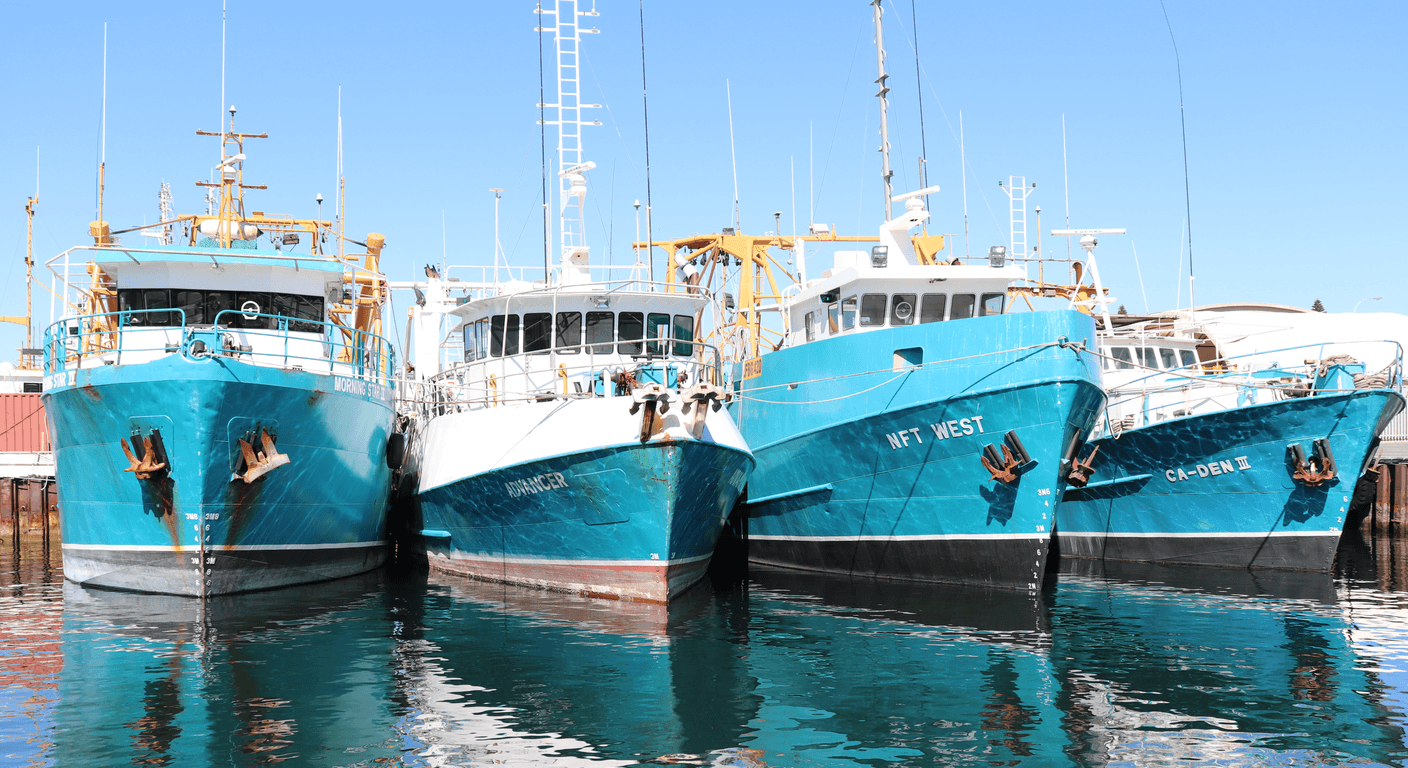
There's a certain kind of traveller who wants to feel the pulse of a big city — the ferries, the galleries, the sense that something is always happening somewhere. And there's another kind who wants to sit at a table outside a good café, watch fishing boats, and feel no particular obligation to be anywhere. Sydney is for the first. Fremantle is for the second. Neither is wrong.
For a solo woman travelling from Victoria — particularly one with Italian-Australian sensibilities around food, community and the pleasure of a slow afternoon — Fremantle's human scale tends to land differently than Sydney's. That's not a verdict. It's a starting point. The rest of this guide gives you the detail to make up your own mind.
One practical note before anything else: both cities have genuine accessibility strengths and genuine gaps. Sydney's hills and ferry wharf stairs are a real consideration. Fremantle is largely flat but the heritage limestone footpaths on some back streets are uneven. Know your own knees before you book.
Walkability: How do the two cities actually feel on foot?
Fremantle wins this comparison without much contest. The historic centre — from the Fremantle Markets on South Terrace to the fishing boat harbour, the cappuccino strip on South Terrace, the WA Museum Boola Bardip and the round house — sits within a compact, largely flat grid. A fit walker can cover the main sights comfortably in a morning. Someone who prefers a slower pace can do it over two days without feeling like they've missed anything.
Sydney is a different proposition. The CBD is hilly in ways the tourist brochures understate — the climb from Circular Quay toward the Rocks, or from Town Hall down to Darling Harbour, involves gradients that accumulate over a day. The good news is that Sydney's public transport means you rarely have to walk far if you don't want to. The ferry from Circular Quay to Manly, for instance, is a genuine alternative to walking the headland — and considerably more scenic.
For a solo traveller who wants to feel safe walking at night, both cities perform reasonably well in their tourist precincts. Fremantle's café strip stays lively into the evening. Sydney's Rocks precinct and harbourside areas are well-lit and well-frequented. Neither city is without its patches to avoid after dark — a quick check of Smartraveller's domestic safety advice and your accommodation host's local knowledge is always worth it.
Public transport: Getting around without a hire car
Sydney's public transport network is extensive and, since the Metro expansion, meaningfully better than it was five years ago. The Opal card covers trains, buses, ferries and light rail with a single tap-on, tap-off system. The daily travel cap (around $17.80 — confirm the current figure with Transport for NSW at transportfornsw.info) means a day of heavy travel has a ceiling cost. Sunday caps are lower still. For a solo traveller who wants to range widely — Bondi, Manly, the Blue Mountains on a day trip — this is a strong system.
Fremantle is served by Transperth trains running directly from Perth city (roughly 30 minutes, frequent departures) and local bus routes. Within Fremantle itself, the free CAT bus service loops through the main areas and is genuinely useful — it's the kind of service that makes a real difference when your feet are tired at 3pm. WA Seniors Card holders and eligible interstate visitors should check Transperth's concession fare structure at transperth.wa.gov.au, as concession SmartRider rates apply.
Victorian travellers should note: your Victorian Seniors Card does not automatically grant you concession fares in NSW or WA. You'll pay standard adult fares on Opal and standard Transperth rates unless you hold the relevant state concession card. It's one of those things nobody warns you about. Check each state's transport authority website before you travel.
Accommodation costs and where to stay: Honest AUD figures
Sydney is more expensive. A comfortable, well-located hotel room in the CBD or Rocks area runs roughly $220–$380 a night in peak periods; shoulder season (March–May, September–October) brings rates closer to $180–$250. Serviced apartments — which suit longer stays and solo travellers who want a kitchen — are available in the Darling Harbour and Pyrmont areas from around $200 a night. Always confirm current rates directly with the property.
Fremantle accommodation is a genuine contrast. A good boutique hotel or heritage-listed guesthouse in the port precinct runs roughly $130–$200 a night, with some quality options in the $160–$180 band during autumn. The city also has more apartment-style accommodation at accessible price points, which works well for travellers who want to self-cater for some meals. Confirm rates with the operator — Fremantle's popularity has grown and prices have moved accordingly.
Solo supplement reality: most hotels charge per room, not per person, so solo travellers pay the same base rate as couples. That's actually a point in both cities' favour compared with group tours. If you're considering a small-group day tour out of either city (wine regions, whale watching, Margaret River from Fremantle), check the operator's single supplement policy — some WA day tour operators quietly add a fuel levy for solo bookings. Ask before you pay.
Free and low-cost harbourside attractions: Where your daily budget actually goes
Sydney's best free attraction is the harbour itself — and that's not a throwaway line. The Circular Quay foreshore, the walk from the Opera House around to the Royal Botanic Garden, and the views from Barangaroo Reserve cost nothing. The Art Gallery of NSW has free general admission (some ticketed exhibitions apply — check artgallery.nsw.gov.au). The Museum of Contemporary Art Australia at Circular Quay is free. The Australian Museum on College Street has a modest entry fee (around $15–$20 for adults — confirm at australianmuseum.net.au). A day in Sydney can cost very little if you're strategic.
Fremantle's free offerings are concentrated but good. The WA Museum Boola Bardip in Perth (a short train ride away) is free for general admission — museumofwa.com.au has current details. The Fremantle Prison is the city's signature paid attraction, with tours running roughly $22–$55 depending on the experience (confirm at fremantleprison.com.au). The fishing boat harbour is free, the cappuccino strip costs only what you order, and the Fremantle Markets entry is free even if you end up spending money inside.
Daily budget reality: a solo traveller in Fremantle can have a genuinely satisfying day — good coffee, a market lunch, a museum visit, a harbour walk — for around $60–$90 excluding accommodation. The equivalent Sydney day, with ferry travel and a gallery visit, runs closer to $80–$120. Neither city is cheap once you add a glass of wine at dinner, but Fremantle's restaurant scene, particularly along South Terrace and in the fishing boat harbour, offers more mid-range options without the premium Sydney charges for a harbour-adjacent table.
A solo traveller's perspective — and a couple's perspective
Solo traveller's perspective: Fremantle's compact scale makes it easier to build a rhythm as a solo traveller. The café culture on South Terrace is social without being overwhelming — it's the kind of place where sitting alone with a book feels entirely natural. The Fremantle Arts Centre (free entry, fremantleartcentre.com.au) runs regular events, workshops and markets that provide easy, low-pressure social entry points. For a woman travelling alone, the human scale of the place — where you can walk almost everywhere and the same faces reappear — creates a sense of familiarity quickly. Sydney is exhilarating solo, but it can also feel anonymous in ways Fremantle doesn't.
Couple's perspective: Sydney rewards couples who want to mix culture, dining and activity at pace. The range of restaurants, the opera, the ferry network and the day-trip options (Hunter Valley, Blue Mountains, Royal National Park) give a couple plenty to negotiate and choose between. Fremantle suits couples who want to slow down deliberately — to share a long lunch, walk the harbour, drive down to Margaret River for a few days. It's a different kind of holiday energy, and for many over-50 couples who've already done the big-city circuit, that's exactly the point.
The practical verdict: Which suits you, and when?
Choose Sydney if you want cultural density, a world-class restaurant scene, excellent public transport and the particular pleasure of waking up near one of the great harbours on earth. Factor in the cost, the crowds in peak season, and the hills. Go in April or May. Stay near the Rocks or Pyrmont to minimise your daily walking load. Use the Metro and the ferries. Your Opal card is your best friend.
Choose Fremantle if you want to exhale. If you want a city that doesn't demand anything of you before 9am, where the coffee is taken seriously, where a morning at the markets and an afternoon at the prison feels like a complete and satisfying day. Fly direct from Melbourne (under four hours with current services — confirm with your carrier), check into something in the port precinct, and let the place work on you at its own pace. Add two or three nights in Margaret River if the season's right.
And if the question is really about relocation — about where to spend an extended season rather than a week — Fremantle's rental market, community infrastructure and medical facilities (Fremantle Hospital is well-regarded) make it a serious contender for a longer stay. Sydney is not impossible to afford long-term, but the arithmetic is harder. Either way, register with Smartraveller at smartraveller.gov.au even for domestic extended travel, and ensure your travel insurance covers pre-existing conditions for any medical eventualities. That part doesn't change whether you're in the same country or not.
Quick planning guide
| Ideal pace | Unhurried — one main activity per morning, afternoons free |
|---|---|
| Best months | March–May (autumn) for both cities; avoid January–February heat in Fremantle |
| Suggested stay | 4–5 nights in each if doing a combined trip; 3 nights minimum for a solo short break |
| Mobility level | Easy–Moderate (Fremantle) / Moderate (Sydney — some hills and ferry stairs) |
| Cost level | Sydney: $180–$380/night accommodation; Fremantle: $130–$260/night. Daily spend roughly $80–$130 (Fremantle) vs $110–$180 (Sydney), excluding accommodation |
| Comfort level | High in both — good medical infrastructure, English-speaking, familiar healthcare |
| Best for | Solo female travellers, culturally curious couples, grey nomads weighing a base for a longer WA or NSW trip |
| Main planning consideration | Sydney's CBD hills and ferry wharf stairs vs Fremantle's flat grid — factor in your knees before you book |
Key takeaways
- Fremantle's flat grid makes it genuinely easier on the body than Sydney's hilly CBD — a real consideration for travellers managing joint or mobility issues.
- Sydney's Opal card daily travel cap (around $17.80 — confirm with Transport for NSW) makes wide-ranging public transport affordable; Fremantle's free CAT bus is the local equivalent for getting around the port precinct.
- Solo travellers pay per room in both cities, avoiding the group-tour single supplement trap — but check day-tour operators out of both cities for hidden solo surcharges before booking.
- Your Victorian Seniors Card does not automatically grant concession transport fares in NSW or WA — check each state's transport authority before you travel.
- A satisfying day in Fremantle costs roughly $60–$90 excluding accommodation; the Sydney equivalent runs closer to $80–$120 — both manageable, but the gap adds up over a week.
- Autumn (March–May) is the best window for both cities: settled weather, thinner crowds and shoulder-season accommodation rates.
Recommended partners and links
Indicative prices only — always confirm with the operator before booking.
Frequently asked questions
Is Fremantle or Sydney better for over-50 solo female travellers?
Fremantle suits solo female travellers who want a walkable, human-scale city with easy social entry points through its café culture, arts centre and markets. Sydney suits those who want cultural range and a strong public transport network. Both are safe in their tourist precincts; Fremantle's compact size tends to create a sense of familiarity faster, which many solo travellers find reassuring.
How much does a day in Fremantle cost compared to Sydney?
A comfortable day in Fremantle — coffee, a market lunch, a museum or attraction visit and a harbour walk — typically costs around $60–$90 per person excluding accommodation. A comparable Sydney day, including ferry travel and a gallery visit, runs closer to $80–$120. Neither figure includes dinner or alcohol. Confirm current attraction prices directly with operators.
Can I use my Victorian Seniors Card for transport discounts in Sydney or Fremantle?
No. Your Victorian Seniors Card is not accepted for concession transport fares in NSW or Western Australia. You'll pay standard adult rates on Sydney's Opal card and Perth/Fremantle's Transperth system unless you hold the relevant state's concession card. Check transportfornsw.info and transperth.wa.gov.au for current concession eligibility before you travel.
Is Sydney accessible for travellers with mobility concerns?
Sydney is Moderate for mobility. The CBD has significant hills between key precincts, and some ferry wharves involve stairs or narrow gangways. However, the Metro system is step-free at most stations, and taxis and rideshare services are readily available. Ask your accommodation about the flattest walking routes to major sights — the difference between a good route and a hard one is real. Fremantle is generally easier, with a flat grid and the free CAT bus as a fallback.
What's the best time of year to visit Fremantle and Sydney for over-50 travellers?
Autumn — March through May — is the best window for both cities. Fremantle's summer heat (December–February) can be punishing for anyone who finds heat difficult; Sydney's summer is humid and crowded. Autumn brings settled weather, manageable temperatures and shoulder-season accommodation rates in both cities. Spring (September–October) is a solid second choice.
- Transperth — SmartRider and concession fares
- Fremantle Prison — tours and pricing
- Art Gallery of NSW — admission information
- Museum of WA (Boola Bardip) — admission
- Tourism Western Australia — Fremantle travel planning
- Smartraveller — Australian Government travel advice
- Destination NSW — Sydney visitor information