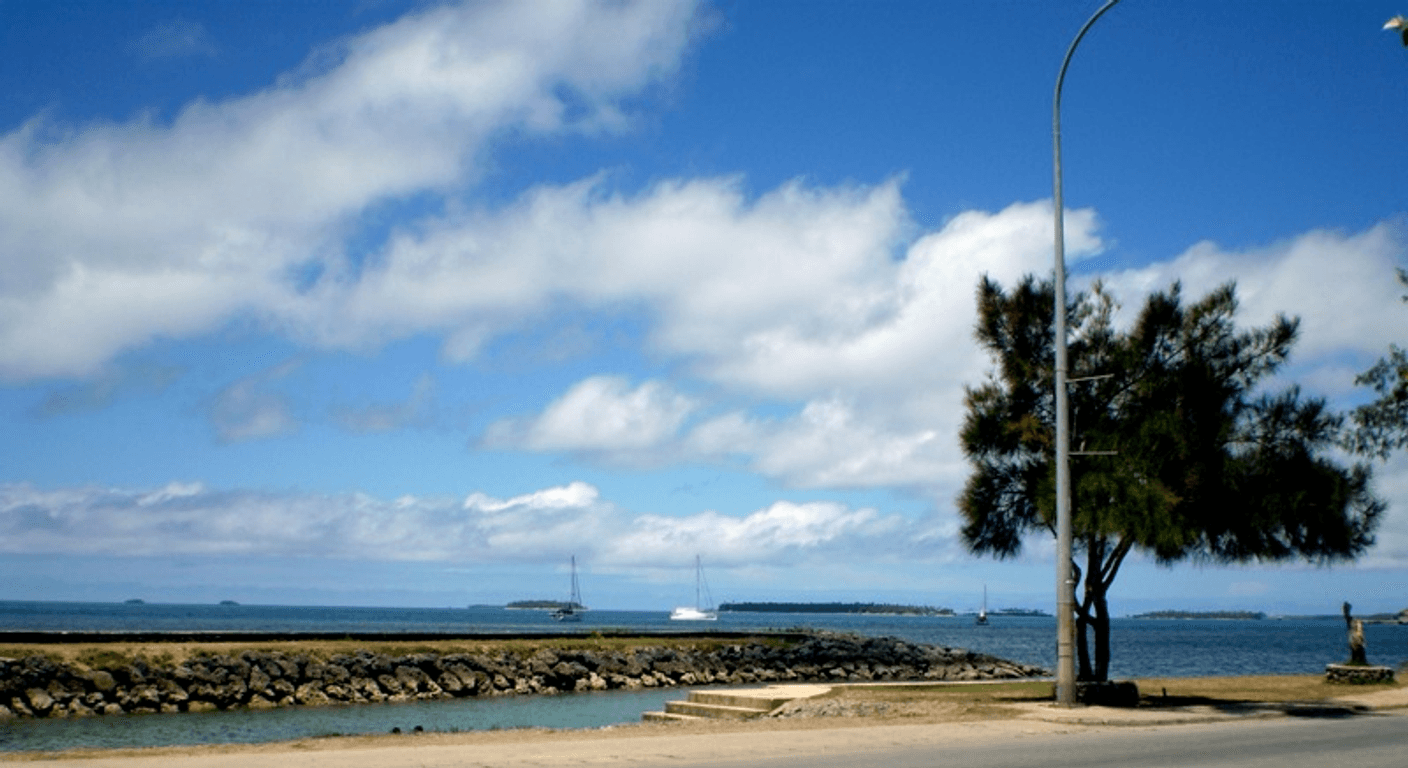
Tonga suits over-50 Australians seeking gentle beach days, snorkelling and genuine quiet, with a 3–4 hour flight from Sydney or Brisbane, visa-free entry (confirm at smartraveller.gov.au), and a Mobility rating of Easy to Moderate. New Zealand offers alpine scenery, wine trails and guided walks rated Moderate to Active, reachable in 3–4 hours from eastern capitals. Best months: May–October for both. A week suits Tonga; ten days to two weeks fits New Zealand comfortably.
The fundamental difference: what kind of traveller are you right now?
This is the question worth sitting with before comparing flight times or hotel rates. Tonga asks almost nothing of you physically — and that is precisely the point. The days genuinely do slow down. You read, you snorkel in shallow, clear water, you eat fresh fish, you watch the light change on the lagoon. It's not a destination that rewards restlessness. If you arrive expecting a packed itinerary, you'll be frustrated within forty-eight hours.
New Zealand, on the other hand, has a way of filling every day you let it. The options are genuinely varied — a morning on a Marlborough wine estate, an afternoon Milford Sound cruise, a guided Māori cultural evening, a slow walk through Fiordland — but the pace is yours to set. That flexibility is a real advantage for an over-50 traveller who wants engagement without being marched through a checklist. The infrastructure for independent travel is excellent: road signage is clear, distances are manageable, and the country is organised in a way that feels uncannily familiar to Australians.
For a solo female traveller in her late sixties, both destinations are broadly safe. Tonga is deeply community-oriented and conservative by Pacific standards — respectful dress away from the beach, Sunday observances that genuinely close most services, and a warmth toward visitors that feels unperformed. New Zealand's solo-travel infrastructure is robust in the practical sense: hostels and hotels cater well to single occupancy, public transport in cities works, and there's a confident culture of women travelling alone.
Getting there: flight times, stopovers and arrival fatigue
From Melbourne — which is where many Victorian travellers begin — neither destination is a short haul in any meaningful sense, though both are manageable without the multi-day recovery that long-haul destinations demand. Tonga's main airport, Fua'amotu International near Nuku'alofa, is not served by direct flights from Melbourne. The standard routing goes via Fiji (Fiji Airways) or via Auckland, adding a stopover and typically stretching the total travel time to nine to thirteen hours door-to-door, depending on connection waits. That's not nothing. Book a same-day connection only if you're confident in the airline's punctuality — a missed connection to Tonga can mean a twenty-four-hour wait.
From Sydney or Brisbane, Tonga is more straightforward: Fiji Airways flies to Nuku'alofa via Nadi with reasonable frequency, and the total travel time from Brisbane can be as low as six to seven hours including the stopover. From Melbourne, building in an overnight in Fiji or Auckland before continuing is genuinely worth considering — not just for comfort, but because arriving rested matters more than it did at forty.
New Zealand is considerably easier from any Australian east-coast city. Melbourne to Auckland is around three hours and fifteen minutes; Melbourne to Queenstown is direct on some services and under four hours. There's no meaningful jet lag — New Zealand runs two to three hours ahead of eastern Australia depending on daylight saving, and most travellers adjust within a single day. For a Victorian traveller, New Zealand genuinely feels like the less complicated choice from a logistics standpoint, even if Tonga is the more exotic one.
What a day actually looks like: Tonga vs New Zealand
In Tonga — specifically on Vava'u, the island group most suited to independent mature travellers — a typical day at a quality resort might unfold like this: breakfast served between 7:30 and 9:00 (no rush, no buffet scramble), snorkelling from the resort's jetty around 9:30 when the light is best. Water temperature is warm year-round, around 26–29°C, and the reef is accessible within metres of the shore at most Vava'u properties. By 11:30 you're back, showered, reading on a covered deck. Lunch at noon is unhurried. Afternoons are genuinely free — a boat trip to a nearby island, a whale-watching excursion from July to October (roughly three hours on the water, departing around 8:00 am from Neiafu harbour, returning by noon), or nothing at all. Dinner is typically served from 6:30. The toilet situation at resorts is perfectly adequate; on day-trip boats, facilities are limited and worth factoring in if that matters to you.
In New Zealand on a guided small-group tour — say, a South Island itinerary — the rhythm is different. Coach departs at 8:30. You're at the first stop (perhaps the Franz Josef glacier lookout) by 9:45, with a forty-five-minute walk on a well-maintained gravel path to the viewpoint. There's a toilet block at the carpark. The walk is rated easy to moderate: flat for the first kilometre, then a gentle incline. Back on the coach by 11:15. Lunch in Hokitika at 12:30, roughly ninety minutes. Afternoon free in town — the beach, the greenstone shops, the café strip. Coach departs at 2:30, arrives at the next lodge by 4:30. That's a real day: pleasant, varied, not exhausting. The key question with any guided NZ tour is how many coach hours per day — anything over four hours on the road starts to feel like work. Ask the operator before booking.
The genuinely skippable parts on NZ tours: most itineraries include at least one 'scenic lookout' stop that amounts to a carpark with a view. If you opt out, you're not missing the destination — you're missing a photo opportunity. Stay on the coach, stretch your legs in the carpark, and let the others do the walk. No guide worth their fee will make you feel bad about it. In Tonga, the skippable element is any organised resort activity that doesn't interest you — the cultural evenings, the island picnics. The best Tonganese resort operators understand that 'doing nothing' is the activity.
Costs in honest AUD: what to actually budget
Tonga is not cheap, and that surprises some travellers who assume the Pacific means budget. Quality resorts on Vava'u — the ones with reliable hot water, mosquito-screened rooms, and staff who can assist with medical queries — run roughly AUD $280–$450 per night for a double room, and solo travellers will generally pay the full room rate or close to it. There's no real single-supplement structure because most Tongan boutique properties don't do tour packages — you're paying for the room, full stop. That's actually better for solo travellers than a group tour with a forty percent single supplement tacked on.
Meals at the resort are an additional cost: breakfast around AUD $25–$40, dinner AUD $45–$70 depending on the property. Alcohol is available (Tonga is not dry) but priced at resort rates. Day trips — whale-watching, island hopping — run roughly AUD $120–$200 per person. The honest total for a ten-night Tonga trip from Melbourne, including flights, accommodation and activities, lands somewhere between AUD $4,500 and $7,500 for a solo traveller depending on standard and season. Confirm all current rates directly with operators.
New Zealand's costs are more familiar to Australians: the dollar is close to parity (check the current rate), and the pricing logic is similar to Australia's. A well-located hotel in Queenstown runs around AUD $200–$380 per night; Christchurch and Dunedin are typically lower, around AUD $170–$280. A guided small-group tour of ten to fourteen days — the kind with a dedicated guide, quality accommodation and most meals included — typically costs AUD $4,500–$8,000 per person twin share. Single supplements on NZ guided tours are a real issue: they range from twenty to forty percent depending on the operator, and some smaller operators now offer solo-share programmes where two single travellers share a twin room by mutual agreement. Ask specifically. It's not always advertised.
Mobility and accessibility: the honest picture
Tonga is rated Easy to Moderate, with one significant caveat: getting around requires small boats, and boarding a small vessel from a dock or a tender can be awkward if balance or lower-limb strength is a consideration. Resorts on the main Vava'u group vary in accessibility — some have gentle beach access, others require a short walk down steps to a jetty. Email the resort before booking and ask specifically about the path from your room to the water. The resorts worth staying at will answer that question in detail without making you feel self-conscious for asking.
Tonga's medical infrastructure is limited. The main hospital is in Nuku'alofa on Tongatapu; Vava'u has a small clinic. For anything serious, medical evacuation to Fiji or New Zealand is the realistic pathway. This is not a reason to avoid Tonga — it's a reason to hold travel insurance that explicitly covers pre-existing conditions and medical evacuation, and to check that your policy does so before you buy it, not after. The Australian Government's Smartraveller advisory for Tonga (smartraveller.gov.au) is the right starting point.
New Zealand is rated Moderate to Active depending on the activities you choose. The country's walking infrastructure is exceptional — the Great Walks are graded clearly, and many sections are accessible to walkers with moderate fitness and no specific mobility aids. Cobblestones are present in some older town centres (Arrowtown, parts of Dunedin), and the hilly terrain of Wellington and Queenstown means some streets are genuinely steep. But the majority of New Zealand's headline experiences — Milford Sound by boat, wine tasting in Marlborough, Rotorua's geothermal parks — involve minimal walking and are accessible to a wide range of mobility levels. New Zealand's healthcare system is comparable to Australia's, and the country has reciprocal healthcare arrangements for Australian citizens — confirm the current terms of that arrangement before travel.
Solo female travel: the real comparison
Solo female travel at sixty-eight is a different calculation than it was at thirty-eight, and not in the ways most travel writing assumes. It's less about safety (both destinations are low-risk) and more about logistics: who carries the bags, who navigates the unfamiliar, who you talk to at dinner. Tonga's small resort culture solves the dinner problem naturally — you'll eat with other guests whether you plan to or not, and the community is intimate enough that you'll know everyone's name by day three.
In New Zealand, a guided small-group tour is the most practical format for a solo traveller who wants company without the effort of manufacturing it. The better operators attract a high proportion of Australian and New Zealand women travelling solo — it's worth asking the operator for a rough breakdown of their group composition before booking. Solo-friendly departures, where single travellers are actively matched or where single-room supplements are reduced or waived, are worth seeking out. They exist, they're not always advertised loudly, and a direct phone call to the operator will get you further than reading the website.
One practical note for Italian-Australian travellers specifically: both destinations have small but warm Italian communities and regular visitors from Italy, which occasionally means finding a genuinely good espresso in unexpected places (Queenstown in particular has excellent coffee). More practically, if English as a second language creates any anxiety in unfamiliar settings, New Zealand's clear signage, familiar infrastructure and slow-paced regional hospitality make it easier to navigate confidently than a more remote Pacific destination.
Visa, entry and Smartraveller: what to confirm before you book
Australian passport holders have historically been able to enter both Tonga and New Zealand without a pre-arranged visa for short stays, but entry requirements change and the specifics — length of permitted stay, any electronic travel authority requirements, biosecurity declarations — must be confirmed at smartraveller.gov.au and with the relevant high commissions before booking. Do not rely on this guide, a travel agent's recollection, or anything you read on a forum. The Australian Government's Smartraveller site is updated in real time and is the authoritative source.
New Zealand has its own biosecurity declaration requirements that are taken seriously at the border — declare everything, including walking boots with soil, food items and any plant material. Tonga similarly has biosecurity restrictions. Neither country is difficult to enter for Australian citizens in good standing, but arriving unprepared for biosecurity checks can cause delays. Tonga also observes strict Sunday restrictions: most shops, restaurants and services are closed. If you're arriving on a Sunday, plan accordingly — have food, water and any medications you need for the day already sorted.
Travel insurance for either destination should explicitly cover pre-existing medical conditions, medical evacuation (especially for Tonga), trip cancellation and delays. The gap between a policy that covers 'medical expenses' and one that covers 'medical evacuation from a remote Pacific island' is measured in tens of thousands of dollars. Read the product disclosure statement, not just the marketing summary. The Council on the Ageing (COTA) and some seniors' organisations publish guidance on travel insurance for over-60s with pre-existing conditions — worth a look before you compare policies.
Quick planning guide
| Ideal pace | Slow and settled in Tonga; structured but varied in New Zealand |
|---|---|
| Best months | May–October for Tonga (whale season June–October); September–April for New Zealand South Island walks; avoid NZ winter June–August for alpine access |
| Suggested stay | 7–10 nights Tonga; 10–14 nights New Zealand |
| Mobility level | Easy–Moderate (Tonga); Moderate–Active (New Zealand) |
| Cost level | Tonga: mid-range, around AUD $250–$450 per night for quality resorts; NZ: AUD $180–$380 per night depending on region and standard |
| Comfort level | Tonga: boutique and remote, limited medical facilities; NZ: well-serviced, familiar infrastructure |
| Best for | Tonga — solo travellers wanting stillness, couples seeking seclusion, whale-watching enthusiasts; NZ — active couples, culturally curious travellers, those wanting self-drive flexibility |
| Main planning consideration | Tonga's limited medical infrastructure and infrequent flights demand careful travel insurance with pre-existing condition cover; NZ is straightforward but single supplements on guided tours can be steep |
Key takeaways
- Tonga suits over-50 Australians who genuinely want to slow down — it rewards stillness, not itineraries.
- New Zealand's guided small-group tours offer real flexibility and excellent accessibility for moderate-mobility travellers.
- From Melbourne, Tonga requires a stopover and nine-plus hours of travel; New Zealand is under four hours direct.
- Solo travellers should ask operators specifically about single supplements and solo-share programmes — they're not always advertised.
- Tonga's limited medical infrastructure makes comprehensive travel insurance with evacuation cover non-negotiable.
- Both destinations are broadly visa-free for Australian passport holders, but entry rules must be confirmed at smartraveller.gov.au before booking.
Recommended partners and links
Indicative prices only — always confirm with the operator before booking.
Frequently asked questions
Is Tonga or New Zealand better for over-50 Australians who want a relaxed holiday?
Tonga is the better choice for travellers who genuinely want to slow down — beach, snorkelling, whale-watching and very little else. New Zealand suits those who want variety and engagement, with flexibility to set their own pace. Both are suitable for over-50 Australians; the right choice depends on whether you want quiet or activity.
How long is the flight from Australia to Tonga versus New Zealand?
From Sydney or Brisbane, Tonga is roughly six to nine hours including a stopover in Fiji or Auckland — there are no direct flights from Australian mainland cities. From Melbourne, add an extra connection. New Zealand is under four hours direct from Melbourne, Sydney or Brisbane, making it significantly easier to reach.
Do Australian citizens need a visa to visit Tonga or New Zealand?
Australian passport holders have historically entered both Tonga and New Zealand without a pre-arranged visa for short stays, but entry requirements change. Always confirm current rules at smartraveller.gov.au and with the relevant high commissions before booking — do not rely on third-party sources.
What does a solo traveller pay extra in New Zealand compared to travelling as a couple?
Single supplements on New Zealand guided tours typically add twenty to forty percent to the per-person tour cost. Some smaller operators offer solo-share programmes where two single travellers share a twin room by agreement, which eliminates or reduces the supplement. Ask the operator directly — it's not always promoted on the website.
Is Tonga safe for a solo female traveller in her late sixties?
Tonga is generally considered safe for solo female travellers. It is a conservative, community-oriented society — respectful dress away from resort beaches is expected, and Sunday observances mean most services are closed. The main practical concern is limited medical infrastructure; comprehensive travel insurance with medical evacuation cover is essential.