Tromsø, in the Norwegian Arctic, is best visited between November and January during the polar night, when aurora boat tours run from heated vessels as early as 6pm. Three to four nights gives the best statistical chance of a clear-sky sighting. Mobility is moderate — icy footpaths and cable car steps require care, though tours and gondolas are enclosed. There's no direct flight from Australia; expect 24–30 hours via a European hub, plus a domestic connection to Tromsø.
What kind of place is Tromsø, really?
Tromsø is a proper city — population around 75,000, a university, decent restaurants, a cathedral and a waterfront that doesn't feel like a theme park. It sits on an island connected to the mainland by bridge, which means most of what you need is walkable from the city centre in dry conditions. In winter those conditions are frequently icy, so 'walkable' carries a caveat.
For travellers who've imagined the Arctic as a wilderness requiring crampons and a survival kit, Tromsø is a pleasant correction. The aurora boat tours leave from a heated terminal, the cable car loads you into an enclosed gondola, and the husky farm experiences generally involve riding in a sled rather than running alongside one. Norway has built a quiet infrastructure around visitors who want the Arctic on reasonable terms.
That said, it is genuinely cold — average January temperatures hover around minus six to minus ten Celsius, occasionally lower with wind chill. Coming from a Victorian summer, that's not an abstraction. It requires deliberate preparation, not just a puffer jacket from the airport.
Getting there from Australia: the honest flight picture
There is no direct flight from Australia to Tromsø, and anyone who tells you otherwise is selling something. The standard route from Melbourne or Sydney involves a long-haul leg to a European hub — Oslo, London, Amsterdam, Helsinki or similar — then a connecting domestic or regional flight north to Tromsø. Total travel time, door to gate, is typically 24 to 30 hours depending on connections and layover length.
Oslo to Tromsø takes roughly two hours by air. Norwegian and SAS both serve the route regularly. Some travellers choose to overnight in Oslo on the way through, which adds a day but softens the arrival considerably. Given the time difference — Norway in winter is nine to ten hours behind eastern Australia — a recovery night before heading Arctic is worth the extra cost. Arriving in Tromsø exhausted and jet-lagged, then waiting outside in the dark for an aurora, is a poor introduction to either.
Confirm current entry requirements on smartraveller.gov.au before booking. Australia and Norway share a visa-free arrangement for short stays under the Schengen framework, but rules do change, and your passport needs adequate validity. Travel insurance that covers pre-existing medical conditions is non-negotiable for a winter trip to a destination where medical evacuation would be both logistically complex and expensive.
What is polar night, and how does it actually feel?
Between roughly 21 November and 21 January, the sun does not rise above the horizon in Tromsø. This is the polar night — not pitch darkness all day, but a long twilight that glows blue and rose around midday before fading again by early afternoon. For some travellers it's eerie and beautiful. For others, particularly those prone to low mood in winter, it can feel oppressive after a few days.
The seasonal reversal shock is real for Australians arriving from a December or January summer. Your body arrives expecting long evenings and warm light. Instead it gets darkness by 2pm and temperatures that make you question the whole plan. Give yourself a day to adjust. Eat a warm lunch in a Norwegian café, spend an afternoon at the Tromsø University Museum or the Polaria Arctic experience centre, and let the rhythm of the place settle before you start planning every evening around aurora forecasts.
The flip side is that the polar night is precisely why the northern lights are so accessible here. You don't need to wait until midnight. On a clear evening the aurora can appear from late afternoon, and the boat tours typically run from around 6pm. That suits over-50 travellers far better than destinations where you'd be standing in a field at 2am.
The northern lights: what to expect and what to plan for
The aurora borealis appears when charged particles from the sun collide with Earth's atmosphere, and it requires two things you cannot control: a clear sky and sufficient solar activity. Tromsø sits in the 'auroral oval' — one of the zones where activity is most frequent — but cloud cover is common in winter and sightings are not guaranteed on any given night. This is why three or four nights is the sensible minimum, not a luxury.
Aurora boat tours are among the best options for over-50 travellers. Operators take guests by catamaran or small ship into the fjords away from city light pollution, which dramatically improves viewing chances. Crucially, the boats are heated inside. You can watch from the deck when the lights appear and retreat to warmth when they don't. Indicative prices for these tours run from around AUD 250–400 per person; confirm current pricing directly with operators listed on visittromso.no, as costs vary by vessel and duration.
Apps like Space Weather Live and the Norwegian Meteorological Institute's Yr app give aurora and cloud-cover forecasts that locals actually use. Your hotel concierge will also know which nights look promising. The goal is three clear nights — statistically, that gives most visitors at least one sighting. It's worth adjusting that expectation downward if you're travelling during a particularly cloudy stretch, and upward if solar activity is high. Manage the expectation and the experience becomes easier to enjoy.
The Fjellheisen cable car and other daytime experiences
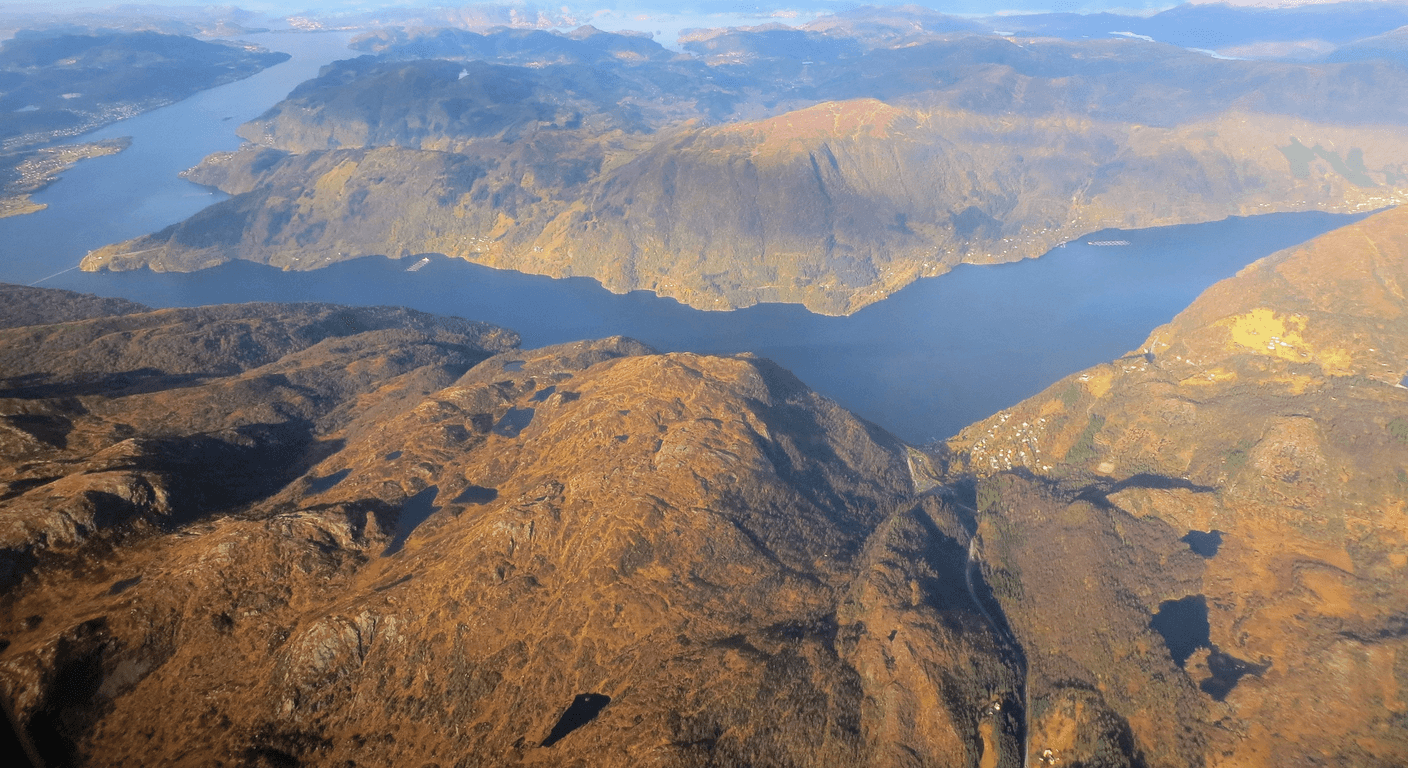
The Fjellheisen cable car runs from the edge of the city to a viewing platform at 421 metres, and on a clear day — or during the twilight hours of polar night — the panorama across the fjords and islands is genuinely arresting. The gondola is enclosed and the ride takes a few minutes. At the top there's a café and a viewing terrace. Steps and uneven surfaces exist at the summit, so those with significant mobility concerns should check current accessibility details directly with the operator at fjellheisen.no.
The Tromsø University Museum covers the natural history of the Arctic and has a dedicated northern lights exhibition that's worth an hour of your afternoon. The Polaria centre on the waterfront focuses on Arctic ecosystems and has a bearded seal enclosure that tends to delight visitors of all ages. Neither requires significant walking. The Arctic Cathedral — formally the Tromsdalen Church — sits across the bridge and is architecturally distinctive; a short taxi or bus ride from the city centre.
Husky farm visits typically involve a drive of 30–45 minutes from the city and some operators offer sled rides where you sit rather than mush. Reindeer experiences run by Sámi guides are available in the region and offer genuine cultural context, not just a photo opportunity. Both are worth confirming through your accommodation or visittromso.no, as operators and availability shift between seasons.
Dressing for the Arctic: a practical layering guide for Australians
Most Australians significantly underestimate Arctic cold until they've stood outside in it. Minus eight with a light wind feels nothing like the dry cold of a Victorian alpine morning. The standard advice — layers — is correct, but the specifics matter. A merino wool base layer against the skin, a mid-layer fleece or down vest, and a waterproof outer shell rated to at least minus fifteen. Wool or thermal leggings under waterproof trousers for any outdoor evening activity.
Feet are the critical point. Insulated, waterproof boots with a rated temperature of at least minus twenty are worth purchasing before you leave Australia — or hiring from a Tromsø outdoor outfitter. More importantly, the soles need grip. Tromsø's footpaths are regularly icy, and the council does grit them, but black ice appears without warning. Screw-on ice cleats (often called 'ice grippers' or 'brodder' locally) slip over your existing boot sole and cost a few hundred kroner at any outdoor shop. They're not elegant, but they've prevented a significant number of falls. Buy them on arrival.
Hands and head lose heat fast. A thermal hat that covers the ears, a neck gaiter or balaclava, and waterproof gloves over thin liner gloves. If you wear glasses, be aware they fog when you move between cold outside air and warm interiors — a minor nuisance that's worth knowing about. Hand warmers in your pockets are a small luxury that becomes a genuine comfort on a two-hour boat tour.
Costs, comfort and staying in Tromsø
Norway is expensive. There's no diplomatic way to put it. A mid-range hotel in Tromsø in peak aurora season (November to January) runs indicatively from around AUD 350–600 per night for a double room; confirm current rates directly with properties. Dinner for two at a decent restaurant is roughly AUD 150–250 with drinks. Lunch from a café or bakery is more manageable. The city has a Rema 1000 and other supermarkets where you can pick up breakfast supplies and avoid the hotel markup.
The quality of accommodation in Tromsø is generally high. The city has several hotels with well-heated rooms, blackout curtains (useful if you return late from an aurora tour and want to sleep past the twilight), and staff who speak excellent English. Some properties offer aurora alarm services — a knock on the door or a phone call if the lights appear while you're asleep. It's worth asking on check-in.
For a couple spending four nights in Tromsø with one aurora boat tour, one cable car visit, a museum day and a husky or reindeer excursion, an indicative total budget — excluding flights — sits somewhere in the range of AUD 4,000–6,000 depending on accommodation tier and dining choices. Flights from Melbourne or Sydney return, in economy, add another AUD 3,500–6,000 or more. Norway is not a budget destination. It is, however, an exceptionally well-organised and safe one, which matters when you're 73 and travelling far from home.
Quick planning guide
| Ideal pace | Slow-paced, built around waiting for clear skies rather than sightseeing every day |
|---|---|
| Best months | November to January, during the polar night and peak aurora season |
| Suggested stay | Three to four nights minimum |
| Mobility level | Moderate — icy footpaths, cable car steps, and cold require care, though core activities (boat tours, gondola) are enclosed and accessible |
| Cost level | Premium — Norway is an expensive destination for accommodation, dining and tours |
| Comfort level | High — heated boat tours, enclosed cable car, well-equipped hotels with English-speaking staff |
| Best for | Over-50 travellers wanting the northern lights with genuine comfort and infrastructure, not wilderness camping |
| Main planning consideration | Cold-weather preparation (layering, ice cleats) and honest flight time from Australia via a European hub |
Key takeaways
- Aurora sightings require clear skies and solar activity — three or four nights in Tromsø gives the best statistical chance of at least one good display.
- Heated aurora boat tours are among the most accessible options for over-50 travellers who want comfort alongside the spectacle.
- Icy footpaths are a genuine hazard; screw-on ice cleats bought on arrival in Tromsø are a practical and inexpensive safety measure.
- From Australian east-coast cities, expect 24–30 hours of total travel time; a recovery night in Oslo or on arrival in Tromsø is worth the extra cost.
- Polar night means darkness by early afternoon — the seasonal contrast arriving from an Australian summer is real and requires a day or two to adjust.
- Norway is one of Europe's most expensive destinations; confirm current accommodation, tour and dining costs before finalising your budget.
Recommended partners and links
Indicative prices only — always confirm with the operator before booking.
Frequently asked questions
When is the best time to see the northern lights in Tromsø?
The aurora season in Tromsø runs from October to March, when nights are long enough for viewing. The polar night period — roughly 21 November to 21 January — offers the longest dark windows and is considered prime time. Clear skies and high solar activity are both required, neither of which can be predicted far in advance.
Do Australian travellers need a visa to visit Norway?
Australia and Norway share a visa-free arrangement for short stays within the Schengen Area, but entry conditions can change. Always confirm current requirements on smartraveller.gov.au before booking, and ensure your passport has at least six months' validity beyond your planned return date.
Is Tromsø suitable for travellers with limited mobility?
Tromsø's main aurora boat tours and the Fjellheisen cable car are largely accessible to travellers who can walk short distances and manage steps, but the city's winter footpaths are frequently icy and require grippy footwear or ice cleats. Travellers with significant mobility concerns should contact specific operators directly to confirm accessibility before booking.
How cold does it actually get in Tromsø in winter?
Average temperatures in Tromsø from November to February range from around minus four to minus ten Celsius, with wind chill pushing the felt temperature lower on exposed evenings. Insulated, waterproof boots rated to at least minus twenty Celsius, thermal base layers, and a windproof outer shell are necessary — not optional.
What travel insurance do Australian seniors need for a Tromsø trip?
Travel insurance for a Norwegian Arctic winter trip should cover pre-existing medical conditions, trip cancellation, cold-weather activity cancellation, and emergency medical evacuation. Standard policies frequently exclude pre-existing conditions unless declared and approved. Compare policies through an Australian insurance broker or comparison service and read the product disclosure statement carefully before purchasing.