Port Vila and Mystery Island are two contrasting Vanuatu cruise stops reachable directly from Australian ports. Port Vila docks straight at the wharf and is an easy, walkable town of markets and lagoon swimming, best tackled in the cooler months with active plans finished before noon. Mystery Island is an uninhabited coral islet reached only by tender, offering a pure beach-and-reef day. Both suit a single shore-day visit and demand realistic mobility awareness, sun protection and pacing.
What kind of stop is Port Vila, really?
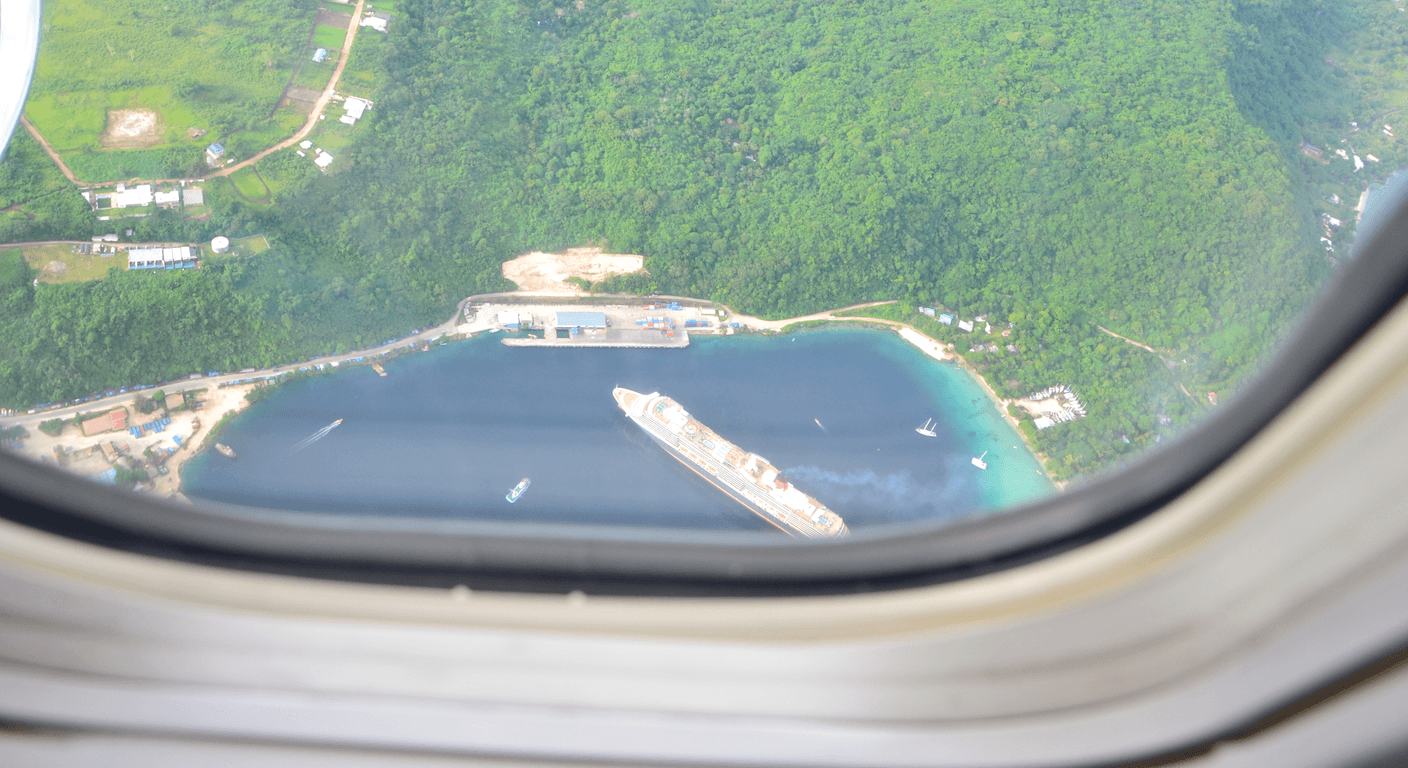
Port Vila is Vanuatu's capital and its most developed cruise port. Ships dock directly at the main wharf — no tender required — which is a genuine relief if you have any mobility concerns or simply prefer not to start your day clambering down a gangway into a small boat. From the wharf gate, the central market, the main shopping street, and the edge of Mele Bay are all within a ten-to-fifteen minute walk on mostly flat ground, though the footpaths are uneven in places and the humidity will make itself known quickly.
The town is small enough to navigate without a map if you keep the waterfront in sight, but it is not a manicured resort destination. Expect lively street energy, local minibuses, the occasional motorbike threading through traffic, and a market that smells of fresh produce and wood smoke. That texture is part of the appeal. For travellers who have spent years exploring regional Victoria and understand that the most interesting places are not always the most polished ones, Port Vila tends to feel familiar in spirit if not in geography.
Heat is the factor most people underestimate. Even in the cooler months of the Vanuatu calendar, Port Vila sits in the tropics and the combination of sun, humidity, and walking on dark asphalt can tire you out faster than expected. Planning the active parts of your day before noon and retreating to shade or air-conditioning by early afternoon is a practical strategy, not a concession.
Port Vila's Port Vila Municipal Market: what to expect and how to behave
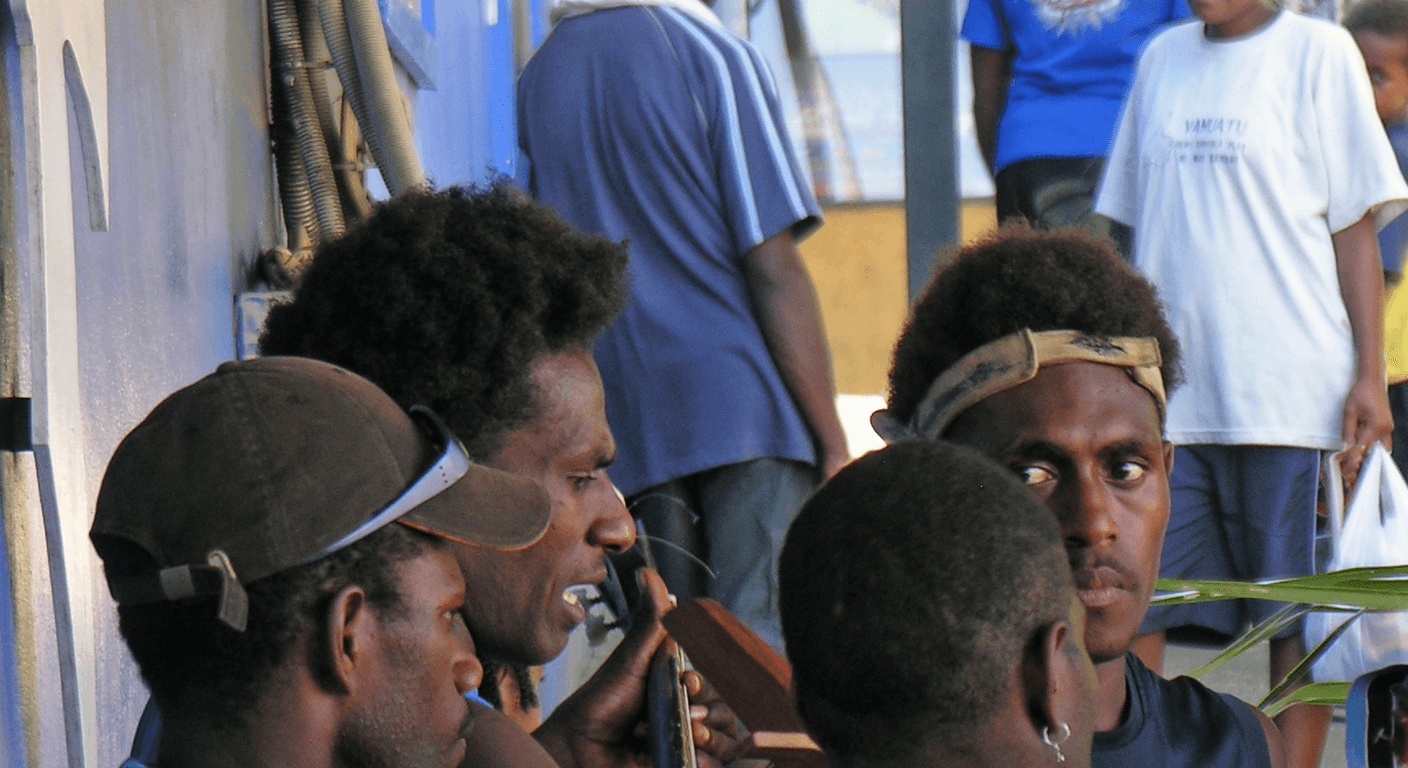
The Port Vila Municipal Market, just back from the waterfront, is the social and commercial heart of the island. Women vendors — many from outer islands — sell fresh produce, woven baskets, shell jewellery, carved wooden pieces, and local textiles. The atmosphere is unhurried and genuinely welcoming, though it does get busier when a large ship is in port. Arriving early in the morning, before the midday rush of cruise passengers, gives you a calmer experience and fresher produce.
Vanuatu's currency is the vatu (VUV), and while some vendors near the wharf will accept Australian dollars, you will generally get a fairer transaction — and show more respect — by using local currency. There are ATMs in central Port Vila that dispense vatu; check with your bank before departure about international withdrawal fees. Stallholders set prices by feel and relationship, not by fixed tags. Gentle negotiation is expected and accepted, but aggressive bargaining is not the local style and is not a good look. A reasonable price offered respectfully will be met with warmth.
If you are travelling with a group of friends, the market is an easy place to split up for twenty minutes and reconvene. Those who want to browse can browse; those who want to sit with a cold drink at one of the nearby waterfront cafes can do that. The informal rhythm suits a group that does not want to be marched around on a schedule.
Lagoon swimming, cultural villages, and what else Port Vila offers on a shore day
Mele Cascades, a tiered freshwater waterfall about fifteen minutes by road from the wharf, is a popular excursion and genuinely beautiful — but it involves a slippery uphill walk on wet rock, and for travellers with knee problems or balance concerns it warrants honest consideration before booking. The cascades are manageable for many people over 60 who are reasonably fit, but 'reasonably fit' is worth defining for yourself before you commit. Ship excursions and independent local operators both run trips there; the independent options are often smaller groups.
For lagoon swimming, the Hideaway Island Marine Reserve — a short boat ride from the Vila waterfront — offers calm, clear water and reef snorkelling that does not require a long walk or significant exertion to reach. It is a popular spot with facilities including a small cafe and change rooms. Snorkel gear is available for hire. The reef is accessible directly from the beach, so there is no need to swim far from shore. This tends to suit travellers who want water time without the demands of an ocean dive or a long hike.
Cultural village visits, where local communities demonstrate traditional dance, weaving, fire-making, and kastom (customary) practices, are offered through both ship programmes and independent operators. These experiences vary considerably in authenticity and presentation — some are genuinely community-run and the proceeds flow directly to village families, while others are more commercial. Tourism Vanuatu's website lists registered operators, which is a useful starting point for filtering. If this kind of cultural encounter matters to you, it is worth asking your operator directly how the community benefits.
Ship excursion or independent operator: how to weigh it up in Port Vila
The standard argument for booking through the ship is security: if the excursion runs long, the ship waits for you. That guarantee has real value, particularly if you are new to cruising or anxious about timing. Ship excursions in Port Vila are generally well-organised, use air-conditioned vehicles, and are led by English-speaking guides. They are also priced at a premium — indicatively in the range of AUD 80–180 per person depending on activity, though you should confirm current pricing directly with your cruise line as costs shift seasonally.
Independent operators in Port Vila — many of them small, locally owned businesses registered with Tourism Vanuatu — can offer smaller groups, more flexible pacing, and lower indicative costs, often roughly AUD 50–120 per person for comparable activities, though again you should confirm directly. The trade-off is that you carry the responsibility for getting back to the ship on time. Port Vila is a small enough town that this is genuinely manageable if you leave a comfortable buffer — most experienced cruisers recommend being back at the wharf gate at least ninety minutes before all-aboard.
For a group of friends travelling together, an independent minibus or van hire for the day can work out well economically and gives you control over pacing, which matters when some members of the group move more slowly or need more rest stops. The Tourism Vanuatu website is a reasonable starting point for finding registered operators; asking fellow passengers on the ship who have cruised to Vanuatu before is also a practical source of recent recommendations.
What is Mystery Island, and why is the tender the thing to think about first?
Mystery Island — known locally as Inyeug — is an uninhabited coral islet off the southern tip of Aneityum, Vanuatu's southernmost island. There is no settlement, no infrastructure beyond basic facilities set up for cruise days, and no road. The island exists as a shore day because it is genuinely lovely: white sand, clear shallow water, coral close to shore, and the kind of quiet that is rare when you are travelling with a few hundred other passengers. It is, by design, a beach day.
The catch — and it is worth being clear about this — is that Mystery Island is a tender stop. Ships anchor offshore and passengers are ferried to the beach in small tender boats, typically in groups, with a step down from the ship's gangway and a step up into the tender. For passengers with significant mobility limitations, balance concerns, or a strong dislike of small boats on open water, this is the moment to make a realistic assessment. Tender transfers are not dangerous in normal conditions, but they require a degree of physical confidence and the willingness to accept some assistance from crew. If you have any doubt, speak to the ship's guest services team the evening before — they can advise on conditions and whether the transfer is manageable for your situation.
Tender queues can also be slow, particularly on ships with large passenger numbers. Going ashore in the first tender wave means more beach time but a longer queue; going later means shorter queues but a shorter day. Most experienced cruisers on a Mystery Island call suggest a middle window — letting the initial rush clear before heading down.
Making the most of Mystery Island: snorkelling, shade, and the village stalls
Once ashore, the island is small enough to walk its perimeter in under twenty minutes on flat, sandy ground. The snorkelling directly off the beach is accessible for most swimmers — the reef begins close to shore in calm, shallow water, and visibility is generally good. Snorkel gear can be hired on the island for a modest cost, though bringing your own mask and snorkel from the ship is worth considering if you are particular about fit. The water temperature is warm and the current inside the lagoon is gentle.
Shade is limited to the tree line and a handful of covered structures. Arriving with your own sun protection — a rashie or long-sleeved swim layer, a broad-brimmed hat, SPF 50+ sunscreen, and a refillable water bottle — is not optional, it is the practical minimum. The combination of tropical sun, white sand reflection, and time in and out of the water means sun exposure accumulates faster than it feels. Dehydration is a real risk on a full beach day in the tropics; drinking water before you feel thirsty is the approach that works.
Local women from Aneityum set up market stalls near the tender landing on cruise days, selling woven goods, shell jewellery, and carved items. The same etiquette applies as at Port Vila's market — vatu is preferred, gentle negotiation is fine, and the income from these stalls is a meaningful part of the local community's livelihood. The items sold here are often made by the vendors themselves, which makes them more genuinely worth purchasing than many souvenir markets. Taking time to talk, even briefly, is appreciated on both sides.
Practical considerations: health, heat, and pacing both days well
Two active shore days in the tropics, back to back or close together on an itinerary, can tire you out more than a full day of sightseeing in a temperate city. Planning at least one afternoon of ship time — whether that means the pool deck, the air-conditioned library, or simply a quiet cabin rest — is not wasted time, it is what allows you to enjoy the next port properly. Pacing is the skill that experienced travellers develop, and it matters more, not less, as you get older.
Travel insurance that covers medical evacuation from a Pacific island is essential, not optional. Vanuatu's medical facilities are limited outside Port Vila, and Mystery Island has no medical infrastructure at all. Check that your policy covers cruise travel and pre-existing conditions before you depart; the fine print matters. Your GP is worth consulting before a tropical cruise if you take regular medications, manage a heart or circulatory condition, or have not travelled to a humid climate recently.
For a group of women travelling together, both stops offer a natural rhythm: market browsing and a waterfront lunch in Port Vila, a beach morning and a slow tender back in the afternoon at Mystery Island. Neither day requires military precision to enjoy. The best approach is usually to agree on one or two things the group genuinely wants to do, build time around those, and let the rest of the day find its own shape.
Quick planning guide
| Ideal pace | Morning activity, afternoon rest — avoid back-to-back full-exertion days |
|---|---|
| Best months | Cooler months of the Vanuatu calendar, when heat and humidity are less intense |
| Suggested stay | One shore day per port (typical cruise call length) |
| Mobility level | Moderate — Port Vila is flat and wharf-side, but Mystery Island requires a tender transfer with steps |
| Cost level | Mid-range — ship excursions roughly AUD 80–180pp, independent operators roughly AUD 50–120pp |
| Comfort level | Warm and humid; shade and facilities are limited, especially on Mystery Island |
| Best for | Australian cruisers over 50 wanting a mix of cultural market time and easy reef swimming |
| Main planning consideration | Assessing tender-transfer confidence for Mystery Island and pacing activity around the tropical heat |
Key takeaways
- Port Vila is a direct-wharf stop — no tender required — making it more accessible for passengers with mobility concerns than Mystery Island.
- Mystery Island is a tender-only stop with no permanent settlement; passengers with balance or mobility limitations should speak to ship guest services before committing to go ashore.
- Heat and humidity are the primary physical challenges at both stops; planning active activities before noon and resting in the afternoon is a practical strategy.
- Independent local operators in Port Vila can offer smaller groups and lower indicative costs than ship excursions, but passengers carry the responsibility for returning to the wharf on time.
- Using local vatu currency and negotiating respectfully at both Port Vila's market and Mystery Island's stalls is both practical and considerate of local livelihoods.
- Travel insurance covering medical evacuation from a Pacific island is essential before any Vanuatu cruise stop.
Recommended partners and links
Indicative prices only — always confirm with the operator before booking.
Frequently asked questions
Do ships dock directly at Port Vila or is a tender required?
Ships dock directly at the main wharf in Port Vila, so no tender transfer is required. This makes Port Vila one of the more accessible Vanuatu stops for passengers with mobility limitations.
Is Mystery Island suitable for passengers who have difficulty with small boats or unsteady footing?
Mystery Island is a tender-only stop, meaning all passengers must transfer from the ship to a small boat and step ashore on a beach. Passengers with balance concerns, significant mobility limitations, or anxiety about small boats in open water should speak to the ship's guest services team the evening before to get an honest assessment of whether the transfer is manageable for their situation.
What currency should you use at Port Vila's market and Mystery Island's stalls?
Vanuatu's currency is the vatu (VUV). While some vendors near the Port Vila wharf accept Australian dollars, using local vatu is preferred by stallholders and generally results in a fairer transaction. ATMs dispensing vatu are available in central Port Vila. At Mystery Island, local women vendors also prefer vatu.
Is it worth booking ship excursions in Port Vila, or are independent operators a better option?
Ship excursions offer the security of a guaranteed return if the tour runs late, which has real value for first-time cruisers. Independent operators registered with Tourism Vanuatu can offer smaller groups, more flexible pacing, and lower indicative costs — roughly AUD 50–120 per person compared to ship excursion indicative pricing of around AUD 80–180 — but passengers are responsible for getting back to the wharf on time. Both options are viable; the right choice depends on your comfort with independent navigation and time management.
What should you bring for a full day at Mystery Island?
A rashie or long-sleeved swim layer, a broad-brimmed hat, SPF 50+ sunscreen, a refillable water bottle, and any snorkel gear you prefer to use are the practical essentials. Shade on the island is limited, and tropical sun combined with white sand reflection means sun exposure accumulates quickly. Dehydration is a genuine risk, so drinking water consistently throughout the day — not just when you feel thirsty — is important.