Vanuatu cruise stops fall into two categories: Port Vila, a walkable port town on Efate Island with markets, a cultural centre and air-conditioned cafes, and Mystery Island, a tender-only beach cay with minimal shade and no infrastructure. The dry season (May to October) is best. Most sailings depart Sydney or Brisbane with no flights required. Mobility is moderate — Port Vila is largely flat, but tender boarding demands balance and confidence.
Two Very Different Days Ashore
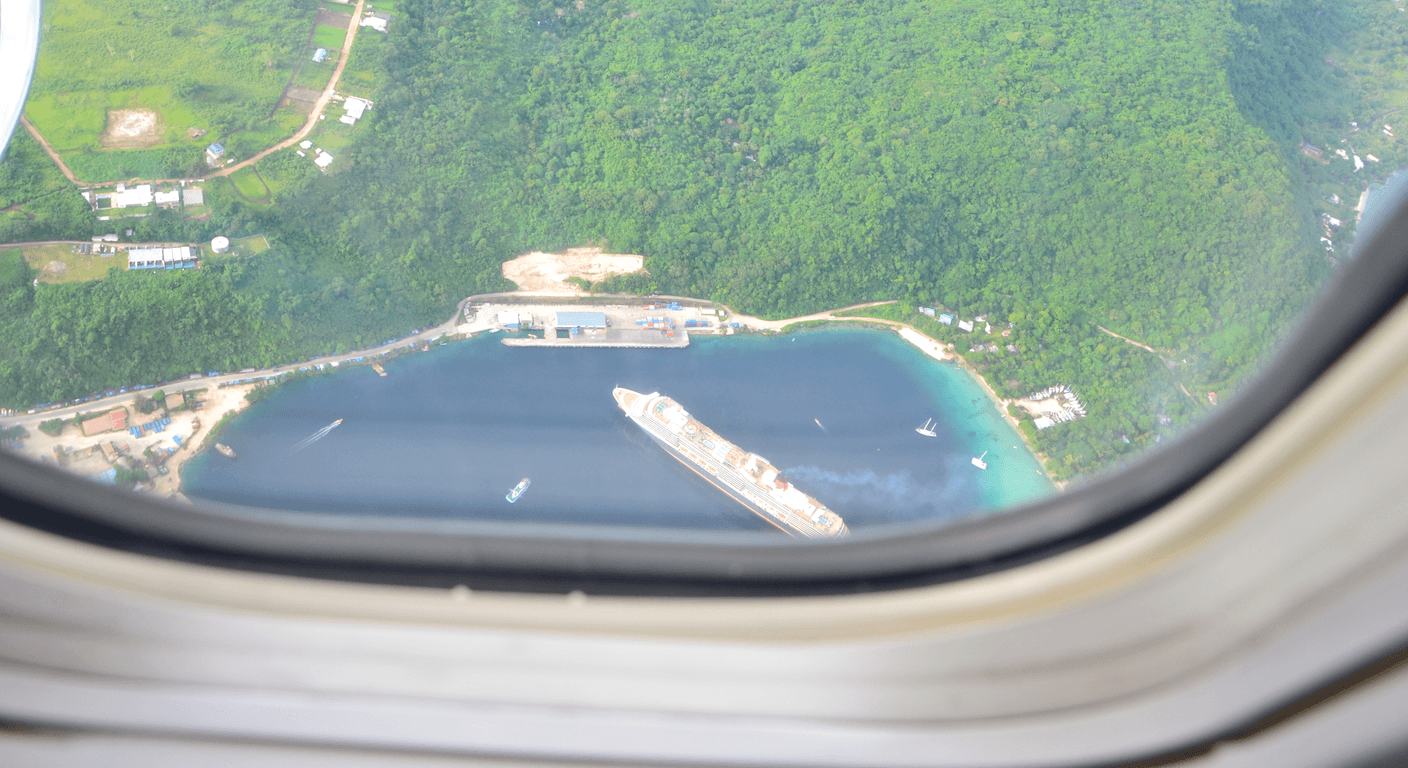
The word 'Vanuatu' on a cruise itinerary can mean several things, and that distinction matters more than most brochures let on. Port Vila, the capital on Efate Island, is a genuine port with a proper wharf — you walk off the ship and straight into a functioning town. Mystery Island, a tiny uninhabited coral cay off the southern island of Aneityum, is something else entirely: a tender stop, a beach, a handful of local vendors, and not much else. Both are worth experiencing. They're just not interchangeable.
Understanding this before you board saves the frustration of expecting a cultural afternoon and finding yourself on a sandbar, or vice versa. Check your cruise line's itinerary page carefully — not just the destination list, but the port or tender designation for each stop. If that information isn't clear, call the cruise line directly and ask. It's a straightforward question that completely changes how you plan your day.
Port Vila: What a Proper Port Day Actually Offers
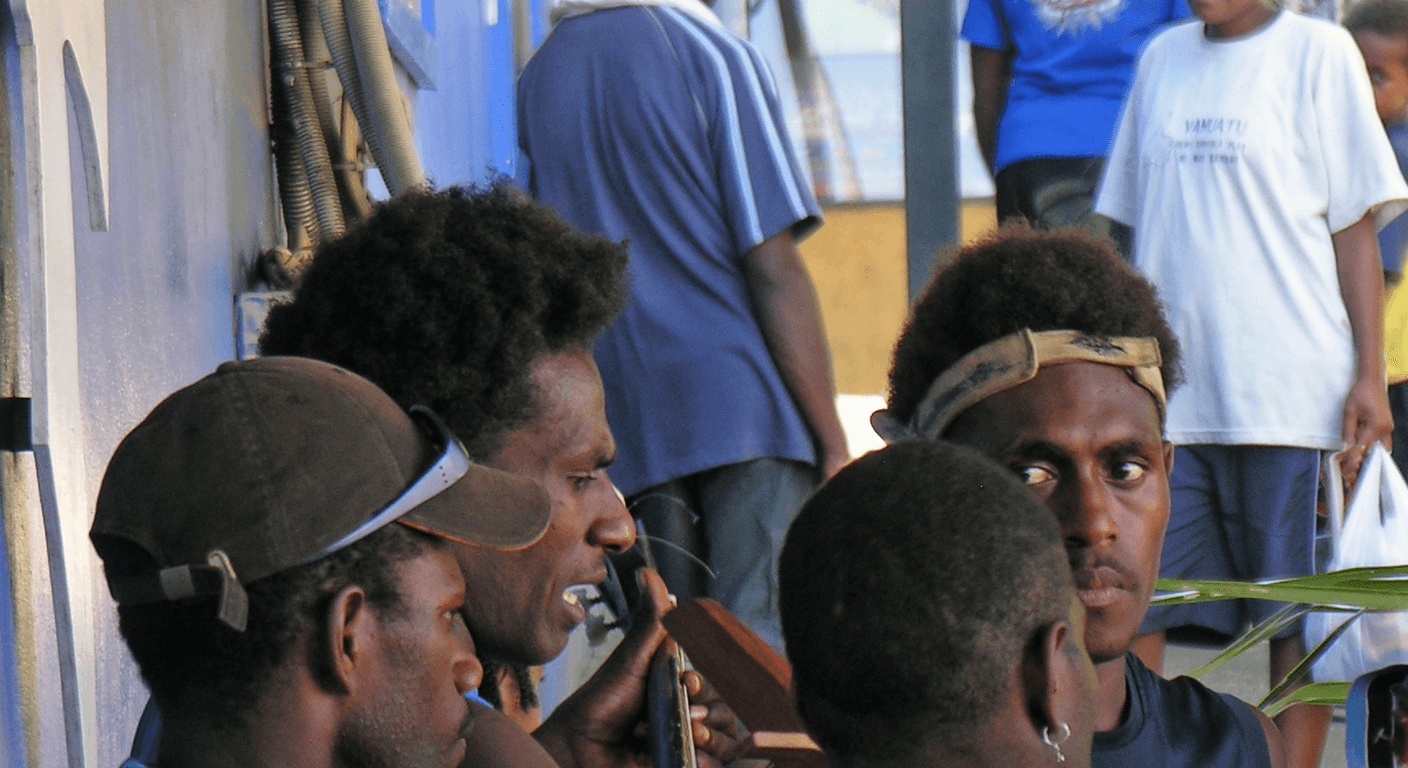
Port Vila sits on a protected harbour with a relaxed, low-rise town centre that's walkable from the wharf in under ten minutes. The main street runs along the waterfront and connects the municipal market, a cluster of cafes and restaurants, and several craft shops selling locally made goods — woven baskets, carved masks, kava products, and jewellery using shells and seeds. The market itself is the most honest place to start: it's where ni-Vanuatu women sell fresh produce and handmade textiles side by side, and the atmosphere is convivial rather than aggressively touristic.
The Vanuatu Cultural Centre on Rue Higginson is a short walk or easy taxi ride from the wharf and is genuinely worth the hour. It holds collections of traditional artefacts, ceremonial objects and photographic archives that provide real context for the islands' extraordinary cultural diversity — Vanuatu has over 100 distinct languages for a population of roughly 320,000 people. Entry fees are modest; confirm current hours and pricing via the Vanuatu Tourism Office website before your visit.
Port Vila also has reliable air-conditioning, which matters in a meaningful way. Even in the dry season, midday temperatures sit in the high 20s and the sun is intense. The ability to duck into a cafe for a cold Tusker beer or a proper lunch — several waterfront restaurants serve fresh fish and local produce at reasonable prices — is not a small thing after a few hours of wandering. For travellers with mobility considerations, the main waterfront strip is largely flat and paved, though some market areas are uneven underfoot. A walking stick or sturdy footwear is sensible.
Mystery Island: The Beach Day Reality
Mystery Island is, by most measures, visually extraordinary. The water is a clear, shallow turquoise, the sand is white and fine, and the coral gardens just offshore are accessible by snorkel without going far from the beach. It's the kind of place that photographs beautifully and delivers genuine tranquillity — provided you arrive with appropriate expectations.
There is no town, no infrastructure in the conventional sense, and very limited shade. A few local vendors set up stalls selling crafts and coconuts, and some cruise lines arrange cultural performances on the beach, but the day is essentially unstructured. If your ship offers a shore excursion here — snorkelling, a glass-bottom boat, a village visit on nearby Aneityum — those are worth booking in advance, because they provide both activity and shade at intervals. Going ashore without a plan and hoping to find a comfortable shaded spot for six hours is optimistic.
The tender process itself deserves a mention. Tenders are small open boats that ferry passengers from the ship to shore in batches — the process can take 20 to 40 minutes each way depending on sea conditions and passenger numbers. Boarding a tender requires stepping down into a moving boat, which asks something of balance and confidence. Most cruise lines offer priority tender access for passengers with mobility aids, but it's worth registering your needs with the guest services desk the evening before the stop. Those who find tender landings genuinely difficult can always choose a sea day on the ship instead — no shame in that, and the ship is considerably quieter.
Heat, Humidity and Getting the Season Right
Vanuatu sits in the tropics, roughly 1,700 kilometres east of Queensland. The wet season runs November through April and brings heavy rainfall, high humidity and the genuine possibility of cyclones — the islands were devastated by Cyclone Pam in 2015 and remain cyclone-prone. Most South Pacific cruises from Australian ports sensibly schedule Vanuatu stops during the May-to-October dry season, when conditions are considerably more comfortable: humidity drops, afternoon showers are rare, and temperatures are warm rather than oppressive.
Even in the dry season, the midday sun at this latitude is not to be underestimated. A good hat, SPF 50+ sunscreen, a light long-sleeved shirt, and a reusable water bottle are practical non-negotiables. For a beach day on Mystery Island, add water shoes if you plan to snorkel over coral. For Port Vila, comfortable walking sandals with ankle support are more useful than thongs on market-area terrain.
Travel insurance for South Pacific cruises should explicitly cover pre-existing conditions and medical evacuation — Port Vila has a hospital, but serious medical events may require evacuation to Australia or New Zealand. Confirm your policy covers cruise travel and the specific destinations on your itinerary. This is not alarmist; it's the same due diligence any experienced traveller applies to any destination.
Getting There: Australian Homeports and the Sailing Reality
The practical beauty of Vanuatu as a cruise destination for Australians is that you don't fly there. South Pacific cruises depart from Sydney, Brisbane and occasionally Melbourne, with most sailings running 10 to 14 nights and calling at two or three Vanuatu stops alongside New Caledonia or Fiji. Carnival Cruise Line (which absorbed the former P&O Australia brand), Royal Caribbean and Princess Cruises all operate these itineraries from Australian homeports — check each line's Australian site for current 2025–2026 sailings.
Departing from your home city or one short domestic flight away removes the jet lag equation entirely, which is one of the genuine advantages of South Pacific cruising for travellers over 50. You board, unpack once, and the ship does the rest. The crossing to Vanuatu from Sydney takes roughly two days at sea — long enough to properly settle in, find your sea legs, and decide whether the specialty restaurant is worth the surcharge. (It usually isn't, but the buffet breakfast on the open deck as you approach a tropical island is consistently underrated.)
Confirming Your Itinerary: The One Thing You Must Do Before Booking
Cruise itineraries to the South Pacific are not standardised. Two sailings described as 'Vanuatu cruises' by the same cruise line can visit entirely different islands depending on the departure date, ship and duration. One itinerary might include Port Vila and Lifou (in New Caledonia). Another might include Mystery Island and the island of Espiritu Santo in the north. Some include all of the above; others call at Vanuatu only once.
Before booking, download or request the detailed day-by-day itinerary — not just the destination highlights page — and check which stops are port calls versus tender landings. If you have specific mobility considerations or strong preferences (cultural immersion over beach days, or vice versa), this research pays for itself. The Vanuatu Tourism Office website is a useful reference for understanding what each island actually offers, and most cruise line websites now specify tender versus dock for each port.
It's also worth asking whether your cruise line offers pre-bookable shore excursions for each Vanuatu stop, and what the cancellation policy is if weather or sea conditions prevent a tender landing. Mystery Island in particular can be skipped if conditions are unsuitable — it happens, and a sea day is the outcome. Knowing this in advance means it's a pleasant surprise when you do land, rather than a disappointment when you don't.
Practical Notes for the Day Ashore
In Port Vila, the local currency is the Vanuatu vatu, but Australian dollars are widely accepted in tourist-facing shops and restaurants near the wharf. Credit cards are accepted in larger establishments; smaller market stalls and vendors operate on cash. Bring a mix. ATMs exist in Port Vila town centre, but drawing cash on board before disembarking is simpler.
Taxis in Port Vila are plentiful and inexpensive by Australian standards — a short ride across town is indicative of a few hundred vatu (confirm current rates). Agree on the fare before you get in. If you'd prefer a structured day, your cruise line's shore excursion program will offer guided cultural tours, kava ceremony experiences, and snorkelling trips. These cost more than going independently but remove the logistics entirely, which on a port day of six to eight hours is sometimes the right trade-off.
On Mystery Island, bring everything you need from the ship: water, snacks, sunscreen, hat, any medication you take during the day. The vendor stalls sell coconuts and basic crafts, but this is not a place to source lunch or a cold drink reliably. The ship's departure time is fixed — tenders stop running at a set hour, so keep track. Missing the last tender is one of those things that happens rarely but is absolutely worth not being the story you tell afterwards.
Quick planning guide
| Ideal pace | Relaxed, one destination per port day |
|---|---|
| Best months | May to October (dry season, lower humidity, no cyclone risk) |
| Suggested stay | Half-day ashore in Port Vila; a full beach day at Mystery Island, within a 10-14 night South Pacific cruise |
| Mobility level | Moderate — Port Vila's waterfront is mostly flat and paved, but market areas are uneven and Mystery Island tenders require stepping down into a moving boat |
| Cost level | Budget-friendly independently (inexpensive taxis, cash-friendly markets); moderate for pre-booked shore excursions |
| Comfort level | Warm and humid with strong midday sun; Port Vila offers air-conditioned relief, Mystery Island has little shade |
| Best for | Cruisers wanting both a cultural port day and a beach relaxation day without a long-haul flight |
| Main planning consideration | Confirm whether each Vanuatu stop is a proper port call (like Port Vila) or a tender-only landing (like Mystery Island) before booking |
Key takeaways
- Port Vila is a walkable port town with markets, a cultural centre and air-conditioned cafes — a genuine half-day of cultural exploration.
- Mystery Island is a tender-only, uninhabited beach stop with minimal shade and no town infrastructure; plan accordingly.
- The dry season (May to October) is the right time to cruise to Vanuatu — lower humidity and no cyclone risk.
- Most South Pacific cruises depart from Sydney or Brisbane, so there's no long-haul flight and no jet lag to manage.
- Always download the day-by-day itinerary and confirm which stops are port calls versus tender landings before booking.
- Travel insurance covering pre-existing conditions and medical evacuation is essential for any South Pacific cruise.
Recommended partners and links
Indicative prices only — always confirm with the operator before booking.
Frequently asked questions
Is Port Vila suitable for travellers over 50 with limited mobility?
Yes, Port Vila is largely accessible for travellers with moderate mobility. The waterfront strip from the wharf to the main market area is flat and paved, with taxis readily available for longer distances. The Vanuatu Cultural Centre involves some walking but is manageable at a relaxed pace. Uneven surfaces exist in the market areas, so sturdy footwear is advisable. Travellers using wheelchairs or mobility aids should confirm gangway and shore accessibility with their cruise line before sailing.
What is a tender landing and is it difficult for older travellers?
A tender landing means passengers travel from the ship to shore on small open boats, because the island has no dock. Boarding a tender requires stepping down into a moving vessel, which demands reasonable balance and confidence. Most cruise lines offer priority tender boarding for passengers with mobility aids — register your needs with guest services the evening before. If a tender landing feels too physically challenging, staying on the ship is always a valid option; the ship is notably quieter and more comfortable on those days.
What is the best time of year to cruise to Vanuatu?
May to October is the best time to cruise to Vanuatu. This is the dry season, with lower humidity, minimal rainfall and no cyclone risk. Temperatures remain warm — typically mid to high 20s Celsius — but the conditions are far more comfortable than the wet season (November to April), which brings heavy rain, high humidity and the possibility of tropical cyclones.
How do I know if my cruise itinerary includes Port Vila or only smaller island stops?
Request or download the full day-by-day itinerary from your cruise line — not just the destination highlights page. This will list each stop by island name and indicate whether it is a dock (port) call or a tender landing. If the information is not clear online, call the cruise line directly and ask. Itineraries vary significantly between sailings, even on the same route.
Do I need travel insurance for a South Pacific cruise from Australia?
Yes. Travel insurance for a South Pacific cruise should explicitly cover pre-existing medical conditions, medical evacuation (which can be very costly from remote Pacific islands), and cruise-specific cancellations. Medicare does not cover medical treatment overseas. Compare policies carefully and read the fine print on pre-existing condition definitions. The Insurance Council of Australia's website (insurancecouncil.com.au) has guidance on what to look for.