Western Australia's lesser-known wildflower trails — Coalseam Conservation Park, the Mullewa back roads, Pindar and Tardun reserves — peak between mid-August and late October, with September typically the sweet spot. A 5–7 day self-drive from Perth suits most travellers, though Geraldton works as a regional base. Walks are mostly short and flat (1–3 km loops), rating Moderate for unsealed road access and heat management. Check Wildflower Society of WA bloom reports before committing to dates — flowering shifts by 2–3 weeks year to year.
Why bother going beyond Kings Park?
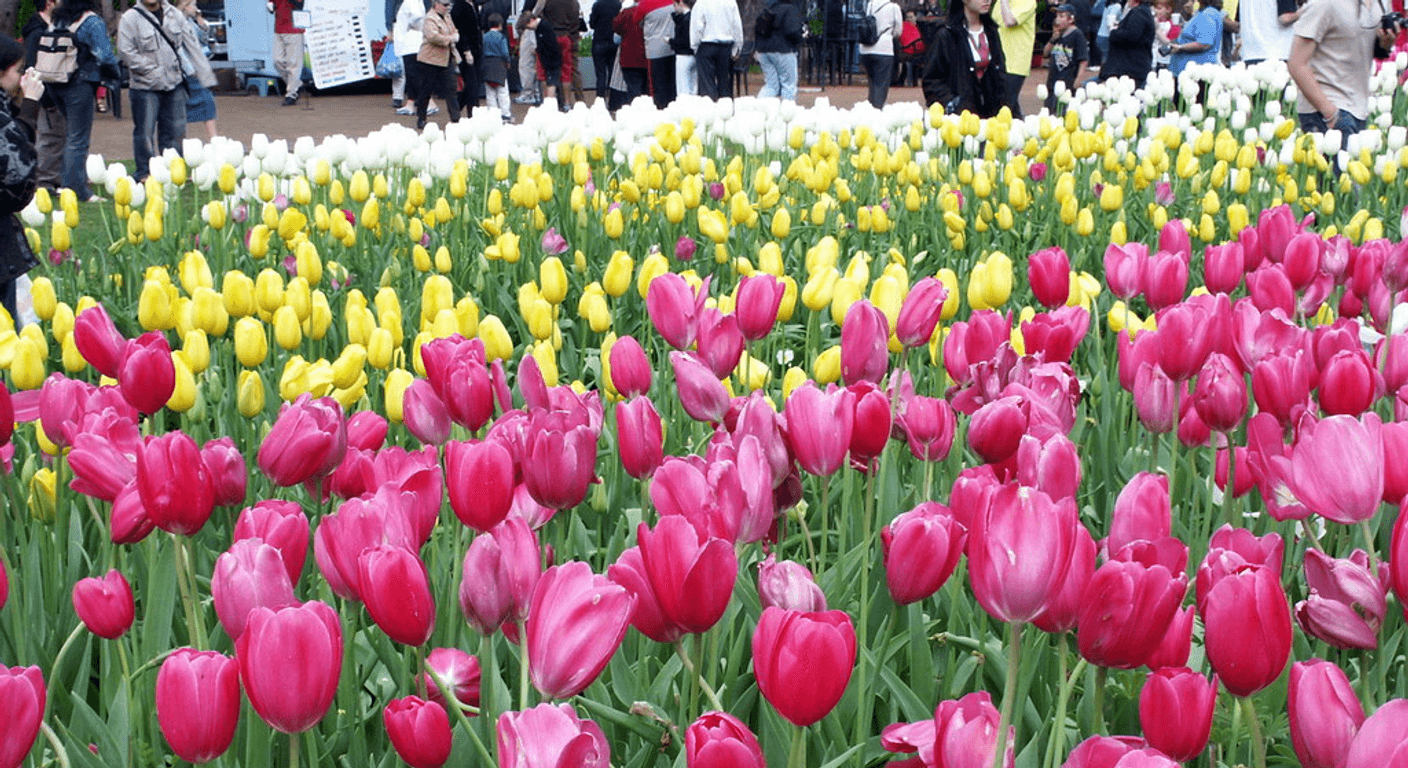
Kings Park is genuinely lovely in spring, and it's right there in Perth. But it's also genuinely crowded. On a warm September Saturday the car parks fill by 9am, the paths are narrow enough to feel like a school excursion, and the experience — however pretty — is more urban park than wild country. The wildflowers that make WA famous are out there, inland, doing their thing on roadsides and in reserves across millions of hectares. You just have to drive to them.
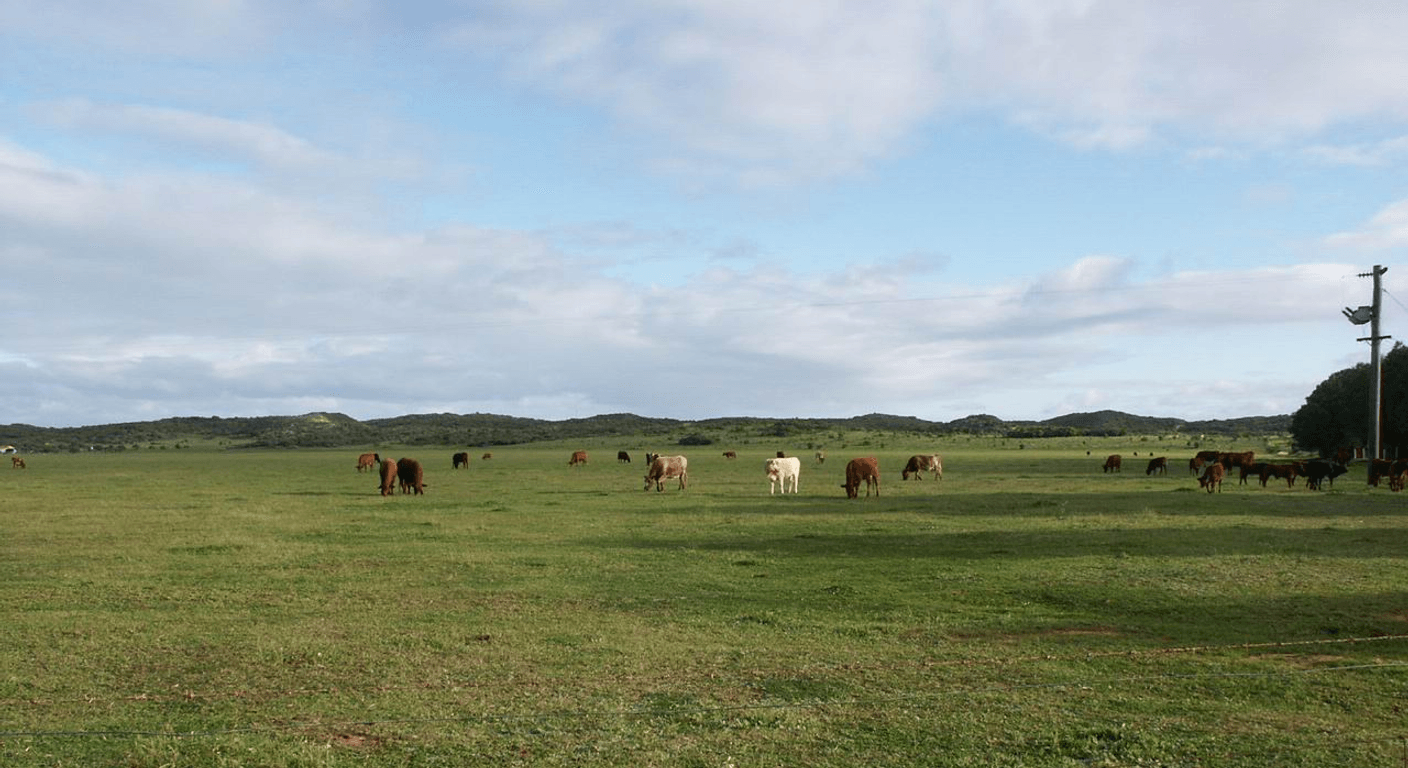
The inland trails north of Perth — roughly the Midlands and Midwest regions — reward the effort with something fundamentally different: open sky, red gravel shoulders thick with pink and white everlastings, the odd wedge-tail eagle overhead, and almost no one else doing it at your pace. It's not inaccessible country. It's just country that requires a car, a cooler bag and a little advance reading.
For a group of friends travelling together, this kind of trip has real advantages. You share driving. You can pull over whenever someone spots a patch worth photographing. There's no schedule to keep, no guide to follow, and the lunch spot is wherever the view is best. That's the kind of travel that suits people who've already done the packaged tour and know what they actually like.
Coalseam Conservation Park: the easiest introduction to inland wildflowers
Coalseam Conservation Park sits about 350 km north of Perth, roughly a 3.5-hour drive via the Brand Highway through Dongara, then inland near Mingenew. The park itself is compact — around 700 hectares — and in a good year the everlastings here are extraordinary. Pink and white paper daisies cover the valley floors in quantities that don't photograph well because the scale is too large. You have to stand in it.
The main loop walk is around 2 km on a well-defined track with modest elevation change. It follows the Irwin River gorge, which adds a geological interest beyond the flowers — exposed coal seams in the riverbank, ancient and incongruous. There's a day-use picnic area with basic toilets at the car park. No shade to speak of on the walk itself, so morning starts matter here. By 11am in late September the temperature can push 32 degrees on an exposed slope. Start at 8am, finish by 10:30, have morning tea at the picnic table, and you've done it comfortably.
The access road into the park is sealed most of the way and manageable in a conventional 2WD, though the final few kilometres are gravel. Nothing dramatic, but worth knowing if your group is driving a low-clearance hire car. Confirm current road conditions with the Shire of Mingenew or DBCA before travelling — winter rains can leave washouts that take weeks to grade.
The Mullewa back roads: for those who want the real thing
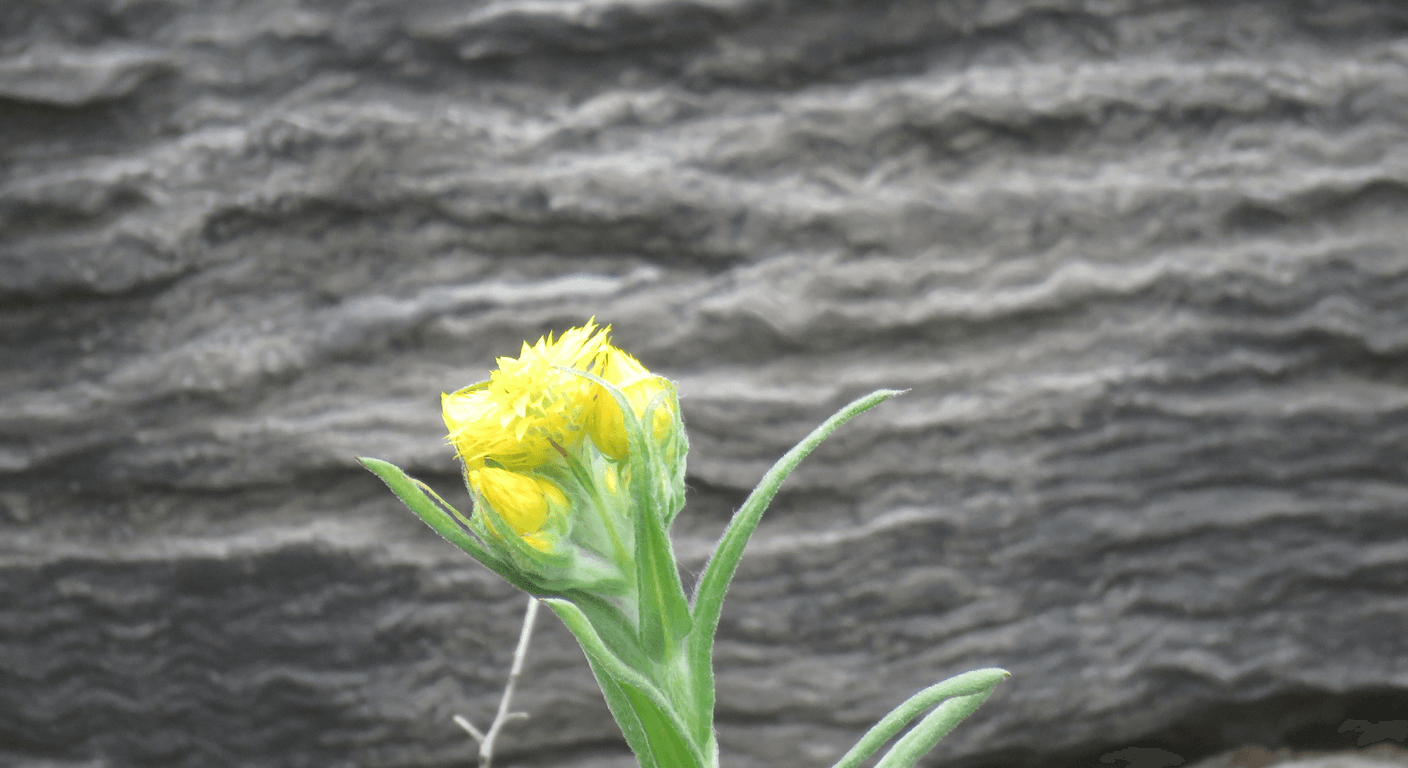
Mullewa is a small wheat-belt town about 100 km east of Geraldton, and in wildflower season it becomes something of an unlikely pilgrimage site. The roads radiating out of Mullewa — particularly the Pindar Road and the Tardun–Mullewa corridor — pass through stretches of native vegetation that, in a strong year, are almost hallucinatory. Murchison daisy bushes, wreath leschenaultia (that extraordinary ring of blue), Sturt's desert pea, Grevillea species in oranges and yellows. It's the kind of roadsides that make you pull over every five minutes.
Most of this is done from the car or with very short walks onto the verge. That's not a compromise — it's how you see it. The flowers grow right to the edge of the gravel, and you don't need to walk 10 km to find them. A loop taking in the Pindar Road north from Mullewa, across to Tardun and back via the North West Coastal Highway covers perhaps 160 km of sealed and well-maintained gravel road and takes a full day at a relaxed pace. Geraldton as a base makes sense — it's around 100 km west and has proper accommodation, a hospital, good supermarkets and decent coffee.
The unsealed sections around Pindar and Tardun are generally graded but can be corrugated after heavy traffic. A 2WD high-clearance vehicle — a standard SUV — handles them fine in dry conditions. A low-slung sedan is not ideal. If your group is hiring a vehicle in Perth, specify an SUV or light 4WD when booking; the cost difference is modest against the flexibility it gives you. And yes, check tyre condition before you leave — a spare wheel and a working jack are not optional in this country.
What does a wildflower day actually look like? Hour by hour
Based on a Geraldton base, a Mullewa day runs roughly like this. Leave Geraldton around 7:30am — the light is better for photography and you beat the heat. It's around 100 km to Mullewa on the Brand Highway, which takes about an hour. Stop in Mullewa briefly for fuel and to use the public toilets near the main street (there's a small visitor display at the Mullewa Visitor Centre on Jose Street — worth a 10-minute look, and the staff usually have current bloom reports). Back on the road by 9:15am.
Take the Pindar Road north from Mullewa. The first serious wildflower sections typically appear within 10–15 km. Plan for three or four pull-over stops in the first hour — this is not lost time, it's the point. By 11am you're well into the Pindar corridor. There's a small reserve on the left side of the road roughly 60 km from Mullewa (check DBCA maps for current signage) with a cleared area where you can park and walk 400–500 metres into the scrub. No facilities. Bring your own water and snacks. This stop is genuinely skippable if the roadside flowering is already spectacular — and it often is. Stay on the verge and save your legs.
Turn around or loop via Tardun by 12:30pm and find a shaded spot — limited, but the road verges sometimes have a lone salmon gum or two — for lunch. Aim to be back in Geraldton by 3:30–4pm, which gets you ahead of the afternoon heat and gives you time to rest before dinner. The day covers 200–220 km total. It's a long drive for a day trip, but the pace is entirely self-determined — no bus schedule, no group to keep up with. That matters.
Heat, shade and the things the brochures don't mention
Spring in the WA Midwest is not spring in regional Victoria. By mid-September, Geraldton is regularly hitting 28–33 degrees, and inland it can be several degrees warmer. There's very little shade in most wildflower reserves — the vegetation is low scrub, not forest. UV in this part of the world in September is extreme by any standard. Long sleeves, a wide-brim hat, SPF 50+ sunscreen and sunglasses are not suggestions. They're the difference between a good day and a miserable one.
Carry more water than you think you'll need. A litre per person per hour is a reasonable baseline for light activity in this heat, and you won't always find a tap. Facilities at inland reserves range from 'basic pit toilet' to 'none at all'. The Coalseam picnic area has toilets and a tap; Pindar Road does not. Plan accordingly — and be honest with yourself and your travel companions about bathroom logistics before you commit to a 60 km stretch of unsealed road.
There's also the matter of mobile phone coverage, which is patchy to non-existent once you leave the main highways. Download offline maps (maps.me or Google Maps offline works adequately) before leaving Geraldton. A personal locator beacon — a PLB — is worth considering for any group driving unsealed roads in remote WA. They're available to hire from some outdoor retailers in Geraldton, or you can register a hired one through AMSA. It's not melodrama; it's the same logic as wearing a seatbelt.
Bloom timing: the one thing you cannot plan around entirely
This is the honest part. Wildflower season in WA is not a fixed event. It depends on winter rainfall totals, timing of that rain, spring temperatures, and factors that no one can fully predict in advance. In a poor rainfall year, the inland reserves can be underwhelming — sparse flowers, brown verges, the kind of landscape that makes you wonder what the fuss was about. In a strong year, the same roads are almost unbelievable. The difference is real and significant.
The Wildflower Society of WA publishes regular bloom reports from August onwards, updated weekly during peak season. These are the most reliable current-season guides available and are free to read on their website. The DBCA also maintains a wildflower page with regional updates. Check both in the two weeks before you travel, not when you book. The booking — accommodation in Geraldton, hire car — can be made months ahead. The specific routing decisions should be made based on where the flowers actually are when you get there.
Tourism Western Australia's wildflower page aggregates some of this information, though it's worth going directly to the Society and DBCA reports for the most granular detail. Local knowledge is also underrated — the Geraldton Visitor Centre (confirmed at australiasmidwest.com.au) typically has up-to-date regional reports during season, and the staff genuinely know which roads are performing.
Practical matters: getting there, getting around, and what it costs
Perth is the obvious entry point. Qantas, Virgin Australia and Rex all fly from Melbourne, Sydney and Brisbane; flight times from Melbourne are around 3.5 hours direct. From Adelaide it's around 2.5 hours. Perth to Geraldton is then around 4.5 hours by car (roughly 420 km via the Brand Highway) or accessible by Integrity Coach Lines, which runs regular services — confirm current timetables and fares at integritycoachlines.com.au. If you're flying into Perth and driving north, allow a recovery night in Perth before the long drive — jet lag from the east coast is minimal, but the drive itself deserves fresh legs.
Accommodation in Geraldton runs from around $130–$200 a night for a motel or serviced apartment — Comfort Inn, ibis Styles and several independent motels are the main options. Self-contained caravan parks sit around $40–$60 a night for a powered site. A friends group of four sharing two rooms makes the economics very comfortable. Confirm current rates directly with properties; Geraldton fills up on weekends during wildflower season, so mid-week stays are easier to secure and sometimes cheaper.
If you hold a WA Seniors Card or a Commonwealth Seniors Health Card, check whether the Geraldton Visitor Centre or any participating attractions offer concessions — regional visitor centres in WA often have locally negotiated deals that aren't advertised online. And check your travel insurance policy carefully if any member of your group has pre-existing conditions; WA's regional healthcare is reasonable in Geraldton (Geraldton Regional Hospital is a full public hospital) but becomes very limited once you're on inland back roads. Good travel insurance with medical evacuation cover is worth the premium.
A solo traveller's perspective and a group's perspective
Solo traveller's perspective: this trip is entirely doable alone, and some people find the self-directed pace of a wildflower drive genuinely restorative — stopping when you want, staying as long as you like, turning around on a whim. The practical caution is the unsealed road and remote driving element. A solo driver on an unsealed road in inland WA without phone coverage should carry a PLB without negotiation. Staying in Geraldton rather than pushing into more remote accommodation also keeps solo travellers closer to services. The single supplement question doesn't apply to self-drive accommodation choices, but solo hire car costs are the full rate — budget accordingly, roughly $80–$120 a day for a suitable SUV, indicative only.
A group's perspective: four friends sharing a hire car and splitting two motel rooms is probably the optimal configuration for this trip. Shared driving reduces fatigue. Multiple sets of eyes spot roadside flowers that a solo driver might miss while watching the road. And the social dimension — the lunch stops, the debates about which fork to take, the photographs of each other standing in a field of paper daisies — is a genuine part of the value. The trip doesn't require any particular fitness level beyond the ability to walk a flat 2 km comfortably; it's more about temperament than stamina.
Quick planning guide
| Ideal pace | Unhurried self-drive, no more than 2–3 hours behind the wheel per day; build in afternoon rest stops |
|---|---|
| Best months | Mid-August to late October; September is the statistical peak for most inland regions |
| Suggested stay | 5–7 nights based in Geraldton or Mullewa, with day drives to individual reserves |
| Mobility level | Moderate — short flat loop walks (1–3 km), but unsealed roads require a confident driver and a suitable vehicle |
| Cost level | Around $130–$200/night for motel or serviced apartment in Geraldton; self-contained caravan parks from roughly $40–$60/night |
| Comfort level | Comfortable with planning — facilities are sparse in reserves, so carry lunch, water and a folding chair |
| Best for | Independent travellers and friends groups who enjoy open country, wildflower photography and slow regional drives without large crowds |
| Main planning consideration | Bloom timing is unpredictable — always check the WA Department of Biodiversity, Conservation and Attractions wildflower reports in the week before you travel, not months ahead |
Key takeaways
- Coalseam Conservation Park (350 km north of Perth) offers a sealed-road approach, a flat 2 km loop and basic facilities — the most accessible inland wildflower site for first-timers.
- The Mullewa–Pindar–Tardun loop covers around 200 km of sealed and well-maintained gravel road and delivers roadside wildflowers without long walks — a full, unhurried day from a Geraldton base.
- Bloom timing shifts by 2–3 weeks year to year; check Wildflower Society of WA reports in the fortnight before you travel, not at booking time.
- September heat in the WA Midwest regularly exceeds 30 degrees with minimal shade — start drives by 7:30am, carry at least one litre of water per person per hour, and wear SPF 50+ and a wide-brim hat.
- A 2WD high-clearance SUV handles the main wildflower back roads in dry conditions; a PLB is strongly recommended for any group driving unsealed roads without mobile coverage.
- Geraldton (roughly $130–$200/night for a motel room) is the practical base: it has a full hospital, good supermarkets, fuel and direct coach connections to Perth via Integrity Coach Lines.
Recommended partners and links
Indicative prices only — always confirm with the operator before booking.
Frequently asked questions
When is the best time to see wildflowers in inland Western Australia?
Mid-August to late October is the general wildflower window for inland WA, with September the statistical peak for most Midwest and Midlands reserves including Coalseam Conservation Park and the Mullewa district. Flowering shifts by 2–3 weeks depending on winter rainfall, so check the Wildflower Society of WA bloom reports in the fortnight before you travel.
Do I need a 4WD to drive the Mullewa wildflower back roads?
A 4WD is not required for the main wildflower routes around Mullewa, Pindar and Tardun in dry conditions, but a 2WD high-clearance vehicle — a standard SUV — is strongly recommended over a low-slung sedan. Confirm current road conditions with the Shire of Mullewa or the WA Department of Biodiversity, Conservation and Attractions before travelling, as winter rains can leave unsealed sections corrugated or washed out.
Are there toilets and facilities at WA's inland wildflower reserves?
Facilities vary significantly. Coalseam Conservation Park has a day-use picnic area with basic pit toilets and a water tap. The Mullewa–Pindar Road corridor has no facilities at roadside pull-overs. Mullewa town has public toilets near the main street. Carry your own water, snacks and any personal supplies you'll need for a full day — do not rely on finding facilities once you leave town.
How far is Coalseam Conservation Park from Perth and from Geraldton?
Coalseam Conservation Park is approximately 350 km north of Perth (around 3.5 hours via the Brand Highway through Dongara and inland near Mingenew) and roughly 150 km south-east of Geraldton (around 1.5–2 hours). It can be reached as a long day trip from Perth or a comfortable day trip from a Geraldton base.
Is the WA wildflower self-drive suitable for older travellers with limited mobility?
Yes, with appropriate planning. Most of the wildflower experience happens from the car or on short, flat verge walks of 500 metres to 2 km. The Coalseam Conservation Park loop (around 2 km) is the main structured walk and has modest elevation. Heat management is the primary physical challenge — morning starts, water, sun protection and avoiding midday exposure make the difference between a comfortable day and an exhausting one.
- WA Department of Biodiversity, Conservation and Attractions — Wildflowers
- Wildflower Society of Western Australia — Bloom Reports
- Tourism Western Australia — Wildflowers
- Australia's Midwest Tourism — Geraldton and Region
- Integrity Coach Lines — Perth to Geraldton Services
- Australian Maritime Safety Authority — Personal Locator Beacons