Wagga Wagga's Botanic Gardens and Museum of the Riverina, at the base of Willans Hill, suit a relaxed three-to-four-hour visit best tackled September to November or March to May, arriving by nine to beat the midday heat. The highlight is the pairing of flat, shaded garden paths with a native animal enclosure and a redeveloped museum covering Wiradyuri, river and agricultural history. Mobility is easy, with sealed paths and on-site parking. From Melbourne it's a five-hour drive via the Hume Highway or a five-to-six-hour NSW TrainLink train, with Rex flights also linking from Sydney.
Why Wagga Wagga rewards the unhurried traveller
Wagga Wagga sits roughly halfway between Melbourne and Sydney on the Hume Highway — a fact most drivers acknowledge only as a fuel stop. That's their loss. The city has a genuine cultural weight to it, shaped by the Murrumbidgee River, a strong agricultural identity and a Wiradyuri heritage that goes far deeper than any roadside sign suggests. For a couple driving up from Victoria, it earns an overnight stay rather than a windscreen glimpse.
The botanic gardens and museum precinct on Willans Hill is the kind of place that takes perhaps three or four hours and leaves you feeling you've actually been somewhere. No queues, no admission booths, no crowds jostling for the same view. Just good paths, decent shade and a thoughtful collection of stories told well. That's not nothing — that's quite a lot, actually.
What are the Wagga Wagga Botanic Gardens like for older visitors?
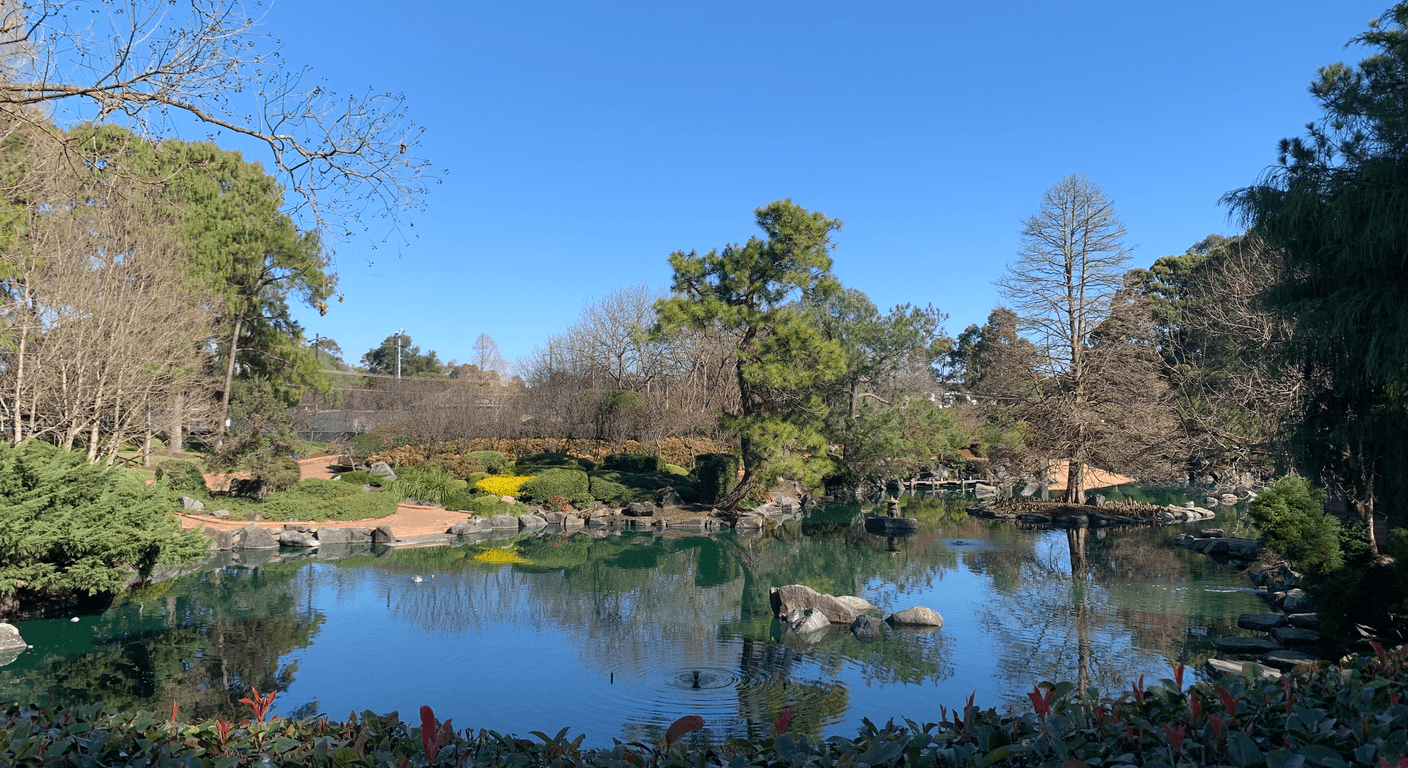
The gardens spread across the lower slopes of Willans Hill in a layout that's kinder to older legs than the name 'hill' implies. The main areas are flat or gently graded, with sealed and compacted paths that handle a walking stick or a slow pace without drama. Seating is positioned regularly along the routes — useful if one of you wants to linger over a rosebush while the other takes the weight off for a moment.
The small zoo enclosure is a genuine pleasure and not something you'd necessarily expect at a free municipal garden. It houses native animals — wallabies, emus, various bird species — in a compact area that doesn't require a long walk to see properly. Children visiting with grandparents tend to find it captivating, but it holds its own for adults who simply enjoy watching a wallaby go about its day with complete indifference to the audience.
Shade is well distributed through the older, established sections of the gardens, which matters enormously on a warm Riverina morning. The advice is to arrive by nine or half-past and take your time through to midday before the temperature makes the idea of lunch somewhere air-conditioned increasingly persuasive. On-site parking is available directly at the gardens, which removes any need to walk from a distant street.
What does the Museum of the Riverina cover, and is it worth the time?
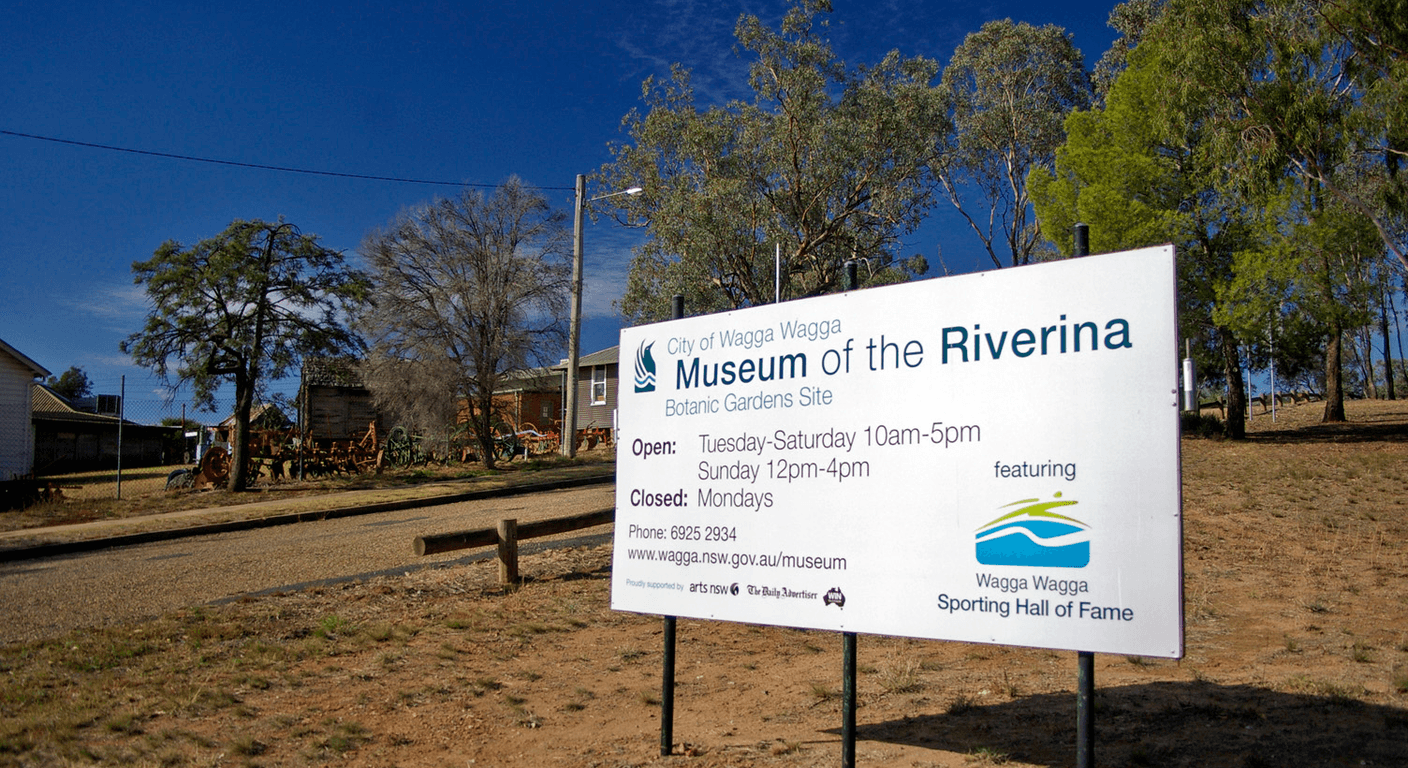
The Museum of the Riverina sits within the botanic gardens precinct and, after a considered redevelopment, now presents the region's history in a way that doesn't feel like a dusty afterthought. The Wiradyuri story is central — not a sidebar. The museum engages with the deep cultural and spiritual connection the Wiradyuri people have to Country, the Murrumbidgee and the land that became the Riverina, and does so with enough care that it doesn't feel cursory.
The river and agricultural galleries cover the working history of the region — the wool industry, the irrigation schemes, the towns that grew up around the river trade. For someone with a connection to rural Australia, or simply an interest in how inland New South Wales was shaped by water and seasonal labour, there's genuine substance here. The displays are well-lit and the text panels are readable without needing to lean uncomfortably close — a small but appreciated detail.
Entry to the museum has been free, though it's worth confirming current arrangements directly with the museum before your visit, as these things occasionally change with funding cycles. The staff are knowledgeable and happy to talk through the collection if you're interested in more context. Allow at least 90 minutes inside to do it properly.
Getting to Wagga Wagga from Victoria — what's the realistic picture?
From Melbourne, Wagga Wagga is roughly 460 kilometres via the Hume Highway, turning off at Holbrook or Tarcutta — typically a five-to-five-and-a-half-hour drive depending on stops. For couples who prefer not to arrive fatigued, the smarter move is to break the journey the night before, staying in Albury-Wodonga or Holbrook, and arriving in Wagga fresh the following morning.
NSW TrainLink operates a train service from Southern Cross Station in Melbourne to Wagga Wagga, with journey times of around five to six hours (confirm current timetables and any coach connections at nswtrainlink.info or 13 22 32). The station is a taxi or rideshare trip from the botanic gardens. For those who'd rather not drive the whole way, the train is a comfortable option — book ahead for a reserved seat.
Wagga Wagga also has a regional airport with flights from Sydney operated by Rex Airlines, which may suit travellers combining a Riverina visit with time in New South Wales more broadly. Confirm current routes and schedules directly with Rex or your preferred booking platform, as regional airline schedules shift.
How to pace your morning across both the gardens and the museum
The natural sequence is gardens first, museum second — arriving at the gardens around nine, walking the main paths and the zoo enclosure over 60 to 90 minutes, then moving into the museum as the morning warms up. The museum's indoor environment becomes a welcome retreat by mid-morning in summer or the shoulder seasons. In winter, reverse the logic: let the museum warm you first, then walk the gardens in the midday sun.
There's no need to rush either site to fit both into a single morning. The gardens don't demand a complete circuit — pick the sections that interest you and double back without guilt. The museum can be done lightly or thoroughly depending on your appetite. A couple who reads every panel and chats with the staff might spend two hours inside; someone doing a confident walk-through might take 45 minutes. Both are legitimate.
Lunch in Wagga Wagga is easily sorted on Baylis Street or Fitzmaurice Street in the CBD, a short drive from the precinct. The city has a solid café and restaurant scene — ask at your accommodation for current recommendations, since these things turn over. Returning to the gardens for a late-afternoon walk if you're staying overnight is also worth considering; the light on Willans Hill in the late afternoon is very good.
Accessibility and comfort — the honest picture
The Wagga Wagga Botanic Gardens are among the more accessible public green spaces in regional New South Wales. The main paths are flat and sealed or well-compacted, with no significant gradient in the primary walking areas. Anyone using a walking frame, a cane or a mobility scooter should find the central sections manageable; the edges of the gardens near the hill itself are less predictable, so staying on marked paths is sensible.
The Museum of the Riverina is an accessible building with level entry, and the gallery spaces are arranged to allow comfortable movement with mobility aids. If you have specific accessibility requirements — a wheelchair, hearing loop needs or similar — it's worth calling ahead to confirm current facilities. The museum staff have generally been responsive to these enquiries.
Public toilets are available within the gardens precinct. The on-site parking removes what is often the most tiring part of any outing for older travellers: the walk from a distant carpark. For those who manage heat sensitivity, the combination of early arrival, garden shade and the museum's indoor environment means this is a visit that can be structured to stay comfortable throughout.
A note on the broader Wagga Wagga precinct
The botanic gardens sit alongside Willans Hill Arboretum, which can be explored on another visit or as an extension for those with the energy and inclination. The arboretum involves more elevation and less formal path infrastructure, so it's better suited to a separate, more active outing rather than tacked on after a morning in the gardens and museum.
Wagga Wagga's wider cultural offerings — the Wagga Wagga Art Gallery, the Regional Conservatorium and the riverside walks along the Murrumbidgee — make it a city that rewards two nights rather than one. For a Victorian couple using it as a Riverina base, it punches well above its population. The Greek community in Wagga Wagga, as in much of regional New South Wales, has deep roots — there's a familiarity to the place for Greek Australians that goes beyond the tourist brochure.
Quick planning guide
| Ideal pace | Slow and unhurried |
|---|---|
| Best months | September to November and March to May, with an early arrival |
| Suggested stay | Three to four hours for the gardens and museum; two nights if exploring wider Wagga Wagga |
| Mobility level | Easy - flat, sealed or compacted paths and a level-entry, accessible museum |
| Cost level | Free entry to both sites, though museum arrangements are worth confirming ahead |
| Comfort level | High - regular seating, good shade, on-site parking and an indoor museum retreat from the heat |
| Best for | Older couples, Wiradyuri and regional history enthusiasts, and Victorians road-tripping the Hume Highway |
| Main planning consideration | Arrive early to stay ahead of the midday heat, and confirm current museum entry, train timetables or flight schedules before travelling |
Key takeaways
- The Wagga Wagga Botanic Gardens offer flat, shaded, accessible paths and a small native animal zoo enclosure — all at no cost.
- The Museum of the Riverina presents Wiradyuri, river and agricultural history in a redeveloped, well-lit space; entry has been free, but confirm current arrangements before visiting.
- Allow three to four unhurried hours to cover both sites comfortably without feeling rushed.
- On-site parking at the gardens removes the need for a long walk from the street — a practical advantage for older visitors.
- September to November and March to May are the most comfortable months for a Riverina visit; arrive early to stay ahead of the midday heat.
- From Melbourne, Wagga Wagga is a five-hour drive or a five-to-six-hour train journey — breaking the trip overnight in Albury-Wodonga makes for a far more comfortable arrival.
Recommended partners and links
Indicative prices only — always confirm with the operator before booking.
Frequently asked questions
Is entry to the Wagga Wagga Botanic Gardens free?
Yes, entry to the Wagga Wagga Botanic Gardens is free, including the small native animal zoo enclosure. No booking is required. Confirm current arrangements via the City of Wagga Wagga website at wagga.nsw.gov.au.
Is entry to the Museum of the Riverina free?
Entry to the Museum of the Riverina has been free. It's worth confirming current arrangements directly with the museum before your visit, as this can change with funding arrangements. Visit museumoftheriverina.com.au or call ahead.
Are the Wagga Wagga Botanic Gardens suitable for visitors with limited mobility?
The main areas of the Wagga Wagga Botanic Gardens are flat and well-suited to visitors using walking aids or mobility scooters. The central paths are sealed or compacted, with regular seating. The edges near Willans Hill itself are less accessible, so sticking to the main marked paths is advisable.
How long should you spend at the botanic gardens and museum together?
A comfortable, unhurried visit to both the Wagga Wagga Botanic Gardens and the Museum of the Riverina takes around three to four hours. The gardens suit 60 to 90 minutes; the museum, depending on your interest level, takes between 45 minutes and two hours.
How do you get to Wagga Wagga from Melbourne?
Wagga Wagga is roughly 460 kilometres from Melbourne via the Hume Highway — approximately a five-to-five-and-a-half-hour drive. NSW TrainLink also operates a train service from Southern Cross Station to Wagga Wagga (around five to six hours; confirm current timetables at nswtrainlink.info). A stopover in Albury-Wodonga the night before makes for a more relaxed arrival.