Waikerie sits on the Murray about 185 kilometres northeast of Adelaide, best visited April to October when temperatures are comfortable and citrus stalls are in season. A half-day suffices, or a full day combined with Loxton or Barmera. The free 24-hour cable ferry and painted grain silos are the highlights, with mobility rated easy thanks to level walking and ground-level viewing. It's a car destination, reached via a two-and-a-half-hour drive from Adelaide along the Sturt Highway.
Why Waikerie Works for a Day Out
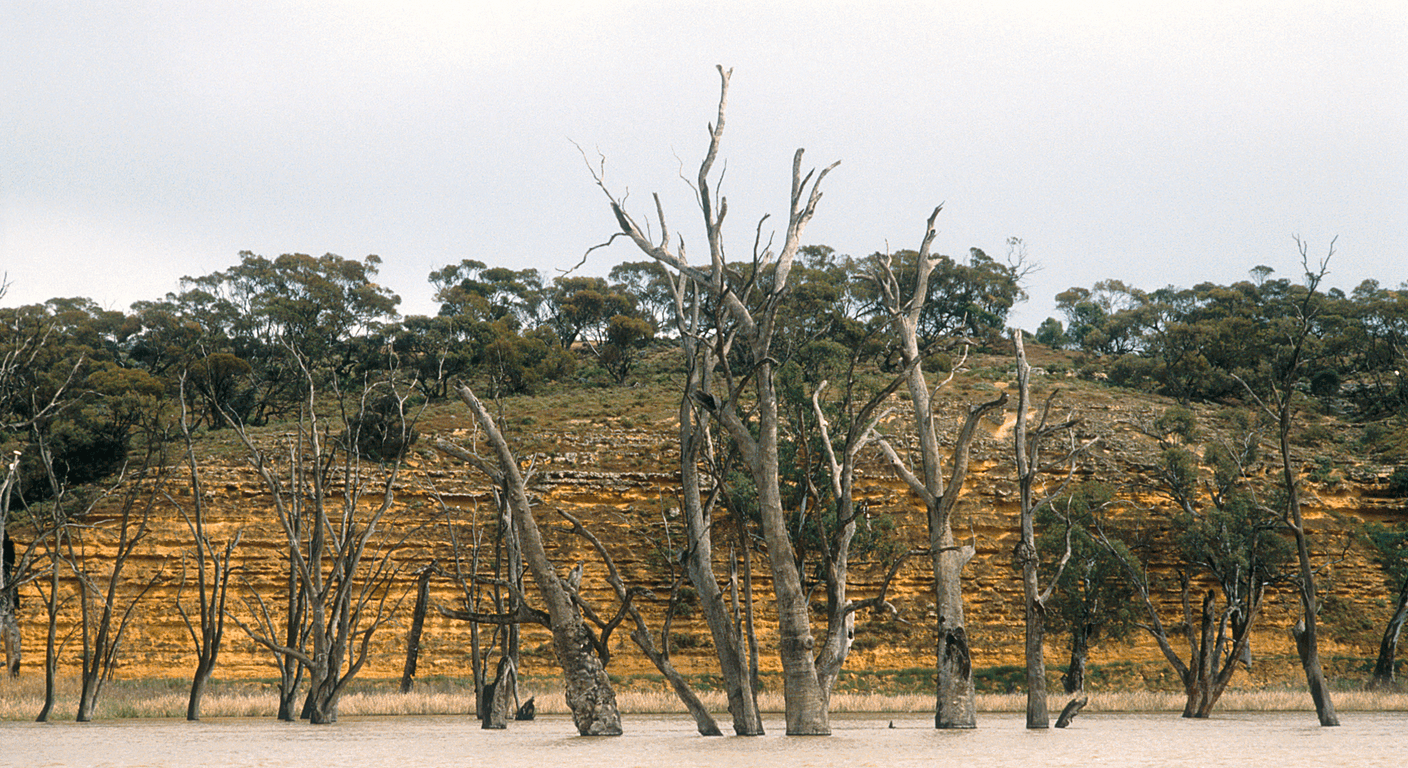
There's a particular pleasure in a destination that doesn't try too hard. Waikerie doesn't perform for visitors — it simply gets on with being a working Riverland town, and that's exactly what makes a day here feel genuine. The Murray curves wide and unhurried past limestone cliffs, the silos stand painted and unapologetic at the edge of town, and the cable ferry has been crossing the river for well over a century without charging a cent.
For travellers who've done the Barossa and the Fleurieu and are ready to go a little further east, the Riverland is the natural next chapter. Waikerie sits roughly two and a half hours from Adelaide via the Sturt Highway — a straightforward drive through flat grain country that opens up into red cliffs and river gums as you approach town. From regional Victoria, you're looking at a longer haul, but it fits neatly into a Riverland loop that might also include Renmark, Berri or Loxton.
The Silos: What Are They and Where Do You Find Them?
The Waikerie grain silos were painted as part of South Australia's broader embrace of large-scale public art on agricultural infrastructure. The scale is the thing — these aren't murals on a shopfront wall. Standing at the base and tilting your head back to take in the full height of the artwork is its own small moment. The imagery reflects the Riverland landscape and its communities, painted with the kind of detail that rewards a slow walk around the perimeter.
The silos are located near the town centre and are accessible by car and on foot. There's no entry fee and no ticketing — you simply pull up, walk over and look. A sensible flat surface surrounds the base, which means comfortable viewing for those who'd rather not scramble. Morning light suits the eastern faces; late afternoon gives the western panels a warmer glow. Worth timing your arrival accordingly if you're particular about photography.
Waikerie's silos sit within a wider South Australian silo art trail that includes works at Kimba, Tumby Bay, Coonalpyn and other towns. If the art trail is a draw, it's worth downloading the South Australian Tourism Commission's regional guide before you leave home — it maps the works across the state and can shape a longer itinerary.
The Free Cable Ferry: A Crossing Worth Making
The Waikerie cable ferry is one of those South Australian facts that sounds too good to be true: a government-operated river crossing, available 24 hours a day, free of charge. It carries vehicles and passengers across the Murray between Waikerie and the opposite bank, and it has done so in various forms since the 1800s. The crossing itself takes only a few minutes, but there's something quietly satisfying about standing on the deck mid-river with the water moving beneath you and the cliffs rising on either side.
For a group of friends on a day out, the ferry is the kind of small adventure that generates conversation. You don't need a reason to cross — crossing is the reason. That said, the south bank offers river access and a sense of the broader floodplain landscape that's worth a short wander before you return. Confirm the ferry's current operating status with the South Australian Department for Infrastructure and Transport before travelling, as maintenance closures can occasionally affect schedules.
The Clifftop River Walk: Go as Far as Feels Right
The walking track along the Waikerie clifftops follows the Murray's edge and delivers wide views across the river bend without requiring any significant exertion on the level sections. The track varies in surface and gradient depending on how far you go — the easier, flatter stretches near the town end are well-suited to comfortable shoes and a leisurely pace. There's no obligation to complete the full route. Finding a good bench or a shaded spot overlooking the water and simply sitting with it for a while is a perfectly reasonable plan.
The clifftop setting is particularly appealing in the cooler months, when the river is running well and the light has that low, golden quality particular to inland South Australia in autumn and winter. Summer temperatures in the Riverland regularly exceed 40 degrees Celsius — pleasant for a citrus stall browse, less so for a long walk in the sun. April through to October is the sensible window for any outdoor activity here.
Wear proper walking shoes rather than sandals, as some sections of the path have loose limestone surface. A hat, sunscreen and water are essential regardless of season. The views justify the modest effort — the Murray from a cliff edge is a different river to the one you see from the bank.
Citrus Stalls and Riverland Produce: The Simple Pleasure
The Riverland is one of Australia's most productive citrus-growing regions, and Waikerie sits at its heart. Roadside stalls selling oranges, mandarins, lemons and grapefruit appear throughout the season — roughly May to September for navel oranges, with mandarins peaking around July and August. Prices are indicative and vary by season and stall, but a bag of fruit for a few dollars is a reasonable expectation. Confirm availability locally, as stall hours and stock depend entirely on the harvest.
Beyond citrus, the broader Riverland produces table grapes, stone fruit, almonds and wine grapes. The Waikerie area has a handful of local producers worth seeking out, and the town's bakery and café options are adequate for a comfortable morning tea or lunch stop. Don't expect a destination dining scene — this is a working town, and the food reflects that honestly. The fruit, though, is the real thing.
Combining Waikerie with Loxton or Barmera
Waikerie on its own fills a comfortable half-day. For a fuller day out — or a two-day Riverland circuit — Loxton and Barmera are the natural companions. Loxton is about 45 minutes south of Waikerie and is home to the Loxton Historical Village, a substantial open-air museum recreating early Riverland settler life. It's a walkable, shaded site that suits a slower pace and tends to hold genuine interest for travellers who enjoy social history.
Barmera, on Lake Bonney to the south, offers a different mood — a lakeside town with swimming and birdwatching, and the Cobdogla Irrigation and Steam Museum for those with an interest in the engineering that made the Riverland farmable. The lake itself is a pleasant lunch spot. A loop taking in Waikerie, Barmera and Loxton in one day is achievable but ambitious; an overnight in one of the towns makes everything more relaxed and allows for a proper dinner and an early start the following morning.
From regional Victoria — say, the Mildura or Swan Hill areas — the Riverland is a natural cross-border extension. The drive from Mildura to Waikerie via Renmark runs roughly two hours and passes through classic Murray country. Those travelling from Melbourne or regional central Victoria are looking at a longer commitment, but the route through the Grampians and into South Australia makes for a worthwhile multi-day road trip in its own right.
Practical Matters: Getting There, Getting Around and Staying Comfortable
Waikerie is a car destination. Public transport connections to the Riverland from Adelaide exist via regional coach services — confirm current routes and timetables with the South Australian government's transport information before travelling — but a day trip to Waikerie, and certainly any combination with Loxton or Barmera, is best done with your own vehicle. The Sturt Highway from Adelaide is well-maintained and straightforward, with roadhouses and rest stops along the way.
Accommodation in Waikerie runs to caravan parks, a small number of motels and self-contained options. The Waikerie Caravan Park is the main base; indicative powered site rates are around $35–$45 per night, but confirm current pricing directly. For those preferring more comfort, Renmark — about 45 minutes east — has a broader range of motel and hotel accommodation and makes a solid base for a Riverland stay.
Travel insurance is worth reviewing before any extended road trip, particularly for those with pre-existing conditions. South Australia's regional roads are generally in good condition, but distances are real and medical facilities in small Riverland towns are limited. The nearest major hospital is in Renmark. Carry water, snacks and a charged phone. The Riverland's mobile coverage is reasonable on the main highways but can be patchy on quieter back roads.
Quick planning guide
| Ideal pace | Slow and unhurried — half-day minimum, no rush required |
|---|---|
| Best months | April to October, for cooler weather and peak citrus stalls |
| Suggested stay | Half-day for Waikerie alone; full day or overnight combined with Loxton and Barmera |
| Mobility level | Easy — flat silo viewing area and level sections of the clifftop walk |
| Cost level | Budget-friendly — free ferry, free silo viewing, low-cost roadside fruit |
| Comfort level | Basic and honest — caravan parks and motels, adequate bakery/café options, no destination dining |
| Best for | Road trippers, self-drive travellers and those wanting a low-cost, low-effort Riverland day out |
| Main planning consideration | Requires your own vehicle; confirm ferry operating status and seasonal citrus stall availability before travelling |
Key takeaways
- The Waikerie cable ferry crosses the Murray 24 hours a day, free of charge — one of South Australia's genuinely cost-free pleasures.
- The grain silo murals are viewable at ground level with no entry fee, on a flat surface accessible to most mobility levels.
- The clifftop river walk has easy, level sections with wide Murray views — go as far as feels comfortable and stop there.
- April to October is the best window for visiting: comfortable temperatures and peak citrus stall season coincide neatly.
- Combining Waikerie with Loxton and Barmera makes a full Riverland day or a relaxed two-day circuit.
- Waikerie is a car destination roughly two and a half hours from Adelaide via the Sturt Highway; confirm public transport options before travelling.
Recommended partners and links
Indicative prices only — always confirm with the operator before booking.
Frequently asked questions
Is the Waikerie cable ferry really free?
Yes. The Waikerie cable ferry is operated by the South Australian government and is free of charge for vehicles and passengers, 24 hours a day. It's worth confirming current operating status with the South Australian Department for Infrastructure and Transport before your visit, as maintenance closures can occasionally apply.
Is the Waikerie clifftop walk suitable for older travellers or those with mobility considerations?
The clifftop walk has level sections near the town end that are manageable at a comfortable pace in good walking shoes. The full route involves some variation in surface and gradient. There's no obligation to complete the entire track — find a good viewpoint and enjoy the river from there. Avoid the walk in summer heat; April to October is far more comfortable.
When are the citrus stalls open in the Waikerie area?
Citrus stalls in the Riverland are typically active from around May through to September, with navel oranges peaking in mid-winter and mandarins around July and August. Availability depends on the harvest and individual stall operators, so it's worth checking locally on arrival rather than assuming a specific stall will be open.
Can you do Waikerie as a day trip from regional Victoria?
From Mildura or the northwest of Victoria, Waikerie is a feasible day trip — around two hours' drive via Renmark. From Melbourne or central Victoria, the distance makes an overnight stay in the Riverland more sensible. A loop through the Grampians into South Australia, with nights in the Riverland, suits the drive well.
What is the best way to get to Waikerie from Adelaide?
The most practical option is to drive. Waikerie is about 185 kilometres from Adelaide via the Sturt Highway — roughly two and a half hours depending on stops. Regional coach services connect Adelaide to Riverland towns; confirm current routes and timetables with the South Australian government's transport services before travelling, as a day trip by public transport to Waikerie specifically may require careful planning.