Walhalla is a former gold-mining ghost town in Victoria's Baw Baw ranges, roughly three hours from Melbourne via a narrow, winding road with no coach access and no public transport. The defining experience is the heritage Walhalla Goldfields Railway and the improbably steep cricket ground. Best visited October to April; allow a full day. Terrain is hilly and uneven — mobility rating Moderate to Active. Suits confident drivers or small-group tours.
What is Walhalla, and why does it matter?
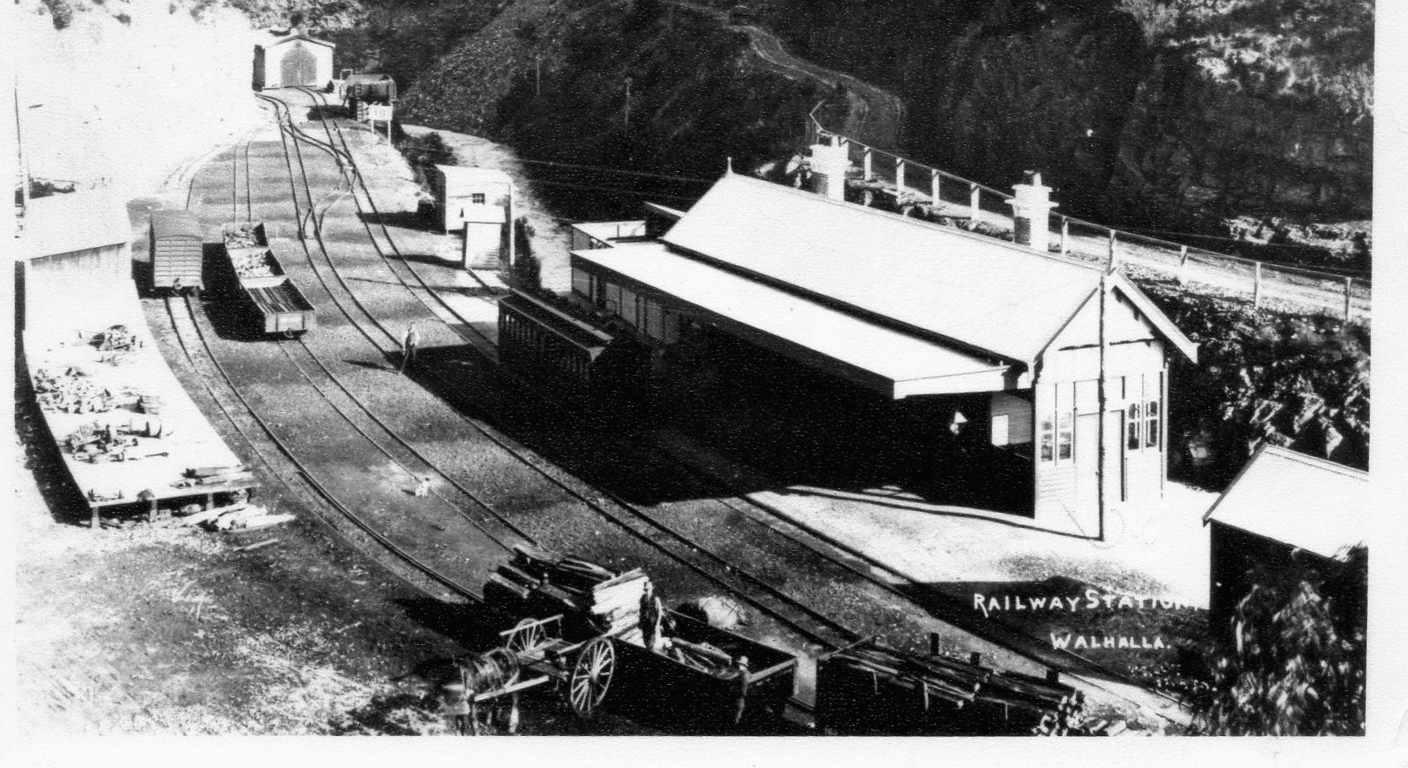
In the 1860s and 1870s, Walhalla was producing gold at a rate that made it one of the most productive fields in Victoria. At its peak, several thousand people lived in a valley so narrow that the main street barely fits two cars abreast. The Cohen's reef alone yielded more than 60 tonnes of gold. Then the reef ran out, and within a generation almost everyone left. Buildings were dismantled, the railway was closed, and the bush began reclaiming the slopes.
What remains is not a theme park. The Walhalla Goldfields Railway still runs on weekends along a restored section of the original line. The Long Tunnel Extended Mine offers underground tours. The cricket ground — carved into the side of a hill at an angle that would make a surveyor weep — has been played on since the 1880s. The Star Hotel, one of the few remaining original structures, serves as a small museum. None of this is dressed up for easy consumption, which is exactly the point.
For a traveller who finds the manicured version of Australian history a little thin, Walhalla is the real thing. It asks something of you — a long drive, a willingness to navigate uneven ground, and the good sense to bring a packed lunch — and gives back a sense of place that's increasingly hard to find.
Getting there honestly: the drive, the road, and what to expect
Walhalla is roughly 180 kilometres east of Melbourne — that's around three hours of driving, not two and a half, because the final 30-odd kilometres from Moe involve a winding mountain road with limited overtaking opportunities and no coaching access. Large buses cannot reach the town. Small touring vans and cars are fine, but drivers who are uncomfortable on narrow, hilly roads with intermittent gravel sections should factor that in before committing. The Princes Highway to Moe is straightforward; it's the turn-off onto Walhalla Road where the character changes.
There is no public transport to Walhalla. None. This is a defining logistical fact. If you no longer drive or prefer not to tackle that road, the options are a small-group day tour departing from Melbourne (a handful of operators run these, typically on weekends — confirm current schedules through Visit Gippsland or the Walhalla & Mountain Rivers Trust) or travelling with someone else who drives. Rideshare services do not operate here. Taxis from Moe exist in theory but the economics and timing make them impractical for a day trip.
Mobile phone reception drops significantly once you leave Moe and disappears entirely in parts of the valley. Download offline maps before you go — Google Maps offline for the region, or a paper map from a service station in Moe. Fill the tank in Moe too; there's no fuel in Walhalla. If you're travelling solo, as many visitors to this kind of destination do, tell someone your plan and expected return time. This is basic country travel sense, not alarmism.
What does the day actually look like? Hour by hour
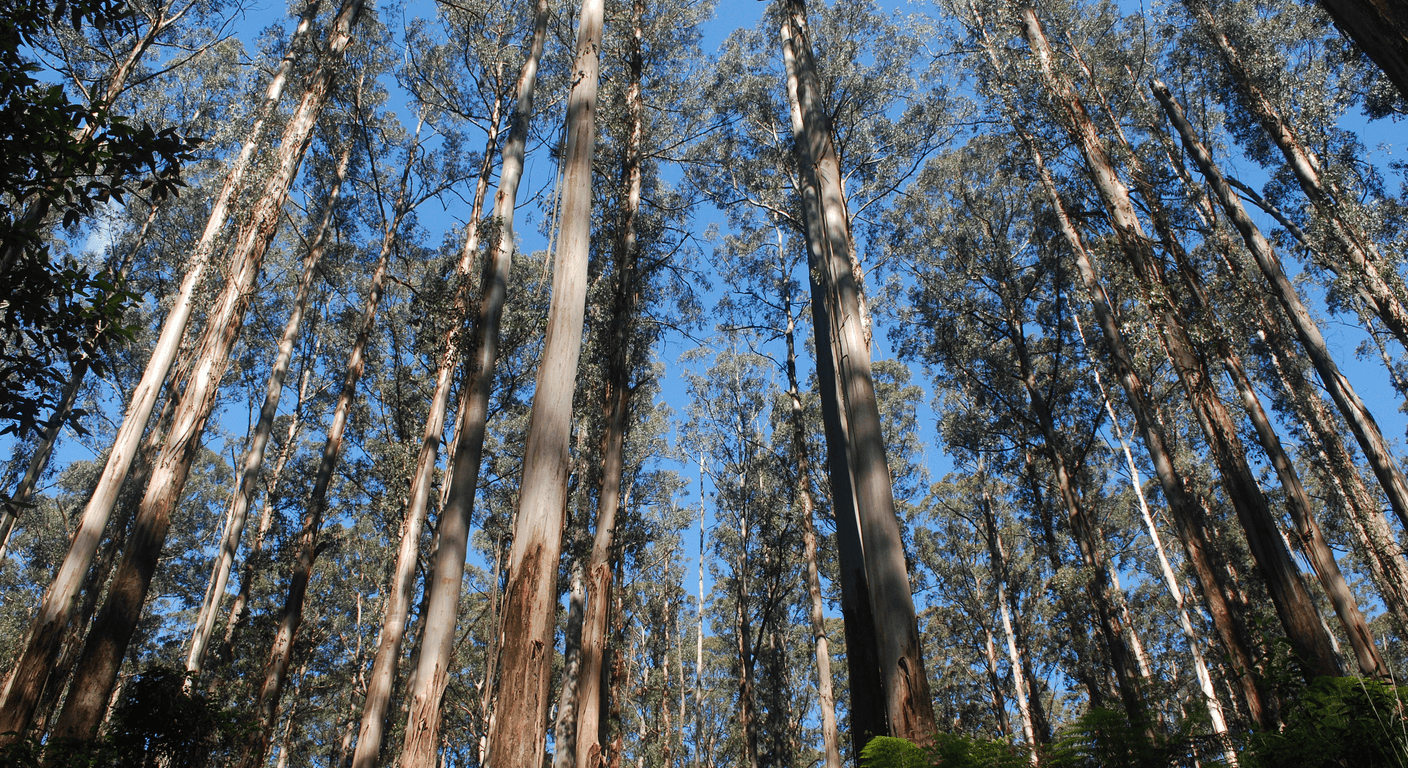
Leaving Melbourne by 7:30 am gets you to Moe by around 9:30 am, which is worth doing if you want to catch the morning train departure on the Walhalla Goldfields Railway. The railway runs on Saturdays, Sundays and public holidays (confirm the timetable at walhallarailway.com.au before you leave, as seasonal schedules vary). A typical departure from Thomson Station is around 11:00 am; the journey to Walhalla takes roughly 25–30 minutes each way through mountain ash forest along the Thomson River. The return service gets you back to Thomson by around 12:30 pm. These are indicative times — confirm with the operator.
If you drive straight to Walhalla rather than picking up the train, you arrive in the valley around 10:30 am. Park at the main flat area near the general store — it's the only sensible option. The self-guided heritage walk takes most people around 90 minutes at a comfortable pace, covering the Long Tunnel Extended Mine entrance area, the cricket ground, the Star Hotel museum, the cemetery (steep path — genuinely steep), and several original building foundations. Sit-down points are limited; bring a small folding seat or plan to use the benches near the general store. Public toilets are located near the car park, and that's essentially the only reliably accessible facility in town.
Lunch is between noon and 1:30 pm. The general store sells basics — pies, drinks, some packaged goods — but don't rely on it for a proper meal. Bring a packed lunch from home or from Moe; there are flat spots near the creek suitable for a picnic. By 2:00 pm you've seen the main sites. The Long Tunnel Extended Mine tour, if you book it, runs for around an hour and requires some ducking and uneven footing inside — worth doing if you're comfortable with that, genuinely skippable if you're not. If you skip the mine, the time is well spent sitting by the creek or walking the gentler lower section of the heritage trail at your own pace. Head back toward Moe by 3:00–3:30 pm to be through the winding road section before dusk.
Mobility and access: the honest version
Walhalla is not wheelchair accessible in any meaningful sense. The terrain is steep, the paths are uneven, and several of the most interesting sites — including the cemetery and the upper sections of the heritage walk — involve significant gradients and steps. This is the physical reality of a town that was built by miners on a mountain, not a modern tourism facility. Travellers who use a walking frame or who have significant balance concerns should plan accordingly: the lower flat section near the car park and general store is manageable, but much of what makes Walhalla interesting requires steady footing.
For travellers with moderate mobility — those who can manage uneven ground and the occasional step with a walking stick — most of the key sites are reachable with care and time. The railway journey itself is a seated experience with no significant mobility demands, making it a genuinely worthwhile option for anyone who wants the landscape without the walking. The carriages are heritage stock; boarding requires stepping up, so if that's a concern, ask the crew at Thomson Station about assistance before the train departs.
Solo travellers should be particularly honest with themselves about the terrain before committing to the steeper sections. There's no embarrassment in staying on the flat, watching the creek, and letting the atmosphere do its work. Walhalla's quiet is itself a significant experience — you don't need to climb to the cemetery to feel the weight of the place.
A solo traveller's perspective
Walhalla suits solo travel unusually well, partly because it's the kind of place that rewards slow, private attention. There's no pressure to move at someone else's pace, no negotiation about which mine tour to take or whether to skip the cemetery. You can spend forty minutes reading every interpretive sign in the Star Hotel and no one minds. The heritage railway, in particular, is a comfortable solo experience — the volunteers who staff it are genuinely knowledgeable and tend to talk to solo passengers rather than past them.
The practical consideration for a solo female traveller driving alone is the mobile signal gap. This is worth taking seriously without overstating it. The road is not remote in the outback sense — you will encounter other cars — but a breakdown or a medical issue in the valley would require someone to drive out to get reception before help could be called. Carrying a personal locator beacon (PLB) is a reasonable precaution for any solo traveller doing regional Victorian driving, and they're available for hire through some outdoor retailers if you don't own one. The Walhalla & Mountain Rivers Trust website has emergency contact information worth noting before you lose signal.
On the single-supplement question: Walhalla day tours from Melbourne that do run are typically priced per person, not per couple, so solo travellers are not penalised in the way they would be on a cruise or a packaged tour. Confirm this when booking, but the structure generally works in the solo traveller's favour here.
Where to eat, what to bring, and what the general store actually sells
The Walhalla General Store is the only food and drink option in town. It sells pies, cold drinks, ice cream, coffee (basic, but hot), and a small range of packaged goods. Hours are limited and vary by season — it's typically open on weekends and during school holidays, but confirm before you go. Do not arrive in Walhalla expecting a café lunch. This is not a failure of the town; it's just what it is. Pack accordingly.
A practical packed lunch for a Walhalla day trip: something that travels well in a cool bag (sandwiches, fruit, a thermos of tea or coffee), a litre of water per person over and above anything you expect to buy, and a small snack for the drive back. Moe has a Woolworths and a Coles on the way through — stock up there if you haven't packed from home. There are no restaurants in Walhalla, and the nearest sit-down meal options are back in Moe, roughly 45 minutes away.
On the way back, Moe itself has a handful of cafés and pubs that do solid, unfussy food — the kind of counter meal that hits exactly right after a day of walking on uneven ground. Traralgon, slightly further on, has more options if you'd prefer a broader choice. Neither town is a dining destination, but both are perfectly fine for a late-afternoon meal before the highway back to Melbourne.
Practical details, costs, and what to confirm before you go
Entry to Walhalla township is free. The Walhalla Goldfields Railway charges around $25–$30 for a return adult ticket — confirm current pricing at walhallarailway.com.au. The Long Tunnel Extended Mine tour, when running, is separately ticketed; check with the Walhalla & Mountain Rivers Trust at walhalla.org.au for current schedules and prices. Most of the heritage walk and outdoor sites are free, supported by a donation box near the Star Hotel that is worth using.
Victorian Seniors Card holders should check whether any concession applies to the railway ticket — the volunteer-run operations in the region do sometimes offer discounts, but this varies and is not guaranteed. Ask when booking. The Seniors Card itself is worth carrying on any regional Victorian day trip; concessions at smaller heritage attractions are often unadvertised and simply offered when the card is presented.
Travel insurance for a day trip within Victoria is often overlooked, but for anyone with pre-existing conditions, it's worth confirming that your policy covers emergency evacuation from a regional area — the nearest hospital to Walhalla is in Moe. Smartraveller (smartraveller.gov.au) is not relevant for domestic travel, but the Parks Victoria website and the Walhalla & Mountain Rivers Trust site carry current road and site condition updates that are worth checking in the week before your visit, particularly after heavy rain.
Quick planning guide
| Ideal pace | One long day from Melbourne, or overnight in Moe or Traralgon to avoid early starts |
|---|---|
| Best months | October to April (wildflowers in spring, cool summers); avoid winter — road can be treacherous and some sites close |
| Suggested stay | Full day minimum; consider a night nearby to break the drive |
| Mobility level | Moderate — uneven ground, steps, steep gradients throughout the town |
| Cost level | Low to moderate — entry to most sites is free or under $30; bring your own food |
| Comfort level | Rustic; one general store, limited facilities, no mobile signal in much of the valley |
| Best for | History lovers, solo travellers who still drive, small-group day tours, anyone who wants a genuinely quiet place |
| Main planning consideration | No public transport, no coach access to the town centre, patchy mobile signal — plan the day in detail before you lose reception |
Key takeaways
- Walhalla is around three hours from Melbourne by car — no public transport, no coach access, no mobile signal in the valley.
- The Walhalla Goldfields Railway runs on weekends and is the most accessible part of the experience for those with limited mobility.
- Terrain throughout the town is steep and uneven; the site is not wheelchair accessible, and solo travellers should be honest about their footing before tackling the upper sections.
- There is one general store in Walhalla — bring a packed lunch and fill your fuel tank in Moe before heading up the mountain.
- Solo travellers are not penalised on pricing for most Walhalla day tours, which tend to charge per person rather than per couple.
- Victorian Seniors Card holders should ask about concessions at the railway and mine tour — discounts exist but are not always advertised.
Recommended partners and links
Indicative prices only — always confirm with the operator before booking.
Frequently asked questions
How long does it take to drive from Melbourne to Walhalla?
Allow around three hours each way. The Princes Highway to Moe is straightforward, but the final 30-odd kilometres on Walhalla Road are narrow, winding and hilly, which slows the pace considerably. Leave Melbourne by 7:30 am if you want a full day in the valley.
Is there public transport to Walhalla?
No. There is no bus, train or rideshare service to Walhalla. You need a car, or a place on a small-group day tour from Melbourne. Large coaches cannot access the town. Confirm current tour options through Visit Gippsland or the Walhalla & Mountain Rivers Trust.
Is Walhalla suitable for travellers with mobility issues?
Only partly. The lower section near the car park and general store is manageable on flat ground, and the heritage railway is a seated experience that most people can access. The heritage walk, the cemetery and the upper town involve steep gradients and uneven footing that are not suitable for wheelchair users or those with significant balance concerns.
Where can you eat in Walhalla?
The Walhalla General Store is the only food option in town, selling pies, drinks and basic packaged goods on weekends and during school holidays — hours vary, so confirm before you go. Bring a packed lunch. The nearest proper meal options are back in Moe, roughly 45 minutes away.
When is the best time to visit Walhalla?
October to April is generally the best window — spring wildflowers, warm summers, and reliable road conditions. Winter visits are possible but the mountain road can be hazardous after rain or frost, and some heritage sites operate reduced hours. Always check road and site conditions on the Parks Victoria website before travelling.