Wellington Caves, near Wellington in central-western NSW, suits a full-day visit year-round thanks to the caves' constant 17°C. Its highlight is Cathedral Cave, where 1830s fossil finds of Australian megafauna predated Darwin's Beagle voyage. Mobility is moderate: Cathedral Cave has stairs and handrails, while the flat Phosphate Mine tour suits those avoiding steps. Regional Victorian visitors face a four-to-five-hour drive, often overnighting in Orange or Dubbo before the final sealed approach.
Why Wellington Caves matters beyond the pretty limestone
Most Australians know Naracoorte or Riversleigh when it comes to megafauna fossils. Wellington deserves to be in that same sentence. In the early 1830s, bones recovered from the cave system here — wombats the size of hippos, diprotodons, giant kangaroos — were shipped to scientists in London and helped establish the scientific case that Australia once harboured creatures of a scale no living person had ever imagined. The naturalist Thomas Mitchell was among the first to document what he found. The bones preceded Darwin's voyage on the Beagle. That's the calibre of what happened here.
For a group of friends who enjoy travel with intellectual substance, not just scenery, Wellington Caves offers exactly that — a place where the ground beneath your feet has genuine scientific biography. The tour guides know the story well and tell it without dumbing it down. You'll leave knowing something you didn't know before, which is more than most day trips promise.
Cathedral Cave: what to expect on the stairs
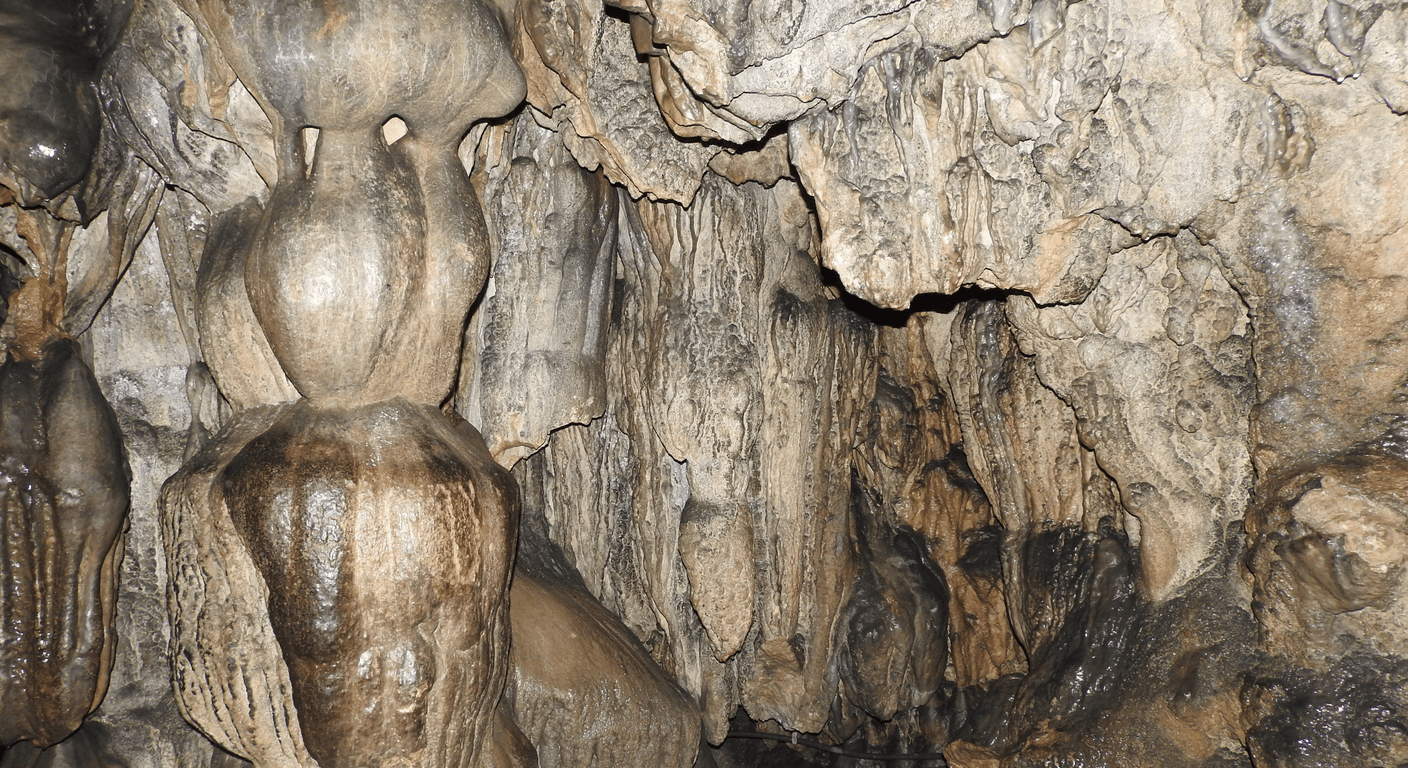
Cathedral Cave is the signature experience, and it earns the attention. The cavern's centrepiece — a vast, cathedral-like limestone chamber with formations built over millions of years — is genuinely impressive in the way that only geological time can produce. The tour takes around 45 minutes and covers a series of chambers connected by stairways. Handrails are fitted throughout. The steps are manageable for most reasonably mobile travellers, though anyone with significant knee issues or balance concerns should think honestly about whether this is the right choice for them on the day.
The cave sits at a constant 17°C regardless of what the weather outside is doing. In the cooler months that's comfortable; in summer, it's a relief. Bring a light layer regardless — the temperature contrast with a warm day above ground can feel more pronounced than the numbers suggest. Closed-in, flat-soled shoes are sensible. The lighting inside is low in places, as it should be in a working cave.
Tour numbers are capped, and departures run on a schedule rather than on demand. Confirming current tour times directly with Wellington Caves before you drive out is not optional — it's the one piece of planning that protects your day.
The Phosphate Mine tour: a genuinely flat alternative
For anyone in the group who wants to skip the Cathedral Cave stairs without sitting outside with a coffee while everyone else disappears underground, the Phosphate Mine tour is a legitimate alternative, not a consolation prize. The mine was worked in the early twentieth century, and the horizontal tunnel access means there are no significant steps involved. It's a different kind of underground experience — more industrial history, less geological spectacle — but the story of what was mined here and why has its own character.
The two tours can be combined in a single visit, which makes for a satisfying full-day itinerary without feeling rushed. Running them back-to-back with a café break between is a reasonable structure. Confirming whether combination pricing applies — and what concession rates are current — is worth a phone call before you book.
Getting there from regional Victoria: the honest driving picture
From regional Victoria — say, Shepparton, Bendigo or Ballarat — Wellington Caves is roughly a four-to-five-hour drive depending on your starting point. The route typically tracks north through Albury-Wodonga and then via Forbes or Parkes toward Wellington, or west through Hay and up. Most travellers from Victoria find it easiest to base themselves in Orange or Dubbo the night before, turning the day trip into a two-night regional stay. Orange in particular has a well-established food and wine scene that rewards the detour.
The final stretch from Wellington township to the caves is about eight kilometres on a sealed road. Parking at the site is level and straightforward — no gravel scrambles or uneven surfaces to contend with on arrival, which matters after a long drive. The highway between Orange and Dubbo (the Mid Western Highway) is well-maintained and carries a reasonable amount of traffic, making it an easy drive in daylight hours. Avoid scheduling yourself to arrive at closing time; give the day some breathing room.
The Japanese garden and café: underrated parts of the visit
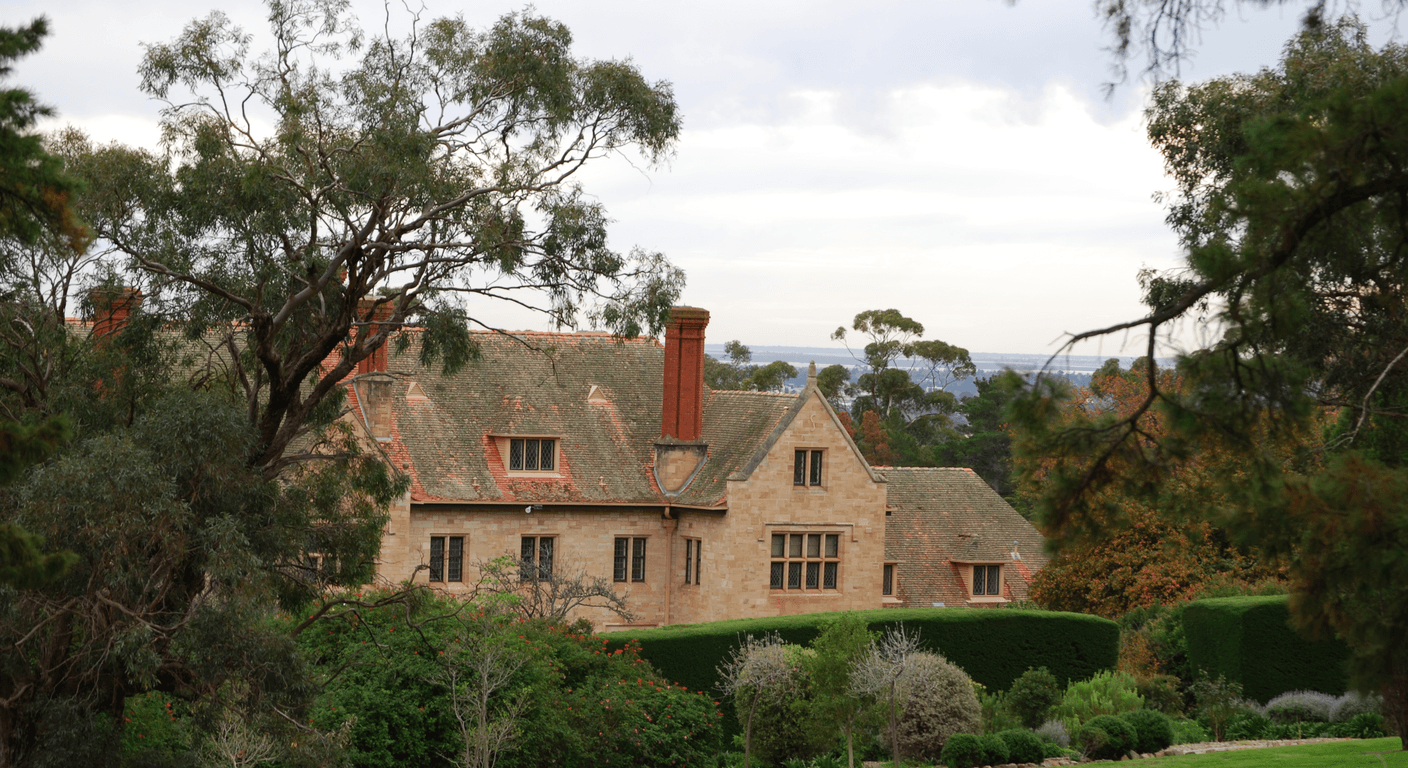
The Japanese garden at Wellington Caves is one of those pleasant surprises that rewards visitors who haven't over-researched the day. It's a calm, well-kept space suitable for sitting between tours or winding down afterward. For a group of friends, it provides a natural gathering point — somewhere to debrief about what you've just seen underground without hovering in a car park.
The on-site café handles the basics well. Hot drinks, light meals, and the opportunity to sit properly before the drive home are not things to take for granted on a regional day trip. If your group is the kind that travels with one eye on the next meal, Orange on the return journey offers considerably more restaurant options and is worth building into the afternoon.
Practical detail: what to sort before you go
Tour times and availability change seasonally, and school holiday periods see higher demand. Contacting Wellington Caves directly — via the NSW National Parks and Wildlife Service — to confirm current schedules, concession pricing, and tour availability is the single most important pre-trip task. Turning up unannounced and finding the next tour is two hours away is avoidable.
Wear sensible footwear — closed-in, flat-soled shoes for the cave, something comfortable for the garden afterward. The caves themselves require no specialist equipment. Photography is generally permitted in public areas; check with the guide about any restrictions underground. Travel insurance is always advisable for any day trip that involves physical activity, particularly if pre-existing conditions apply — standard advice, but worth stating plainly.
For the drive itself, a mid-morning departure from Orange or Dubbo puts you at the caves in time for a late-morning tour, lunch at the café, a second tour or garden walk in the early afternoon, and a relaxed drive back before dusk. That rhythm suits the day well.
What makes this worth the drive for a group of friends
There's a particular pleasure in visiting a place that has done something genuinely significant and doesn't oversell it. Wellington Caves isn't loud about its own importance. The fossils that came out of here changed scientific thinking about this continent. The cave formations took millions of years to build. The site is well-managed, honestly priced, and accessible enough that a group of friends with varying mobility levels can all find something to do without anyone being left out.
For travellers based in regional Victoria who want a road trip with substance — not just kilometres — the central-western NSW circuit via Orange, Wellington and Dubbo is a solid two-to-three-day loop. Wellington Caves anchors it with the kind of content that generates real conversation over dinner afterward. That's a reasonable test of whether a day trip has done its job.
Quick planning guide
| Ideal pace | Relaxed full day, combining both cave tours with breaks |
|---|---|
| Best months | Comfortable year-round given the caves' constant 17°C; avoid peak school holiday demand |
| Suggested stay | One full day at the caves, ideally part of a 2-3 day Orange–Wellington–Dubbo loop |
| Mobility level | Moderate — Cathedral Cave involves stairs and handrails; the Phosphate Mine tour is flat and easy |
| Cost level | Concession pricing available; confirm current tour and combination rates before booking |
| Comfort level | Level parking, an on-site café and a Japanese garden make rest breaks easy |
| Best for | Groups of friends with mixed mobility who enjoy travel with real historical and scientific substance |
| Main planning consideration | Confirm tour schedules, availability and concession pricing directly with Wellington Caves before driving out |
Key takeaways
- Wellington Caves fossils, documented from the 1830s, were among the first evidence of Australia's megafauna and reached scientists in London before Darwin's Beagle voyage.
- Cathedral Cave is rated Moderate with stairs and handrails; the Phosphate Mine tour is a genuinely flat Easy alternative for those avoiding steps.
- The caves maintain a constant 17°C year-round — bring a light layer regardless of outside temperature.
- Concession pricing applies to guided tours; confirm current rates and tour departure times directly with the site before visiting.
- From regional Victoria, the most practical approach is to overnight in Orange or Dubbo and make Wellington Caves a full-day excursion.
- Level parking, an on-site café, and a Japanese garden make the site comfortable for a group with varying energy levels across the day.
Recommended partners and links
Indicative prices only — always confirm with the operator before booking.
Frequently asked questions
Is Cathedral Cave suitable for someone with bad knees or limited mobility?
Cathedral Cave involves stairs with handrails throughout the tour route. It's rated Moderate and is manageable for most reasonably active travellers, but anyone with significant knee problems or balance concerns may find it uncomfortable. The Phosphate Mine tour is the flat, step-free alternative at the same site and is rated Easy.
Do Wellington Caves offer a seniors or concession discount?
Yes, concession pricing is available on guided tours at Wellington Caves. Current rates should be confirmed directly with the site via NSW National Parks and Wildlife Service before visiting, as pricing can change.
How long does a visit to Wellington Caves take?
Allow a full day. Cathedral Cave's guided tour runs around 45 minutes underground. Adding the Phosphate Mine tour, time in the Japanese garden, and lunch at the on-site café makes for a comfortable four-to-five-hour visit. Tour departures are scheduled, not on-demand, so confirming times in advance shapes your day.
What is the temperature inside Wellington Caves?
Wellington Caves maintain a constant temperature of approximately 17°C year-round, regardless of outside conditions. A light layer is recommended, as the contrast with a warm day above ground can feel more pronounced than the number suggests.
How far is Wellington Caves from Orange and Dubbo, and how do you get there?
Wellington Caves is approximately eight kilometres from Wellington township, which sits roughly halfway between Orange (about 80 kilometres to the east) and Dubbo (about 50 kilometres to the west) along the Mid Western Highway. There is no public transport to the caves; a car is required. The road to the site is sealed, and parking at the caves is level and accessible.