August is the peak of Australia's northern dry season, when the Kimberley, Top End and Kakadu are clear, warm and at their most navigable, Western Australia's wildflowers begin spreading south from the mid-west, and humpback whales pass both coasts. A two-night minimum per stop suits the pace. Mobility is moderate — gorge and rock-art walks need sure footing, though cruises and lookouts are easy. Darwin is a direct four-to-five-hour flight from Melbourne or Sydney, and peak-season accommodation should be booked three to four months ahead.
Why August Works So Well for Over-50 Travellers
Most of Australia's capital cities are cool and grey in August — Melbourne in particular can be persistently damp. But the country's north and west are in their element. The Kimberley, the Top End and the Pilbara are typically dry, clear and running at ideal temperatures for being outdoors. That matters enormously when your itinerary involves gorges, national parks or long days on the water.
August also aligns neatly with several of Australia's great natural spectacles that require no particular effort to witness. Humpback whales pass along both coastlines on their annual migration north. Western Australia's wildflower season, one of the world's largest floral displays, gathers pace through the month across the mid-west and Wheatbelt. None of this requires a strenuous itinerary — a good whale-watching cruise, a scenic drive through the Coalfields or a guided walk in the gorges can deliver all of it at whatever pace suits.
One honest note on the north: August is peak season, and it is priced accordingly. Accommodation in Broome, Darwin and Kakadu fills quickly. If you haven't booked three to four months out, your choices narrow. That's not a reason to avoid these places — it's a reason to plan earlier than you might for other destinations. The reward for doing so is some of the most extraordinary country in the world, at the one time of year when it's genuinely comfortable to explore it.
The Kimberley, Western Australia: Gorges, Red Rock and River Cruises
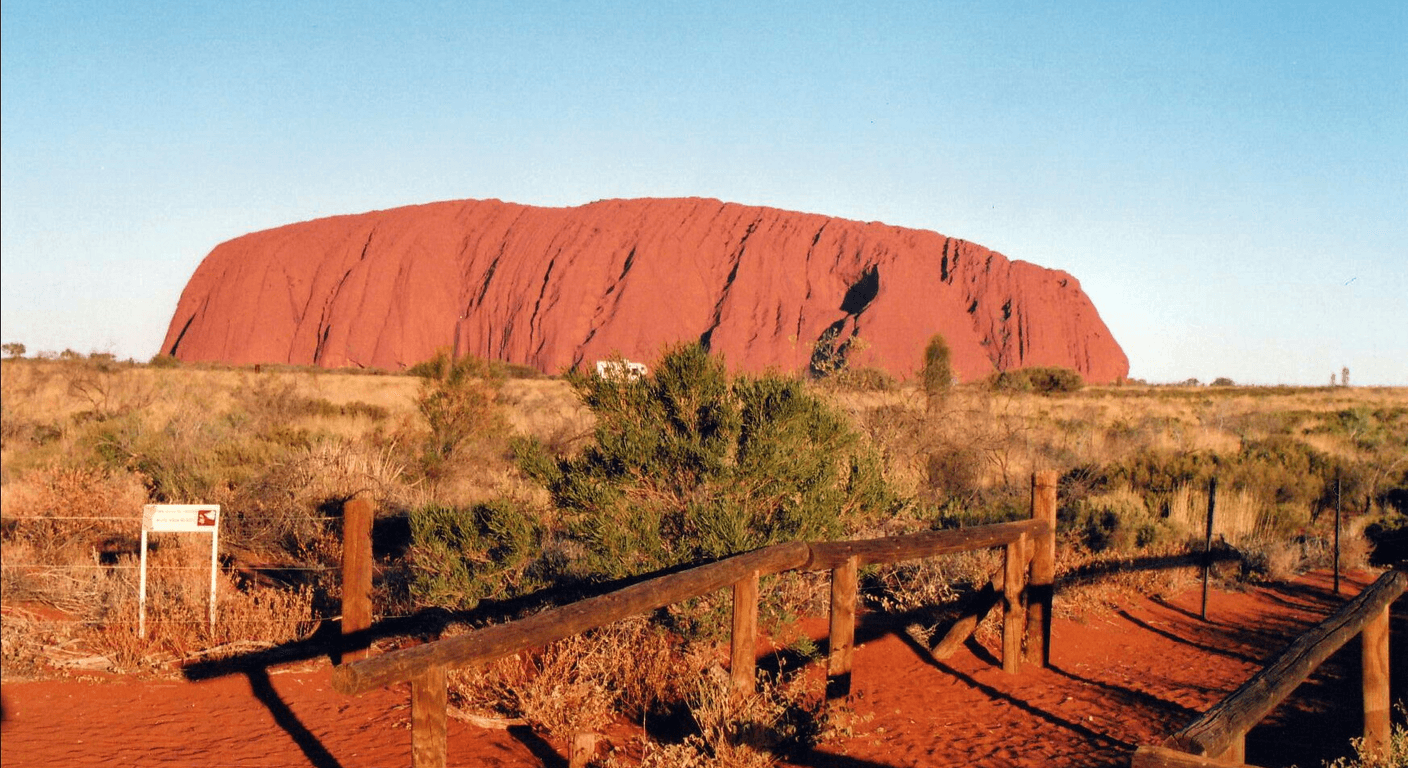
The Kimberley in August is the kind of place that stays with you. The gorges are accessible, the rivers are flowing but manageable, and the light in the late afternoon turns the sandstone cliffs a shade of red that no photograph quite captures. Broome is the natural base — a proper town with good restaurants, excellent accommodation and the extraordinary Cable Beach — from which day tours and multi-day expeditions depart regularly.
Windjana Gorge and Tunnel Creek, accessible via a sealed and gravel road from Broome or Fitzroy Crossing, offer two of the Kimberley's most rewarding experiences at a pace that suits older travellers. Windjana is a flat walk along a dry riverbed flanked by 100-metre limestone walls, with freshwater crocodiles resting on the banks in plain sight. Tunnel Creek is a gentle walk through an ancient cave system — torch required, water shoes advisable. Both are manageable for travellers with moderate fitness and sure footing; neither is suitable for those with significant mobility limitations. Check current road and trail conditions with the WA Department of Biodiversity, Conservation and Attractions before setting out.
For those who prefer something less physically demanding, the Horizontal Falls — accessible only by seaplane or fast boat — is one of the Kimberley's most spectacular sights and requires no walking at all. Alternatively, a cruise along the Ord River from Kununurra through to Lake Argyle is a genuinely lovely half-day or full-day experience. The birdlife alone — over 300 species recorded in the region — is worth the trip for anyone who travels with binoculars.
The Top End, Northern Territory: Kakadu and Darwin in Dry Season
Darwin in August is warm, dry and surprisingly cosmopolitan for a city of its size. The Mindil Beach Sunset Market runs on Thursday and Sunday evenings through the dry season — it's genuinely good, with strong representation from the city's Southeast Asian communities, and a fine place to spend an evening. The Museum and Art Gallery of the Northern Territory holds one of the country's most important collections of Aboriginal art and is free to enter.
Kakadu National Park, roughly three hours south-east of Darwin, is one of Australia's great experiences and it's best appreciated slowly. The rock art sites at Ubirr and Nourlangie are extraordinary — tens of thousands of years of continuous cultural record on open sandstone walls, with ranger-led walks available that bring genuine depth to what you're seeing. The Cahills Crossing saltwater crocodile viewing platform at Ubirr is one of those moments that needs no embellishment. The Yellow Water Billabong cruise at dawn is calm, wildlife-rich and accessible for most mobility levels; the boat is flat-bottomed and boarding is straightforward, though confirm current arrangements with the operator.
Travellers based in Melbourne or Sydney will fly to Darwin directly — flight times are typically around four to five hours, depending on the carrier and routing. Darwin's accommodation ranges from budget motels to comfortable four- and five-star hotels; the city centre is compact and walkable. If you're driving to Kakadu, a two-wheel-drive vehicle is sufficient for the main sealed roads, but some outlying areas require a 4WD. Many travellers over 50 find a guided tour the most comfortable option — it removes the navigation and lets you focus on what you're actually there to see.
Western Australia's Wildflower Season: A Gentle, Rewarding Drive
The wildflower season in Western Australia is one of those things that Australians know about but often put off, and then regret putting off. It begins in the north of the state around Geraldton and the Murchison in late July and moves progressively south through August, reaching the Wheatbelt and the regions around York, Merredin and Northam as the month progresses. The timing varies from year to year depending on winter rainfall, so it pays to check current bloom reports through the Parks and Wildlife Service of WA before committing to specific routes.
The drive from Perth to Geraldton — roughly five hours on the Brand Highway — is pleasant and well-serviced. Kalbarri National Park, about 70 kilometres north of Geraldton, combines gorge walks and coastal cliffs with reliable wildflower displays in August. The park's new Kalbarri Skywalk structure is accessible and offers dramatic views over the Murchison River gorge without requiring a steep descent. For those who prefer not to drive long distances, several Perth-based operators run day tours and multi-day coach tours to the wildflower regions in season.
Perth itself is worth a day or two in any wildflower itinerary. Kings Park, on the edge of the CBD, holds one of the world's largest urban bushland reserves and runs an annual Wildflower Festival in September — though August visitors will already find native species flowering in the park's bushland areas. The park is flat, well-maintained and genuinely beautiful. The WA Museum Boola Bardip in Northbridge is excellent, and the Fremantle markets and waterfront make for an easy, enjoyable half-day.
Whale Watching in August: East and West Coast Options
Humpback whales migrate north along Australia's west coast from around June, and by August they're typically present in large numbers along the coast between Albany and Exmouth. Hervey Bay in Queensland, on the east coast, is well-established as one of the world's premier whale-watching locations — the bay's protected waters attract humpbacks resting and playing during their northward migration, and August is generally considered one of the best months to visit. Whale-watching cruises from Hervey Bay operate multiple times daily during the season, with most vessels designed for comfort rather than speed.
On the west coast, Augusta and Dunsborough in the Margaret River region offer humpback sightings in and around the Cape Leeuwin area, while Exmouth — at the tip of the North West Cape — sees whale sharks as well as humpbacks in the broader region. Albany, at the southern tip of WA, has a fascinating whaling history museum at Discovery Bay that puts the modern whale-watching experience in sharp and sobering context. All of these towns are accessible by regional flight or self-drive and have comfortable accommodation suited to older travellers.
For couples who want to combine whale watching with a comfortable base, Hervey Bay is hard to fault in August. It's flat, relaxed, and the town is oriented entirely around the water. The Fraser Island (K'gari) ferry is a short ride from the marina, and the island offers its own remarkable landscape — though the sand tracks require a 4WD and guided tours are the sensible choice. Hervey Bay itself is a good few days of easy, genuinely pleasurable travel.
One Overseas Option: Japan in August
Japan in August is not for everyone — midsummer humidity in Tokyo and Kyoto can be genuinely intense — but for travellers who plan carefully, it offers experiences that are hard to match anywhere else. The Obon festival period (typically mid-August) sees Japan at its most culturally alive, with lantern ceremonies, traditional dance festivals and events in temples and shrines across the country. Kyoto's Daimonji fire festival, in which enormous bonfires are lit on the mountains surrounding the city, is one of the most extraordinary public spectacles in East Asia.
From Melbourne, Tokyo is typically an eight- to ten-hour flight with some carriers offering direct routes; others connect via Asian hubs. The time difference is relatively gentle for Australians — Japan Standard Time is one hour behind Melbourne in winter, though Australia observes daylight saving time adjustments that affect this. Jet lag is manageable for most travellers, but a recovery night on arrival is genuinely advisable, particularly before any festival events. Japan's rail network is exceptionally accessible and well-suited to older travellers — the Shinkansen between Tokyo and Kyoto is smooth, fast and air-conditioned, and most major stations have lifts.
Travel insurance with pre-existing condition cover is essential for Japan — medical costs without insurance are substantial. Visa requirements for Australian passport holders should be confirmed with the Japanese consulate or your travel agent before booking, as arrangements can change. Costs in Japan have increased in recent years with currency shifts; budget roughly for a mid-range hotel in Kyoto around $200–$350 AUD per night, though this varies considerably and you should confirm current pricing. The heat and crowds of August mean that early mornings at temples and shrines — before 8am — are far more rewarding than midday visits.
Practical Notes for the August Traveller Over 50
Booking ahead is the central discipline for August travel in Australia's north and west. Broome, Darwin and Kakadu's main lodges book out months in advance during peak dry season. If you're flexible on accommodation but not on dates, consider locking in your flights first and then working backwards to accommodation. Many operators in the Kimberley and Top End offer package deals that combine accommodation and guided tours — these are often better value than booking each element separately and remove a great deal of logistical stress.
Travel insurance deserves more than a passing mention. For travellers in their 70s — particularly those with existing health conditions — comprehensive cover including medical evacuation is not optional in remote areas. The Kimberley and the Top End are far from major hospitals; medical evacuation costs without cover can be ruinous. Several Australian insurers specialise in cover for travellers over 65 with pre-existing conditions; compare policies carefully and read the exclusions. The Insurance Council of Australia's website is a useful starting point.
Finally, pacing. August in the north means long days of heat even in the dry season — temperatures in the Kimberley regularly reach 30–35°C. Plan activities for early morning and late afternoon, rest in the middle of the day, and don't underestimate how tiring long drives or full-day tours can be when the heat is a constant factor. Two nights in each location, rather than one, transforms the experience from a blur into something you'll actually remember. The country deserves to be seen slowly.
Quick planning guide
| Ideal pace | Slow — two nights per location rather than one |
|---|---|
| Best months | August, the peak of the northern dry season |
| Suggested stay | At least two nights per destination; longer for the Kimberley or Kakadu |
| Mobility level | Moderate — easy cruises and lookouts alongside gorge and cave walks needing sure footing |
| Cost level | Premium — August is peak season in the north and west, priced accordingly |
| Comfort level | Comfortable with planning; midday heat requires pacing and rest breaks |
| Best for | Couples and travellers over 50 seeking gorges, wildflowers, rock art or whale watching at an unhurried pace |
| Main planning consideration | Book flights and accommodation three to four months ahead, as Broome, Darwin and Kakadu fill quickly |
Key takeaways
- August is the final and often finest month of the northern Australian dry season — Kimberley and Top End conditions are typically excellent, but accommodation books out early.
- Western Australia's wildflower season begins mid-August in the north and moves south — bloom timing varies by year, so check current conditions before committing to specific routes.
- Humpback whales are reliably active in August at Hervey Bay on the east coast and along the WA coast from Albany to Exmouth.
- Kakadu National Park's rock art sites, Yellow Water Billabong cruise and ranger-led walks are accessible to most mobility levels and best experienced across two or more nights.
- Japan in August offers extraordinary cultural experiences — particularly the Obon festival period — but midday heat is intense; plan early-morning temple visits and confirm visa requirements before booking.
- Comprehensive travel insurance including medical evacuation cover is essential for remote northern Australian travel, particularly for travellers over 65 with pre-existing health conditions.
Recommended partners and links
Indicative prices only — always confirm with the operator before booking.
Frequently asked questions
Is August a good time to visit the Kimberley in Western Australia?
August is generally one of the best months to visit the Kimberley. The dry season typically brings clear skies, low humidity and accessible roads and tracks. It is also peak season, which means accommodation in Broome and along the Gibb River Road fills months in advance and prices are at their highest. Book well ahead and confirm road conditions with local operators before departure.
When does Western Australia's wildflower season start?
Western Australia's wildflower season typically begins in the northern parts of the state — around Geraldton and the Murchison region — from late July, moving progressively south through August. The timing varies depending on winter rainfall. The Parks and Wildlife Service of WA publishes current bloom reports during the season, and checking these before finalising routes is strongly advisable.
Where is the best place to watch whales in Australia in August?
Hervey Bay in Queensland is widely regarded as one of Australia's premier whale-watching destinations in August, with humpbacks typically present in the protected bay waters. On the west coast, Augusta, Dunsborough and the areas around Exmouth and Albany also offer reliable humpback sightings in August. Whale-watching cruises operate from all of these locations during the season.
Is Kakadu National Park suitable for travellers over 50?
Kakadu National Park has experiences suited to a wide range of fitness and mobility levels. The rock art walks at Ubirr and Nourlangie are relatively flat and manageable for most travellers with moderate fitness. The Yellow Water Billabong cruise is accessible for most mobility levels. Some areas of the park require a 4WD vehicle, and guided tours are a practical and rewarding alternative to self-driving.
What travel insurance do I need for remote Australian travel over 50?
Travellers heading to remote areas such as the Kimberley or the Top End should take out comprehensive travel insurance that includes medical evacuation cover. For travellers over 65 or those with pre-existing health conditions, specialist policies are available from several Australian insurers. Read exclusion clauses carefully and ensure your policy covers the specific activities you plan to undertake. The Insurance Council of Australia's website provides guidance on comparing policies.