Whitehaven Beach sits 25 kilometres from Airlie Beach across the Whitsunday Passage, with the crossing taking about 90 minutes each way. April to October brings the calmest seas and lowest stinger risk, making it the sweet spot for visiting. A full-day cruise (six to eight hours, roughly $180-$250pp) on a stable catamaran lets travellers enjoy both the flat, easy-walking beach and the steeper Hill Inlet lookout track if mobility allows. Access from southern capitals requires flying into Proserpine or Hamilton Island first.
Why the boat matters more than the beach
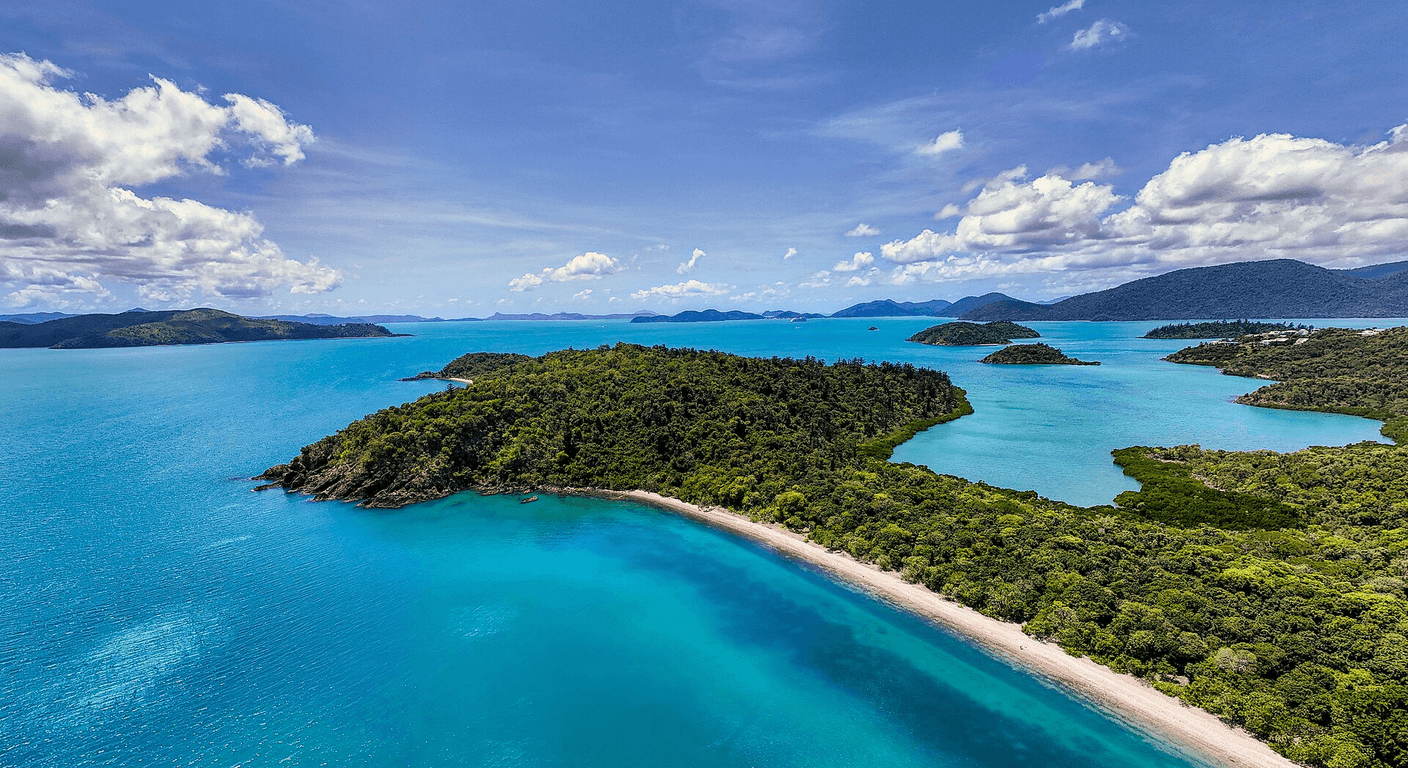
The beach will be there regardless. What changes is how you feel when you arrive — and whether you spend the return leg gripping a rail. Whitehaven Beach sits on Whitsunday Island, roughly 25 kilometres from Airlie Beach across the Whitsunday Passage. On a calm autumn morning that crossing is glorious. On a blustery winter day with a southerly swell running, it can be genuinely uncomfortable — particularly on a high-speed, inflatable-hulled raft vessel designed to skip across the water fast rather than move through it smoothly.
Large catamarans — the kind with twin hulls, a covered deck, seating inside and out, and a proper toilet — sit in the water differently. They're wider, more stable, and far less prone to the pounding motion that leaves some passengers nauseous before they've even reached the island. For a 69-year-old travelling solo, the calculus is straightforward: more hull, more comfort, more enjoyment. The trade-off is usually a slightly longer travel time, which is no trade-off at all.
Half-day versus full-day: which is actually worth it?
Half-day options exist, running roughly $150 or under in some cases, and they're not without merit — but they're tight. Factor in 90 minutes each way on the water and you're left with perhaps two hours on the island. That's enough to walk the beach and dip your feet in, but not enough to climb to Hill Inlet lookout and also sit quietly on the sand with a lunch in hand. The Whitsundays are a long way to come for a rushed look.
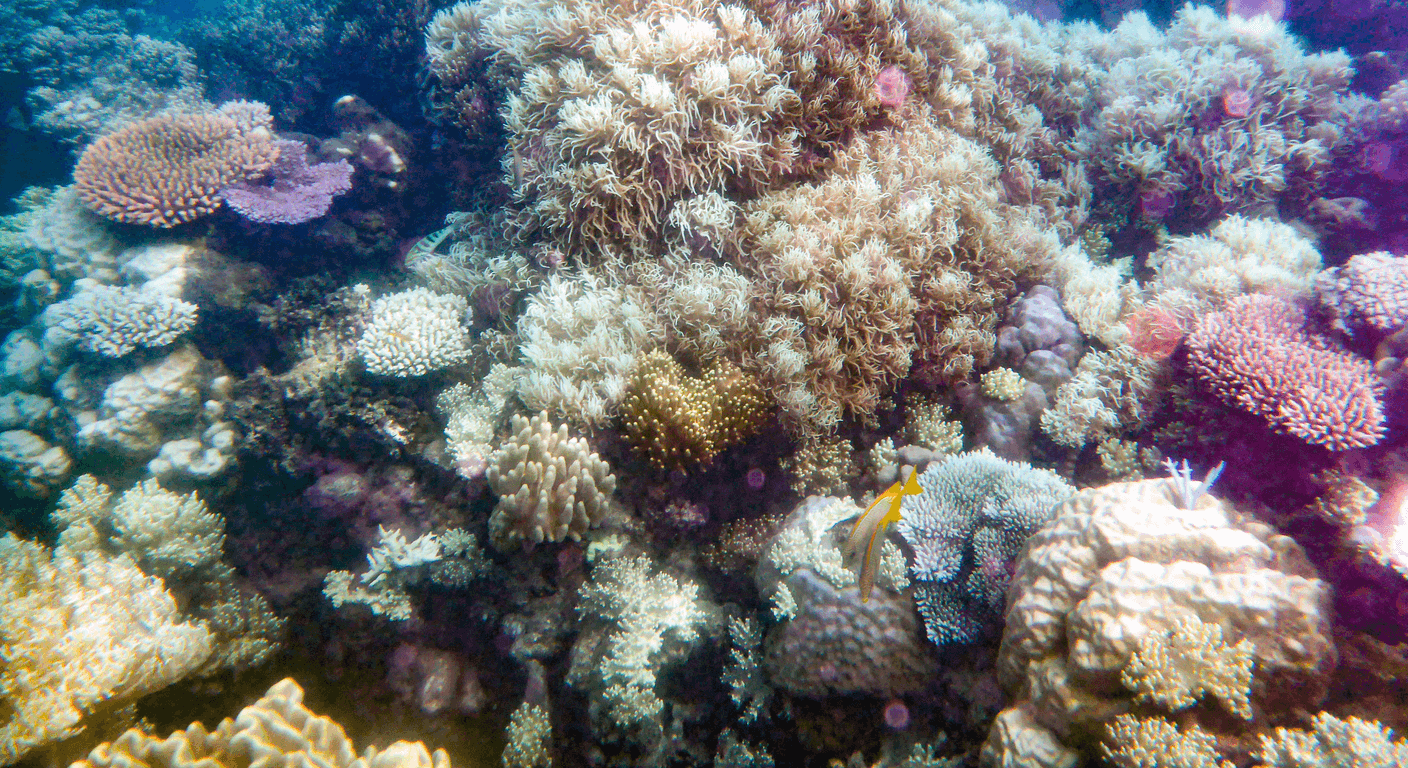
Full-day cruises — typically six to eight hours door to door, with four or more hours on or around the island — are the sensible choice. Prices run roughly $180–$250 per person for a quality catamaran experience; confirm current rates directly with operators as these shift seasonally. Some full-day itineraries also include a snorkel stop at a reef on the way back, which suits travellers who want variety without booking a separate trip.
A practical note for solo travellers: many catamaran operators price per person without a single supplement, making the full-day option genuinely cost-equivalent to what a couple pays each. Check when booking — it's not always obvious on the website.
What actually happens when you get there
Depending on the operator and tide, you'll either land at a small jetty or do a wet landing — stepping off a dinghy into ankle-to-knee-deep water and walking ashore. Neither is arduous, but it does mean shoes you're happy to get wet, or sandals you can slip off. Thongs are fine; anything with complex lacing is not. The beach itself is flat, wide, and easy walking — the sand is so fine it's almost powder, and the incline from waterline to tree line is gentle.
Shade, however, is genuinely scarce. The tree line provides some relief, but the beach faces north and the sun works on you from above and reflected off that white sand below. A broad-brimmed hat, SPF 50+ sunscreen, and a long-sleeve layer for the boat are not optional niceties — they're the difference between a good day and a sunburnt one. Most catamaran operators provide shade on deck; confirm this when booking if it matters to you.
The Hill Inlet lookout: honest assessment for over-50 travellers
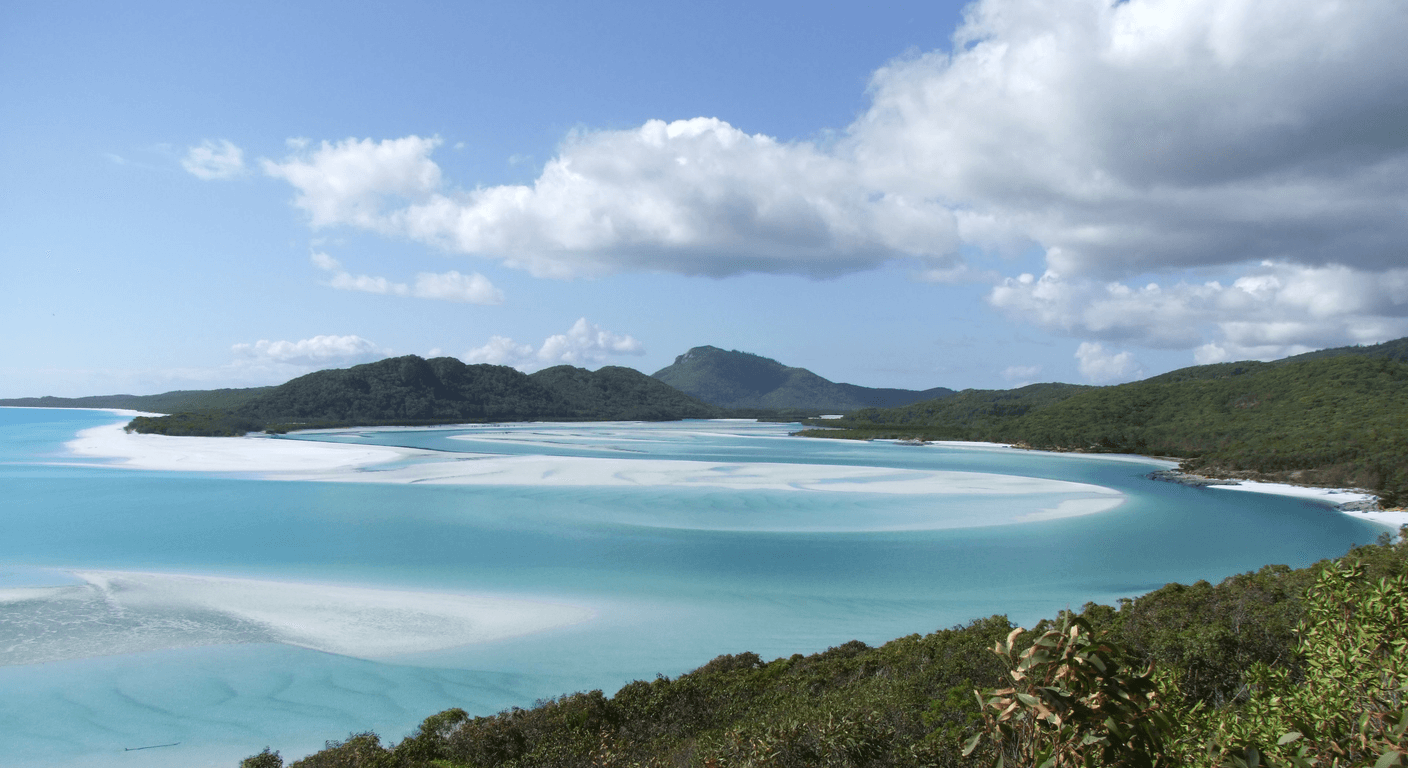
The swirling tidal pattern where Hill Inlet meets Whitehaven Beach — that image you've seen in every Whitsundays photograph — is best viewed from the lookout above. It's worth seeing. But the track to reach it requires a clear-eyed assessment before you set off.
The path climbs steeply through dry sclerophyll bush, with exposed tree roots and loose gravel underfoot. It takes around 20 minutes each way at a moderate pace and requires reasonable balance and confidence on uneven ground. There's no handrail. In the wet season the path can be slippery. For travellers with knee concerns, hip replacements, or any balance issues, this is genuinely the section to skip — the beach itself is spectacular and requires none of that effort.
If the lookout is a priority, wear proper enclosed shoes (not sandals), take water, and allow yourself time. Don't rush it on the way up. The view from the top is worth the effort for those who can do it comfortably; the beach is worth the trip for everyone else.
Stinger season: what you need to know
From roughly November through to May, tropical marine stingers — including box jellyfish and Irukandji — are present in Queensland's coastal waters. The Whitsundays sit at the southern edge of the highest-risk zone, but the risk is real and shouldn't be dismissed. Most reputable operators provide stinger suits (also called lycra suits or stinger nets) for swimming during this period; confirm before you book that suits are included, not an extra charge.
Wearing a stinger suit doesn't mean the water is off-limits — it means you swim with appropriate protection. The suits cover arms and legs and reduce risk significantly, though they're not a complete guarantee. For travellers who aren't strong swimmers or who'd rather not deal with the uncertainty, the April-to-October dry season is simply the more relaxed time to visit. The water is still warm, the skies are generally clear, and the passage crossing is at its most settled.
Getting to Airlie Beach from Victoria
Airlie Beach isn't a direct flight destination from Melbourne or most southern capitals — you'll fly into Proserpine (Whitsunday Coast Airport) or Hamilton Island, then transfer. Proserpine is typically the cheaper and more flexible option; it's about 30–40 minutes by road to Airlie Beach, with shuttle services available (confirm current operators at the airport). Hamilton Island has its own airstrip with direct flights from several capitals including Melbourne.
Airlie Beach itself is a compact, walkable town. Accommodation ranges from well-appointed resort-style hotels to smaller guesthouses; the main strip sits close to the marina where day cruises depart, so you won't need a hire car for the cruise itself. Arriving the day before your cruise is worth doing — a rest night after the flight, a relaxed dinner, and an early departure the next morning is a far better experience than rushing from airport to marina.
Choosing an operator: what to look for
The Airlie Beach marina has no shortage of operators spruiking day trips to Whitehaven Beach, and the quality varies. The key questions to ask before booking: What type of vessel — catamaran or high-speed raft? What is the maximum passenger number (smaller groups generally mean a better experience)? Are stinger suits, snorkel gear, and lunch included, or are these extras? Is there a toilet on board? What's the cancellation policy if weather causes a departure delay or rescheduling?
Cruise Whitsundays operates large, well-equipped catamarans and is one of the more established names in the region — worth checking their current schedules and inclusions at cruisewhitsundays.com. Tourism Whitsundays (tourismwhitsundays.com.au) maintains a directory of licensed operators and is a sensible starting point for comparing options. Read recent reviews on independent platforms, but weight the feedback from travellers who mention comfort and pacing — their experience is more relevant than that of a 25-year-old on a reef adventure.
Travel insurance with medical evacuation cover is non-negotiable for any offshore activity. If you have pre-existing conditions, declare them fully when taking out your policy — the Whitsunday Passage is beautiful but it is open water, and peace of mind is worth the premium.
Quick planning guide
| Ideal pace | Unhurried full day, not a rushed half-day |
|---|---|
| Best months | April to October, when the passage crossing is calmest and stinger risk is lowest |
| Suggested stay | Full-day cruise, roughly six to eight hours door to door |
| Mobility level | Moderate — the beach itself is flat and easy, but the Hill Inlet lookout track is steep, uneven and optional |
| Cost level | Mid-range, roughly $180-$250 per person for a full-day catamaran trip |
| Comfort level | High on a large stable catamaran; noticeably rougher on fast raft-style vessels in swell |
| Best for | Over-50 travellers wanting a scenic, low-effort beach day with an optional lookout climb for those who can manage it |
| Main planning consideration | Choosing a stable catamaran over a fast raft vessel, and booking the full-day option rather than a rushed half-day |
Key takeaways
- A large, stable catamaran is the right vessel choice for over-50 travellers crossing the Whitsunday Passage to Whitehaven Beach.
- Full-day cruises (roughly $180–$250 pp, confirm with operators) give you time to do both the beach and the Hill Inlet lookout without rushing.
- The Hill Inlet lookout track is steep, uneven, and requires solid footing — it's optional, and the beach alone justifies the trip.
- Shade on Whitehaven Beach is genuinely scarce: a broad-brimmed hat and SPF 50+ are essential, not optional.
- Stinger suits are recommended from November to May; confirm they're included, not an add-on cost, when booking.
- April to October offers the most settled seas, lowest stinger risk, and the most comfortable crossing — the clear sweet spot for planning.
Recommended partners and links
Indicative prices only — always confirm with the operator before booking.
Frequently asked questions
What is the most comfortable type of boat for the day cruise to Whitehaven Beach?
A large catamaran is the most comfortable option for the crossing from Airlie Beach to Whitehaven Beach. Twin-hulled catamarans sit lower and wider in the water than high-speed raft-style vessels, which reduces the pounding motion that can cause discomfort on choppy days. For travellers over 50, particularly those with back or joint sensitivities, choosing a catamaran over a fast inflatable tender makes a significant difference to how the day feels.
Is the Hill Inlet lookout suitable for seniors or travellers with mobility concerns?
The Hill Inlet lookout requires a 20-minute uphill walk on an uneven bush track with exposed tree roots, loose gravel, and no handrail. It is not suitable for travellers with significant knee, hip, or balance issues. Those who can manage moderate uneven terrain in enclosed shoes will find the view rewarding. The beach itself, however, is flat and accessible to most travellers and is spectacular in its own right — the lookout is entirely optional.
When is the best time to visit Whitehaven Beach from Airlie Beach?
April to October is the best time for most travellers over 50. Seas are generally calmer, stinger risk is lower, temperatures are comfortable, and the sky is typically clear. The wet season (November to April) brings humidity, higher stinger risk, and rougher crossing conditions, though experienced operators still run trips and stinger suits are provided.
Are there stingers at Whitehaven Beach, and how is the risk managed?
Tropical marine stingers, including box jellyfish and Irukandji, are present in Whitsunday waters from approximately November through May. Most reputable operators provide stinger suits (lycra full-body suits) for swimming during this period. Confirm before booking that suits are included in the price. Travelling between April and October reduces stinger risk significantly, though it does not eliminate it entirely.
How do you get to Airlie Beach from Melbourne or other southern capitals?
There are no direct flights to Airlie Beach itself. From Melbourne and most southern capitals, you fly into Proserpine (Whitsunday Coast Airport) or Hamilton Island, then transfer to Airlie Beach. Proserpine is around 30–40 minutes from Airlie Beach by road shuttle; Hamilton Island has its own airstrip. Confirm current flight routes and shuttle services before booking, as these change seasonally.