The giant Australian cuttlefish aggregation near Whyalla, South Australia, runs from May to August, with June and July the peak weeks. A four- to five-night trip gives a comfortable, unhurried pace, combining a guided snorkel at Point Lowly with time in Whyalla and Adelaide. The defining highlight is the world's largest known gathering of this cephalopod species, seen up close in cold, shallow water. Mobility is moderate, given the rocky shore entry, and access is straightforward by flying Melbourne to Adelaide then connecting by air or hire car to Whyalla.
Why Whyalla in Winter Makes Sense for Over-50 Travellers
There is something quietly satisfying about having a very specific reason to travel. Whyalla in winter gives you exactly that. Between May and August each year, the rocky shallows around Point Lowly, roughly 30 kilometres north of the town centre, become the breeding ground for the world's largest known aggregation of Australian giant cuttlefish (Sepia apama). Nowhere else on Earth do these animals gather in such numbers — estimates regularly run into the hundreds of thousands — and the visual display of colour, texture and movement they produce is unlike anything in the natural world.
For travellers in their 60s and 70s, the timing works well. Winter fares and accommodation in South Australia tend to be softer than peak season, the crowds are manageable, and the experience itself is unhurried. You are not competing with school-holiday families or festival queues. The town of Whyalla is practical, has decent services, and the locals are straightforwardly welcoming — the kind of place where a solo traveller feels comfortable rather than conspicuous.
What Are Giant Australian Cuttlefish, and What Will You Actually See?
The giant Australian cuttlefish is the world's largest cuttlefish species, reaching up to half a metre in length. They are cephalopods — relatives of octopus and squid — and their ability to change colour, pattern and even skin texture in real time is extraordinary. During the breeding aggregation at Whyalla, males dramatically outnumber females, sometimes ten to one, which drives intense competitive displays. Males pulse vivid colours across their bodies, mimic females to sneak past rivals, and position themselves with a persistence that makes for compelling, slow-paced wildlife watching.
In the water, the cuttlefish are largely unbothered by snorkellers who move carefully and stay horizontal. You may find yourself hovering a metre above an animal that simply regards you, shifts its chromatophores through amber and white and deep brown, and continues about its business. The experience is intimate in a way that wildlife documentaries cannot quite replicate. Outside the water, even from the rocky shore at Point Lowly, patient observers can often spot animals in the very shallow margins, particularly in calmer conditions.
Getting to Whyalla: Your Practical Options from Victoria
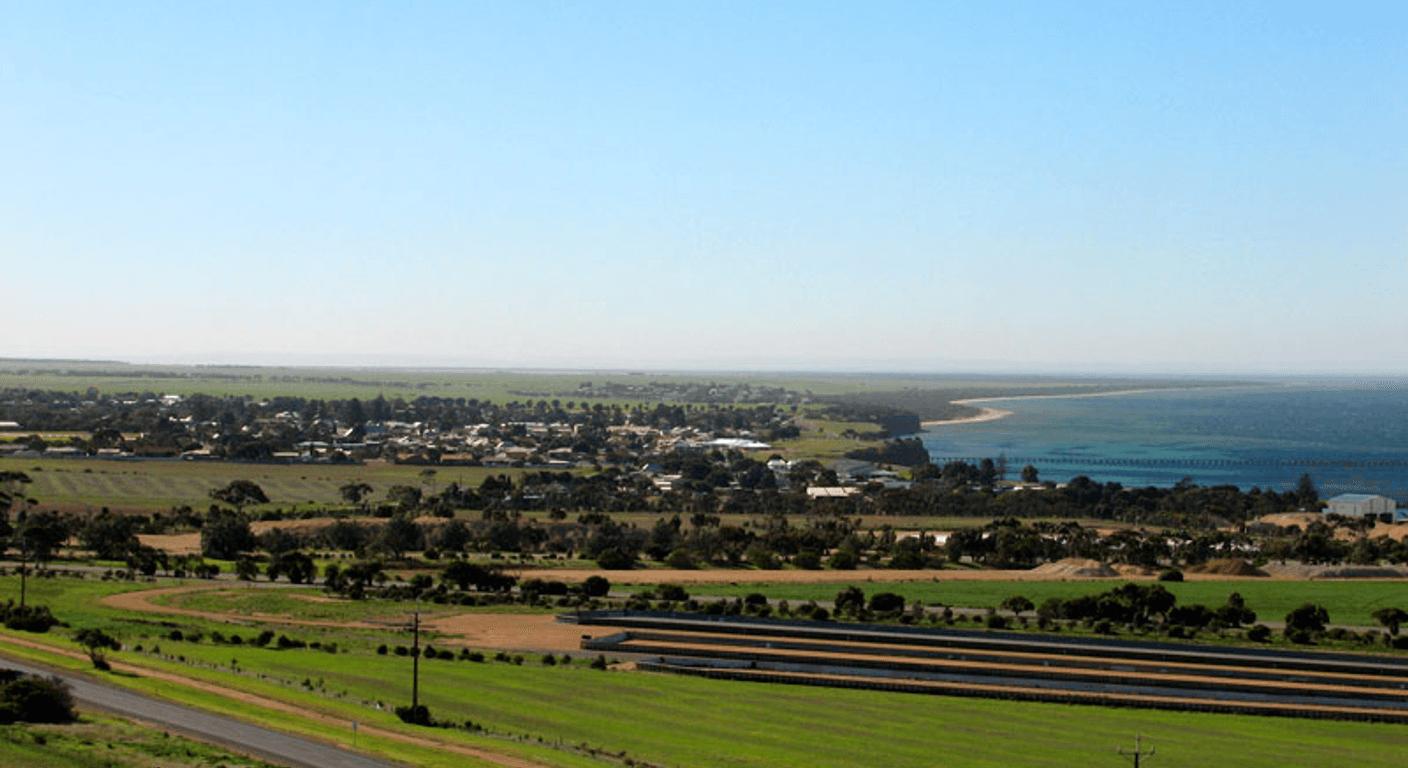
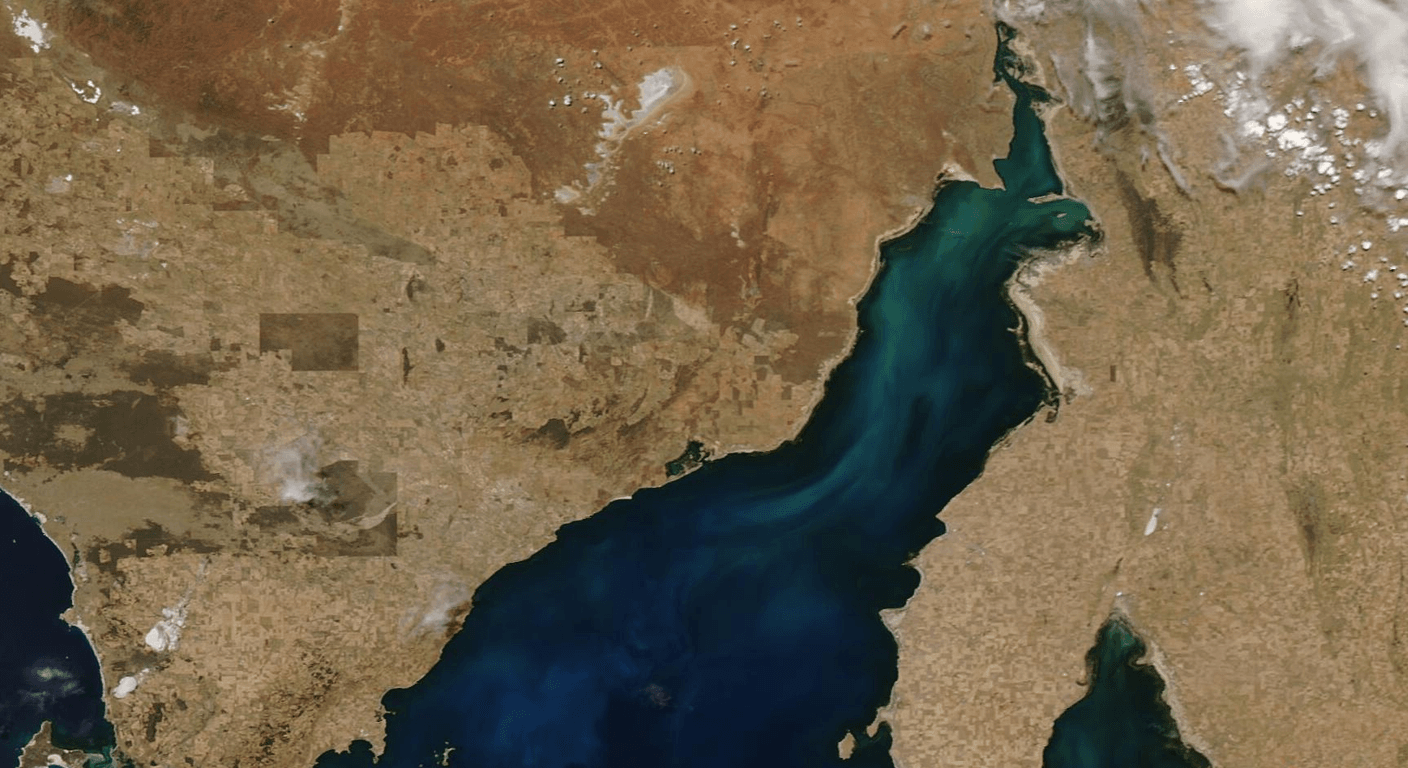
Whyalla sits on the upper Spencer Gulf in South Australia, roughly 390 kilometres north-west of Adelaide by road. From Victoria, the most comfortable approach for a solo traveller is to fly Melbourne to Adelaide — a short hop on multiple daily services via Qantas, Virgin Australia or Rex — then either hire a car in Adelaide for the drive north, or take a connecting Rex Airlines flight from Adelaide to Whyalla Airport, which cuts the journey to under an hour in the air. Indicative Rex fares between Adelaide and Whyalla run around $120–$200 one way; confirm current pricing at rex.com.au.
If you prefer to drive from Adelaide, the route via Port Augusta on the Augusta Highway is straightforward and largely flat. The drive takes around four hours and passes through the southern Flinders Ranges country, which has its own winter appeal. A hire car gives you flexibility to reach Point Lowly on your own schedule, which matters when you want to time a snorkel around a calm morning or catch the light in the afternoon shallows. Whyalla itself has a central accommodation strip with motels, a caravan park and some self-contained options; book ahead for the peak cuttlefish weeks of June and July.
Snorkelling the Cuttlefish: What to Expect, and Is It Right for You?
The water at Point Lowly during cuttlefish season sits at roughly 12 to 14 degrees Celsius. That is cold — genuinely cold — and a thick wetsuit is not optional, it is essential. Reputable guided tour operators provide full wetsuit hire as part of their packages, along with mask, snorkel and fins, and guides who know the site well and will brief you thoroughly before entry. Indicative tour pricing runs around $100 to $150 per person; confirm current rates and what is included directly with operators such as Whyalla Diving Services (whyalladiving.com.au).
The entry at Point Lowly is over rocks, which is the most physically demanding part of the experience. It requires reasonable balance and confidence on uneven surfaces; guides assist participants and will be honest with you about whether conditions on a given day are suitable. If you have knee or hip concerns, discuss this directly with the operator when booking — some tours and some days are better suited to those with mobility considerations than others. The snorkelling itself, once you are in, is shallow (often one to three metres) and relatively gentle. You do not need to be a strong swimmer, but you do need to be comfortable floating face-down in cold water for 45 minutes to an hour.
Solo travellers — particularly women travelling alone — consistently report that joining a guided group is the right call here, both for safety and for the simple pleasure of sharing the experience with others who are just as absorbed by what they are seeing. Operators are accustomed to solo bookings and the group dynamic is typically congenial.
For Non-Swimmers: How to Experience the Cuttlefish Without Getting In
Snorkelling is not the only way to connect with the cuttlefish season, and anyone who has reservations about cold water or rocky entry should not feel they are missing the point of the trip. The Whyalla Visitor Information Centre (whyalla.com) provides context on the aggregation, its biology and its conservation history, and staff there can direct you to viewing conditions and local knowledge. On calm days, the animals are visible from the shore at Point Lowly in very shallow water — bring polarising sunglasses to cut the surface glare and take your time.
Whyalla also has the Whyalla Maritime Museum, which sits alongside the former HMAS Whyalla, a corvette that was beached as a tourist attraction. The town's industrial history — it was the site of a major BHP steelworks for decades — gives it a texture that rewards a curious visitor. A two- or three-night stay allows time for both the wildlife and the town itself, which suits a slower, more considered travel pace.
Pacing the Trip: A Suggested Framework for a Solo Traveller
A four- to five-night itinerary works well. Fly into Adelaide, spend a night there to break the journey and eat well — Adelaide's central market precinct is genuinely good — then drive or fly to Whyalla the following day. Arrive with enough time to visit the Visitor Centre, get your bearings, and do a late-afternoon shore walk at Point Lowly to settle in. Book your guided snorkel for the second or third morning, when you are rested and the conditions are most likely to be assessed fresh.
Use remaining days for a drive to the southern Eyre Peninsula if conditions and energy allow — Port Augusta is an hour south and has the Arid Lands Botanic Garden, which is flat, accessible and quietly absorbing. Return to Adelaide with a night to spare before flying home; this buffer removes the anxiety of tight connections and gives you time to pick up something from the Adelaide Central Market to bring back to Victoria. Travelling without a rigid schedule, but with a clear centrepiece experience, is a format that tends to suit solo travellers in this age group very well.
Practical Considerations: Health, Comfort and Getting the Details Right
If you take regular medication, carry enough for the full trip plus a few extra days. The cuttlefish season coincides with South Australian winter, so pack genuine warmth: a thermal underlayer, a weatherproof outer layer, and wool socks for after the snorkel. The wind off Spencer Gulf is unforgiving on a wet body. Most guided operators will have a changing area or at least shelter, but ask when you book.
Travel insurance that covers medical evacuation is worth having for any interstate trip, and particularly one that involves water-based activity in cold conditions. Declare any relevant health conditions to your insurer before you go. If you have a heart condition or respiratory concerns, speak to your GP before committing to cold-water snorkelling — the thermal shock of entry into 12-degree water is real, and it is better to know your limits before you are standing on a rock in a wetsuit.
The South Australia Tourism Commission website (southaustralia.com) maintains current operator listings and seasonal information for the Whyalla cuttlefish aggregation. Check it in the months before you travel for any updates to access arrangements at Point Lowly, which is on land managed in part by local councils and subject to occasional changes.
Quick planning guide
| Ideal pace | Slow and unhurried, built around one centrepiece activity |
|---|---|
| Best months | May to August, peaking in June and July |
| Suggested stay | Four to five nights, including a night in Adelaide each way |
| Mobility level | Moderate — rocky shore entry requires reasonable balance, though guides assist and shore viewing is a gentler alternative |
| Cost level | Mid-range — indicative guided tours $100–$150pp and Adelaide–Whyalla flights $120–$200 one way |
| Comfort level | Cold-water conditions (12–14°C) demand a full wetsuit and genuine winter layering onshore |
| Best for | Solo travellers in their 60s and 70s wanting a purposeful, guided wildlife experience |
| Main planning consideration | Book guided snorkel tours and Whyalla accommodation ahead for June–July, and discuss any mobility concerns with the operator when booking |
Key takeaways
- The giant Australian cuttlefish aggregation near Whyalla runs roughly May to August and is the largest known gathering of this species anywhere on Earth.
- Water temperature sits around 12 to 14 degrees Celsius — a thick wetsuit provided by tour operators is essential, not optional.
- Guided snorkel tours run around $100 to $150 per person (indicative); confirm current pricing and inclusions directly with operators before booking.
- Rocky shore entry at Point Lowly requires reasonable balance; discuss mobility considerations with your operator when booking.
- Non-swimmers can observe cuttlefish from the shore on calm days and learn the full story at the Whyalla Visitor Information Centre.
- A four- to five-night itinerary flying Melbourne–Adelaide then connecting to Whyalla gives a comfortable, unhurried pace for a solo traveller.
Recommended partners and links
Indicative prices only — always confirm with the operator before booking.
Frequently asked questions
When is the best time to see the giant cuttlefish at Whyalla?
The aggregation runs roughly May to August each year, with June and July typically the peak weeks when numbers are highest. Conditions vary day to day, so building flexibility into your itinerary — ideally a few days in the area — gives you the best chance of a calm, clear snorkel day.
Do you need to be a strong swimmer to snorkel with the cuttlefish?
You do not need to be a strong swimmer, but you need to be comfortable floating face-down in cold water for around 45 minutes to an hour. The snorkelling is shallow, typically one to three metres, and conducted with a guide. Cold water — around 12 to 14 degrees — is the main physical challenge, and a wetsuit provided by the operator manages this.
Can you see the cuttlefish without going in the water?
Yes. On calm days, giant cuttlefish are visible from the rocky shore at Point Lowly in very shallow water. Polarising sunglasses help cut surface glare. The Whyalla Visitor Information Centre also provides context on the aggregation for those who prefer to stay dry.
How do you get from Melbourne to Whyalla?
Fly Melbourne to Adelaide, then either hire a car for the roughly four-hour drive north via Port Augusta, or take a connecting Rex Airlines flight from Adelaide to Whyalla Airport. Indicative Rex fares run around $120–$200 one way; confirm current pricing at rex.com.au.
Is Whyalla suitable for solo female travellers in their 60s and 70s?
Whyalla is a straightforward, practical regional city where solo travellers are comfortable and unremarkable. Joining a guided snorkel tour is the recommended approach for solo visitors — it provides safety, gear support, and the company of a small group. Operators are accustomed to solo bookings and the experience is well-suited to independent travellers who want structure around the main activity.