Ten wildlife and soft-adventure destinations, from Borneo's boardwalk orangutan encounters to Iceland's Blue Lagoon, are graded Gentle, Moderate or Demanding for effort in this collection for over-50 travellers. Most itineraries run seven to ten days, with best seasons varying by destination — often differing from the cheapest time to fly. Access typically means long-haul flights from Melbourne, with indicative per-person costs from around AUD 4,500 to over AUD 18,000, and accessible alternatives offered wherever the headline activity proves too strenuous.
How to use this guide
Each of the ten destinations below carries an honest effort grade: Gentle, Moderate, or Demanding. Gentle means accessible boardwalks and flat terrain; Moderate means some uneven ground, hills, or extended walking that a reasonably active person over 60 can manage with appropriate footwear and pacing; Demanding means genuine physical challenge — altitude, steep terrain, or sustained exertion — where pre-trip fitness preparation matters and some travellers may find the headline activity beyond their comfortable range. Accessible alternatives are noted wherever they exist.
Costs throughout this guide are indicative only, expressed in Australian dollars, and should be confirmed with providers before any booking. Exchange rates, fuel surcharges, and seasonal pricing shift constantly. Where a price is given, treat it as a rough orientation, not a quote. The guide is written from a Victorian traveller's perspective, so flight times and costs are loosely anchored to Melbourne departures.
A word on pace: one of the most useful things an over-50 traveller can do is build buffer days into any itinerary involving long-haul flights or altitude change. Arriving a day or two early before a physically demanding activity — gorilla trekking, a full-day Patagonia hike — is not a luxury; it is genuinely practical travel planning. Every section below notes the best season for the activity, which often differs from the cheapest season to fly.
1. Borneo orangutan encounters — why this suits older travellers
Effort grade: Gentle to Moderate. Seeing wild or semi-wild orangutans at sanctuaries and forest lodges in Sabah, Malaysian Borneo, is one of the most emotionally rewarding wildlife experiences available to older travellers, and it does not require extreme fitness. The Sepilok Orangutan Rehabilitation Centre near Sandakan has well-maintained boardwalks and viewing platforms that are accessible to most visitors. River cruises along the Kinabatangan — where proboscis monkeys, pygmy elephants and orangutans are all possible sightings — involve sitting in a boat, which suits those who find extended walking difficult.
Best season: March to October, when rainfall is lower and wildlife is more active along riverbanks. Avoid the wetter months of November through February if mobility on slippery boardwalks is a concern. Indicative cost for a week-long Sabah wildlife itinerary including flights from Melbourne, mid-range lodge accommodation, and guided river cruises sits roughly in the AUD 4,500–7,000 per person range — confirm all components with your operator. Sandakan is reached via Kota Kinabalu, which has good connections from major Australian gateways.
Accessible alternative: For those who prefer to avoid any forest walking entirely, the Labuk Bay Proboscis Monkey Sanctuary near Sandakan offers platform-based viewing with minimal walking. The combination of Sepilok and a Kinabatangan river cruise can be done almost entirely from seated positions, making Borneo one of the more accessible international wildlife destinations for older travellers.
2. Costa Rica rainforest eco-lodges — birdwatching, light ziplining and gentle trails
Effort grade: Gentle to Moderate, depending on activities chosen. Costa Rica has built an impressive eco-tourism infrastructure over decades, and the country's lodges — particularly in the Monteverde cloud forest and around the Osa Peninsula — are genuinely geared for guests who want to experience biodiversity without high exertion. Guided birdwatching walks move at the pace of the slowest participant; early morning is optimal, and sessions rarely exceed two to three hours. The country's diversity is extraordinary: around 900 bird species, plus sloths, howler monkeys, and poison dart frogs visible from well-maintained trails.
Ziplining in Costa Rica is widely marketed as an adventure activity, but at many reputable operators the experience is more about a seated harness ride through forest canopy than athletic exertion. That said, reaching platforms involves stairs and some uneven ground, so it is worth asking operators directly about the physical requirements before committing. Best season for wildlife activity and drier trail conditions is December through April. Indicative cost for a ten-day Costa Rica eco-lodge itinerary including Melbourne flights is roughly AUD 6,000–10,000 per person — treat this as a broad orientation and confirm with a travel specialist.
Accessible alternative: Travellers who prefer to avoid ziplines entirely will find that a Monteverde suspension bridge walk through cloud forest canopy — a series of hanging bridges at tree height — offers a comparable sense of immersion with far less physical demand. Guided birdwatching from lodge verandas is also a legitimate and deeply satisfying option at quality eco-lodges, particularly at dawn.
3. Rwanda gorilla trekking — honest about fitness, altitude and cost
Effort grade: Demanding. This needs to be stated plainly: gorilla trekking in Volcanoes National Park, Rwanda, is a genuinely strenuous activity. Treks range from one hour to six hours of hiking through dense, steep, muddy forest at altitudes typically between 2,500 and 3,000 metres. The altitude alone can affect breathing for travellers unaccustomed to it, and the terrain is uneven and slippery. Porters are available to assist — strongly recommended for over-60 travellers — and the Rwanda Development Board has made genuine efforts to match trekking groups to gorilla families at varying elevations based on participant fitness. However, this is not a walk in a national park; it requires a reasonable baseline of cardiovascular fitness and sturdy waterproof boots.
The cost is significant: a single gorilla trekking permit is currently priced at USD 1,500 per person (confirm the current AUD equivalent and any changes at rwandatourism.com). Permits are limited and managed by the Rwanda Development Board, which is the official body to consult for current availability. A full Rwanda gorilla trek itinerary — flights from Melbourne via a Middle Eastern or African hub, Kigali accommodation, park fees, and a lodge near Volcanoes National Park — would indicatively run AUD 10,000–18,000 per person or more, depending on lodge standard. This is a high-investment, high-reward trip. Best season is June through September and December through February, when trails are relatively drier.
Accessible alternative: For those who want a Rwanda wildlife experience without the gorilla trek, chimpanzee tracking in Nyungwe Forest is available and some routes are shorter and lower in altitude. Kigali itself is a clean, safe, and walkable city with a strong cultural tourism offer including the Kigali Genocide Memorial, which provides important historical context for the country. Golden monkey trekking in Volcanoes National Park is also available and generally involves shorter, less strenuous hikes than gorilla trekking.
4. Denali National Park, Alaska — wildlife from the road and river
Effort grade: Gentle to Moderate, depending on activities chosen. Denali is one of North America's great wilderness parks, and the key thing older travellers should know is that private vehicles are not permitted beyond the park entrance area — access is by park bus along the Denali Park Road, which means wildlife viewing (grizzly bears, caribou, moose, Dall sheep, wolves) happens from a seated position in a vehicle. This is one of the most accessible large-wilderness experiences in the world for travellers who cannot manage extended hiking. The park's visitor centre at the entrance is fully accessible, and ranger-led walks near the entrance are gentle.
Best season is late May through early September; the park road is fully open from late May. Midnight sun conditions in June and July mean extraordinary light for photography. Indicative cost for a ten-day Alaska trip from Melbourne — flights via a US gateway, Anchorage accommodation, Denali lodge or park-area hotel, and park bus tickets — sits roughly in the AUD 8,000–14,000 per person range; confirm all components. Adding a small-ship or river cruise along the Kenai Peninsula is popular with older travellers and adds minimal exertion.
Accessible alternative: For those who find bus travel uncomfortable over long periods, a flightseeing tour over Denali — small aircraft or helicopter, depending on budget and weather — offers an extraordinary perspective on North America's highest peak (6,190 metres) and the surrounding wilderness with no physical exertion. Several operators run these from Talkeetna, the small town south of the park that serves as a base for many visitors.
5. The Canadian Rockies aboard the Rocky Mountaineer — scenery from a glass-domed carriage
Effort grade: Gentle. The Rocky Mountaineer is one of the world's most celebrated scenic rail journeys, and it is ideally suited to over-50 travellers precisely because the primary activity is sitting in a glass-domed carriage and watching the Canadian Rockies pass by. The standard Rainforest to Gold Rush route runs between Vancouver and Jasper (or Banff), passing through dramatic mountain terrain, river valleys, and gorges. Meals are served on board; commentary is provided by hosts. The journey is done in daylight only, with overnight stops in hotels along the route.
Best season is April through October; peak colour in the Rockies for autumn foliage is mid-September to mid-October, which is a popular choice for older travellers. Indicative pricing for the two-day rail journey in GoldLeaf Service (the premium dome carriage) starts at roughly AUD 2,000–2,800 per person for the rail segment alone — confirm current pricing at rockymountaineer.com as pricing varies significantly by route, service class, and season. A full Canadian Rockies itinerary including Melbourne flights, Vancouver and Banff accommodation, and the rail journey would indicatively run AUD 9,000–16,000 per person or more.
Many travellers combine the Rocky Mountaineer with a few days in Banff or Jasper, where accessible lakeside walks — Lake Louise, Moraine Lake, Maligne Lake — are among the most photographed landscapes in the world. These are mostly flat or gently graded paths suitable for most mobility levels. Banff and Jasper both have good visitor infrastructure including accessible accommodation options.
6. Yellowstone's accessible geothermal boardwalks — nature without the hike
Effort grade: Gentle. Yellowstone National Park in Wyoming, USA, has one of the highest concentrations of genuinely accessible natural wonders of any national park on earth. The Upper Geyser Basin — home to Old Faithful — has a network of flat, paved boardwalks that allow visitors to walk among geysers, hot springs, and mud pools with minimal effort. Old Faithful itself erupts on a predictable schedule (roughly every 90 minutes, though this varies — the visitor centre posts predictions), and the viewing area is fully accessible. The Grand Prismatic Spring, Yellowstone's most visually dramatic geothermal feature, can be viewed from a boardwalk, though the overlook trail is a moderate uphill walk.
Best season for Yellowstone is May through October; the park partially closes in winter. June and September are generally less crowded than July and August, which can be very busy. Indicative cost for a ten-day Yellowstone and Grand Teton itinerary from Melbourne — flights via Los Angeles, rental car or organised tour transport, and lodge or hotel accommodation — sits roughly in the AUD 6,500–11,000 per person range; confirm all costs. Yellowstone Lodge and several park hotels are bookable through the official park concessioner, Xanterra, well in advance.
Accessible alternative: For travellers who use wheelchairs or have limited mobility, the National Park Service publishes accessibility guides for Yellowstone that are worth downloading before arrival (nps.gov/yell). Many of the park's most remarkable features — the geysers, the bison herds visible from roads, the canyon viewpoints — are accessible from vehicles or short paved paths. This is one of the few places in the world where a traveller with significant mobility limitations can still have a genuinely wild nature experience.
7. Iceland's Blue Lagoon and beyond — geothermal comfort with scenic context
Effort grade: Gentle. Iceland's Blue Lagoon geothermal spa near Reykjavik is the country's most visited attraction and, for older travellers, one of the world's more accessible and restorative experiences. The mineral-rich water sits at around 37–39 degrees Celsius; the milky blue colour comes from silica and algae. Entry is by timed booking only — the official site is bluelagoon.com — and the facility has changing rooms, lockers, and in-water bars and mask stations. The lagoon floor is uneven in places, and the entry into the water requires some steps; staff are generally helpful for guests who need assistance.
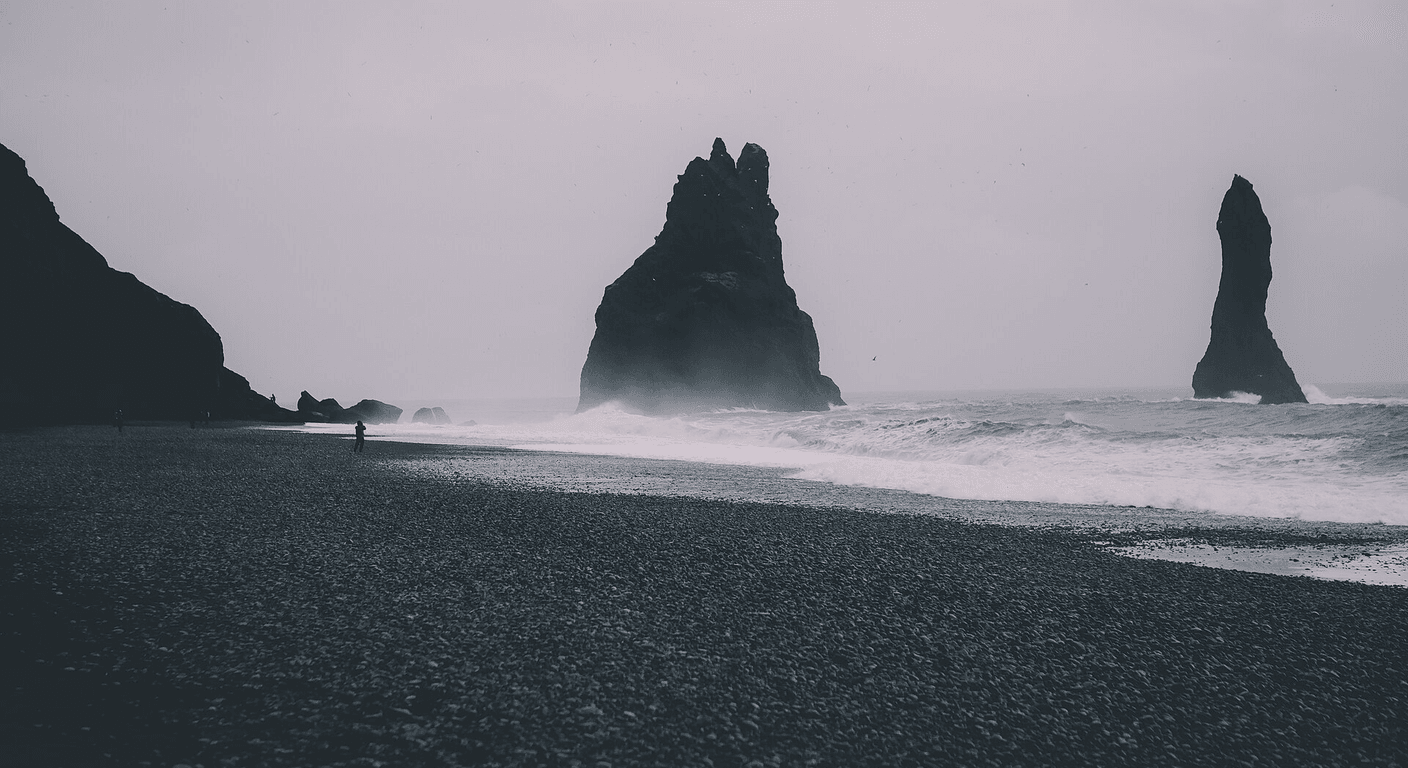
Iceland beyond the Blue Lagoon rewards over-50 travellers with a landscape of waterfalls, geysers, and black sand beaches accessible from the Ring Road with minimal hiking. The Golden Circle — Þingvellir National Park, the Geysir geothermal area, and Gullfoss waterfall — can all be done largely from short, mostly flat paths. Best season depends on priorities: the Northern Lights are visible from September through March in clear conditions, while the midnight sun and most accessible road conditions apply from May through August. Indicative cost for a ten-day Iceland trip from Melbourne — flights via a European or Middle Eastern hub, Reykjavik hotel, and a mix of guided day tours and Blue Lagoon entry — sits roughly in the AUD 7,000–13,000 per person range; confirm all costs.
Accessible alternative: For travellers who find the Blue Lagoon's crowd levels uncomfortable, the Secret Lagoon (Gamla Laugin) near Flúðir is a smaller, quieter geothermal pool with a more rustic setting. Mývatn Nature Baths in northern Iceland offer a similar mineral-bathing experience in a less-visited region. Both are worth researching directly for current access and booking arrangements.
8. Patagonia via well-supported day hikes — the end of the earth, at a manageable pace
Effort grade: Moderate to Demanding, depending on routes chosen. Patagonia — spanning the southern tip of Chile and Argentina — is genuinely remote and the weather is famously unpredictable, but it does not require extreme fitness if approached with realistic planning. Torres del Paine National Park in Chilean Patagonia is the headline destination; the full 'W Trek' multi-day route is beyond the comfortable range of most over-60 travellers without strong hiking fitness, but day hikes from comfortable base lodges within or near the park — to Lake Grey, the Mirador Las Torres viewpoint (a strenuous full day), or shorter valley walks — are achievable for moderate-fitness older travellers with trekking poles and a good guide.
The key for over-50 travellers in Patagonia is choosing a well-supported itinerary with a reputable operator who uses quality lodge accommodation rather than camping, and who builds in rest days. Several operators specialising in supported Patagonia journeys offer exactly this model. Best season is November through March (southern hemisphere summer); outside this window, weather and park access become significantly more challenging. Indicative cost for a twelve-day supported Patagonia lodge itinerary from Melbourne — flights via Santiago or Buenos Aires, internal flights or transfers, and lodge-based guided days — sits roughly in the AUD 10,000–18,000 per person range; this is a premium destination and costs reflect it.
Accessible alternative: El Calafate in Argentine Patagonia, close to the Perito Moreno Glacier, offers one of the world's most dramatic glacier viewing experiences from a network of paved and boardwalk paths that require only moderate walking. Watching active ice calving from the walkways at Perito Moreno — a free-standing glacier that is one of the few in the world not currently retreating — is a profound nature experience that does not require any strenuous hiking.
9. South African private-reserve safari — the most comfortable way to see big wildlife
Effort grade: Gentle. A private-reserve safari in South Africa — particularly in the Greater Kruger area, including reserves such as Sabi Sand, Timbavati, or Thornybush — is one of the best-matched wildlife experiences in the world for older travellers. The activity is almost entirely vehicle-based: open-sided 4WD game drive vehicles, driven by trained rangers with expert trackers, do the work of finding wildlife. Guests sit in elevated, comfortable seats. Morning and afternoon game drives typically run three to four hours each; midday is spent at the lodge resting, eating, or using the pool. The pace is unhurried and the lodges are generally of a high standard, many with genuine accessibility features.
Best season for wildlife viewing is the dry winter months of May through September, when vegetation is lower and animals congregate around water sources, making sightings more reliable. This is also a pleasant temperature range — cool mornings, mild afternoons — for older travellers. Indicative cost for a seven-night private-reserve safari from Melbourne — flights via Johannesburg, transfers, and full-board lodge accommodation with game drives — sits roughly in the AUD 8,000–18,000 per person or more, depending strongly on lodge standard. Private reserves command a premium over Kruger National Park's public camps, but the exclusivity, lower vehicle numbers, and ability to go off-road make the difference meaningful for wildlife quality.
Accessible alternative: For travellers with significant mobility limitations, it is worth asking private lodges directly about their vehicle access arrangements. Some lodges have ramps or modified vehicles; others do not. Phoning or emailing ahead with specific needs is the only reliable way to confirm. Johannesburg-based travel specialists with expertise in accessible South Africa safari planning are a useful resource. A walking safari — guided walks in the bush — is available at many reserves as an add-on for those with reasonable fitness, and offers a completely different sensory experience to vehicle-based drives.
10. Ireland's Cliffs of Moher trails — coastal drama at a gentle pace
Effort grade: Gentle to Moderate. The Cliffs of Moher on Ireland's Wild Atlantic Way in County Clare are among Europe's most dramatic coastal landscapes — sheer limestone cliffs dropping around 200 metres to the Atlantic, stretching for eight kilometres. The main visitor centre (cliffsofmoher.ie) sits at the top of the cliffs and is fully accessible, with paved paths to the primary viewing areas. The cliff-top trail extending north and south from the visitor centre is unpaved and can be uneven in places, and wind is a constant factor, but it is walkable for most reasonably mobile older travellers with sensible footwear. The views reward even a short walk from the main platforms.
Best season for the Cliffs of Moher is May through September for the most reliable weather, though Ireland's weather is famously variable and layers are advisable year-round. The Burren — the extraordinary limestone karst landscape inland from the cliffs — is worth combining into any Cliffs visit; it is largely flat and walkable, with wildflowers in May and June that botanists consider remarkable. Indicative cost for a ten-day Ireland itinerary from Melbourne — flights via a European hub, hire car or small-group tour transport around the west coast, and mid-range hotel or B&B accommodation — sits roughly in the AUD 6,000–11,000 per person range; confirm all components.
Accessible alternative: The Cliffs of Moher visitor centre itself (cliffsofmoher.ie) has excellent accessible facilities including an underground exhibition about the cliffs' geology and ecology that is worth an hour of anyone's time regardless of mobility. Travellers who cannot manage the cliff path can have a fully satisfying visit from the main platform and centre. A boat tour from Doolin village, running below the cliffs, offers a completely different perspective — sea-level views looking up — and requires only the ability to board a small vessel at a pier.
Planning across all ten destinations — practical advice for over-50 travellers
Travel insurance is non-negotiable for any of these trips, and the policy must cover the specific activities planned — particularly for gorilla trekking, Patagonia hiking, or any activity with a meaningful physical demand. Travellers with pre-existing health conditions should obtain medical clearance from their GP before booking demanding trips such as Rwanda, and should disclose conditions fully to their insurer. DFAT's Smartraveller service (smartraveller.gov.au) publishes current travel advisories for all destinations in this guide and is worth checking at the planning stage and again before departure.
Packing for nature travel as an older traveller benefits from a few consistent principles: moisture-wicking layers rather than heavy clothing, quality walking or hiking shoes broken in well before departure, a lightweight daypack, trekking poles for any destination with uneven terrain, and a small medical kit including any prescription medications in sufficient supply for the full trip plus extras. For destinations with altitude — Rwanda, Patagonia, Canada — discussing acclimatisation with a GP is worthwhile. Melatonin for jet lag management and compression socks for long-haul flights are widely recommended by experienced older travellers.
Small-group tours with operators who specialise in nature travel for older adults offer a meaningful advantage: guides who pace walks appropriately, itineraries with built-in rest time, and fellow travellers who share similar priorities. Intrepid Travel (intrepidtravel.com/au) has a range of small-group nature itineraries across several destinations in this guide. For independently minded travellers, combining a self-drive component (Ireland, Canadian Rockies) with a few guided activities gives the best of both flexibility and expert local knowledge.
Quick planning guide
| Ideal pace | Relaxed, with buffer days built in around long-haul flights and altitude changes |
|---|---|
| Best months | Varies by destination — each trip has its own optimal season, often different from the cheapest time to fly |
| Suggested stay | 7–10 days per destination |
| Mobility level | Gentle to Demanding depending on destination, with accessible alternatives noted throughout |
| Cost level | Mid-range to premium (indicative AUD 4,500–18,000+ per person) |
| Comfort level | Comfortable — eco-lodges, glass-domed trains and boardwalk viewing platforms feature across most trips |
| Best for | Over-50 travellers wanting genuine wildlife and nature experiences without punishing exertion |
| Main planning consideration | Confirm current costs and permit availability with operators, and allow buffer days before physically demanding activities |
Key takeaways
- Gorilla trekking in Rwanda is genuinely demanding — altitude, steep terrain, and six-hour treks are possible — and requires honest fitness assessment before booking.
- Yellowstone's geothermal boardwalks and South African private-reserve game drives are among the most accessible international wildlife experiences for older travellers with limited mobility.
- A gorilla permit in Rwanda currently costs around USD 1,500 per person; confirm the current AUD equivalent and availability through rwandatourism.com.
- The Rocky Mountaineer offers one of the world's great scenic rail experiences with minimal physical exertion — most of the journey is spent in a glass-domed carriage.
- Building one or two buffer days into any itinerary involving long-haul flights or altitude change is practical travel planning, not an indulgence.
- Travel insurance must specifically cover the activities planned — including wildlife treks and adventure activities — and pre-existing conditions must be disclosed to the insurer.
Recommended partners and links
Indicative prices only — always confirm with the operator before booking.
Frequently asked questions
Which wildlife trips in this guide are gentle enough for travellers over 60 with limited fitness?
The gentlest options are a South African private-reserve safari (almost entirely vehicle-based), Yellowstone's geothermal boardwalks (flat, paved paths), a Borneo river cruise for orangutan and proboscis monkey sightings, and the Rocky Mountaineer rail journey through the Canadian Rockies. Iceland's Blue Lagoon and the Cliffs of Moher visitor centre are also accessible for most mobility levels. These experiences deliver genuine wildlife and nature immersion without sustained physical exertion.
Is Rwanda gorilla trekking realistic for a fit 65-year-old?
It is possible for a fit 65-year-old, but it requires honest self-assessment. Treks involve steep, muddy forest terrain at altitudes of 2,500 to 3,000 metres and can last up to six hours. Porters are available and strongly recommended. The Rwanda Development Board attempts to match groups to gorilla families at varying elevations based on fitness. A GP consultation and a period of cardiovascular preparation before the trip are sensible steps. Travellers with heart or lung conditions should seek specific medical advice.
What is the best season for a South African safari for older Australian travellers?
The dry winter months of May through September offer the best wildlife viewing conditions: lower vegetation, animals concentrated around water sources, and comfortable temperatures with cool mornings and mild afternoons. This period avoids the summer heat and malaria risk is lower in many private reserves, though antimalarial precautions should always be discussed with a GP before travel.
Can travellers with mobility limitations enjoy Patagonia?
Yes, with careful destination choice. The Perito Moreno Glacier near El Calafate in Argentine Patagonia has paved and boardwalk viewing paths accessible to most visitors, and watching the glacier from these paths is a remarkable experience requiring no strenuous hiking. Torres del Paine in Chile is more demanding and better suited to moderate-fitness travellers on supported lodge-based itineraries; the full W Trek is beyond the comfortable range of most over-60 travellers without strong hiking fitness.
What travel insurance considerations apply to these nature trips?
Any policy must specifically cover the activities planned — gorilla trekking, ziplining, hiking, and boat tours each carry different risk profiles. Pre-existing medical conditions must be disclosed fully; failure to disclose can void a claim. For high-altitude destinations such as Rwanda and Patagonia, check that the policy covers altitude-related medical events. DFAT's Smartraveller service (smartraveller.gov.au) is the reference point for current travel advisories and also provides guidance on insurance requirements.
- Rwanda Development Board – Gorilla Trekking Permits
- Rocky Mountaineer – Official Rail Journey Site
- Blue Lagoon Iceland – Official Booking and Information
- Cliffs of Moher – Official Visitor Centre
- Yellowstone National Park – National Park Service Accessibility Guide
- Tourism Ireland – Trip Planning for Australian Visitors
- Intrepid Travel Australia – Small-Group Nature Tours
- DFAT Smartraveller – Travel Advisories for Australians
- Parks Victoria – National Parks Information (for context)
- Visit Victoria – Travel Inspiration and Planning