The Alice Springs Telegraph Station, established in 1872, is the original settlement from which the modern town grew, set beside the waterhole that gave Alice Springs its name. Best visited April to September when temperatures are mild, a morning visit suits most travellers, and flat compacted-gravel paths make it an Easy option for mobility. It's a ten-minute drive six kilometres north of town, with direct flights reaching Alice Springs from Melbourne, Sydney, Adelaide, Brisbane and Darwin.
Why This Site Matters More Than the Town That Grew Around It
Alice Springs the town is named after Alice Springs the waterhole, which is named after Alice Todd, wife of Charles Todd — the South Australian Postmaster-General who pushed the Overland Telegraph Line into existence. That waterhole sits inside the Telegraph Station reserve, ten minutes north of the Todd Mall. Most visitors to Alice Springs never make it here. That's their loss.
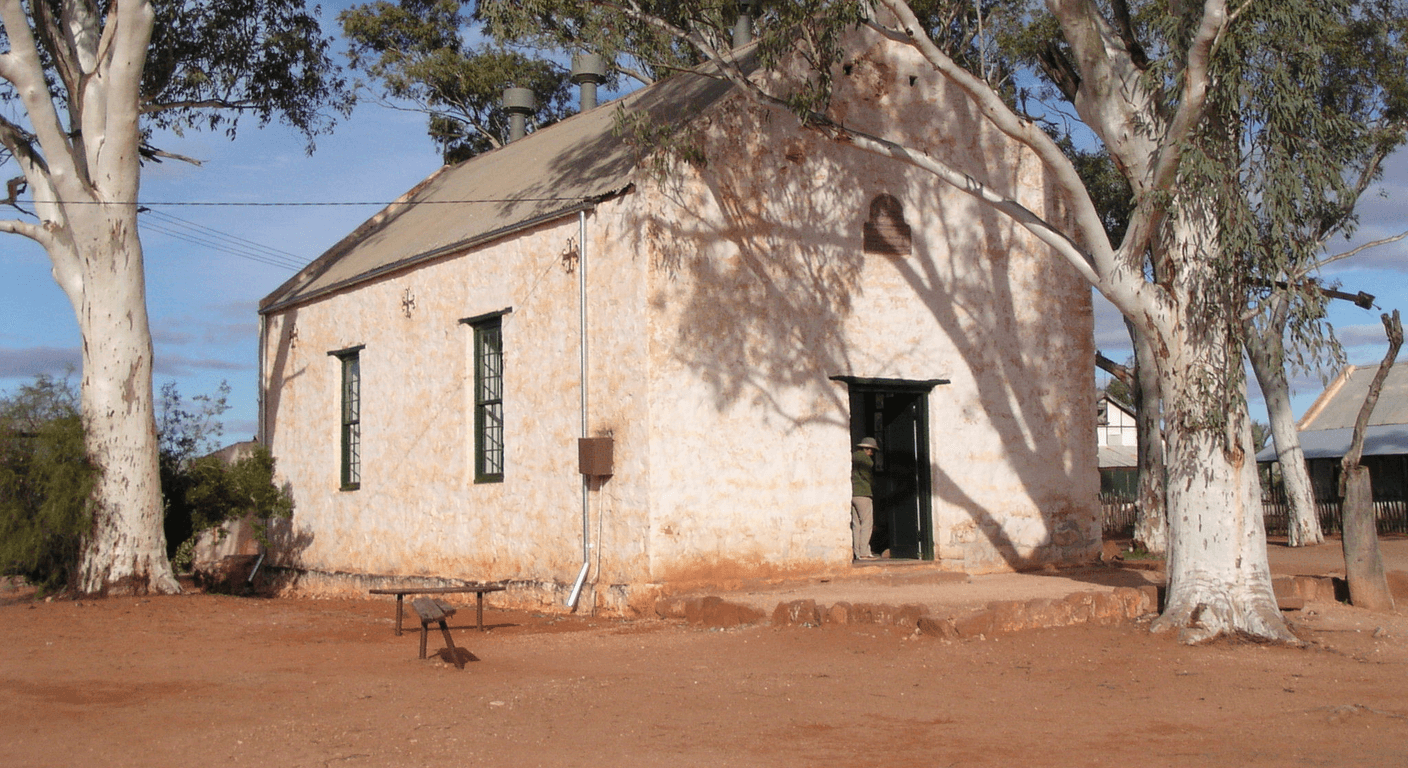
The station was established in 1872 as one of twelve repeater stations along the 3,200-kilometre line connecting Darwin to Adelaide — and through the undersea cable, Australia to the world. For the first time, a telegram sent from London could reach Sydney in hours rather than months. The stone buildings you walk through today are the original structures, not a reconstruction. That matters. There's a quality of silence in a real place that a replica can't manufacture.
For a group of friends travelling together — the kind of trip where the conversation over lunch is as important as the sites — the Telegraph Station rewards curiosity. There's enough to talk about for the rest of the day, and enough shade to do it comfortably.
What You'll Actually Find on the Ground
The reserve covers around 1,800 hectares, but the historic precinct itself is a manageable cluster of stone buildings arranged around open ground near the waterhole. The paths are flat, compacted gravel — the kind that's kind to knees and sensible shoes alike. Shade trees are generous. There are benches placed at intervals, and the kiosk near the entrance handles the essential business of cold drinks.
The buildings themselves include the original telegraph office, the stationmaster's residence, the kitchen, the store, the power house and the men's quarters. Interiors are furnished and interpreted with enough detail to make the daily life of station staff feel genuinely imaginable — the heat, the isolation, the extraordinary fact of being the human link in a chain that connected continents. Rangers conduct guided tours that lift the experience considerably; check current tour times with Parks Australia before you visit, as schedules can vary seasonally.
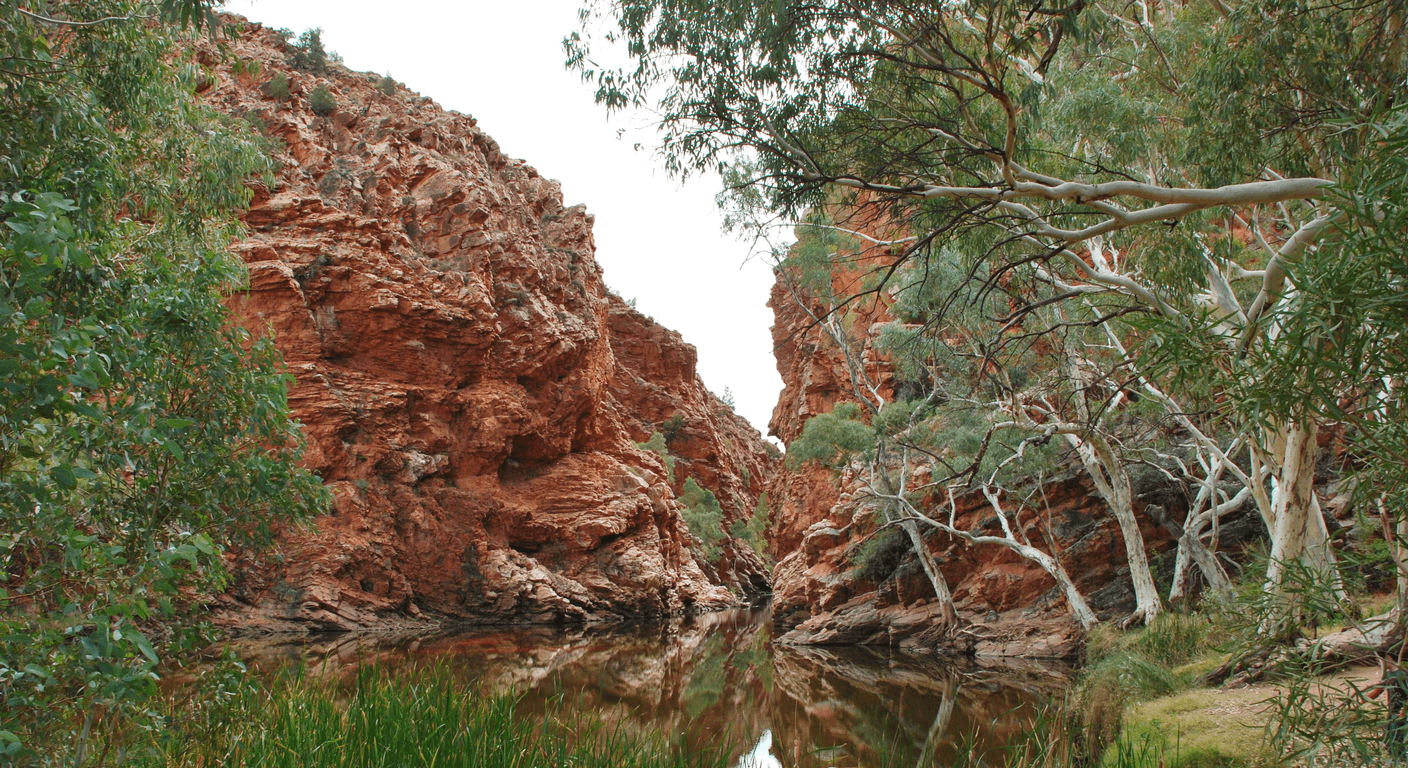
The waterhole is a short, easy walk from the main buildings. In the right light — early morning or late afternoon — it has the quality of somewhere that deserved to be remembered. Which, of course, it was, long before any telegraph line arrived.
The History the Site Doesn't Shy Away From
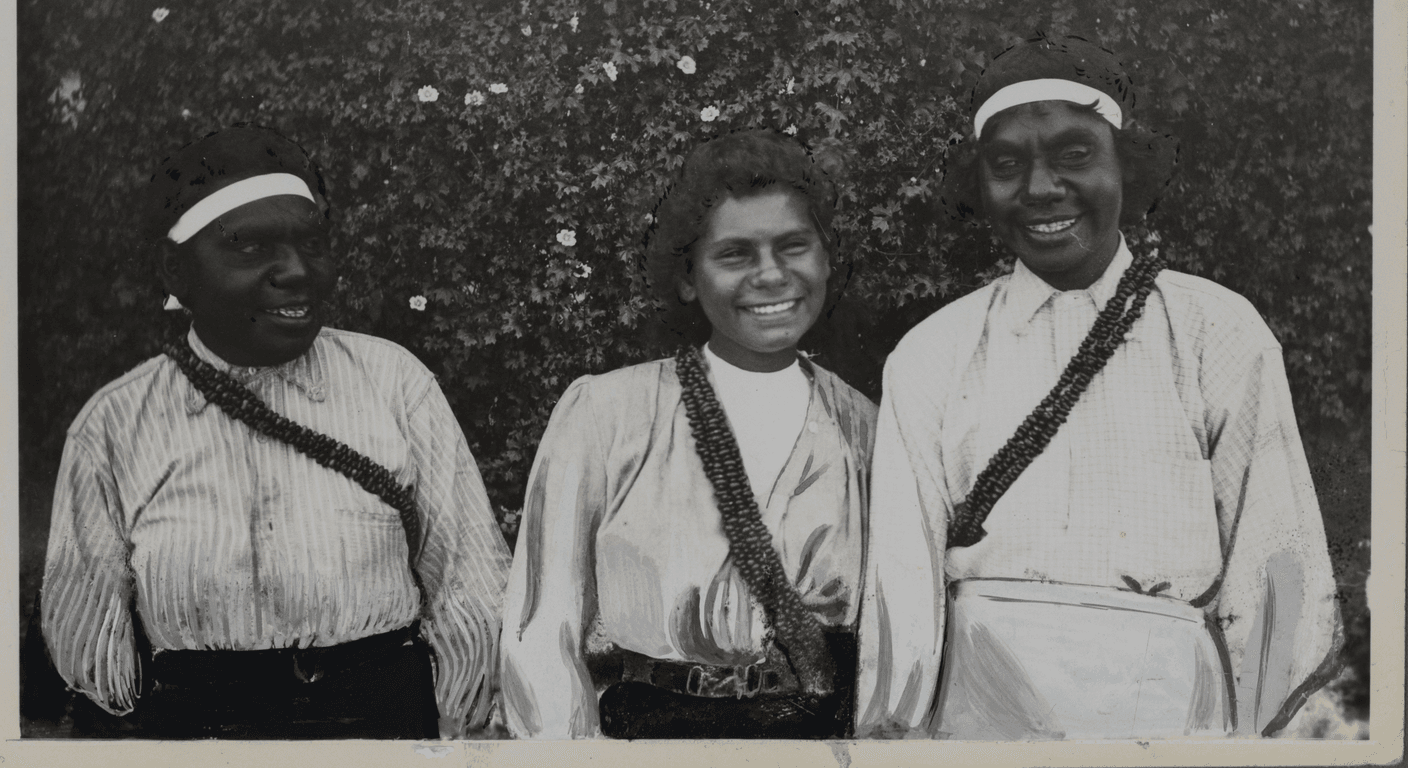
From 1914 to 1963, the Telegraph Station served a different and darker purpose: a government institution for Aboriginal children of mixed descent, many of them removed from their families under policies that would later be recognised as profoundly harmful. This history is told on site, in the same space as the telegraphic story. It's handled with care and without sanitising.
For travellers who grew up in Australia, or who came to Australia as adults and have been paying attention, this is not new information in outline — but encountering it in the actual place where it happened is different from reading about it. The site gives you both histories, side by side. That's the right approach, and it's one reason the Telegraph Station deserves more than a quick walk-through.
Arrernte people have a deep and continuing connection to this country. The waterhole itself — Tnyeme Anteme in Arrernte — was a significant site long before 1872. The interpretation at the station acknowledges this, though travellers wanting to go deeper into Arrernte culture will find dedicated experiences available through Tourism NT operators in the broader Alice Springs region.
Getting There From Alice Springs — and Getting to Alice Springs
The station is around six kilometres north of the Alice Springs town centre along the Stuart Highway — a ten-minute drive. There's a car park on site. Taxis and rideshare are available from the town centre, and some accommodation providers offer transfers; confirm with your hotel. The walk along the Todd River is pleasant in cooler months but is roughly five kilometres and not advisable in summer heat — the drive is the sensible choice.
Alice Springs is served by direct flights from Sydney, Melbourne, Adelaide, Brisbane and Darwin. Flight time from Melbourne is around two hours and forty-five minutes; from Sydney, around three hours. Qantas and Virgin Australia operate the main routes; confirm current schedules and fares with your airline or travel agent. Alice Springs Airport is small, manageable and close to town — a refreshing contrast to the ordeal of larger Australian airports.
Accommodation in Alice Springs ranges from motel-style rooms to comfortable mid-range hotels. The town centre is walkable for most of what you'll want to do in the evenings, and the Telegraph Station fits naturally into a morning, leaving the afternoon free for the town's galleries, the Araluen Arts Centre or simply a long lunch.
When to Go — and What the Heat Actually Means
Central Australia's seasons are not subtle. April through September is the window: days are warm to mild, nights can be genuinely cold (pack a layer), and the light in the late afternoon turns the red landscape into something that justifies every photograph ever taken of it. October is transitional — some years fine, some years brutal. November through March is summer, and summer in Alice Springs is not a gentle thing. Temperatures regularly exceed 40°C, sometimes for days at a stretch. The Telegraph Station's shaded paths help, but the honest advice is to plan your visit for the cooler half of the year.
The good news for travellers based in regional Victoria: the flight from Melbourne is straightforward, there's no jet lag to manage, and the time zone difference is negligible. You can fly up on a Tuesday morning, spend Wednesday at the Telegraph Station and in town, and be home by the weekend — though most people who go to Alice Springs find themselves wanting more time than they'd planned.
Practical Details Worth Knowing Before You Go
Entry to the Alice Springs Telegraph Station is around $15–$20 with concessions available — but confirm current pricing directly with Parks Australia before your visit, as these figures are indicative only. The site is managed by Parks Australia, and their website is the authoritative source for current tour times, seasonal opening hours and any temporary closures.
The kiosk near the entrance covers drinks and light refreshments. Bring water regardless — Central Australia's air is dry year-round, and even in cooler months you'll drink more than you expect. Sun protection is non-negotiable: hat, sunscreen, sunglasses. The flat gravel paths are suitable for walking frames and most mobility aids, though it's worth confirming specific accessibility needs with Parks Australia directly.
Travel insurance for this trip is a domestic matter, but travellers with pre-existing conditions should ensure their policy covers medical evacuation — Alice Springs Hospital is well-regarded, but specialist care may require transfer to Adelaide or Darwin. It's the kind of thing worth confirming before you leave, not after.
Pairing the Telegraph Station With the Rest of Your Day
A morning at the Telegraph Station followed by lunch in town is a natural pairing. The Araluen Arts Centre, about five kilometres south of the town centre, holds significant collections of Indigenous and non-Indigenous art and is worth an afternoon. The Museum of Central Australia, on the same Araluen campus, covers natural history with a directness that suits the landscape outside. Between the two sites you have a full and genuinely interesting day without rushing anything.
For groups travelling together, Alice Springs also offers a handful of good restaurants and a relaxed evening pace. It's a town that doesn't pretend to be something it isn't — there's a dry Australian honesty to the place that most visitors find refreshing after the performative busyness of larger cities. Come with curiosity and comfortable shoes, and it tends to deliver.
Quick planning guide
| Ideal pace | Relaxed — a morning spent wandering rather than rushing |
|---|---|
| Best months | April to September, when days are mild and nights cool |
| Suggested stay | A morning visit (roughly 2-3 hours), pairing naturally with an afternoon in town |
| Mobility level | Easy — flat, compacted gravel paths suitable for walking frames and most mobility aids |
| Cost level | Budget-friendly — entry around $15-$20 with concessions |
| Comfort level | Comfortable — shaded paths, benches and an on-site kiosk for drinks |
| Best for | Travellers and groups who want to understand Alice Springs' history, not just photograph the town |
| Main planning consideration | Avoid the summer months (Nov-March), when temperatures regularly exceed 40°C; confirm tour times and current pricing with Parks Australia |
Key takeaways
- The Alice Springs Telegraph Station is the original 1872 settlement from which the modern town grew — the waterhole, the stone buildings and the telegraph line that connected Australia to the world.
- Paths are flat compacted gravel with shade trees; mobility rating is Easy, suitable for most older travellers.
- Entry is around $15–$20 with concessions — confirm current prices and guided tour times with Parks Australia before visiting.
- The site honestly addresses its later history as an Aboriginal institution (1914–1963), with on-site interpretation that gives both histories equal weight.
- Best visited April to September; Central Australian summers regularly exceed 40°C and are not recommended for extended outdoor visits.
- Direct flights reach Alice Springs from Melbourne, Sydney, Adelaide, Brisbane and Darwin — no stopovers, no international jet lag, and the airport is refreshingly small.
Recommended partners and links
Indicative prices only — always confirm with the operator before booking.
Frequently asked questions
How much does it cost to enter the Alice Springs Telegraph Station?
Entry is indicatively around $15–$20, with concessions available. These figures are a guide only — confirm current admission prices directly with Parks Australia at parksaustralia.gov.au before your visit, as prices can change seasonally.
Is the Alice Springs Telegraph Station suitable for travellers with mobility considerations?
Yes. The paths through the historic precinct are flat, compacted gravel with shade trees and benches at intervals. The site is rated Easy for mobility. Travellers with specific needs — walking frames, wheelchairs or other aids — should confirm accessibility details directly with Parks Australia.
How do you get to the Telegraph Station from Alice Springs town centre?
The station is around six kilometres north of the town centre along the Stuart Highway — a ten-minute drive. There is a car park on site. Taxis and rideshare operate from the town centre. The riverside walk from town is around five kilometres and is not advisable in warmer months.
What is the best time of year to visit Alice Springs and the Telegraph Station?
April through September offers the most comfortable conditions, with warm days and cool nights. Summer (October to March) brings extreme heat, regularly above 40°C, which makes extended outdoor visits inadvisable. The Telegraph Station's shade helps, but the cooler months are strongly preferred.
Does the Telegraph Station address its history as an Aboriginal institution?
Yes. From 1914 to 1963, the station operated as a government institution for Aboriginal children of mixed descent, many removed from their families. This history is interpreted on site alongside the telegraphic story, handled honestly and without sanitising. It is a significant part of what makes the site worth visiting.