Cutta Cutta Caves, 30 kilometres south of Katherine, is open only April through September, when 45-minute ranger-led tours reveal ancient limestone chambers home to rare ghost bats and orange horseshoe bats. The half-day visit suits a Moderate mobility level, with steps and uneven cave surfaces. Access is straightforward: a sealed 30-minute drive from Katherine, itself three hours from Darwin by road, or roughly four hours by flight from Melbourne or Sydney to Darwin.
What makes Cutta Cutta Caves worth the drive from Katherine?
The name itself is worth knowing before you arrive. Cutta Cutta comes from the Jawoyn language and is understood to mean 'stars, stars' — a reference, some say, to the way light filters through the cave openings. Whether that story sits with you romantically or geologically, the caves themselves do something unusual: they make you feel genuinely small in a landscape that already does that very well.
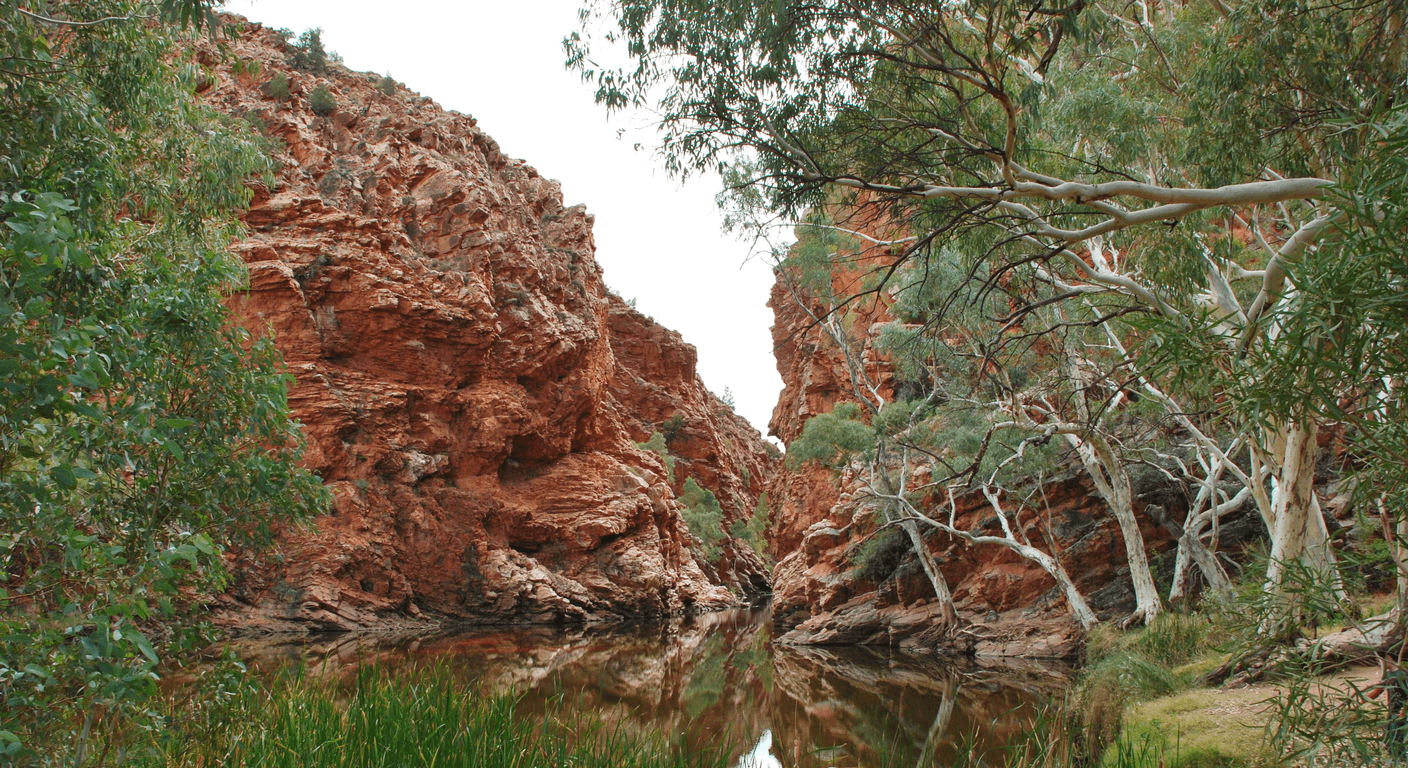
The limestone towers that mark the site are around 1,400 million years old, formed in a shallow tropical sea and shaped over millennia into the karst formations you see today. The caves beneath them house two bat species found in very few other places in Australia — the ghost bat, Australia's only carnivorous bat, and the orange horseshoe bat. That alone sets Cutta Cutta apart from most cave experiences on the tourist circuit.
For travellers based in Victoria or other southern states, this kind of destination rewards a considered itinerary. It's not a detour you stumble upon — you plan for it, and that planning pays off. The drive south from Katherine on the Stuart Highway is easy and sealed, passing through open savanna country that has its own quiet drama.
When can you visit — and why the wet season closure matters
The caves close from roughly October through to March. This isn't an administrative inconvenience — it's a genuine conservation measure. The ghost bats and orange horseshoe bats breed inside the chambers during the wet season, and disturbance at that time can be genuinely harmful to the colonies. Parks Australia manages the closure seriously, and that's exactly as it should be.
The practical implication is straightforward: if you're planning a Katherine visit, April through September is your window. Conveniently, that's also the Northern Territory's dry season — warm days, cool nights, low humidity, and manageable dust. The wet season in the Top End is spectacular in its own right, but Katherine in October can be oppressively hot and humid, and many regional sites are inaccessible anyway. The caves simply give you another good reason to get the timing right.
Travellers who've experienced the monsoon build-up in the Territory often say the discomfort is underestimated. The dry season isn't just preferred — for most over-50 travellers, it's the only comfortable choice. Confirm current open dates directly with Parks Australia before finalising any itinerary.
What does the guided tour actually involve?
All visits to the cave interior are guided — you can't enter independently, which actually works in your favour. The ranger-led tour runs for around 45 minutes and keeps a measured pace. Groups are small enough that you can hear the commentary clearly, and rangers tend to be genuinely knowledgeable about both the geology and the wildlife. Questions are welcomed.
The walk from the car park to the cave entrance is short and relatively flat, passing through the distinctive limestone tower landscape. Inside the caves, the path involves steps and some uneven surfaces — the kind of thing most active travellers manage comfortably, but worth knowing in advance if you or your travelling companion have knee or hip considerations. Footwear with a proper sole is sensible. The caves are naturally cool, which is a relief after the Territory heat, but a light layer isn't a bad idea.
Lighting inside is managed carefully to minimise disturbance to the bats. You may well see them roosting — ghost bats are large, pale, and rather striking up close. Orange horseshoe bats are smaller and easier to miss. The ranger will point them out. Photography in the caves is generally restricted or discouraged to protect the colonies; confirm the current policy on the day.
Getting to Cutta Cutta Caves from Katherine — and from the south
The caves are around 30 kilometres south of Katherine on the Stuart Highway — a straightforward sealed drive of roughly 30 minutes. Hiring a car in Katherine or Darwin is the most flexible option and gives you the freedom to combine the caves with other sites along the Stuart Highway corridor. Katherine itself is about three hours south of Darwin by road.
From Darwin, Greyhound Australia operates coach services to Katherine; confirm current schedules at greyhound.com.au. Some travellers choose to hire a car in Darwin and drive down, stopping at Nitmiluk (Katherine Gorge) and the caves as part of a longer dry-season itinerary. That approach suits couples well — the road is easy, the distances are manageable, and you control the pace.
For travellers flying from Melbourne, Sydney, or Adelaide, Darwin is the gateway. Flight times from Melbourne are roughly four to four and a half hours; from Sydney, similar. There are no stopovers on direct services, but the time zone difference is minimal — the Northern Territory runs on Australian Central Standard Time, half an hour behind Queensland and an hour and a half behind the east coast. Jet lag isn't a concern, but a night in Darwin before driving south is a sensible rhythm.
How to build a comfortable Katherine day around the caves
The caves tour occupies a morning or early afternoon neatly. Most travellers staying in Katherine base themselves there overnight and drive out for the first or second tour of the day — cooler, better light through the tower landscape, and you're back in Katherine well before the afternoon heat peaks. Check current tour times with Parks Australia, as they vary through the season.
Katherine has more to offer than many southern travellers expect. Nitmiluk National Park, home to the famous Katherine Gorge, is managed by the Jawoyn people and Parks Australia jointly — gorge cruises are available and genuinely suited to a range of mobility levels, with flat-bottomed boats and easy boarding. The Katherine Hot Springs, in town, offer a gentle warm-water soak that many travellers find a pleasant way to end a day in the field.
For a meal, Katherine's dining options are modest but honest. The town serves as a service hub for a vast region, and the food reflects that practicality. A relaxed lunch at one of the Katherine town cafes or the dining room of a mid-range hotel is a reasonable expectation. Tourism NT's Katherine page (northernterritory.com) lists current accommodation and dining options worth checking before you travel.
Practical considerations for over-50 travellers
Travel insurance is essential for any Northern Territory trip, and particularly so for travellers with pre-existing conditions. Medical facilities in Katherine are present but limited compared with a major city — Darwin's Royal Darwin Hospital is the nearest major facility. Ensure your policy covers remote-area travel and any conditions you're managing. The Council on the Ageing (COTA) and Seniors Card holders should check whether any regional discounts apply to tour fees, though this varies.
Sun protection in the Territory deserves more than a passing thought. Even in the dry season, UV levels are high, and the walk between the car park and cave entrance is exposed. A broad-brimmed hat, high-SPF sunscreen, and a long-sleeved shirt are practical, not fussy. Carry water — the Territory heat is dehydrating even when it doesn't feel extreme.
The caves themselves are cool, dim, and involve some steps. Travellers who use a walking stick will want to confirm with the ranger whether that's manageable on the tour route. Those with significant mobility limitations may find the interior challenging; the limestone tower landscape around the cave entrance is still worth seeing and makes for good photographs from outside. Honest assessment: most active over-50 travellers handle the tour comfortably, but it's worth a direct conversation with Parks Australia if you have specific concerns.
Why this particular cave experience resonates
There's something about a guided cave tour that suits a certain kind of traveller — the one who prefers context to spectacle, who wants to understand what they're looking at rather than simply photograph it. Cutta Cutta delivers that. The ranger commentary connects the geology, the Jawoyn cultural connection to the land, and the wildlife in a way that makes 45 minutes feel genuinely substantive.
For Indian Australian travellers and others who came to Australia later in life, the Northern Territory often carries a particular pull — it's a part of the country that still feels genuinely remote, where the land asserts itself in ways that urban Australia doesn't. The Jawoyn people's connection to this country is deep and ongoing, and the co-management of Nitmiluk with Parks Australia reflects that. Visiting with that awareness — rather than as a passive tourist — makes the experience richer.
Cutta Cutta isn't a grand production. It's a careful, quiet, well-managed encounter with something ancient. That's a rarer thing than it sounds.
Quick planning guide
| Ideal pace | Slow-paced, half-day outing |
|---|---|
| Best months | April to September (dry season only — caves closed October–March) |
| Suggested stay | Half a day from Katherine |
| Mobility level | Moderate — short flat approach, but steps and uneven surfaces inside the caves |
| Cost level | Budget-friendly, under $30 per adult |
| Comfort level | Cool inside the caves, hot and sun-exposed outside — hat, sunscreen and water needed |
| Best for | Travellers who want context and wildlife over spectacle, and couples building a Katherine day trip |
| Main planning consideration | Tours run guided-only and dry-season only, so confirm current tour times and open dates with Parks Australia before travelling |
Key takeaways
- Cutta Cutta Caves closes October to March to protect breeding ghost bat and orange horseshoe bat colonies — dry-season timing is essential.
- Guided tours run around 45 minutes and cost roughly $20–25 per adult; confirm current prices and tour times directly with Parks Australia.
- The walk to the cave entrance is short and relatively flat; inside involves steps and uneven surfaces, making this a Moderate mobility experience.
- Katherine is around three hours south of Darwin by sealed road; the caves are a further 30 kilometres south of Katherine on the Stuart Highway.
- April to September is the practical window for over-50 travellers — dry, warm, and accessible across the Katherine region.
- Travel insurance covering remote-area travel and pre-existing conditions is essential for any Northern Territory itinerary.
Recommended partners and links
Indicative prices only — always confirm with the operator before booking.
Frequently asked questions
Are Cutta Cutta Caves open year-round?
No. The caves close from roughly October to March each year to protect ghost bat and orange horseshoe bat colonies during the breeding season. The caves are only accessible during the dry season, approximately April to September. Confirm current open dates directly with Parks Australia before booking travel to Katherine.
How much does a Cutta Cutta Caves tour cost?
Guided tours are indicatively priced at around $20–25 per adult, making it one of the more affordable guided nature experiences in the Northern Territory. Prices can change between seasons, so confirm current fees with Parks Australia before your visit.
Is Cutta Cutta Caves suitable for travellers with limited mobility?
The walk from the car park to the cave entrance is short and relatively flat. Inside the caves, the tour involves steps and uneven surfaces, which most active over-50 travellers manage comfortably. Travellers with significant knee, hip, or balance concerns should contact Parks Australia directly to discuss whether the interior route is suitable for their situation.
How do you get to Cutta Cutta Caves from Katherine?
The caves are around 30 kilometres south of Katherine on the Stuart Highway — roughly a 30-minute drive on a sealed road. Hiring a car in Katherine or Darwin is the most practical option. Some coach services operate between Darwin and Katherine; check Greyhound Australia for current schedules. There is no public transport to the cave site itself.
What bats live in Cutta Cutta Caves?
Two rare bat species inhabit the caves: the ghost bat, Australia's only carnivorous bat, and the orange horseshoe bat. Both are found in very few locations across Australia. The caves are closed during the breeding season specifically to protect these colonies from disturbance.