All-inclusive holidays for Australians over 50 vary enormously in what they actually cover. River cruises typically include meals, cabin, and port talks but charge extra for premium drinks, shore excursions, and gratuities. Luxury coach tours and long-distance rail (The Ghan, Indian Pacific) bundle more, but single supplements and optional experiences add up fast. Mobility rating: Easy to Moderate depending on product. Best months vary by destination — confirm current inclusions directly with each operator before booking.
Why 'all-inclusive' means something different every time
The term has no legal definition in Australian tourism. One operator's all-inclusive is another's 'most things included'. A European river cruise might cover your cabin, all meals, a welcome cocktail, and a daily guided walk — but charge separately for the cooking class in Lyon, the wine upgrade at dinner, the Budapest shore excursion to the thermal baths, and the gratuities envelope at the end. A luxury coach tour might include every meal, every entry ticket, and every transfer, but still levy a single supplement of 50–80 per cent of the twin-share price. A resort package might bundle flights, accommodation and breakfast, then bill you for every lunch, every activity, and every glass of wine.
The pattern is consistent: operators build their headline price around the parts that are easy to standardise — beds, transport, group meals — and charge separately for anything that varies by individual choice or that carries a premium cost. That's not inherently dishonest, but it does mean the only sensible way to compare two all-inclusive products is to list exactly what each one includes and price out your actual travel habits on top. If you drink two glasses of wine at dinner every night and your cruise charges $12 a glass above the included 'house' tier, that's roughly $170 extra on a seven-night cruise. Across a group of four friends, it starts to matter.
River cruises: what's in, what's extra, and where the costs accumulate
European and Southeast Asian river cruises pitched at the Australian over-50 market typically include: your cabin, all onboard meals (breakfast, lunch, dinner), a daily included shore excursion per port, onboard entertainment, and port taxes. That's genuinely a solid base. What they don't include — and this is where the fine print earns its reputation — is usually: premium drinks beyond a basic house wine and beer at meals, optional enhanced shore excursions (the truffle hunt in Périgord, the private museum access in Vienna), gratuities for crew and guides, travel insurance, and pre- or post-cruise hotel nights.
Drinks packages are the most variable extra. On some lines, all-inclusive drinks are genuinely unlimited and cover decent-quality wine and spirits. On others, 'included beverages' means a single glass of house wine with lunch and dinner, and everything else is charged to your cabin account. Ask the operator specifically: does 'included drinks' cover spirits? Does it apply during cocktail hour or only at meals? Is there a daily drinks credit or a true unlimited policy? Get the answer in writing before you book.
Shore excursions deserve the same scrutiny. The included daily excursion is usually a group walking tour of the main town — fine for orientation, but often covers ground you could do independently. The optional excursions cost anywhere from roughly $60 to $200 per person per day and are where the genuinely memorable experiences tend to live. Budget an extra $400–$800 per person for a seven-night European river cruise if you plan to take two or three optional excursions. Gratuities on European river cruises typically run around €10–€15 per person per day (roughly $17–$25 AUD at mid-2026 rates), and most lines suggest — but don't mandate — them. That's another $120–$175 per person on a seven-night trip.
Luxury coach tours: more genuinely bundled, but the single supplement is brutal
Australian-market luxury coach tours — think APT, Scenic, Trafalgar, Insight Vacations, AAT Kings — tend to include more than river cruises in their headline price: all accommodation, all meals (or close to it), entry to every listed attraction, transfers, and a tour director for the duration. That's a meaningful difference. You can often get to the end of a 14-day coach tour and have spent very little beyond what you paid upfront, apart from personal shopping, laundry, and drinks at the bar.
The single supplement is where the model turns punishing for solo travellers. On most Australian-market coach tours, the single supplement runs 50–80 per cent of the twin-share per-person price. On a tour priced at $7,000 per person twin-share, a solo traveller might pay $10,500–$12,600 for the same itinerary. That's not a small rounding error. Some operators — APT, Scenic, and Trafalgar among them — run periodic 'solo saver' departures or maintain a share-match program where you're paired with another solo traveller of the same gender to share a room. These fill quickly and aren't available on every departure, so ask at the time of inquiry, not as an afterthought.
Coach hours are the other reality check. A full-day coach touring day might involve a 7:30am departure, four hours of driving with one comfort stop, two hours at a site, lunch, another two hours of driving, and arrival at the next hotel around 5:30pm. That's a long day if your back objects to bus seats or your bladder runs on its own schedule. Good operators use premium coaches with adjustable seats, onboard toilets, and climate control, but 'premium coach' is another phrase worth defining before you book. Ask whether the vehicle has an onboard toilet and how many passengers it carries — a 52-seat coach feels different from a 24-seat boutique vehicle.
The Ghan and Indian Pacific: the domestic all-inclusive that largely delivers
Journey Beyond's long-distance rail journeys — The Ghan (Adelaide to Darwin, or Darwin to Adelaide), the Indian Pacific (Sydney to Perth), and the Overland (Melbourne to Adelaide) — are among the most genuinely all-inclusive products available to Australian travellers. Gold Service, the premium cabin class, includes your private cabin, all meals in the Queen Adelaide Restaurant (with table service and a rotating menu), all included beverages (wine, beer, spirits, soft drinks, tea and coffee — and yes, the wine list is respectable), and the off-train excursions at each stop. The headline price is largely the price you pay, which is an unusual and refreshing thing to be able to say.
Red Service, the economy option, is a different product: reclining seats rather than a cabin, a self-service café rather than restaurant dining, and a more limited drinks arrangement. It's roughly half the price of Gold Service — from around $1,599 per person for Adelaide to Darwin — and suits travellers who want the rail experience without the full luxury package. The included off-train excursions are fewer in Red Service; some stops offer optional paid tours instead.
The single supplement on The Ghan and Indian Pacific is worth knowing: Gold Service single occupancy is available (a cabin to yourself rather than sharing), and Journey Beyond prices it accordingly — typically around 150–175 per cent of the per-person twin rate, depending on departure. That's steep but transparent, and the solo experience on these trains is genuinely good. You're never eating alone; the shared dining tables mean solo travellers almost always end up in conversation with other passengers. For a group of friends travelling together, twin-share cabins work well and the communal lounge car is a natural gathering point. Confirm current pricing and single occupancy availability directly with Journey Beyond, as fares vary by departure and season.
Resort packages: the most variable category of all
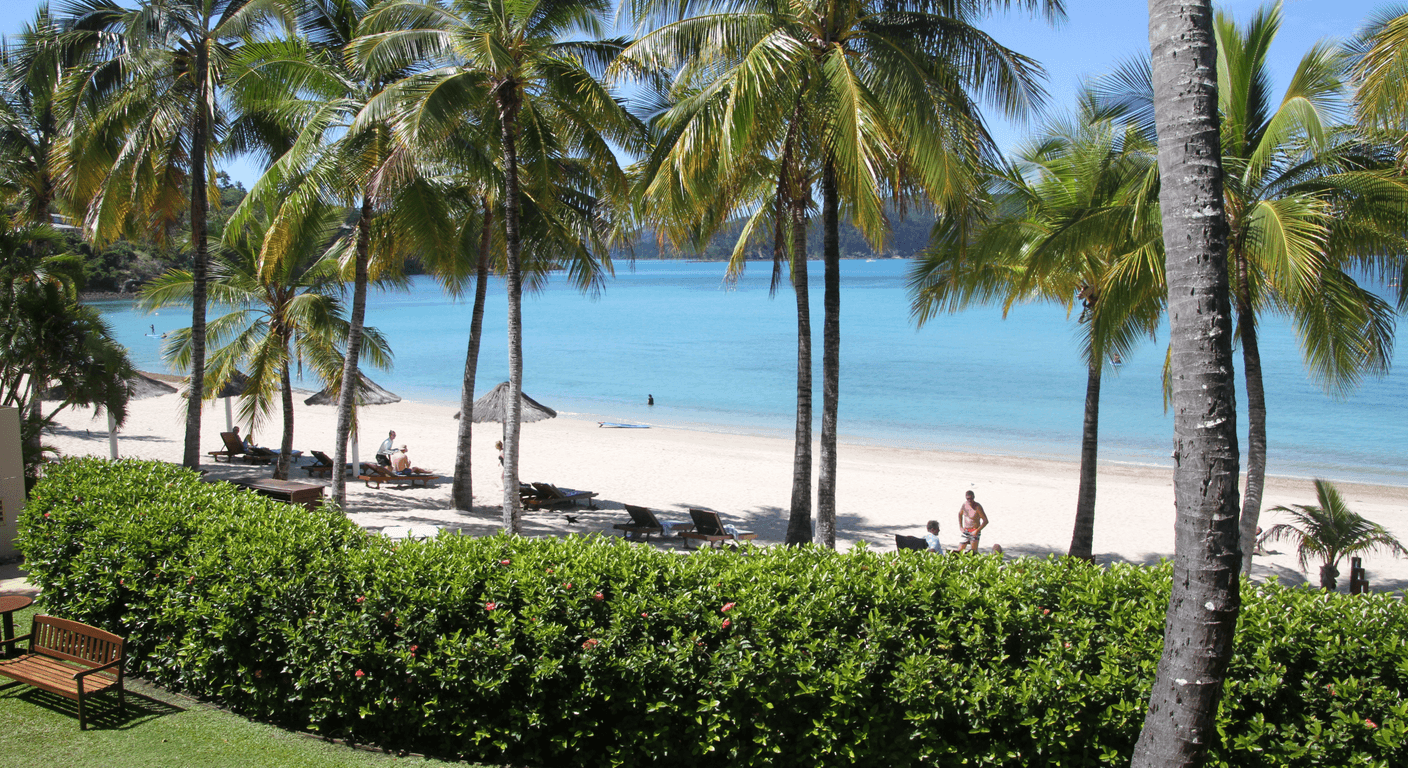
A 'resort package' can mean almost anything. At one end: a Whitsundays or Bali resort where the package bundles flights, accommodation, and daily breakfast — and everything else, from lunch to snorkelling to cocktails, is charged at full resort prices. At the other end: a genuine all-inclusive resort (common in the Pacific Islands, Maldives, Mexico, and increasingly in Queensland) where the daily rate covers all meals, all non-motorised activities, and unlimited drinks from the resort's standard bars.
The gap between these two models is enormous, and the marketing doesn't always make it obvious which you're booking. Read the inclusions list carefully: 'daily breakfast' is not all-inclusive. 'All meals' is not all-inclusive if drinks are extra. 'All-inclusive' that excludes the à la carte restaurant, the swim-up bar, the specialty cocktails, and the motorised watersports is partial all-inclusive at best. For a group travelling together, the maths on a genuine all-inclusive resort can work out well — you pay a flat daily rate and don't think about it again. For a couple who don't drink much and prefer to eat lightly, the same resort might represent poor value against a room-only rate with meals chosen à la carte.
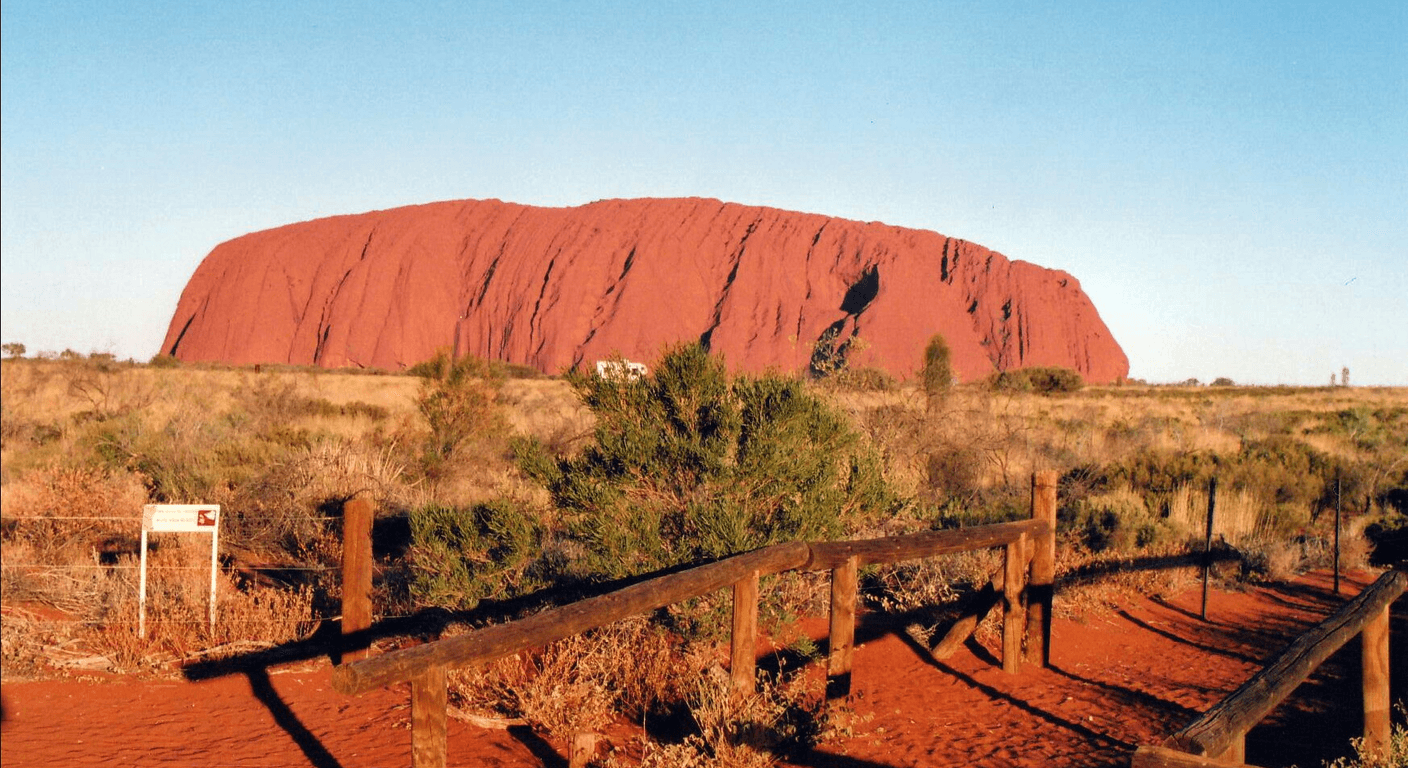
Domestic resort packages — Hamilton Island, Lizard Island, Qualia at Hamilton Island, Longitude 131° at Uluru — sit in a premium bracket where inclusions are more clearly defined and the all-inclusive promise is more reliably kept. Qualia and Longitude 131° in particular include most meals, non-alcoholic beverages, and some guided experiences in their rates. Longitude 131° includes guided sunrise and sunset experiences at Uluru and Kata Tjuta, which is genuinely meaningful given the restricted access rules now in place. Expect to pay from around $1,800 to $3,500+ per person per night at these properties — indicative, confirm with the operator. The senior concession doesn't apply here, but if you're splitting the cost across a group of four friends sharing villas or adjacent rooms, the per-person figure becomes more manageable.
What a realistic all-inclusive day actually looks like — and where the gaps are
Take a typical day on a European river cruise as the example, because it's the format most over-50 Australians are currently booking. The ship docks around 8:00am. Breakfast is served from 7:00 to 9:00am in the main dining room — seated, table service, included. The included shore excursion departs at 9:30am: a two-hour walking tour of the old town with the ship's guide, covering the main square, a church or two, and a market. The group walks for roughly 90 minutes with one stop at a square where you can sit. The cobblestones are real and often uneven; anyone with knee concerns should know this before the day starts, not after the first 20 minutes.
Back aboard by 11:30am. Lunch is served from noon to 1:30pm — again, included, table service, usually two or three courses. The optional afternoon excursion (the castle visit, the vineyard tour, the cooking class) departs at 2:00pm and costs roughly $80–$150 per person. If you skip it — and skipping is entirely fine, the ship's lounge and sun deck are pleasant — you have the ship largely to yourself until the rest of the group returns around 5:00pm. The ship sails at 6:00pm. Dinner is from 7:00 to 9:00pm, included. The bar is open before and after; drinks above the included tier go on your account.
The sit-down points: the dining room, the lounge, the sun deck (weather permitting), and the reception area all have seating. Onboard toilets are available at all times; shore-side, plan around café stops and museum entries because public toilet access in European old towns is inconsistent and sometimes charged (carry €1–€2 coins). The genuinely skippable parts of most itineraries are the third and fourth churches — your tour director will understand if you peel off and find a café instead. That's not a criticism of the tour; it's just that six days of daily church visits is a lot, and a good operator knows their passengers.
The extras that catch people every time — and how to budget for them
Across all four product types, the costs that surprise travellers most consistently are: gratuities (budget $15–$25 AUD per person per day on overseas tours and cruises, more on some US-market products); premium drinks (budget $20–$50 AUD per person per day if you drink regularly); optional excursions ($60–$200 per person per activity); laundry (typically $5–$15 per item on ships and tours, or find a laundromat independently); and airport transfers at either end of the trip if not included (which they often aren't on resort packages).
Travel insurance with pre-existing conditions is non-negotiable and frequently under-budgeted. For a 66-year-old Australian with any managed health condition — common at this life stage, not unusual — a comprehensive policy for a three-week European trip can run $600–$1,200 or more. Cover-More, nib Travel, and Allianz offer policies with pre-existing condition assessment; compare through a broker or the insurer directly, not a price-comparison site that may not show full policy terms. Smartraveller (smartraveller.gov.au) is the starting point for understanding what Australian government support is and isn't available overseas — it's worth reading before you finalise any international booking.
Victorian Seniors Card holders travelling domestically should check whether Journey Beyond or state-based rail operators offer concession pricing — some do on specific services, though not typically on The Ghan or Indian Pacific Gold Service. For international travel, the Seniors Card has no direct benefit, but some travel agents who specialise in over-50 travel hold negotiated group rates that effectively function as a concession. Ask specifically. And if you're travelling as a group of four friends rather than two couples, confirm with every operator whether group pricing applies — some tour operators offer a per-person reduction for groups of six or more, which is worth knowing before you book individually.
Quick planning guide
| Ideal pace | Unhurried — build in at least one full rest day per four days of touring |
|---|---|
| Best months | Varies sharply by product: European river cruises April–October; The Ghan and Indian Pacific year-round with cooler months (May–August) preferred for outback comfort |
| Suggested stay | 7–21 nights depending on product; shorter packages risk feeling rushed |
| Mobility level | Easy to Moderate — river cruises and rail are easiest; resort packages depend on terrain |
| Cost level | From around $3,500 per person (domestic rail, Red Service) to $15,000+ per person (luxury European river cruise, Gold Service) — before flights |
| Comfort level | High on paper; confirm what 'high' means in fine print |
| Best for | Couples, solo travellers, friends groups aged 50–75 who want logistics handled |
| Main planning consideration | Single supplements, travel insurance with pre-existing conditions, and exactly which drinks tier is included |
Key takeaways
- No legal definition governs 'all-inclusive' in Australian tourism — always request a written inclusions list before you commit.
- European river cruise extras (premium drinks, optional excursions, gratuities) can add $800–$1,500 per person to the headline price on a seven-night trip.
- The Ghan and Indian Pacific Gold Service are among the most genuinely all-inclusive domestic products available — the headline price is largely the price you pay.
- Single supplements on luxury coach tours typically run 50–80 per cent of the twin-share price — solo travellers should ask about share-match programs or solo-saver departures before ruling out the product.
- Travel insurance with pre-existing conditions for a three-week overseas trip can cost $600–$1,200 or more for a traveller in their mid-60s — budget for it from the start.
- A group of four friends travelling together can sometimes access group pricing, reduce per-person costs on resort packages, and share single-supplement pain — ask every operator directly.
Recommended partners and links
Indicative prices only — always confirm with the operator before booking.
Frequently asked questions
What does 'all-inclusive' actually include on a European river cruise for Australians?
On most Australian-market European river cruises, 'all-inclusive' covers your cabin, all onboard meals, one included shore excursion per port, port taxes, and basic house beverages (typically one glass of wine or beer with meals). It does not usually include premium drinks beyond the house tier, optional enhanced shore excursions, crew and guide gratuities, travel insurance, or pre- and post-cruise hotel nights. Budget an additional $800–$1,500 per person for a seven-night cruise if you plan to take optional excursions and tip at the recommended rate — confirm current inclusions directly with your operator.
Is The Ghan genuinely all-inclusive or is that just marketing?
The Ghan's Gold Service is one of the more genuinely all-inclusive products in Australian travel. The fare covers your private cabin, all meals in the Queen Adelaide Restaurant, all included beverages (wine, beer, spirits, soft drinks, tea and coffee), and the off-train excursions at scheduled stops. Single occupancy is available at a premium — typically around 150–175 per cent of the per-person twin rate — and is worth confirming directly with Journey Beyond (journeybeyondrail.com.au), as fares vary by departure and season.
How bad is the single supplement on all-inclusive coach tours for solo travellers over 50?
On most Australian-market luxury coach tours, the single supplement adds 50–80 per cent of the twin-share per-person price. On a tour priced at $7,000 per person twin-share, a solo traveller might pay $10,500–$12,600. Some operators — including APT, Scenic, and Trafalgar — offer share-match programs (pairing you with another solo traveller of the same gender) or periodic solo-saver departures with reduced or waived supplements. These options are not available on all departures and fill quickly, so ask at inquiry stage rather than after you've chosen a date.
What extras should over-50 Australians budget for on an all-inclusive holiday?
Across river cruises, coach tours, long-distance rail, and resort packages, the costs that most consistently catch travellers out are: gratuities ($15–$25 AUD per person per day on overseas products), premium drinks above the included tier ($20–$50 per person per day if you drink regularly), optional excursions ($60–$200 per person per activity), laundry ($5–$15 per item onboard), airport transfers at either end if not included, and travel insurance with pre-existing conditions ($600–$1,200 or more for a three-week overseas trip for a traveller in their mid-60s). All figures are indicative — confirm with your operator and insurer.
Are resort packages in the Pacific or Queensland genuinely all-inclusive for over 50s?
It depends entirely on the specific property and package. 'Daily breakfast included' is not all-inclusive. Genuine all-inclusive resorts cover all meals, standard bar drinks, and non-motorised activities in the daily rate — but many resorts use 'all-inclusive' loosely and still charge for à la carte dining, specialty cocktails, motorised watersports, and spa treatments. Read the inclusions list item by item before booking. Domestic properties like Longitude 131° at Uluru and Qualia at Hamilton Island are more transparent about what their premium rates cover, but confirm directly with the property for current inclusions and pricing.
- Journey Beyond Rail Experiences — The Ghan and Indian Pacific
- Smartraveller — Australian Government travel advice and insurance guidance
- APT Touring — Australian-market river cruises and coach tours
- Scenic Luxury Cruises & Tours
- Australian Competition and Consumer Commission — travel and tourism consumer rights