The Araluen Cultural Precinct, two kilometres west of Alice Springs, pairs Albert Namatjira's watercolours with Diprotodon fossils and meteorites under one air-conditioned roof. Best visited May to September, it suits a half-day within a two-to-three-night Alice Springs stay. The flat, paved site is fully wheelchair accessible, rated easy for mobility. Alice Springs is reached by direct flights from Melbourne, Sydney, Adelaide and Darwin, with taxis or rideshare needed for the short trip from town.
What is the Araluen Cultural Precinct?
The Araluen Cultural Precinct occupies a compact, flat site on Larapinta Drive, roughly two kilometres west of the Alice Springs town centre. It brings together the Araluen Arts Centre — a regional performing arts and gallery venue — and the Museum of Central Australia under a single administrative umbrella, with a shared precinct pass that makes visiting both a sensible and affordable half-day.
The layout matters for older travellers. There's no hill, no cobblestone, no long exposed walk between buildings. Paths are paved and level. Both institutions are fully air-conditioned, with seating available throughout the galleries and museum spaces — a genuine relief when the Alice Springs afternoon climbs past 30 degrees, which it does for much of the year. Plan to arrive mid-morning when the light is still bearable, and let the precinct carry you through to early afternoon.
The Namatjira Collection: Why It Matters
Albert Namatjira (1902–1959) was a Western Aranda man from Hermannsburg, west of Alice Springs, who became the first Aboriginal artist to achieve national and international recognition within the Western watercolour tradition. His landscapes — ghost gums, MacDonnell Ranges ridgelines, that particular light of Central Australia — carry an intimacy with country that a reproduction simply cannot convey. The Araluen Arts Centre holds one of the most significant Namatjira collections accessible to the public in Australia.
Standing in front of the originals, many visitors find the scale surprising. These are not grand canvases; they're modest, careful works that reward close attention. The ochre and mauve of the ranges, the bleached white of the ghost gum trunks — Namatjira painted what he knew with a precision that took European techniques and made them entirely his own. For a solo traveller with time to sit and look, this gallery asks nothing more of you than patience.
The collection is complemented by rotating exhibitions featuring contemporary First Nations artists from Central Australia. These change seasonally, so it's worth checking the Araluen Arts Centre website before your visit to see what's current. The precinct also has a small gallery shop where prints and publications are available — a more considered souvenir than most.
Megafauna and Deep Time: The Museum of Central Australia
Next door, the Museum of Central Australia takes a different kind of patience — geological rather than artistic. The natural history collection covers the deep time of the continent: fossils, minerals, meteorites, and the Diprotodon and other megafauna that roamed Central Australia tens of thousands of years ago. A Diprotodon was roughly the size and shape of a wombat scaled up to a small car, which puts Australian natural history into an immediately satisfying perspective.
The meteorite collection is a quiet standout. Central Australia has yielded some of the most significant meteorite finds on earth, and the museum displays several specimens alongside clear, unstuffy explanations of how they were formed and found. It's the kind of exhibit that makes you recalibrate your sense of scale — in both space and time. Seating is available throughout, and the pace is entirely self-directed.
The museum also covers the human history of the region, including the long presence of the Aranda people and the more recent history of European settlement. It handles these subjects with care and appropriate complexity. Allow at least an hour here; rushing it would be a waste of a genuinely good regional museum.
Live Performance at the Araluen Arts Centre
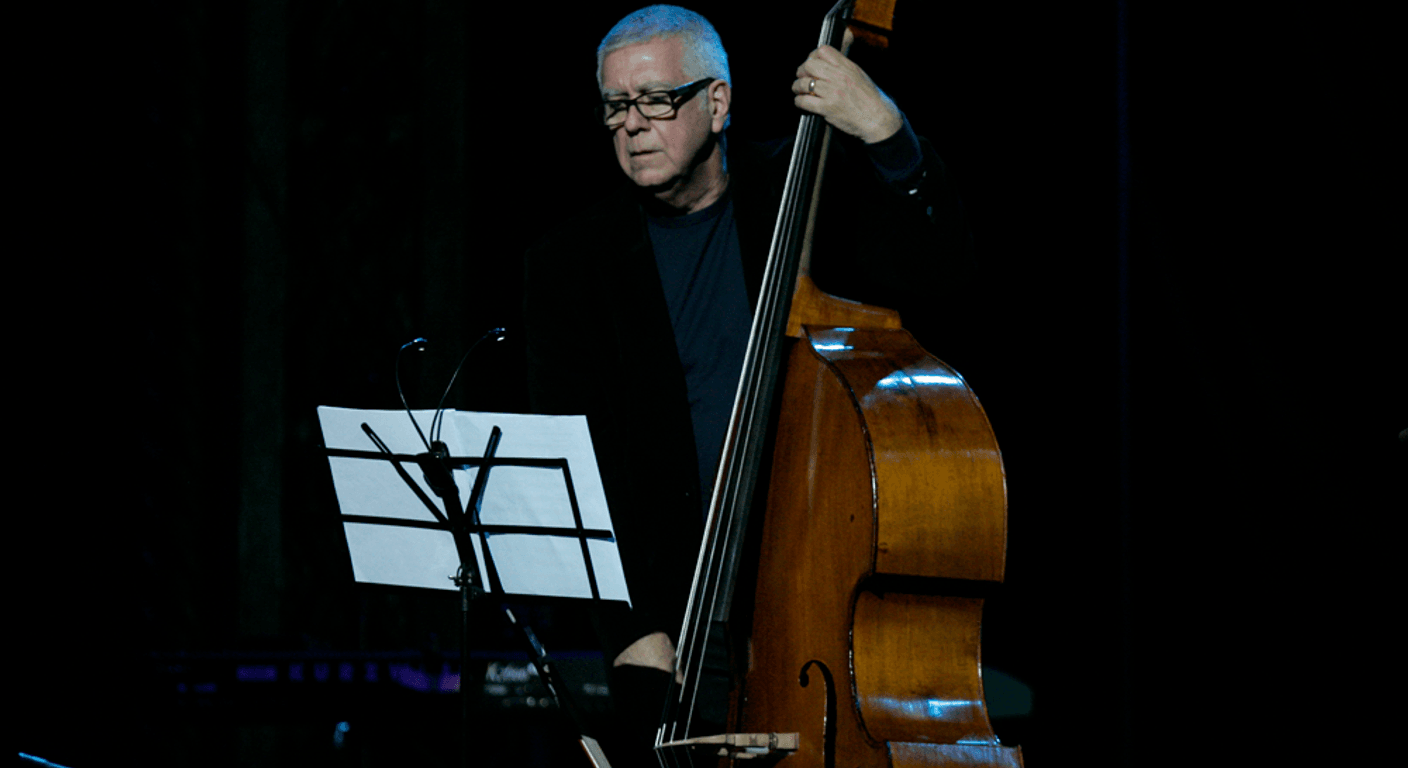
The Araluen Arts Centre is Alice Springs' primary performing arts venue, with a main auditorium that hosts touring productions, local theatre, music and community events. For a solo traveller spending two or three nights in Alice, an evening performance here is worth building the itinerary around. The program runs year-round but is strongest during the cooler months — May through August — when Alice Springs draws more visitors and touring companies are more likely to include it on their schedules.
Seat comfort in the auditorium is standard regional-venue quality — adequate rather than luxurious, so arrive with that expectation. The real advantage is scale: it's an intimate space where there's no bad seat, and the acoustics are solid. Check the current program on the Araluen Arts Centre website well before travelling; some productions book out in the peak winter season, and knowing what's on may well shape which dates you choose to fly.
Getting There and Getting Around Alice Springs
Alice Springs is served by direct flights from Melbourne, Sydney, Adelaide and Darwin. From Melbourne, Qantas and Virgin Australia fly direct; flight time is roughly three hours. From Sydney, expect around three hours fifteen minutes. Fares vary considerably by season — the June to August peak commands a premium, so booking a few months ahead is sensible. Confirm current schedules and fares with airlines directly.
The Araluen Cultural Precinct is about two kilometres from the town centre — a flat walk in cooler weather, but a taxi or rideshare is the better call in summer heat. Alice Springs has a modest taxi fleet; the Alice Springs Bus Service operates limited routes. Most visitors use taxis, rideshare apps or a hire car. If you're a grey nomad arriving by road, the precinct is signposted from Larapinta Drive and has ample parking.
The town centre itself is compact and walkable in the cool of the morning. The Todd Mall pedestrian area has cafes and a handful of gallery shops. For a solo traveller, the rhythm of a day works well: precinct in the morning and early afternoon, rest during the hottest hours, Todd Mall or hotel in the late afternoon, and an evening performance if one is scheduled.
Practical Comfort and Accessibility
Both institutions within the precinct are fully accessible to visitors using wheelchairs or walking aids. The flat site, paved paths and internal seating make this one of the more straightforwardly comfortable cultural stops in regional Australia. Toilets are available on site. There's a small café area; confirm current opening hours directly with the precinct.
The precinct pass — around $15–20 with concessions, though you should confirm current pricing before visiting — covers entry to both the Araluen Arts Centre galleries and the Museum of Central Australia. It represents genuine value for a half-day of serious cultural engagement. Seniors and concession cardholders should bring relevant identification to claim the discount at the door.
One practical note for visitors from Victoria or other southern states: the time zone in the Northern Territory is UTC+9:30, half an hour behind Eastern Standard Time and one and a half hours behind Eastern Daylight Time when daylight saving is in effect. It's a small adjustment, but worth factoring into any plans to catch an evening performance on your first night.
When to Go and How Long to Stay
The honest answer to when to visit Alice Springs is: May to September. The Central Australian winter is genuinely pleasant — clear days, cool nights, temperatures in the mid-teens to low twenties during the day. October through April brings heat that is not merely uncomfortable but potentially dangerous for anyone not acclimatised, with summer days regularly exceeding 40 degrees. The precinct's air conditioning helps, but getting to and from it in that heat is a different matter.
Two to three nights in Alice Springs is enough to see the Araluen precinct properly, take a morning drive out to Simpsons Gap or Standley Chasm in the West MacDonnell Ranges, and have an evening at leisure. Grey nomads driving the Stuart Highway often allow more time — a week in the region is not excessive if you want to explore beyond the town. For a fly-in solo traveller from Victoria, a long weekend from Thursday to Sunday covers the essentials without feeling rushed.
Quick planning guide
| Ideal pace | Slow, self-directed browsing |
|---|---|
| Best months | May to September (cooler Central Australian winter) |
| Suggested stay | Half-day at the precinct, within a two-to-three-night Alice Springs visit |
| Mobility level | Easy — flat, paved site with seating throughout and full wheelchair access |
| Cost level | Budget-friendly (precinct pass around $15–20 with concessions) |
| Comfort level | High — fully air-conditioned galleries and museum |
| Best for | Solo travellers and grey nomads with an interest in art and natural history |
| Main planning consideration | Time the visit for cooler months and check the Araluen program and precinct hours before travelling |
Key takeaways
- The Araluen Cultural Precinct combines the Albert Namatjira gallery and the Museum of Central Australia on a single flat, accessible site in Alice Springs.
- A precinct pass runs around $15–20 with concessions — confirm current pricing directly with the venue before visiting.
- Both institutions are fully air-conditioned with seating throughout, making them a practical choice during the heat of the day.
- The Namatjira collection at the Araluen Arts Centre is one of the most significant publicly accessible displays of his work in Australia.
- The Museum of Central Australia's megafauna and meteorite collections are a genuine highlight of any visit to Alice Springs.
- May to September is the reliable window for comfortable travel in Central Australia; summer heat from October through April is not trivial.
Recommended partners and links
Indicative prices only — always confirm with the operator before booking.
Frequently asked questions
How much does it cost to visit the Araluen Cultural Precinct?
An indicative precinct pass covering both the Araluen Arts Centre galleries and the Museum of Central Australia runs around $15–20, with concessions available for seniors and eligible cardholders. Prices can change, so confirm current entry fees directly with the Araluen Arts Centre website or at the door before visiting.
Is the Araluen Cultural Precinct suitable for visitors with limited mobility?
Yes. The precinct is on a flat, paved site with no significant gradients between buildings. Both the Araluen Arts Centre and the Museum of Central Australia are wheelchair accessible and have seating available throughout the gallery and exhibition spaces. It's one of the more straightforwardly accessible cultural sites in regional Australia.
What is the Albert Namatjira collection at the Araluen Arts Centre?
The Araluen Arts Centre holds a significant collection of original watercolour works by Albert Namatjira (1902–1959), the Western Aranda artist from Hermannsburg who became the first Aboriginal artist to gain national and international recognition in the Western art tradition. The collection is displayed in the permanent gallery alongside rotating exhibitions of contemporary First Nations art.
Does the Araluen Arts Centre have live performances?
Yes. The Araluen Arts Centre is Alice Springs' main performing arts venue and hosts touring theatre, music and community productions throughout the year. The program is strongest from May to August during the cooler season. Check the current schedule on the Araluen Arts Centre website well before travelling, as popular productions can sell out during the peak winter months.
What is the best time of year to visit Alice Springs for older travellers?
May to September is the most comfortable period for visitors to Alice Springs. Daytime temperatures typically range from the mid-teens to low twenties Celsius, nights are cool, and skies are reliably clear. From October through April, temperatures regularly exceed 40 degrees Celsius, which poses real risks for anyone not acclimatised. Summer visits are not recommended unless you plan to spend the majority of the day indoors.