Darwin Festival runs about 18 nights each August, Darwin's dry season, when evenings sit at a comfortable 24-28 degrees with low humidity. Centred on the flat Festival Park near the Waterfront, it blends free community performances with ticketed music, theatre and First Nations shows. A ten-to-fourteen-night stay suits most visitors. Mobility is easy, with level paved paths and good wheelchair access. Getting there means a roughly four-hour flight from southern states to Darwin Airport.
What is Darwin Festival and why does August suit older travellers?
Darwin Festival is the Northern Territory's flagship arts event, running for roughly 18 nights each August across Festival Park and a handful of indoor and outdoor venues in the CBD. The program covers live music, cabaret, theatre, comedy, circus and a strong thread of First Nations work — both contemporary and traditional. It draws local Darwin audiences alongside visitors from interstate and overseas, which gives it an unpretentious, communal feel rather than the self-conscious glamour of some capital-city festivals.
August sits squarely in Darwin's dry season, which means warm evenings — typically 24 to 28 degrees after dark — with very low humidity and almost no rain. That combination makes outdoor seating genuinely comfortable for hours at a stretch, something that is harder to promise at festivals in southern states during winter. The dry season is also mosquito-quieter than the build-up months, though it is worth packing a light repellent for dusk.
For a solo traveller in his late sixties used to Melbourne's cultural calendar, Darwin Festival offers something distinct: the pace is unhurried, the crowd is mixed in age, and the setting — a flat riverside park in a compact CBD — is easy to navigate without a car. You can walk between your accommodation, the park and the night markets in under twenty minutes from most of the central hotels.
What does the program look like and how much does it cost?
The festival runs a two-tier program. A substantial portion of the park program is free — community concerts, pop-up performances and the general festival atmosphere around the food and bar areas. These free events are genuinely programmed, not just ambient background noise, and they are where a solo traveller can sit with a plate of food and fall into easy conversation with whoever is nearby. The ticketed shows are typically held in temporary or permanent indoor venues within or close to Festival Park.
Indicative ticket prices for ticketed shows have historically ranged from around $30 for shorter or smaller-scale works up to roughly $80 for headline music or international theatre — confirm the current program and pricing at darwinfestival.org.au. Concession pricing is generally available and worth checking when you book; a seniors card or pensioner concession card is usually accepted. Multi-show passes or festival passes sometimes offer better value if you plan to attend five or more ticketed events.
The program is typically released several months before the festival opens, and popular ticketed shows sell through well before the August start date. It is worth registering for the mailing list on the official site so you receive early program announcements. That said, the free program alone is substantial enough to fill several evenings without booking anything in advance.
How do you get to Darwin from Victoria?
Darwin is not a short trip from Melbourne — direct flights run roughly four hours, with Qantas and Virgin Australia both operating the route. Fares vary considerably depending on how far ahead you book and whether you travel midweek. August is Darwin's peak month, so fares and availability are under more pressure than at other times of year; checking options three to four months out is a reasonable approach. Both airlines have loyalty programs that occasionally yield useful redemption options for this route.
Darwin Airport is about twelve kilometres from the CBD. Taxis and rideshare services operate from the airport, and the fare into the centre is indicatively around $35 to $45 — confirm current pricing. There is no train line. Some hotels offer shuttle services; it is worth asking when you book. If you plan to do any day trips out of Darwin — Litchfield National Park is a popular choice in the dry season — a hire car for a day or two makes sense, but within Darwin itself and for festival evenings, you will not need one.
For travellers who are less comfortable flying long-haul or who want to make a longer journey of it, the Ghan train from Adelaide to Darwin is a serious option worth knowing about. It is a two-night journey operated by Journey Beyond and runs year-round. The Ghan arrives in Darwin and departs from Darwin, which means you could combine a southbound Ghan journey with a festival stay — arriving by air, attending the festival, then returning to Adelaide by rail. Check journey-beyond.com.au for current schedules and pricing.
Where should you stay and how early do you need to book?
August is Darwin's busiest month by a significant margin. Accommodation across the full range — from budget guesthouses to mid-range hotels to serviced apartments — fills earlier than at most other Australian festival destinations. Booking three to four months ahead is not excessive for this trip; leaving it to six weeks out is genuinely risky. The Tourism NT website at tourismnt.com.au has an accommodation search tool and is a reasonable starting point for options.
For a solo traveller who wants to walk to the festival and back each evening without relying on taxis, the most practical area is the Darwin CBD and Waterfront precinct. The Waterfront is directly adjacent to Festival Park, and several hotels and serviced apartments sit within a ten to fifteen-minute flat walk of the main festival venues. Serviced apartments offer a kitchen, which is useful for managing costs over a ten-to-fourteen-night stay — eating out every meal in August-peak Darwin adds up quickly.
Darwin has a number of mid-range hotels that are well-suited to independent older travellers — lifts, ground-floor or low-floor options, air conditioning and secure storage for valuables. It is worth calling ahead rather than just booking online to confirm the room type, floor level and proximity to lifts if those things matter to you. Darwin's hospitality industry is generally accustomed to older visitors during the dry season and most front-desk staff are helpful with local orientation.
What is Festival Park like in practice — seating, accessibility and pacing?
Festival Park occupies a flat, grassed area near the Darwin Waterfront. The ground is level and the main paths are paved or compacted, which makes it manageable for most people with moderate mobility. Wheelchair access to the park and most outdoor stages is generally good; access to some temporary indoor venues can vary depending on the specific structure used that year. The Darwin Festival website publishes accessibility information for each venue, and it is worth reading this when the full program drops.
Seating in the outdoor areas is a mix of fixed seating at some stages and bring-your-own-chair or picnic blanket arrangements at others. A lightweight folding chair — the kind that folds into a carry bag — is genuinely useful here. If you are travelling carry-on only, a small foam seat cushion takes up less space. The park has food and drink vendors, including non-alcoholic options, and toilets are located throughout the site. Queue times at popular food stalls on peak evenings can be long; arriving before the main evening rush at around 6 pm gives you more choice.
The evening program typically starts between 5 and 6 pm and runs through to around 10 or 11 pm depending on the show. For a traveller who prefers to be back at the hotel by 10 pm, there is usually enough in the early-evening free program to make a satisfying night of it without staying for the late headline acts. Darwin's Mindil Beach Sunset Market, which operates on Thursday and Sunday evenings during the dry season, is close enough to pair with a festival evening — check current operating dates at mindilbeachsunsetmarket.com.au.
What else is worth doing in Darwin around the festival?
Darwin is a genuinely interesting city to spend time in beyond the festival program. The Museum and Art Gallery of the Northern Territory (MAGNT) has a substantial First Nations art collection and is free to enter; it is a short drive or longer walk from the CBD at magnt.net.au. Crocosaurus Cove on Mitchell Street is a straightforward, compact attraction for anyone curious about saltwater crocodiles — it is central, covered and air-conditioned, which matters during the warmest part of the day.
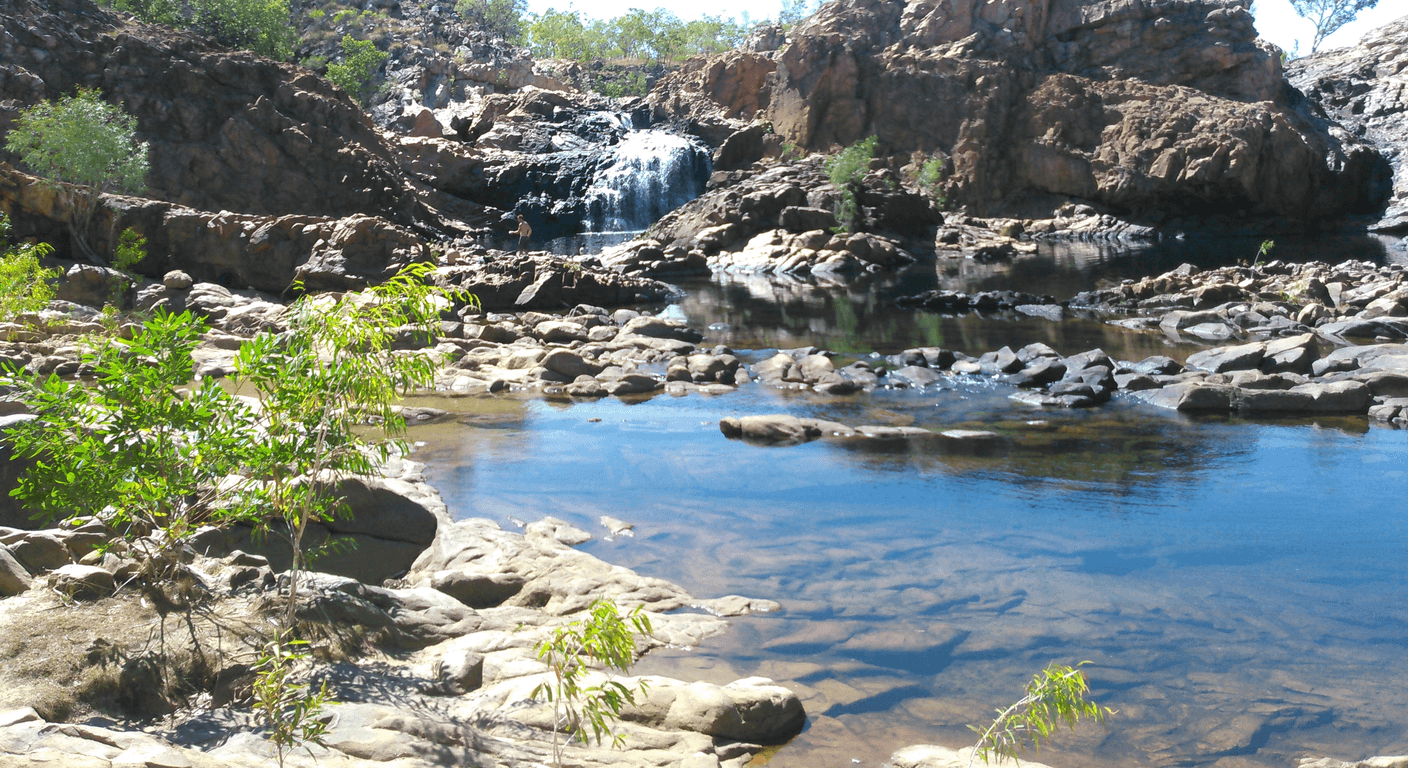
Litchfield National Park, about ninety minutes south of Darwin by car, is the most accessible national park day trip from the city during the dry season. The waterfalls and swimming holes are genuinely worth the drive if you are comfortable with a day of walking on uneven ground. Parks and Wildlife NT publishes current conditions and access information at nt.gov.au/parks. Some tour operators run day trips from Darwin if you prefer not to drive yourself.
The Darwin CBD itself is flat and walkable, with a good concentration of cafes, bookshops and the Parap Village Markets (Saturday mornings) within easy reach. For a solo traveller who appreciates a morning routine before an evening at the festival, Darwin's compact centre rewards a slow walk. The Esplanade along the waterfront is a reliable spot for an early morning or late afternoon stroll in the dry-season air.
Practical checklist before you fly north
Confirm the 2026 Darwin Festival dates and program at darwinfestival.org.au as soon as they are released — typically several months before August. Purchase any ticketed shows you want to attend early, particularly headline music acts and First Nations theatre, which tend to sell through first. Register for the festival mailing list to receive program announcements directly.
Book accommodation as early as possible — ideally three to four months out — and prioritise properties within walking distance of Festival Park if evening mobility is a consideration. If you plan to use the Ghan as part of your journey, check journey-beyond.com.au for the current timetable, as northbound and southbound departure days are fixed and need to fit around your festival dates.
Pack light, breathable clothing for warm evenings (24–28 degrees), a light layer for air-conditioned indoor venues, a small folding chair or seat cushion for outdoor events, insect repellent for dusk hours and comfortable flat shoes for the park. Sunscreen matters for any daytime activity — the Top End sun is intense even in winter. Travel insurance that covers health and cancellation is sensible for any trip of this length and distance from home.
Quick planning guide
| Ideal pace | Slow-paced and unhurried, with free evening events allowing flexibility |
|---|---|
| Best months | August, during Darwin's dry season |
| Suggested stay | 10 to 14 nights |
| Mobility level | Easy — flat, paved Festival Park with good wheelchair access |
| Cost level | Mix of free events and ticketed shows from around $30 to $80 |
| Comfort level | High — warm, low-humidity dry-season evenings suited to hours of outdoor seating |
| Best for | Solo or independent older travellers wanting arts, music and culture at a relaxed pace |
| Main planning consideration | Book accommodation and popular ticketed shows three to four months ahead, as August is Darwin's peak month |
Key takeaways
- Darwin Festival runs roughly 18 nights each August, centred on Festival Park — flat, accessible and close to the Darwin CBD and Waterfront.
- A substantial portion of the festival program is free; ticketed shows have run indicatively from around $30 to $80, with concession pricing generally available — confirm at darwinfestival.org.au.
- August is Darwin's peak month: book accommodation three to four months ahead to avoid being priced out or left with limited options.
- Dry-season Darwin evenings are warm (24–28 degrees), low humidity and largely rain-free — genuinely comfortable for several hours of outdoor seating.
- A lightweight folding chair is one of the most practical things you can bring for the outdoor park program.
- The Ghan train from Adelaide offers an alternative way to return south after the festival, combining the event with a classic Australian rail journey.
Recommended partners and links
Indicative prices only — always confirm with the operator before booking.
Frequently asked questions
When does Darwin Festival run in 2026?
Darwin Festival is expected to run for roughly 18 nights in August 2026, as it has in recent years. Confirm exact dates and the program at darwinfestival.org.au once the 2026 schedule is published, typically several months before the event.
Is Darwin Festival suitable for older or solo travellers?
Yes. Festival Park is flat and centrally located, the crowd is mixed in age, and a significant portion of the program is free. The warm, dry August evenings make outdoor seating comfortable for extended periods. Solo travellers generally find the communal atmosphere in the park easy to navigate and the city compact enough to manage without a car for festival evenings.
How much do Darwin Festival tickets cost?
Indicatively, ticketed shows have ranged from around $30 for shorter or smaller works up to roughly $80 for headline acts — these are indicative figures only; confirm current pricing at darwinfestival.org.au. Concession pricing is generally available and a seniors or pensioner concession card is usually accepted. A substantial part of the park program is free.
Is Festival Park wheelchair accessible?
The park itself is flat and the main paths are paved or compacted, making it generally accessible for wheelchair users and those with moderate mobility challenges. Accessibility for individual temporary indoor venues can vary. The Darwin Festival website publishes venue-specific accessibility information for each year's program — check this once the full program is released.
How early should you book accommodation for Darwin Festival in August?
August is Darwin's busiest month and accommodation across all price ranges fills well in advance. Booking three to four months ahead is a sensible approach. Properties within walking distance of Festival Park and the Darwin Waterfront book out earliest.