Darwin Festival runs for around ten days each August, when the dry season brings comfortable 25°C evenings and steady sea breezes to the Top End. Free outdoor stages at Festival Park sit alongside ticketed theatre, dance and music priced roughly $40–$80. Ground can be uneven after dark, so moderate mobility and flat, grippy shoes are recommended. Direct two-to-three-hour flights from Melbourne, Sydney, Brisbane and Adelaide let southern Australians arrive same-day without jet lag.
Why August in Darwin is a Different Kind of Winter
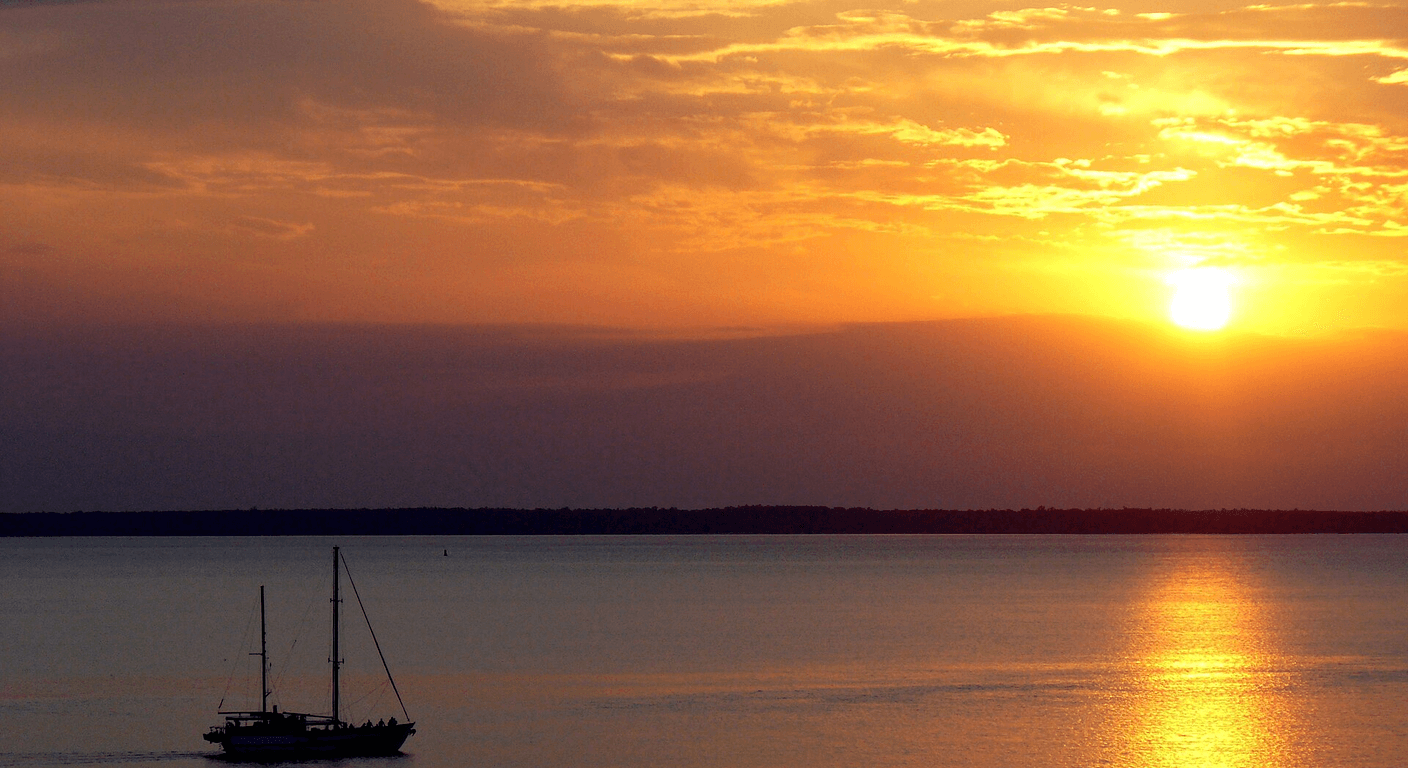
For anyone living in regional Victoria, the idea of stepping off a plane into 25°C evening air in the middle of August is, frankly, appealing. Darwin's dry season runs roughly May to October, and August sits squarely in the sweet spot: humidity is low by tropical standards, the afternoon sea breeze is reliable, and the sky — particularly at dusk over the harbour — takes on colours that make you understand why people keep coming back.
The dry season is when Darwin comes alive culturally, and the festival is the centrepiece of that. What makes it genuinely interesting for over-50s is that it's not a youth-oriented music festival with a single demographic. The program spans First Nations dance and storytelling, contemporary theatre, circus, jazz, world music, and outdoor cinema. There's a seriousness to the curation that rewards culturally curious travellers rather than those simply chasing spectacle.
The practical upside for southern Australians is the flight. Darwin is served by direct services from Melbourne, Sydney, Brisbane and Adelaide — typically two to three hours from the east coast. That's a manageable flight for anyone who finds long-haul travel demanding, and it means you arrive the same day, in the same time zone, without jet lag. A recovery day before the first big evening show is still a sensible idea, but it's not medically necessary the way a long-haul overseas trip might be.
What Is Darwin Festival, and What Does It Actually Offer?
Darwin Festival runs for around ten days each August, using multiple venues across the city. The heart of the outdoor program is Festival Park — a grassed precinct near the Waterfront that hosts free outdoor stages, food stalls, bars, and the kind of relaxed communal atmosphere that makes a warm evening feel like a gift. Arrive around 5:30pm as the sun begins to lose its edge, find a spot at a picnic table, and let the evening unfold. There's no obligation to be anywhere at any particular time.
The ticketed program is where the serious performances happen: mainstage theatre and dance productions, visiting international artists, and locally produced work that often has its Australian premiere here. Prices are indicative in the $40–$80 range depending on the show and seating category — confirm current pricing on the Darwin Festival website when the program drops, usually in June. Some shows are priced below $50 and represent genuine value for the quality on offer.
Festival Park also hosts the Deckchair Cinema component during the festival period, though the Deckchair Cinema operates independently across the dry season as well. Watching a film outdoors on a warm August night, with the option of bringing a low-backed chair or using a provided deckchair, is the kind of simple pleasure that doesn't require any further justification. The cinema has been running in various forms since the 1930s and remains one of the more characterful experiences in the Northern Territory.
Navigating the Outdoor Venues: What to Know Before You Go
Festival Park and Deckchair Cinema are outdoor venues, and that comes with honest caveats. The ground can be uneven — particularly after any late-season rain — and walking between food stalls, seating areas and the stage requires some care after dark. Good flat-soled shoes with grip are worth packing; this is not the occasion for sandals or anything with a heel. A small torch or using your phone light to navigate between areas is sensible rather than excessive.
Both venues have accessible viewing areas and the festival works to provide shaded seating where possible. If mobility is a consideration for anyone in your group, contact the Darwin Festival box office directly before purchasing tickets to confirm current accessible facilities for specific shows. The festival's website publishes accessibility information, but it's worth a phone call for anything requiring particular arrangements.
Shaded areas are available at Festival Park in the earlier evening hours, but once the sun sets the shade question becomes moot. What matters then is the temperature — and at around 25°C with low humidity, most people from southern Australia find the evenings genuinely comfortable. Bring a light cardigan anyway; seated in an open-air venue for two hours, the body cools down regardless of the ambient warmth. It won't be cold by Melbourne standards, but you'll be glad you packed it.
Pairing a Festival Evening with a Waterfront Day
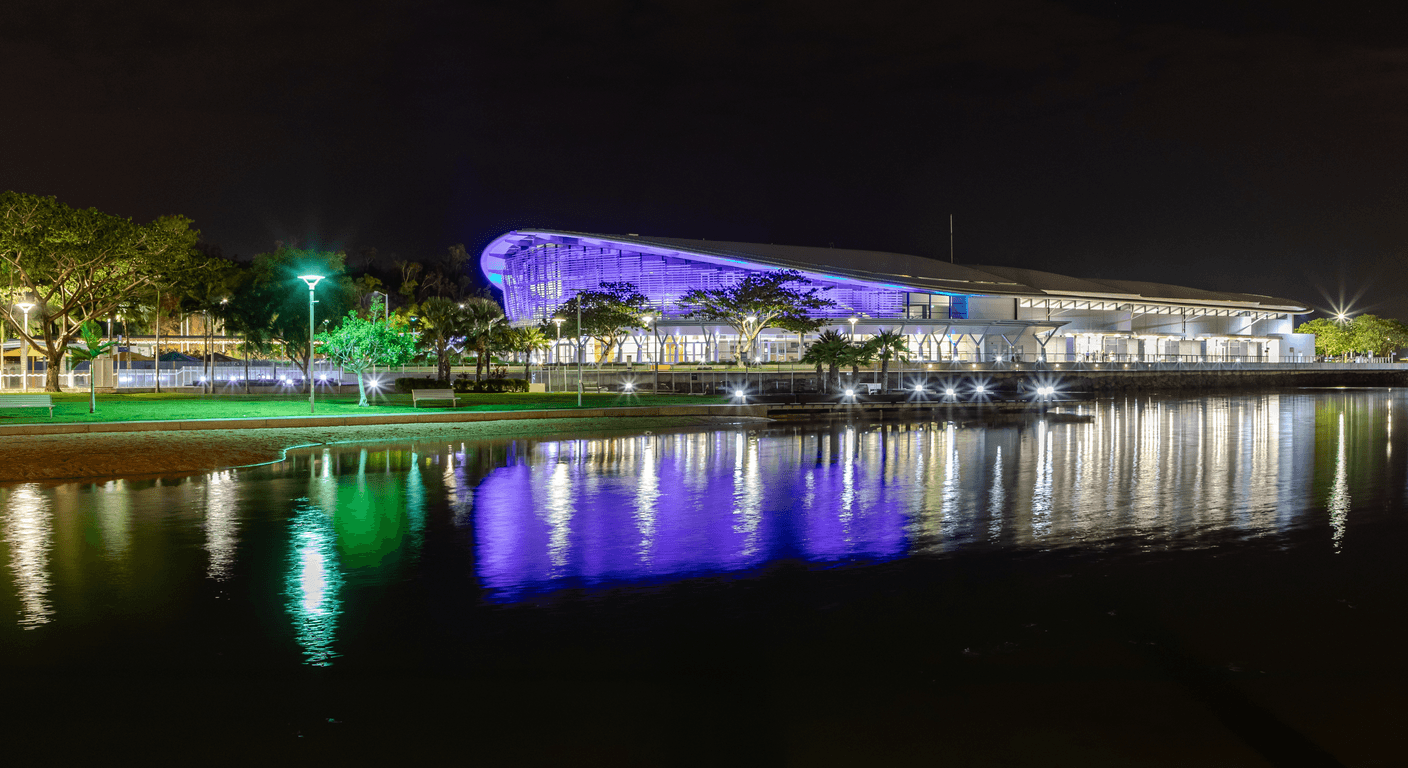
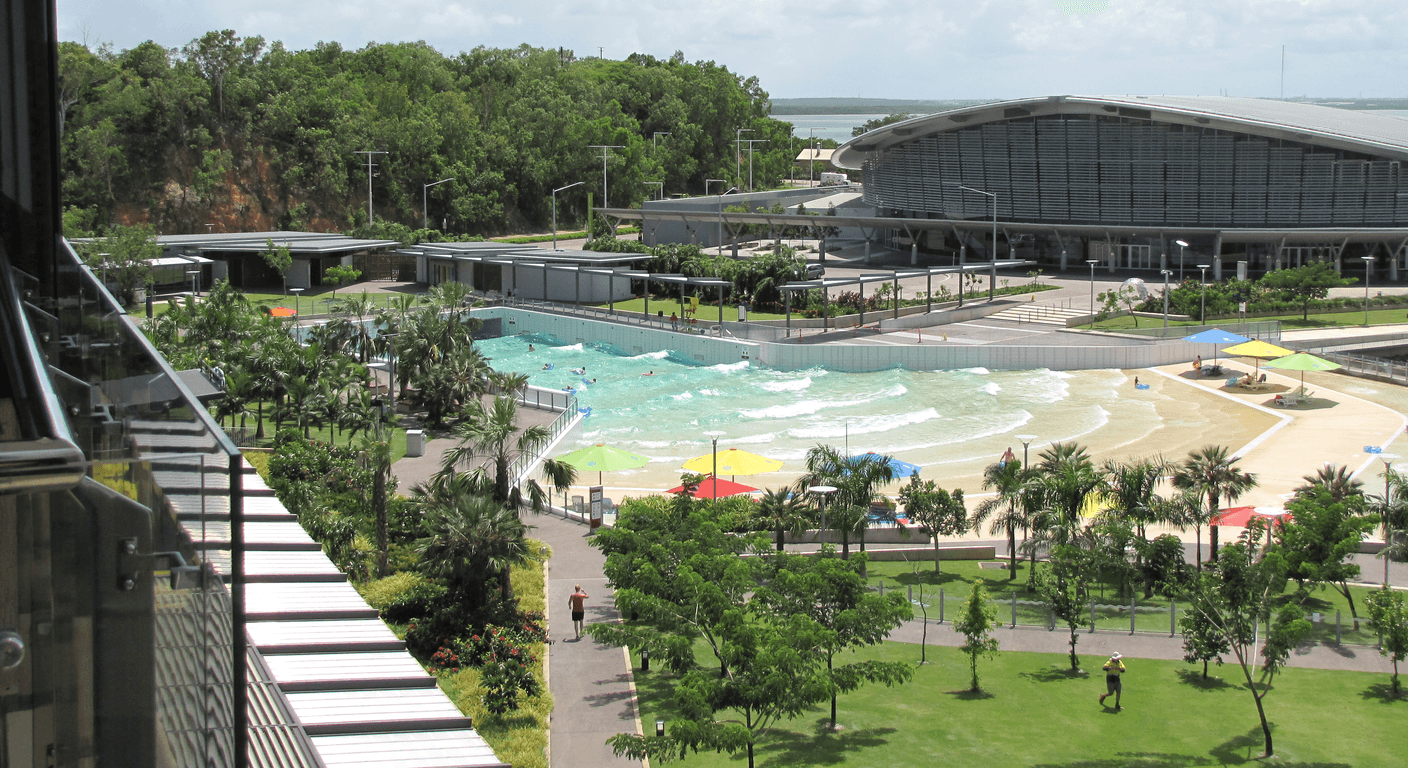
The Darwin Waterfront Precinct sits adjacent to the festival precinct and offers one of the more practical daytime itineraries for a festival visit. The wave lagoon and recreational harbour area are managed by the Northern Territory Government and provide a safe, calm swimming option — important in Darwin, where natural waterways have restrictions due to marine life. The lagoon is popular with older visitors who want a swim without the anxiety of open water.
The Waterfront also has a good spread of cafes and restaurants, ranging from casual to considered, with several offering shaded outdoor seating and harbour views. A relaxed lunch here before a 5pm return to your accommodation to rest and prepare for an evening show is the kind of day structure that suits a festival visit well. Don't try to fill the day with sightseeing and then stay out until 11pm — something will suffer, and it tends to be the enjoyment of the evening.
For those wanting to extend the day further, the Darwin CBD is a short walk or taxi ride from the Waterfront, and the Museum and Art Gallery of the Northern Territory (MAGNT) is one of the more rewarding cultural institutions in the country — particularly its Cyclone Tracy gallery and the extensive First Nations art collection. Confirm opening hours at magnt.nt.gov.au before visiting, as these can vary.
Booking Tickets: The Honest Reality of a Popular Festival
The most important piece of practical advice for this festival is also the simplest: don't leave ticketed shows until the last minute. Popular mainstage productions — particularly anything featuring high-profile First Nations artists or visiting international acts — sell out weeks, sometimes months, before the festival opens. The program is typically announced in June, and some shows will be gone within days of tickets going on sale.
The free outdoor program at Festival Park doesn't require booking, which gives any group genuine flexibility. But if there are two or three ticketed shows that matter to your group, treat booking those as the first task after the program drops. The Darwin Festival website handles ticketing directly; there's no need for third-party platforms with added fees. Check whether any concession pricing applies — the festival has historically offered discounts for seniors and NT residents, though this varies by show and year.
For a group of friends travelling together, it's worth nominating one person to handle the booking logistics. Coordinating four or five people's preferences across a ticketing window is easier with a single point of contact. Agree on the shows you most want to see before the program is released, then act quickly when it drops. The free stages will still be there regardless; the ticketed shows won't wait.
Getting to Darwin and Settling In
Direct flights to Darwin operate from Melbourne (Tullamarine), Sydney, Brisbane, Adelaide and Perth. From regional Victoria, the most practical route is typically a connecting flight through Melbourne, adding around an hour to the journey. Total travel time from Melbourne is roughly three to four hours. Qantas, Virgin Australia and Jetstar all serve the route; compare fares well ahead, as August is peak season for Darwin and prices reflect that.
Accommodation near the Waterfront or in the CBD puts you within easy walking distance of the main festival venues. Several hotels in the area have lifts, accessible rooms and on-site restaurants — useful when you don't want to go far after an evening show. Darwin is not a large city, and taxis and rideshare are readily available for the nights when walking back doesn't appeal. Confirm accommodation accessibility requirements when booking rather than assuming.
Travel insurance is worth reviewing carefully for this trip. Standard policies cover most domestic travel, but if any member of your group has pre-existing conditions, confirm what's covered before departing. MoneySmart (moneysmart.gov.au) has a useful comparison guide for travel insurance in Australia. For a festival-focused trip, cancellation cover for pre-booked shows is worth checking specifically — policies vary on whether event tickets are covered if you fall ill.
Practical Evening Tips for Southern Visitors
The adjustment from a Victorian winter to a Darwin August evening is generally a pleasant one, but it does require a small mental recalibration. Your body will have spent months in 8–15°C days; arriving into 30°C afternoons and 25°C evenings means giving yourself a day to acclimatise before committing to a full evening program. Drink more water than you think you need — the dryness of the season is deceptive, and the enthusiasm of a festival setting makes it easy to forget.
Insect repellent is worth packing, particularly for the outdoor stages at Festival Park. Mozzies are less prevalent in the dry season than the wet, but they haven't entirely left. A small roll-on or spray in your bag is easy to forget and easy to regret. Sunscreen matters for the earlier evening hours when the sun is still above the horizon at 5–6pm.
The festival program includes late-night events, but there's no obligation to attend them. The most satisfying rhythm for a group in their 60s is often two or three evenings with ticketed shows, two evenings at the free outdoor stages, and one or two nights in for an early dinner and rest. A festival is not a race. The point is to enjoy what you attend, not to accumulate experiences you were too tired to fully register.
Quick planning guide
| Ideal pace | Relaxed — a mix of ticketed shows and free outdoor evenings rather than a packed schedule |
|---|---|
| Best months | August, during Darwin's dry season |
| Suggested stay | Several days spread across the festival's ten-day run |
| Mobility level | Moderate — outdoor venues have uneven ground; flat-soled shoes with grip advised |
| Cost level | Budget-friendly to moderate — free outdoor program plus optional $40–$80 ticketed shows |
| Comfort level | Warm, low-humidity evenings around 25°C, comfortable for southern Australian visitors |
| Best for | Culturally curious travellers over 50 from southern states seeking a winter escape |
| Main planning consideration | Book popular ticketed shows as soon as the program drops in June, as they sell out weeks ahead |
Key takeaways
- Darwin Festival runs through August — Darwin's dry season — when evening temperatures sit around 25°C and humidity is manageable for southern Australians.
- Popular ticketed shows sell out weeks ahead; book as soon as the program drops, typically in June.
- Festival Park offers free outdoor stages every evening, so a festival visit doesn't require spending on every night.
- The Waterfront precinct combines a safe harbour lagoon, restaurants and walkable access to festival venues — ideal for structuring a low-key day before an evening show.
- Outdoor ground at Festival Park and Deckchair Cinema can be uneven; flat-soled shoes with grip are the practical choice.
- Darwin is served by direct flights from major Australian cities, making it one of the most accessible interstate cultural events for over-50s.
Recommended partners and links
Indicative prices only — always confirm with the operator before booking.
Frequently asked questions
When does Darwin Festival run, and what's the best time to visit?
Darwin Festival runs for approximately ten days in August each year. August is the peak of Darwin's dry season, with low humidity and evening temperatures around 25°C — the most comfortable time for outdoor events. Confirm exact dates for the current year at darwinfestival.org.au.
How much do Darwin Festival tickets cost?
Free outdoor stages at Festival Park cost nothing. Ticketed shows are indicatively priced from around $40 to $80 per person depending on the production and seating. Some concession pricing has been available in past years — check the Darwin Festival website for current pricing when the program is released.
Is Darwin Festival suitable for older travellers with mobility considerations?
The festival has accessible viewing areas and works to accommodate mobility needs, but the outdoor ground at Festival Park and Deckchair Cinema can be uneven, particularly after rain. Contact the Darwin Festival box office directly before booking to confirm accessible facilities for specific shows.
How far in advance should tickets be booked for Darwin Festival?
For popular mainstage shows, book as soon as tickets go on sale — typically when the program is announced in June. Some high-demand productions sell out within days of release. Free outdoor events don't require booking.
What is the weather like in Darwin in August for someone from southern Australia?
August is Darwin's dry season. Afternoon temperatures reach the low 30s°C, dropping to around 25°C by evening. Humidity is lower than the wet season but higher than southern Australia. Most visitors from Victoria or New South Wales find the evenings comfortable after an initial day of acclimatisation. A light layer for seated outdoor performances is still worth packing.