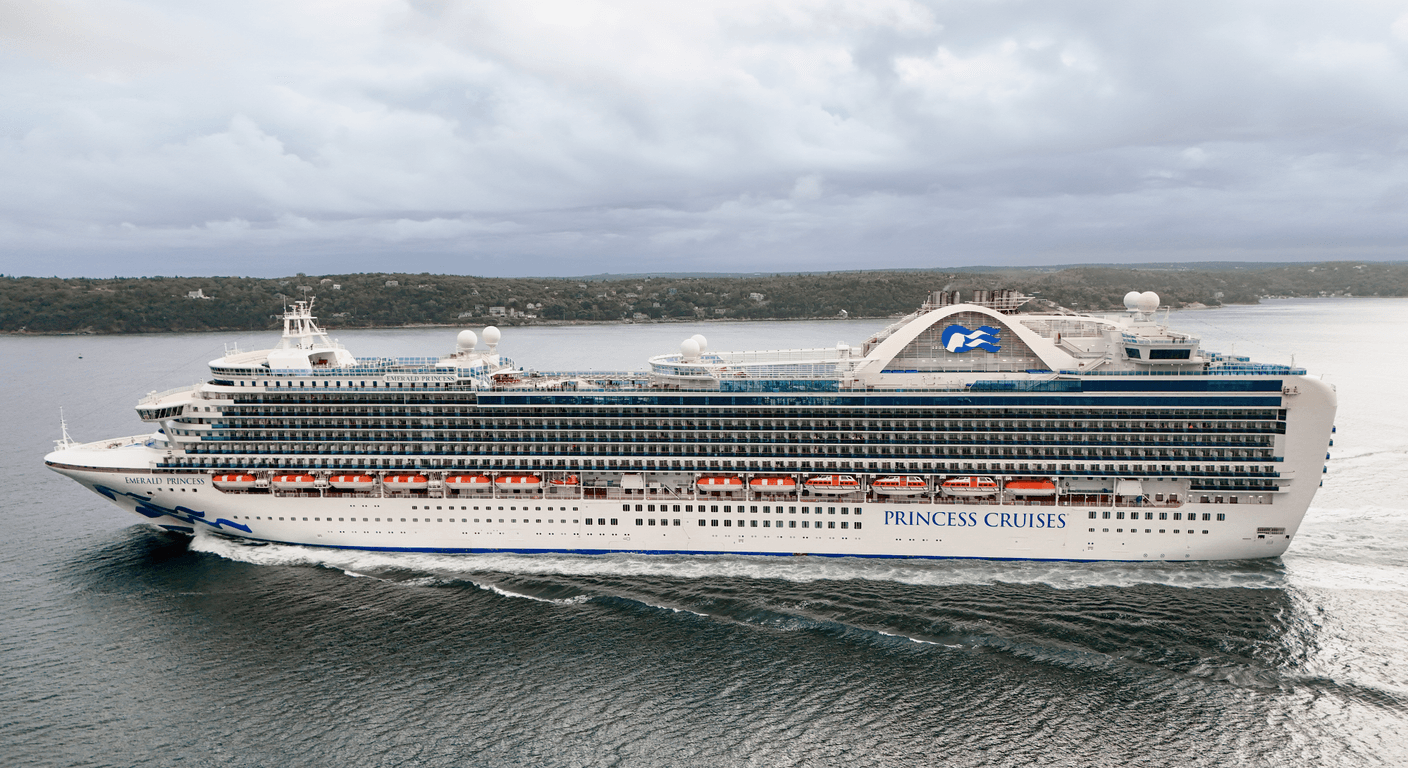
Australia's domestic cruise season runs roughly November to April, when major lines reposition ships from the Northern Hemisphere to home waters. For travellers over 50, this window offers the widest ship choice, the most departure ports and generally settled weather along the east coast. Mobility rating: Easy to Moderate depending on ship and itinerary. Access is straightforward from Melbourne, Sydney, Brisbane and Fremantle without international flights. Confirm current ship deployments directly with each cruise line before booking.
Why Australia Has a Cruise Season at All
The short answer is weather — and ship economics. The Northern Hemisphere's summer cruise season wraps up around October, and lines that have been working Alaska, the Mediterranean and the Norwegian fjords need somewhere profitable to send their ships. Australia and the South Pacific fill that gap neatly from November through April, coinciding almost perfectly with Australian summer and early autumn.
This repositioning model means the ships that arrive in Australian waters are often the same large, well-fitted vessels that have spent the European summer carrying 3,000-plus passengers. They're not sent here because they're old. The economics of running a 100,000-tonne ship demand year-round deployment, and the Australian market — particularly the east coast — has grown large enough to justify it.
For travellers over 50, this matters because it shapes your choices in ways that aren't obvious from a brochure. The seasonal window is fixed. Miss it, and you're looking at repositioning voyages heading north again in April or May, or a long-haul flight to board elsewhere. Work within it, and you have genuine variety: short three-night getaways, seven-night Queensland coast runs, twelve-night South Pacific loops and the occasional world-voyage segment departing Australian ports.
The Season's Shape: November to April, Week by Week
November is a soft opener. Ships arrive, itineraries begin, and fares are often at their lowest for the season. The weather along the New South Wales and Queensland coast is warm but not yet at peak humidity. It's a good month for a first cruise or for anyone who prefers a quieter ship — school holidays haven't hit yet, and the December-January peak hasn't pushed prices up.
December through January is the peak. Ships are full, fares are higher, and families are aboard in numbers. That's not necessarily a problem — modern large ships are designed to absorb crowds — but if you're after a quieter, more adult atmosphere, this isn't your window. The exception is longer South Pacific itineraries of ten nights or more, which attract a different mix and tend to skew older regardless of school holidays.
February and March are the season's sweet spot for over-50 travellers. The summer rush has passed, prices soften, and the weather remains excellent along the east coast and into the Pacific. April sailings are the tail end — some lines start repositioning north mid-month — but they can offer genuine value and, on longer voyages, a sense of having the ship largely to yourself. Confirm exact final sailing dates with each line, as repositioning schedules shift year to year.
Which Lines Typically Operate Here, and From Where
The Australian market is dominated by a handful of major operators. Carnival Cruise Line, P&O Cruises Australia, Royal Caribbean and Princess Cruises between them account for most of the domestic season's capacity. Each has a different character, a different pricing structure and a different approach to solo travellers — which matters enormously if you're travelling alone at 69 and don't want to pay a 100% single supplement to stare at the same four walls.
Sydney is the dominant home port, followed by Brisbane and Melbourne (Station Pier, Port Melbourne). Fremantle serves as a departure point for Indian Ocean and roundabout-Australia itineraries, though frequency is lower. If you're based in Victoria, the Melbourne departure is worth checking first — it saves a flight and a pre-cruise hotel night, and Station Pier is a straightforward taxi or rideshare from the CBD. That said, Sydney offers more frequent departures and more itinerary variety, so many Melbourne-based travellers fly up the day before and stay overnight near Circular Quay.
Smaller operators — Ponant, Scenic, Silversea — also work Australian waters during the season, typically on expedition-style or luxury sailings to the Kimberley, remote Queensland coast or New Zealand. These are a different proposition entirely: smaller ships, more active itineraries, Zodiac landings, and price points that start around $600–$1,000 pppn or more. Worth knowing about, but a separate decision. Always confirm current itineraries and ship deployments directly on each line's official site — repositioning decisions are made commercially and can change.
What a Cruise Day Actually Looks Like (The Shape of the Day)
This is the information most brochures skip. A typical sea day on a large mainstream ship runs roughly like this: breakfast service from around 7:00 to 9:30 in the main dining room (or the buffet from 6:30 if you're an early riser), with no pressure to be anywhere. Morning enrichment talks, trivia or deck activities from around 9:00. Lunch from noon to 1:30. The afternoon is genuinely yours — pool deck, a book, a nap, the gym, a spa treatment. Dinner sittings typically at 6:00 and 8:30 for traditional dining, or open seating from around 5:30 to 9:30 for anytime dining. Evening entertainment runs from about 9:00 in the main theatre.
Port days are different. If the ship is alongside a dock, you walk off. If it's a tender port — and several South Pacific islands are — you queue for a small boat transfer. This takes time, sometimes 30 to 45 minutes each way, and can be physically awkward for anyone with balance or mobility concerns. Tender ports are listed in itinerary details; check them before you book if this is a consideration. The ship typically arrives in port between 7:00 and 9:00 a.m. and departs between 4:00 and 6:00 p.m. Shore excursions are bookable through the ship (more expensive, guaranteed return if the bus runs late) or independently (cheaper, your own risk if you're delayed). The gap between 'ship excursion departure' and 'actually doing anything interesting' is usually 45 minutes of coach travel each way — factor that in.
The sit-down points on a large ship are everywhere: every deck has seating, most pool areas have loungers, and the buffet is almost always open. Toilets are frequent and accessible. Lift access to all passenger decks is standard on modern ships. For anyone with a walking frame, scooter or wheelchair, most large ships handle this well — but cabin door widths and bathroom configurations vary. Call the cruise line's accessibility team directly before booking; don't rely on the website's general accessibility statement.
Fares, Booking Windows and the Single Supplement Reality
Indicative AUD fares for the Australian season: inside cabins on mainstream lines (Carnival, P&O, Royal Caribbean) run roughly $150–$220 per person per night based on twin share. Oceanview cabins add perhaps $30–$50 pppn. Balcony cabins — worth considering for longer voyages if you want somewhere to sit outside privately — run from around $250 to $400 pppn. These are indicative figures only; confirm current pricing directly with each operator. Early-bird pricing typically opens 12–18 months out from sailing, and the best cabin categories at the lowest fares go first. If you want a balcony for a ten-night South Pacific sailing in February, booking in the preceding February or March is not too early.
The single supplement is the issue no one in mainstream cruise marketing talks about loudly enough. On most major lines, a solo traveller booking a twin cabin pays a supplement of 50% to 100% on top of the per-person twin rate — meaning you can end up paying the full price of two people for one cabin. That's $300–$400 a night for an inside cabin on a peak sailing. It is, frankly, a penalty for travelling alone, and it's worth naming it as such. The alternatives: some lines offer designated solo cabins (smaller, purpose-built, no supplement or a reduced one — ask specifically), some offer share-match programmes where you're paired with another solo traveller of the same gender (works for some, not for others), and some sailings have dedicated solo departures. P&O Cruises Australia and Royal Caribbean both have solo cabin options on selected ships — confirm availability for the specific vessel and sailing you're considering, as it varies.
Last-minute deals do exist, but cabin choice narrows sharply, and the best accessible or solo-friendly cabins are gone. For a traveller with specific cabin requirements — accessible bathroom, lower deck for stability, port-side for a particular view — last-minute is a gamble. The practical advice: book early for choice, watch for price drops in the three-to-six month window before sailing (many lines offer price-match or onboard credit adjustments if you ask), and confirm the cancellation and rebooking policy before you pay a deposit.
Weather, Health and the Practical Realities
Australian summer cruising is warm. The Queensland coast and South Pacific are genuinely hot in December and January — humidity included. If you run warm or have a heart condition that's aggravated by heat, February or March sailings are worth the slight premium in comfort. The Tasman crossing to New Zealand, popular in the shoulder months, is cooler and can be rough; the Bass Strait leg out of Melbourne is notoriously lumpy even on calm days. If you're prone to seasickness, a lower-deck midship cabin reduces motion significantly, and a conversation with your GP about preventive medication before departure is sensible.
Travel insurance is non-negotiable, and for travellers over 50 with any pre-existing condition, the fine print matters more than the headline price. Cruise-specific policies cover missed port departures, onboard medical costs (which on a large ship can be surprisingly high — shipboard medical centres are not public hospitals) and medical evacuation. Disclose every pre-existing condition honestly; a claim denied on non-disclosure is worse than a slightly higher premium. Compare policies at moneysmart.gov.au or through a specialist travel insurance broker familiar with over-50 health declarations.
Domestic cruises departing from Australian ports don't require a passport — a current Australian driver's licence or state photo ID will suffice for most sailings. The exception is any voyage that calls at an international port, including some South Pacific islands and New Zealand, where a valid passport is required. Check the specific itinerary's documentation requirements. Holders of a Victorian Seniors Card should check with their state government and specific operators for any port-related concessions, though cruise line pricing itself rarely carries a seniors discount — it's worth asking.
Solo Traveller's Perspective vs A Couple's Perspective
A solo traveller's perspective: the single supplement is the first conversation to have, not the last. Before you fall in love with an itinerary, find out what the ship charges for a solo cabin or the supplement on a twin. Some sailings make solo travel genuinely affordable; others essentially price you out. The social side of cruising is, for many solo travellers, a genuine draw — communal dining, organised activities and a consistent passenger group across ten or fourteen nights means you'll meet people without effort. Request a shared table at dinner if you're open to it; most lines accommodate this. The ship's solo traveller events (cocktail hours, dedicated meet-ups) vary in quality — some are genuinely warm, others feel like a tick-box exercise.
A couple's perspective: cruising is arguably the easiest holiday format for two people with different energy levels. One can do the shore excursion; the other stays aboard with a book. Balcony cabins earn their premium on longer voyages — a private outdoor space for morning coffee or an evening drink is a different quality of experience from sharing a pool deck. The main friction point for couples is often dining: anytime dining suits different appetites and rhythms, but traditional set sittings can feel rigid after a week. Ask about the dining options on your specific ship before booking — it varies more than you'd expect.
Quick planning guide
| Ideal pace | 7–14 nights; shorter sailings suit first-timers, longer voyages reward those who want to settle in |
|---|---|
| Best months | November to April; December–February for warmth, shoulder months for smaller crowds and softer pricing |
| Suggested stay | Allow a pre-cruise night in the departure city — no rushing a 5 a.m. check-in after a long drive or connecting flight |
| Mobility level | Easy on modern large ships; Moderate on older or smaller vessels with tender ports |
| Cost level | Inside cabins from roughly $150–$220 per person per night; balconies from around $250–$400 pppn — confirm with each line |
| Comfort level | High on major lines; variable on smaller expedition-style vessels |
| Best for | Solo travellers, couples, grey nomads wanting a no-pack, no-drive holiday |
| Main planning consideration | Single supplements on most mainstream lines are steep — typically 50–100% above the per-person twin rate; ask about solo cabins or share-match programmes |
Key takeaways
- Australia's cruise season runs roughly November to April, with February and March the quietest and often best-value months for over-50 travellers.
- Major lines including Carnival, P&O, Royal Caribbean and Princess Cruises typically deploy ships to Australian home ports during this window — confirm current ship assignments on each line's official site.
- Single supplements on most mainstream lines add 50–100% to the per-person twin rate; always ask specifically about solo cabin options or share-match programmes before assuming you can't afford it.
- Tender ports — common on South Pacific itineraries — involve a small-boat transfer that can be physically demanding; check which ports are tender before booking if mobility is a consideration.
- Indicative inside cabin fares run roughly $150–$220 per person per night on twin share on mainstream lines — balconies from around $250 pppn — but confirm all current pricing directly with the operator.
- Travel insurance with full pre-existing condition disclosure is essential; shipboard medical costs are not covered by Medicare and can be substantial.
Recommended partners and links
Indicative prices only — always confirm with the operator before booking.
Frequently asked questions
When does the Australian cruise season start and end?
Australia's domestic cruise season runs roughly from November through to April each year. Ships typically begin arriving in home ports in late October or early November after the Northern Hemisphere summer season, and start repositioning north again from mid-April. Exact dates vary by line and vessel — confirm the current season schedule on each cruise line's official Australian website before booking.
Which cruise lines operate in Australia during summer?
Carnival Cruise Line, P&O Cruises Australia, Royal Caribbean and Princess Cruises are among the major lines that typically deploy ships to Australian waters during the November–April season. Luxury and expedition operators including Ponant, Scenic and Silversea also operate in Australian and nearby waters during this period. Ship deployments change year to year, so confirm current vessel assignments directly with each line.
How much does an Australian summer cruise cost in AUD?
Indicative pricing on mainstream lines (Carnival, P&O, Royal Caribbean, Princess) runs roughly $150–$220 per person per night for an inside cabin on twin share, and around $250–$400 pppn for a balcony cabin. These are indicative figures only — actual fares vary by sailing date, itinerary length and how far in advance you book. Always confirm current pricing directly with the cruise line or a licensed travel agent.
Do solo travellers pay a single supplement on Australian cruises?
On most mainstream cruise lines, solo travellers booking a twin cabin are charged a single supplement of 50–100% above the per-person twin rate. Some lines offer purpose-built solo cabins with no supplement or a reduced one, and some sailings have share-match programmes. Ask specifically about solo cabin availability and supplement rates for the ship and sailing you're considering — it varies significantly between lines and vessels.
Do you need a passport for a cruise departing from an Australian port?
For cruises that stay within Australian waters, a current Australian driver's licence or state photo ID is generally sufficient. However, any itinerary that calls at international ports — including South Pacific islands or New Zealand — requires a valid Australian passport. Check the specific documentation requirements for your itinerary before booking, and ensure your passport has at least six months' validity beyond the return date.