River cruising suits over-50s travellers because you unpack once while the scenery changes outside the window, with shore excursions of just two to four hours. Australia's Murray River offers three- to seven-night paddlewheeler trips, driveable from South Australia or Victoria, no flight required. Europe's Rhine, Danube and Douro run April to October, but demand 20–24 hours of flying plus recovery time. Mobility is moderate — gangplanks and cobblestones vary by ship and town.
Why river cruising works so well after 50
The appeal is structural, not sentimental. You unpack once. The ship moves while you sleep or sit on the sun deck with a glass of something cold, and by morning there's a different town at the gangplank. There's no tendering ashore in rough swells, no vast ocean-liner corridors to navigate, and the ships are small enough that you'll know the other passengers by day two. For a group of friends travelling together, that intimacy is part of the pleasure.
Pacing on a river cruise is genuinely unhurried. Shore excursions tend to run two to four hours, leaving the afternoon free. Most European river ships offer a choice of guided walk, cycling option or independent time ashore — so the group can split without anyone feeling guilty. Meals are typically included, the itinerary is set, and the cognitive load of daily decision-making drops considerably. For travellers managing a health condition, that predictability matters.
Accessibility varies more than brochures suggest. Gangplanks can be steep depending on water levels, and historic European towns are enthusiastically cobblestoned. That said, most reputable operators note accessibility details on their websites, and it's worth calling to ask specific questions before booking — not after. The Murray's paddlewheelers are generally easier to board and have flatter decks than their European equivalents.
The Murray River: Australia's own river cruise tradition
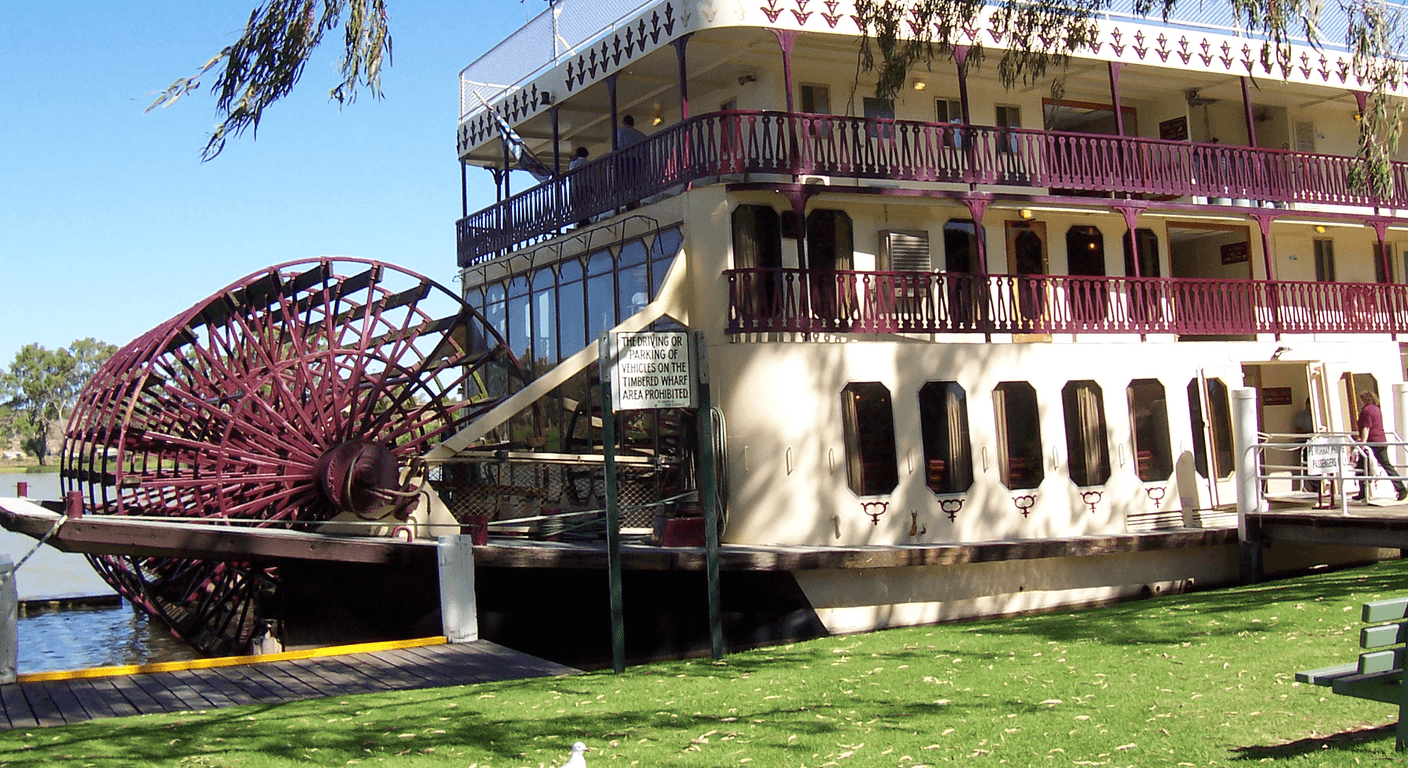
The Murray has been carrying passenger vessels since the 1850s, and the paddlewheeler aesthetic — timber decks, slow bends, red gum banks, the occasional pelican conducting its own affairs — is genuinely distinctive. This isn't a consolation prize for travellers who can't face a long-haul flight. It's a different experience, and for many a more personally resonant one.
Itineraries typically depart from Mannum or Murray Bridge in South Australia, or from Mildura or Echuca in Victoria. Durations range from a three-night weekend run to a seven-night full passage. The PS Murray Princess, operated by Proud Mary Tourism, is one of Australia's largest inland passenger vessels and has been running these routes for decades. Smaller expedition-style ships have entered the market more recently, offering a quieter, more naturalist-focused experience with guided birdwatching and Indigenous cultural content.
Cost is a clear advantage. A four-night Murray cruise typically comes in at a fraction of a comparable European itinerary, without the airfare. For a group of friends based in regional Victoria — say, within two hours of the river — this is a genuinely accessible option that doesn't require weeks of planning or a significant health insurance review. Drive to the embarkation port, board, and let the river do the rest.
Europe's Rhine, Danube and Douro: what Australians are actually signing up for
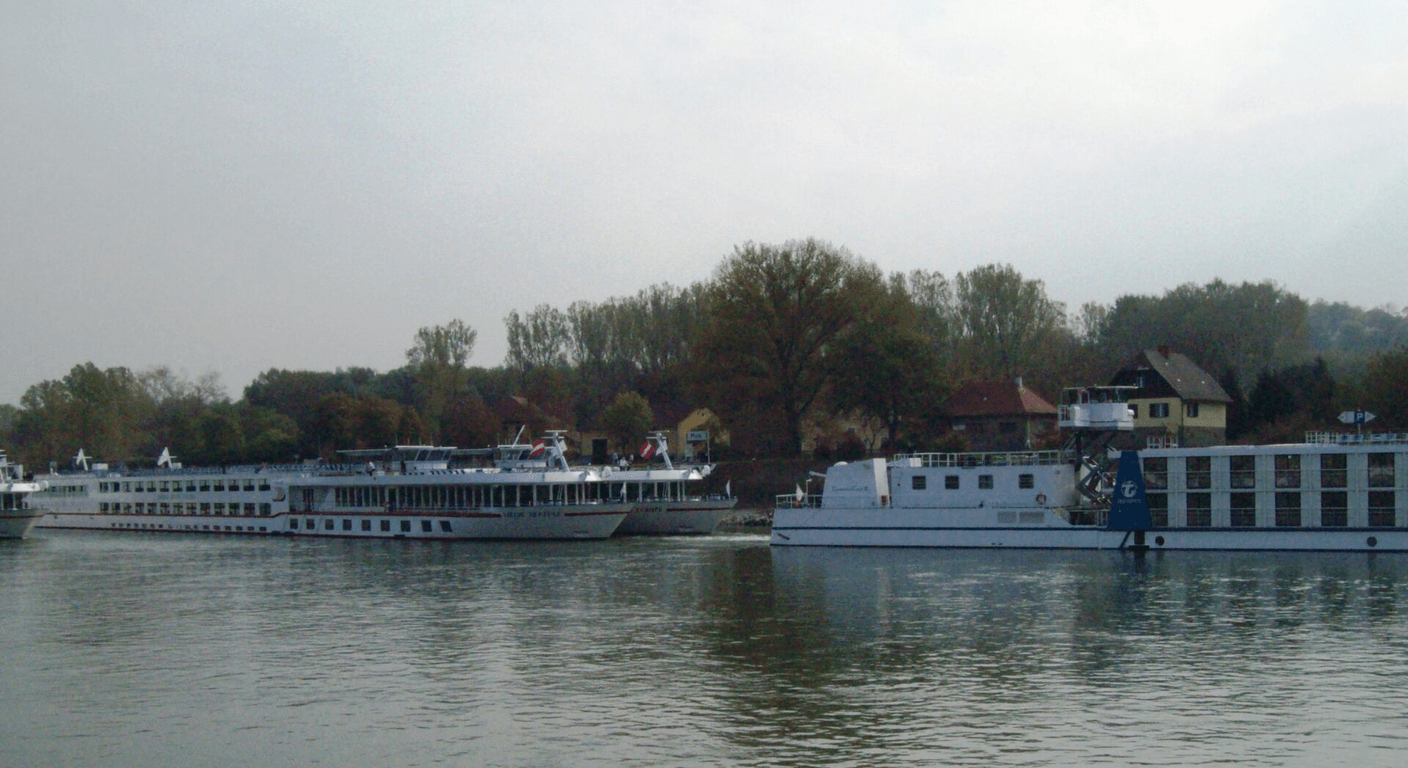
The Rhine between Basel and Amsterdam is the classic introduction to European river cruising — medieval towns, castle-studded gorges, Dutch cycling culture at the northern end. The Danube from Passau to Budapest (or further east to the Black Sea) is longer, more varied, and takes in Vienna, which is worth the whole trip on its own. The Douro in Portugal is shorter and more intimate, winding through terraced vineyard country with excellent regional food and wine. Each river has a different personality; choosing between them is a genuine decision, not a marketing preference.
For Australians, the flight reality is non-negotiable. Sydney or Melbourne to Amsterdam, Frankfurt or Lisbon runs roughly 20–24 hours in the air, typically with one stopover in Dubai, Singapore, Doha or a European hub. Jet lag at this distance is real and takes several days to resolve. A recovery night — ideally two — before the cruise begins is not indulgence, it's basic sense. Build it into the budget and the itinerary.
Season matters enormously on European rivers. April to October is the window, with July and August the warmest and most crowded months. Spring departures (April–May) catch the Rhine in bloom and the Douro before the summer heat peaks. September and October offer harvest season on the Douro and warmer evenings on the Danube. Winter river cruises do exist — Christmas markets on the Rhine and Danube are popular — but water levels can cause itinerary changes, so confirm the operator's policy before booking.
Comparing costs honestly: what's in, what's not, and what surprises people
European river cruises are typically all-inclusive or close to it: cabin, meals, house wine and beer with dinner, guided excursions, port fees and sometimes gratuities. The headline per-person price looks significant — indicatively, somewhere between $4,500 and $9,000 or more depending on operator, cabin category, itinerary length and departure date — but when you factor in what's covered, the daily cost can compare reasonably with a self-drive European holiday where you're paying separately for accommodation, meals and car hire. Confirm exactly what's included with each operator before comparing prices.
The Murray is considerably less expensive in absolute terms, though inclusions vary by operator and vessel. Some paddlewheelers include all meals and onboard entertainment; others operate more like a floating hotel with à la carte dining. Read the inclusions carefully. Adding return flights from Melbourne or Sydney to Europe — indicatively $2,000–$3,500 economy depending on season and airline — closes some of the price gap between the two options.
Solo travellers face the perennial single supplement, which can add 25–100% to the per-person cabin cost depending on the operator. Some lines — APT and Emerald among them, though confirm their current policies — periodically waive or reduce the single supplement on selected departures. It pays to ask directly, and to watch for dedicated solo departure dates. The Murray operators are generally more flexible on this point, and a solo traveller in a group of friends is a common and well-catered-for scenario.
Solo and friends-group travel: how the two options compare
River cruising is one of the better formats for a group of women travelling together in their 60s. You can book adjoining cabins, share meals, split off for different excursions and reconvene for sundowners without anyone needing to manage the logistics of driving or accommodation changes. The social rhythm of a small ship suits a group naturally — and if the group wants to meet new people, that happens easily too.
For solo travellers, the Murray has a practical advantage: no long-haul flight means lower total cost, and a solo supplement on a short domestic cruise is a smaller absolute impost. On European itineraries, the solo supplement is worth negotiating hard. Some operators offer dedicated solo cabins at no supplement on specific sailings — these tend to book early, so it's worth registering interest with the operator well in advance of the travel date.
Both options offer a degree of structured sociability that independent travel doesn't — you're not eating alone at a restaurant table every night unless you choose to. For travellers who've recently changed their circumstances — retired, widowed, newly independent — that built-in social structure can make the difference between a trip that feels manageable and one that doesn't.
Practical planning: what to sort before you book
Travel insurance is the first conversation, not the last. Any pre-existing medical condition needs to be declared, and the policy needs to cover cruise-specific scenarios including missed embarkation, medical evacuation from a remote river location, and trip cancellation. For European itineraries, check whether your policy covers the full travel period including pre- and post-cruise nights. The Australian Government's Smartraveller website (smartraveller.gov.au) is the right starting point for destination advice and insurance guidance.
Passport validity is worth checking now if you haven't recently. Most European countries require six months of validity beyond the return travel date. Visa requirements for Australian passport holders in the Schengen area, Portugal and beyond should be confirmed via the official embassy or consulate website before booking — visa rules can change, and it's not something to rely on secondhand advice for.
On the Murray, the planning is simpler. Most itineraries depart from South Australia or Victoria, making them driveable for travellers based in regional Victoria. Check whether the operator provides transfers from the nearest regional city or rail station — some do, some don't. Echuca, for instance, is accessible by V/Line train from Melbourne (vline.com.au), which is worth knowing if the group prefers not to drive.
Making the decision: Murray first, Europe next — or both
There's no hierarchy here. The Murray is not a warm-up act for Europe, and Europe is not a reward for having done the Murray. They are genuinely different experiences that suit different moments. A group of friends who haven't cruised together before might find the Murray a lower-stakes introduction — shorter, cheaper, no jet lag, and with the particular pleasure of watching Australian bush pass slowly by at dusk. That's not a minor thing.
For those ready for Europe, the Douro is often suggested as a first European river cruise — it's shorter (typically seven nights), the ships are smaller, the pace is slower, and the food and wine are quietly excellent. The Rhine is the most infrastructure-rich option, with easy connections to major European cities if you want to extend the trip. The Danube rewards travellers who want more cultural depth — Budapest alone justifies the flight.
The honest answer is that many travellers do both over time, and find that each sharpens their appreciation of the other. Start with whichever suits your current circumstances — health, budget, group readiness, appetite for a long flight. River cruising, once tried, tends to become a habit rather than a one-off.
Quick planning guide
| Ideal pace | Slow-paced and unhurried, with free afternoons |
|---|---|
| Best months | April–October for Europe (May and September ideal); Murray is flexible year-round |
| Suggested stay | 3–7 nights on the Murray; 7 or more nights on European rivers |
| Mobility level | Moderate — gangplanks and cobblestones vary by port; Murray decks are flatter and easier |
| Cost level | Budget-friendly on the Murray; premium on European rivers (roughly $4,500–$9,000+ per person) |
| Comfort level | High — small ships, included meals and a set, low-effort itinerary |
| Best for | Groups of friends, solo travellers, and those managing a health condition or recent life change |
| Main planning consideration | Arrange cruise-specific travel insurance early, budget recovery nights for jet lag on European trips, and negotiate the solo supplement directly with the operator |
Key takeaways
- River cruising's one-unpack, slow-pace format suits travellers over 50 better than almost any other travel style.
- The Murray River offers a genuinely worthwhile cruise experience — not a compromise — at a fraction of the cost and with no flight required.
- European river cruises from Australia require 20–24 hours of flying; budget at least two recovery nights before the cruise departs.
- Solo travellers should ask operators directly about single supplement waivers and dedicated solo-cabin sailings — they exist on selected departures.
- Travel insurance covering pre-existing conditions and cruise-specific scenarios must be arranged before paying any deposit.
- The Douro in Portugal is frequently recommended as the most manageable first European river cruise for Australians — shorter itinerary, smaller ships, excellent food and wine.
Recommended partners and links
Indicative prices only — always confirm with the operator before booking.
Frequently asked questions
Is river cruising suitable for travellers over 60 with mobility considerations?
River cruising is generally well-suited to travellers with moderate mobility considerations. Ships are small and easy to navigate, meals are onboard, and shore excursions are typically short. However, gangplanks can be steep depending on water levels, and European historic towns often have cobblestoned streets. Contact the operator before booking to ask specific questions about boarding access, cabin locations and excursion difficulty — most reputable lines have this information readily available.
How long is the flight from Australia to a European river cruise departure port?
Flights from Sydney or Melbourne to major European river cruise hubs — Amsterdam, Frankfurt, Vienna, Budapest or Lisbon — typically take 20–24 hours including at least one stopover. Jet lag at this distance is significant; most experienced travellers recommend arriving two to three days before the cruise departs to allow proper adjustment before the itinerary begins.
Do river cruise operators charge a single supplement for solo travellers?
Most European river cruise operators do charge a single supplement, which can range from around 25% to 100% of the per-person twin-share fare depending on the line and cabin type. Some operators — including several Australian-based lines — periodically waive or reduce the single supplement on selected departures, or offer dedicated solo cabins at no extra charge. Confirm current solo policies directly with each operator before booking.
What is the best time of year for a Murray River cruise?
March to May and September to November are generally the most comfortable months for a Murray River cruise, avoiding the extreme summer heat of December to February and the cooler winter months. That said, the Murray operates year-round, and winter cruises have their own appeal — cooler temperatures, fewer visitors and different birdlife. Check with the operator about seasonal water levels, which can occasionally affect itineraries.
What travel insurance do I need for a European river cruise from Australia?
You need a thorough travel insurance policy that covers pre-existing medical conditions, cruise-specific scenarios (including missed embarkation and onboard medical treatment), medical evacuation, and trip cancellation. Standard travel insurance policies do not automatically cover all cruise scenarios, so read the product disclosure statement carefully and declare all pre-existing conditions honestly. The Australian Government's Smartraveller website at smartraveller.gov.au provides general guidance on insurance for international travel.