Australia Zoo at Beerwah, about an hour north of Brisbane, is most comfortable April to October, when Queensland's humidity eases. A relaxed half-day suits it best: choose one section, African or Australian wildlife, and anchor the visit around the seated, covered Crocoseum show. Flat sealed paths, shaded seating, and on-site wheelchair and scooter hire make it an easy-access day out. Travellers reach it by train to Beerwah station plus the zoo's free shuttle, or by car via the Bruce Highway.
Why Australia Zoo Works So Well for Unhurried Travellers
There's a particular pleasure in visiting a wildlife attraction when you're not chasing a group schedule or herding small children. Australia Zoo at Beerwah, about an hour north of Brisbane on the Sunshine Coast hinterland, rewards exactly that approach. The zoo covers roughly 100 acres, which sounds daunting — until you realise the main pathways are sealed, almost entirely flat, and dotted with shaded seating at intervals that would satisfy even the most rest-inclined visitor.
For travellers coming from Victoria, the mental shift from Melbourne's cool climate to Queensland's subtropical warmth is worth acknowledging. Even in the cooler months — April through October — Beerwah sits in genuine sunshine, and pacing yourself is the single most important decision of the day. Pick one half of the zoo. Do it well. The animals aren't going anywhere, and neither should you be rushing.
The Irwin family's presence is felt throughout — not in a theme-park way, but in the genuine conservation ethos that runs through the signage, the keeper talks, and the on-site Australia Zoo Wildlife Hospital (visible from a viewing gallery). It's a zoo with a point of view, and that makes lingering feel worthwhile rather than idle.
Getting There: The Train and the Free Shuttle
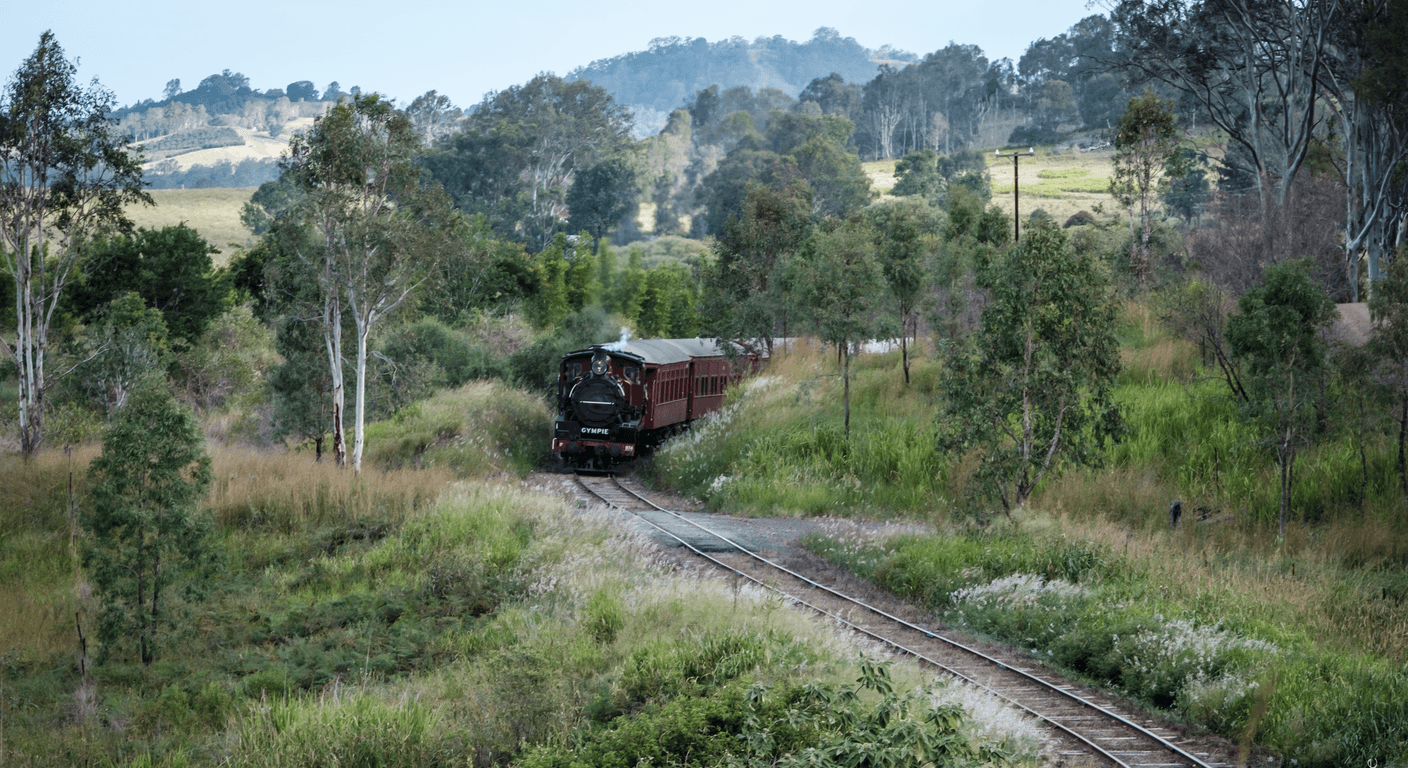
From Brisbane, the most straightforward route is the Queensland Rail Sunshine Coast line to Beerwah station. The journey from Brisbane Central takes roughly 90 minutes and is a genuinely pleasant ride through the hinterland. Travellers holding a Queensland Seniors Card or a concession card should confirm current rail fare concessions with Queensland Rail or Translink before booking.
Australia Zoo operates a free shuttle bus between Beerwah station and the zoo entrance. It's a practical service that removes the need to hire a car or negotiate a taxi — but it runs on a set timetable, not on demand, and timetables do change seasonally. Confirming the current schedule at australiazoo.com.au or by calling the zoo directly before your visit is genuinely important, not just a formality. Missing the shuttle and waiting in the carpark is not the start to the day you want.
Travellers flying from Melbourne or Sydney into Brisbane or the Sunshine Coast (Maroochydore) airport will find hire cars and coach transfers readily available. Those who prefer to drive can follow the Bruce Highway north from Brisbane — parking at the zoo is ample and free. For grey nomads already touring the Sunshine Coast, Beerwah is an easy detour from the main highway.
Entry, Concessions, and What to Confirm Before You Go
Senior and concession entry to Australia Zoo is indicatively priced around $59–$70 as of recent pricing — a meaningful saving on the standard adult rate. The zoo's website is the only reliable source for current pricing, as rates are reviewed periodically. It's worth checking whether your Victorian Seniors Card or Commonwealth Seniors Health Card qualifies; Australian zoo concessions vary in how they define eligibility, and Australia Zoo's ticketing team can clarify over the phone or via their website.
Tickets can be purchased online in advance, which is worth doing to avoid queuing at the gate — particularly in school holiday periods when families descend in numbers. Arriving mid-morning rather than at opening gives the initial rush time to settle, and the zoo is large enough that crowds thin quickly once people disperse.
There are no hidden add-ons required to enjoy the core experience. The Crocoseum show, keeper talks, and most animal encounters are included in entry. Some special experiences — like photos with particular animals — carry additional fees. These are clearly signposted and entirely optional.
The Crocoseum: Anchor Your Day Around This
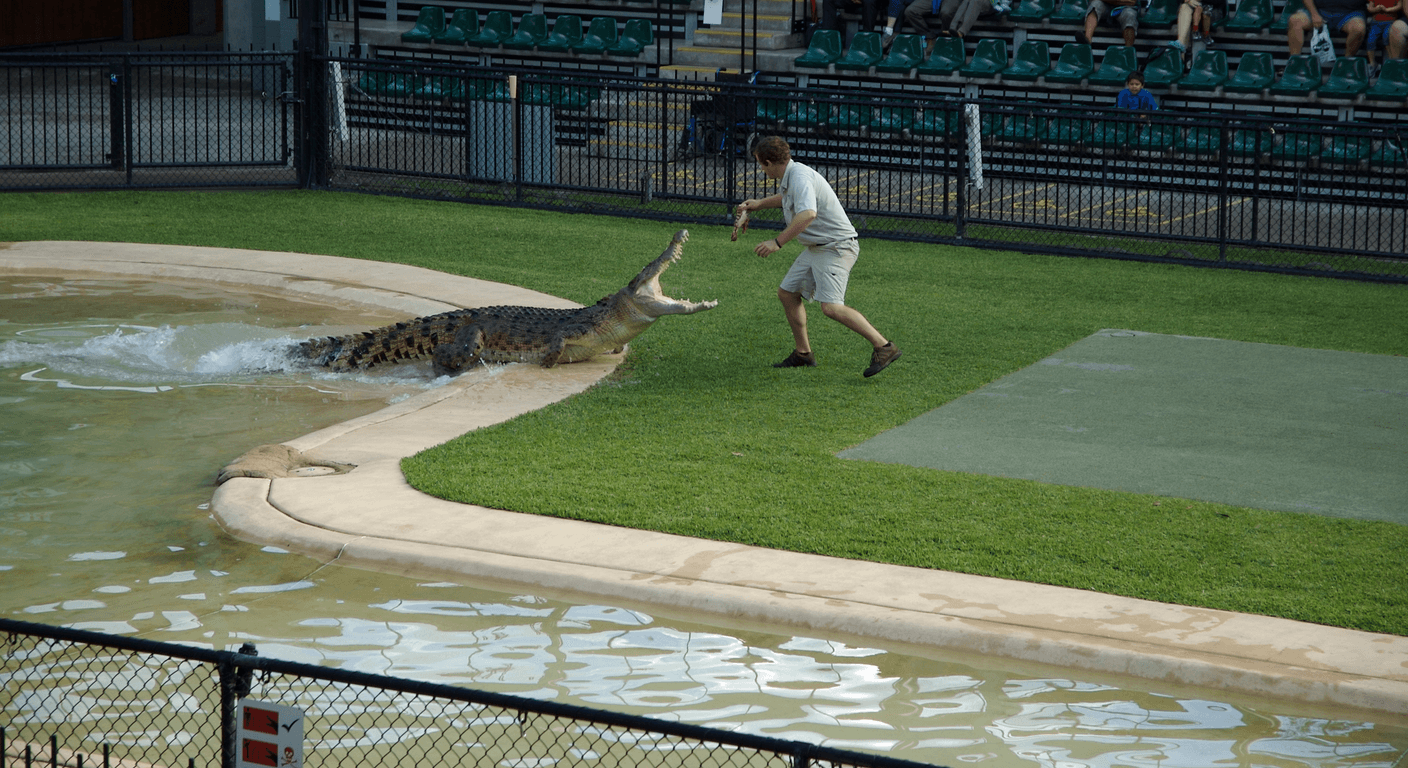
The Crocoseum show is the heart of any Australia Zoo visit, and it's particularly well-suited to travellers who appreciate a sit-down. The stadium is covered, with tiered seating that provides clear sightlines from most positions — arrive ten to fifteen minutes early to choose a spot with good shade and easy aisle access. The shows run multiple times daily; check the current schedule on arrival or online, and plan your morning or afternoon around one session rather than trying to fit in two.
The show itself features crocodiles, snakes, birds of prey, and keeper commentary that's informative without being condescending. It runs for around 20 to 25 minutes — long enough to be satisfying, short enough that it doesn't exhaust anyone. The energy in the arena is genuine; the keepers clearly know their animals, and that expertise comes through in the handling and the stories they share.
For anyone who has watched the Irwin family on television over the years, there's something quietly moving about being in that space. The Crocoseum was Steve Irwin's original vision, and the family's commitment to what he started is evident. It's not nostalgia exactly — it's continuity, and that resonates.
Choosing Your Half: Africa or Australia?
The practical advice for travellers who want a comfortable, unrushed visit is simple: choose one half of the zoo and explore it properly, rather than attempting a full circuit. Australia Zoo divides broadly into an African section — housing rhinos, giraffes, cheetahs, and elephants — and an Australian wildlife section, with koalas, wombats, kangaroos, cassowaries, and Tasmanian devils. Both are worthwhile. Neither requires the other to feel complete.
The Australian section tends to appeal to visitors who want to see native fauna up close — particularly those hosting international guests or family members who haven't encountered a cassowary before (a genuinely unsettling bird, in the best possible way). The African section draws travellers with a safari sensibility, and the giraffe and elephant areas in particular have well-positioned viewing platforms with seating.
A useful approach: walk the section you've chosen at a gentle pace, pause at enclosures that genuinely interest you, find a shaded bench for a rest when you need one, and resist the pull of 'just one more' when your feet are telling you otherwise. The zoo is designed for return visits. One excellent half-day beats one exhausting full one.
Comfort on the Ground: Shade, Seating, and Mobility Aids
Australia Zoo's accessibility credentials are genuine rather than aspirational. Wheelchair hire and mobility scooter hire are available at the zoo entrance — numbers are limited, so calling ahead to reserve is sensible, particularly on busy school holiday days. The sealed paths throughout the zoo are wide enough for scooters and wheelchairs, and gradients are minimal. Companions can walk alongside without any awkward navigation.
Shaded seating areas are distributed throughout both sections. The African savannah area has covered rest points near the elephant enclosure; the Australian section has a grassy picnic lawn with shade structures near the kangaroo walk-through. Cafés and kiosks are positioned at intervals — you won't need to walk far for a cold drink or a rest stop. The main Savannah Restaurant offers a fuller lunch menu with indoor and outdoor seating.
For travellers sensitive to heat — and Queensland's humidity is real, even in the mild months — wearing light, breathable clothing and carrying a refillable water bottle makes a meaningful difference. The zoo has water refill stations. A hat is not optional.
Lunch, Pacing, and Making It a Proper Day
Midday at Australia Zoo is the natural pause point. The Savannah Restaurant is the main dining option — a spacious, air-conditioned space with a menu that covers the usual café fare: sandwiches, hot meals, salads, and decent coffee. It's not destination dining, but it's comfortable and the air conditioning alone makes it worth the stop. Alternatively, the picnic lawn near the Australian section is a pleasant outdoor option for those who've brought their own lunch.
A well-paced Australia Zoo day might look something like this: arrive mid-morning, spend two hours exploring one section at leisure, attend the midday Crocoseum show, take a long lunch break, then spend another hour or so at a favourite enclosure before the shuttle back to Beerwah station. That's a full and satisfying day without a single moment of route-marching.
Travellers staying overnight on the Sunshine Coast — Caloundra, Mooloolaba, or Noosa are all within 30 to 45 minutes — will find the day far less tiring than those attempting a same-day return from Brisbane, let alone Melbourne. If the trip is coming from interstate, building in a night at either end is the kind of small investment that makes the whole experience more enjoyable.
Quick planning guide
| Ideal pace | Slow — pick one section and explore it properly rather than the full circuit |
|---|---|
| Best months | April to October, when temperatures and humidity are more manageable |
| Suggested stay | A genuine half-day, or a full unhurried day with a long lunch break |
| Mobility level | Easy — flat, sealed paths with minimal gradients and on-site wheelchair/scooter hire |
| Cost level | Mid-range, with senior/concession entry indicatively around $59–$70 |
| Comfort level | High — shaded seating, cafés and water refill points spread throughout |
| Best for | Over-50 travellers who prefer an unhurried pace over a full-circuit route march |
| Main planning consideration | Confirm current entry pricing and the free shuttle timetable before travelling |
Key takeaways
- Australia Zoo's flat sealed paths, plentiful seating, and on-site wheelchair and scooter hire make it one of Queensland's most accessible wildlife attractions for travellers over 50.
- Senior and concession entry is indicatively around $59–$70 — confirm current pricing at australiazoo.com.au before visiting, as rates are reviewed periodically.
- The covered, seated Crocoseum show is the day's anchor; arrive ten to fifteen minutes early for a shaded seat with good aisle access.
- A free shuttle runs between Beerwah station and the zoo entrance — confirm the current timetable before travel, as it runs to a set schedule, not on demand.
- Choosing one half of the zoo — African or Australian wildlife — and exploring it at a relaxed pace delivers a far more satisfying visit than attempting the full circuit.
- April to October is the most comfortable window for a Queensland zoo visit; humidity is lower and temperatures are manageable for extended outdoor time.
Recommended partners and links
Indicative prices only — always confirm with the operator before booking.
Frequently asked questions
Is there a senior or concession discount at Australia Zoo?
Yes. Australia Zoo offers concession pricing, indicatively around $59–$70 for seniors as of recent pricing — a meaningful saving on the standard adult rate. Confirm current pricing and eligibility (including whether interstate seniors cards are accepted) directly at australiazoo.com.au or by phoning the zoo before your visit.
How do you get from Beerwah station to Australia Zoo without a car?
Australia Zoo operates a free shuttle bus between Beerwah station and the zoo entrance. It runs on a set timetable, not on demand, so checking the current schedule at australiazoo.com.au or calling the zoo directly before you travel is essential. Queensland Rail services Beerwah from Brisbane Central in roughly 90 minutes.
Is Australia Zoo suitable for visitors with limited mobility or who use a wheelchair?
Yes. The zoo's main pathways are flat and sealed throughout, with minimal gradients. Wheelchair hire and mobility scooter hire are available at the entrance — numbers are limited, so calling ahead to reserve is advisable. Seating and shade are plentiful across both the African and Australian wildlife sections.
Do you need to see the whole zoo, or is half a day in one section enough?
Half a day in one section is not just enough — for most visitors over 50, it's the smarter choice. Australia Zoo covers roughly 100 acres and divides into an African wildlife section and an Australian wildlife section. Exploring one section at a comfortable pace, attending the Crocoseum show, and taking a proper lunch break makes for a full and satisfying day without exhaustion.
What is the Crocoseum show, and is it accessible for older visitors?
The Crocoseum is Australia Zoo's covered stadium show featuring crocodiles, snakes, birds of prey, and keeper commentary. It runs for around 20 to 25 minutes, multiple times daily. The stadium has tiered seating with clear sightlines and is fully covered. It's well-suited to older visitors — arriving ten to fifteen minutes early allows time to choose a shaded seat with easy aisle access.