The Bunya Mountains, about 190km northwest of Brisbane, are best visited in spring or autumn for mild weather and green lawns. A single day trip suits most visitors, reached via a steep, narrow mountain road that demands careful driving and a full tank beforehand, as there's no public transport. The highlight is walking among ancient bunya pines before finding wallabies grazing calmly at Dandabah. The main walking tracks are easy, though the drive up requires confidence.
What Makes the Bunya Mountains Worth the Drive
There are forests, and then there is this. The bunya pine — Araucaria bidwillii — is a tree from another era, its canopy like a closed fist against the sky, its cones the size of a rockmelon and heavy enough to cause genuine injury in season. The Bunya Mountains National Park protects the world's largest remaining stand of these ancient trees, and standing beneath them on a cool morning, the scale of the place settles on you slowly.
For tens of thousands of years, First Nations peoples travelled from across the region to gather bunya nuts during the summer feast season — a fact that gives the landscape a cultural weight worth sitting with. The Queensland Parks interpretive signage at Dandabah touches on this history, and it's worth reading rather than walking past.
Then there are the wallabies. They graze the open lawns near the picnic areas with a complete lack of interest in human visitors — not tame, just utterly unbothered. For a solo traveller who has perhaps spent the morning walking quietly through rainforest, arriving at a sunlit lawn dotted with wallabies is the kind of moment that justifies a long drive.
Getting There: The Road Up Demands Respect
The Bunya Mountains sit roughly 190 kilometres northwest of Brisbane, around 90 minutes from Toowoomba and about 55 kilometres from Dalby via the Bunya Highway. From the south, the most common route climbs from Dalby through Kaimkillenbun and up the Bunya Mountains Road — a sealed but steep and narrow road with tight corners that demands full attention and good brakes. This is not a road for distracted driving or a vehicle with any brake uncertainty.
For travellers coming from Victoria or interstate, the practical reality is a flight to Brisbane, an overnight stay, and a hire car the following morning. Toowoomba is a comfortable staging point — a large regional city with good accommodation, proper coffee, and a relaxed pace that suits a solo traveller settling into Queensland time. The drive from Toowoomba to Dandabah takes around 90 minutes on a clear day.
One logistical point that cannot be overstated: there is no fuel available on the mountain. Fill the tank completely in Dalby or Kingaroy before beginning the ascent. Mobile coverage on the mountain is limited and patchy — download offline maps before you leave, and let someone know your plans. These are the sensible habits of any experienced traveller, not cause for anxiety.
The Walks: Honest Grading for Realistic Expectations
Most of the accessible day walks depart from the Dandabah picnic and camping area, which sits at around 1,000 metres elevation. The Dandabah Loop is the obvious starting point — a 2.7-kilometre circuit through bunya pine and hoop pine forest on a well-formed track with only gentle undulation. It takes around 45 minutes at a comfortable pace and is suitable for most walkers with reasonable fitness. The surface is compacted gravel and earth; it can be slippery after rain.
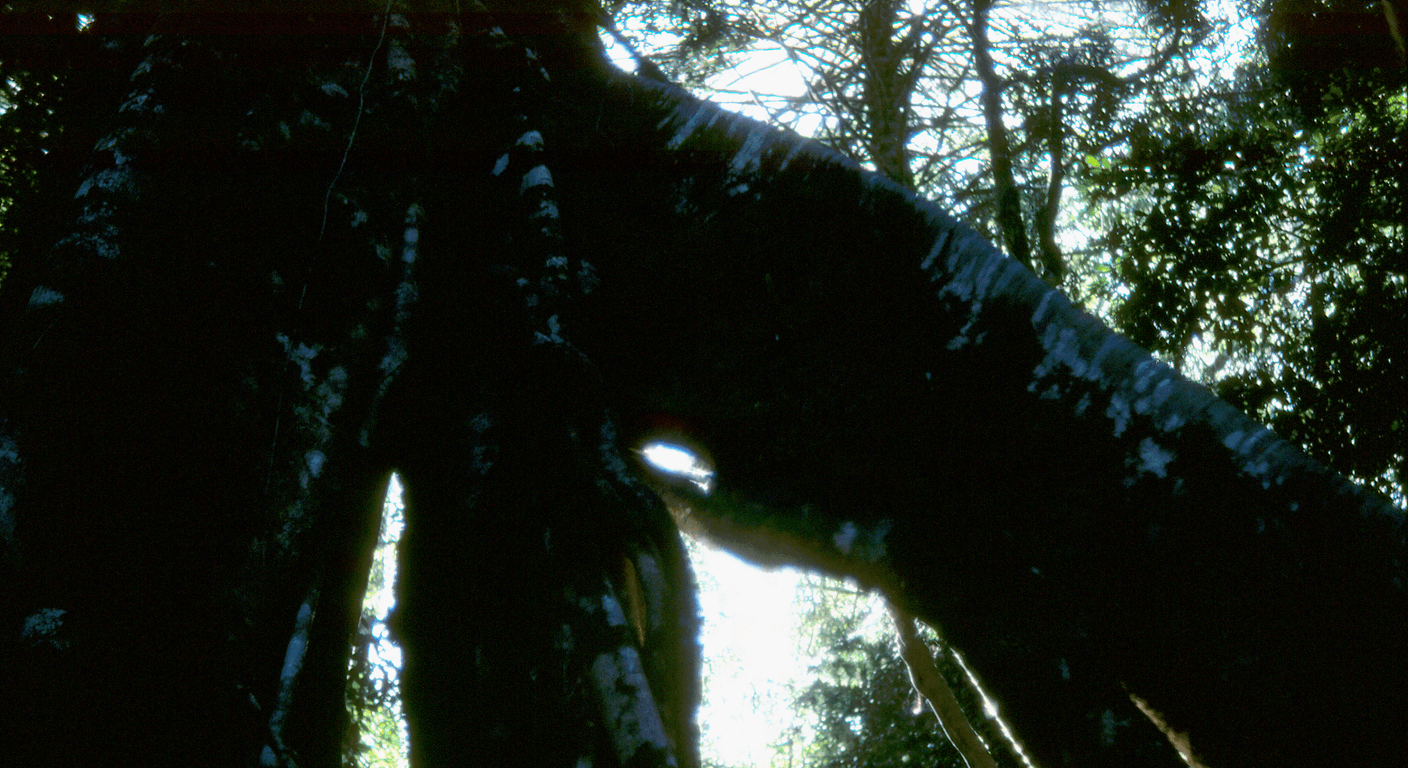
The Fig Tree Walk is shorter still — around 800 metres return — and leads to a strangler fig of considerable age and character. This is the track to choose if energy is limited or the morning is cold and the body needs easing into the day. Both walks offer genuine encounters with the forest rather than views from a distance.
Those who want more can tackle the Scenic Circuit, around 5.5 kilometres with some steeper sections, or the longer Westcott Track. Both are classified as moderate by Queensland Parks and require sturdy footwear and reasonable fitness. None of the day walks at Dandabah involve ladders, chains, or scrambling — but the terrain is uneven in places and the gradient on the Scenic Circuit will be felt in the thighs on the return. Trekking poles are a quiet comfort on any of them.
What to Eat, Drink, and Where to Pause
The Bunya Mountains Café at Dandabah operates from the national park day-use area and offers light meals, snacks, and coffee. It is a genuine pleasure in the right season — sitting outside with a flat white and a view of the lawns while a wallaby grazes ten metres away is about as good as a mid-morning pause gets. That said, opening hours vary significantly by season and day, and the café does close. Confirm hours directly before the visit; do not rely on cached search results.
The practical advice is to pack a proper lunch regardless. A thermos of tea or coffee is worth its weight on a cold winter morning, and the picnic facilities at Dandabah are good — sheltered tables, barbecues, and clean amenities. Bringing your own food also removes any time pressure and allows the day to unfold at whatever pace suits.
There is no supermarket or convenience store on the mountain. Stock up in Dalby, Kingaroy, or Toowoomba before the drive up. A small esky with lunch, water, and something sweet for the drive home is the kind of low-effort preparation that makes the difference between a comfortable day and an irritating one.
Seasons and What to Wear: Winter is Cold, Full Stop
Queenslanders sometimes forget that altitude changes everything. The Bunya Mountains plateau sits above 1,000 metres and can be genuinely cold in winter — June and July temperatures regularly drop to single figures overnight and stay below 15 degrees through the day, sometimes much lower when cloud moves in. A traveller arriving from Melbourne in a light cardigan, assuming Queensland warmth, will regret it.
Winter mornings here are often still, clear, and beautiful, with mist moving through the pine canopy and the light doing something extraordinary in the early hours. It is worth the cold. Pack as you would for a cool Victorian autumn day: layers, a wind-proof jacket, warm socks, and gloves if you feel the cold in your hands. A beanie is not excessive.
Spring and autumn are the sweet spots for most visitors — mild temperatures, green lawns after winter rains, and the forest at its most photogenic. Summer brings warmth and more visitors, but also afternoon thunderstorms that build quickly at elevation. The bunya nut season runs roughly December to March; if large cones are falling, stay off the tracks directly beneath the trees. The signs will tell you, and they mean it.
Practical Tips for a Solo Visit
The Bunya Mountains rewards self-sufficiency. A solo female traveller who has done her homework — fuel, food, layers, offline maps — will find the park genuinely welcoming. Dandabah has a staffed ranger station, and the camping ground means there are usually other visitors around during daylight hours, even on quieter weekdays.
Parking at Dandabah is straightforward and free. The day-use area is well-signposted from the mountain road, and the short distance from the car park to the main tracks means a single trip with a daypack is all that's needed. If carrying a camera, bring a shoulder strap rather than a neck strap for longer walks — the uneven terrain makes a secure carry worth the small extra effort.
For those considering an overnight stay, the Dandabah camping ground is operated by Queensland Parks and must be booked in advance through the Queensland Parks online system. Private cabins and self-contained cottages are available through several operators in the area — a comfortable option for anyone who wants the early morning light without the camp-stove logistics. Confirm availability and current rates directly with operators before making plans.
Making the Most of the Day: A Suggested Shape
Leave Toowoomba or Dalby by 8am to arrive at Dandabah before 10am. The morning light in the forest is worth the early start, and the wallabies are most active before the day warms. Begin with the Fig Tree Walk if the legs need waking up, then the Dandabah Loop at a comfortable pace. By midday, the picnic area is the right place to be — lunch, a thermos, and a long pause on a bench while the mountain does its thing.
The afternoon can go one of two ways: a longer walk for those with energy to spare, or a slow drive along the Bunya Mountains Road to the lookout points before the descent. Either is satisfying. Begin the drive down no later than 3.30pm in winter — the light fades early at altitude and the mountain road is not the place to be navigating unfamiliar corners in fading light.
The drive back to Toowoomba or Dalby takes around 90 minutes. A stop in Dalby for a meal before the highway is a civilised way to end the day — the town has several good cafés and a quiet main street that asks nothing of you except to sit down and eat.
Quick planning guide
| Ideal pace | Slow-paced day trip with generous pauses |
|---|---|
| Best months | Spring and autumn for mild temperatures and green lawns |
| Suggested stay | One full day, or overnight with camping or nearby cabins |
| Mobility level | Easy on the Dandabah Loop and Fig Tree Walk; moderate on the longer Scenic Circuit |
| Cost level | Budget-friendly — free park entry, extra for café, camping or cabins |
| Comfort level | Basic and self-sufficient — no fuel, shops or reliable mobile coverage on the mountain |
| Best for | Solo travellers, nature lovers and those wanting easy rainforest walks and close wildlife encounters |
| Main planning consideration | Fill the fuel tank before the ascent and drive the steep, narrow access road with full attention |
Key takeaways
- The Bunya Mountains protect the world's largest stand of ancient bunya pines — trees with a cultural and ecological history that predates European settlement by millennia.
- There is no fuel on the mountain; fill the tank completely in Dalby or Kingaroy before the ascent.
- The access road is steep, sealed, and narrow — it requires full attention, good brakes, and a confident driver.
- Short rainforest walks near Dandabah are well-formed and suitable for most walkers with reasonable fitness; the Dandabah Loop (2.7 km) is the best starting point.
- Winter days on the plateau are genuinely cold — single-figure temperatures are common in June and July, so pack layers regardless of Queensland expectations.
- The Bunya Mountains Café at Dandabah has variable opening hours; confirm before visiting and bring your own lunch as a backup.
Recommended partners and links
Indicative prices only — always confirm with the operator before booking.
Frequently asked questions
How far is the Bunya Mountains National Park from Toowoomba?
The Bunya Mountains National Park is approximately 140 kilometres from Toowoomba, taking around 90 minutes by car via Dalby and the Bunya Mountains Road. The final section of road is steep and narrow, requiring careful driving and good brakes.
Is there fuel or a petrol station on the Bunya Mountains?
No. There is no fuel available anywhere on the Bunya Mountains plateau. Fill your tank completely before leaving Dalby or Kingaroy — do not rely on finding fuel on the mountain.
Are the walking tracks at Bunya Mountains suitable for older or less mobile visitors?
Several short tracks near Dandabah are suitable for walkers with reasonable fitness. The Fig Tree Walk (around 800 metres return) and the Dandabah Loop (2.7 kilometres) are the most accessible, with well-formed surfaces and gentle gradients. Longer tracks such as the Scenic Circuit involve steeper sections and are classified moderate. Trekking poles are useful on any of the tracks.
What is the best time of year to visit the Bunya Mountains?
Spring (September to November) and autumn (March to May) offer the most comfortable conditions — mild temperatures, clear skies, and green lawns. Winter is cold but clear and often beautiful; pack warm layers. Summer brings warmth and afternoon storms; note that falling bunya cones are a hazard under the trees between December and March.
Can you see wallabies at the Bunya Mountains?
Yes. Wallabies graze the open lawns near the Dandabah picnic and camping area throughout the day and are particularly active in the early morning. They are wild animals but are accustomed to human presence and typically graze within close range of the picnic facilities.