Ballina Naval and Maritime Museum, on the Richmond River foreshore, is best visited April to October when the coast is mild and dry. Allow two to three hours, plus a further hour for the riverside walk and coffee. The defining highlight is an original Las Balsas balsa-wood raft, one of only three that crossed the Pacific from Ecuador in 1973, displayed alongside Australia's largest naval ship-model collection. Access is Easy, with single-level galleries and no stairs. Victorian travellers can fly direct into Ballina Byron Gateway Airport in around two hours, avoiding the 1,400-kilometre drive.
What is the Ballina Naval and Maritime Museum?
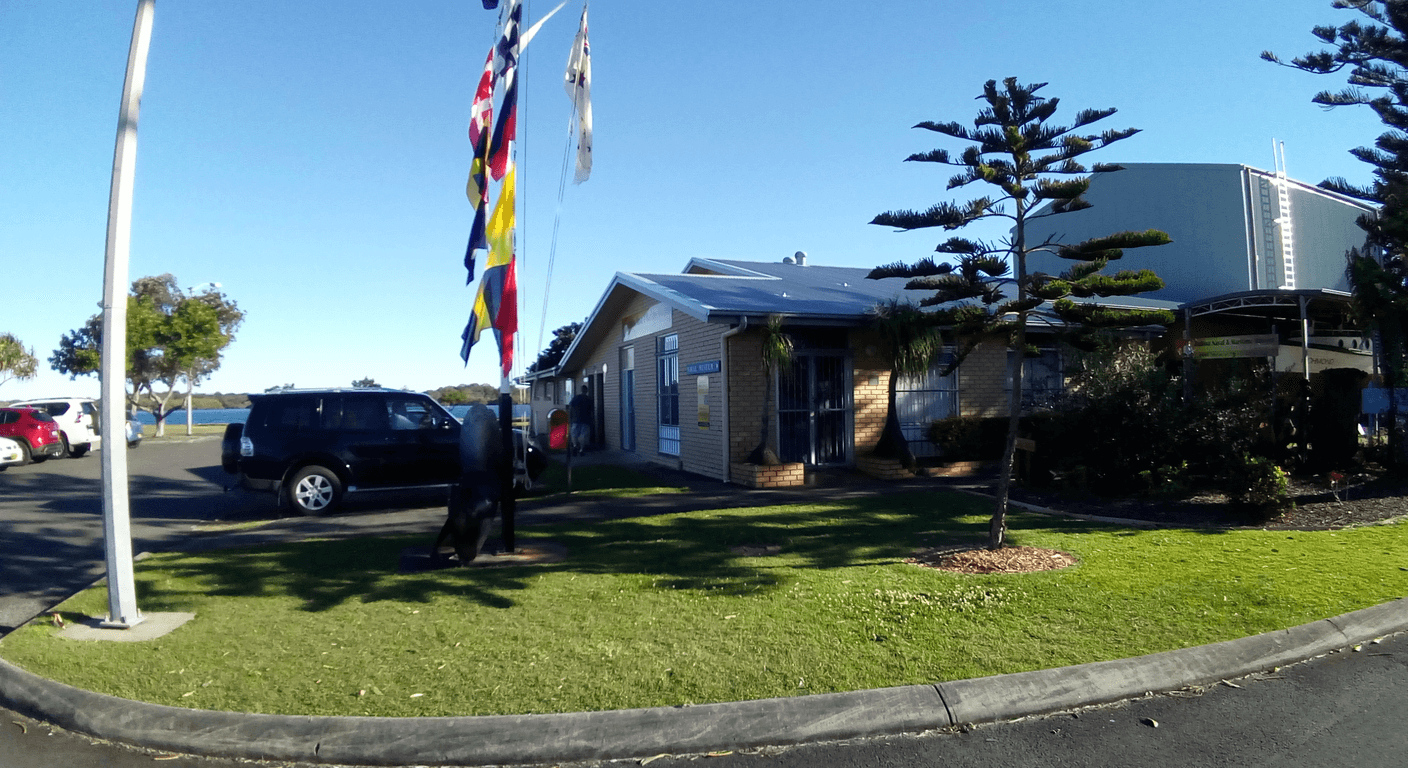
Tucked behind the Ballina Visitor Information Centre on the Richmond River foreshore, the Naval and Maritime Museum is one of those places that rewards travellers who actually read the signs rather than drive straight past. It's volunteer-run, which in Australia tends to mean passionate, knowledgeable guides rather than scripted patter — and that's exactly what you find here.
The museum occupies a purpose-built complex that's been expanded over the decades by a dedicated local committee. The collection spans naval history, maritime heritage, and the particular seafaring story that put Ballina on the world map: the arrival of the Las Balsas expedition in 1973. For a solo traveller happy to take his time, there's easily two to three hours of genuinely absorbing material inside.
It's worth noting the museum is staffed by volunteers, which means opening hours can occasionally vary around public holidays. A quick phone call or check of the museum's website before you make the drive from your accommodation is sensible travel — not excessive caution.
The Las Balsas Raft: What Is It and Why Does It Matter?
In 1973, four balsa-wood rafts set out from Guayaquil, Ecuador, crewed by Spanish and South American adventurers intent on proving that pre-Columbian peoples could have crossed the Pacific using traditional craft and ocean currents. Three of those rafts completed the journey, arriving on the Australian coast after roughly 179 days at sea — an achievement that drew comparisons to Thor Heyerdahl's Kon-Tiki voyage two decades earlier.
Ballina received one of the three surviving rafts, and it has been on display here ever since. Standing beside it, you're looking at the actual vessel — not a replica, not a reconstruction. The raft is surprisingly substantial, built from bundled balsa logs lashed together in the manner of Pacific seafarers, with a simple bamboo deckhouse. It's the kind of object that makes you recalibrate your ideas about what constitutes a seaworthy vessel.
The museum's interpretation of the Las Balsas story is thorough without being overwhelming: maps of the route, photographs of the crew, accounts of storms and calms and the long Pacific swell. For anyone who grew up reading about Heyerdahl or simply has an interest in human endurance and ocean navigation, this is the real thing.
Australia's Largest Naval Ship-Model Collection
The Las Balsas raft draws visitors in, but many find themselves spending as long — sometimes longer — in the naval ship-model galleries. The collection is recognised as the largest of its kind in Australia, ranging from intricate scale models of Royal Australian Navy vessels to historic tall ships and wartime craft. The level of craftsmanship in some of the older models is extraordinary.
The models are displayed in well-lit cases at a height that's comfortable to examine without crouching or straining. Labels are clear and informative. For anyone with a family connection to the RAN, or simply a lifelong interest in naval history, the breadth of the collection is quietly impressive. There's a particular satisfaction in finding a model of a vessel you actually know something about — and then discovering three things you didn't.
Volunteer guides are generally on hand and tend to know the provenance of individual models in considerable detail. Don't hesitate to ask. A ten-minute conversation with the right volunteer will add more texture to the visit than another hour of solo browsing.
Is the Museum Accessible for Older or Less Mobile Visitors?
Access is genuinely good here. The museum is on a single level throughout, with no stairs between galleries. The car park adjacent to the visitor information centre is close to the entrance, and pathways are sealed and even. For travellers managing a hip replacement, a dodgy knee, or simply the preference not to deal with steps after a long drive north, this is a straightforward visit.
Seating is available within the museum for those who want to rest while reading the interpretive panels. The Las Balsas raft display area is spacious enough for a walking frame or wheelchair to move comfortably around the exhibit. Toilets are accessible and located nearby in the visitor information centre precinct.
The mobility rating of Easy is honest rather than optimistic. There's nothing here that requires physical exertion. The pace is entirely your own.
The Richmond River Foreshore: A Walk Worth Taking
The museum's location on the Richmond River foreshore is part of what makes this a satisfying half-day rather than a quick tick. After the galleries, the foreshore path runs along the riverbank and is flat, sealed, and pleasant — the kind of walk that loosens the legs after a long drive without demanding anything heroic.
The Richmond River is wide and calm at Ballina, and on a clear morning the light on the water is exactly what you'd hope for. There are benches placed at sensible intervals. The foreshore has been progressively improved in recent years, and the precinct feels genuinely cared for rather than neglected.
Several cafes and riverside eateries sit within easy walking distance of the museum. A coffee on the foreshore after the museum — watching the river traffic, perhaps a pelican making an undignified landing — is a fine way to close the morning. Ballina's café scene has improved considerably in recent years; you won't struggle to find a decent flat white.
Getting to Ballina: Practical Notes for Victorian Travellers
From Melbourne, Ballina is most comfortably reached by flying into Ballina Byron Gateway Airport, which has direct services from Melbourne (Jetstar and Virgin Australia operate routes — confirm current schedules before booking). Flight time is around two hours, making it one of the easier northern NSW destinations to reach without an overnight stop. The airport is small, manageable, and free of the chaos that can make larger terminals wearing.
Driving from Melbourne is a serious undertaking — roughly 1,400 kilometres — and better suited to grey nomads travelling in stages over several days than to a focused cultural visit. If you're already touring the north coast by road, Ballina sits conveniently between Byron Bay (30 minutes north) and Lismore (30 minutes west), making it a natural stop rather than a detour.
Car hire is available at Ballina Byron Gateway Airport from the usual operators. The museum has on-site or adjacent parking. For travellers who'd rather not drive, the visitor information centre is within walking distance of the town centre, and local taxi services are available — though Ballina is a town built around the car, and having your own transport makes the day considerably easier.
When to Visit and How to Plan the Day
April through October is the comfortable window for Ballina. The far north coast of NSW can be genuinely humid and warm from November through March, and while the museum itself is sheltered, the foreshore walk is less appealing in 32-degree humidity. The winter months — June to August — are mild and dry, with daytime temperatures typically in the low to mid-20s. That's good walking weather.
Allow two to three hours for the museum at a relaxed pace, including time to speak with the volunteer guides. Add an hour for the foreshore walk and coffee. The museum is best visited in the morning, both for the quality of light in the galleries and because you'll have the afternoon free to explore Ballina's other offerings — the town has a reasonable main street, and the nearby Shaws Bay Lagoon is a pleasant spot for a quieter afternoon.
Entry pricing is modest — indicatively under $15 for adults, though you should confirm current rates directly with the museum or via their website before visiting. Concession rates are typically available. Given the volunteer-run nature of the operation, a donation on top of entry is a straightforward way to support something worth preserving.
Quick planning guide
| Ideal pace | Relaxed, half-day outing |
|---|---|
| Best months | April to October, when the north coast is mild and dry |
| Suggested stay | Two to three hours for the museum, plus an hour for the foreshore walk and coffee |
| Mobility level | Easy — single level throughout, no stairs, sealed pathways |
| Cost level | Budget-friendly, indicatively under $15 for adults |
| Comfort level | Comfortable — seating available, sheltered galleries, accessible toilets nearby |
| Best for | Solo travellers, history enthusiasts and those with limited mobility seeking an unhurried cultural morning |
| Main planning consideration | Museum is volunteer-run, so opening hours can vary — confirm before travelling, especially around public holidays |
Key takeaways
- The Ballina Naval and Maritime Museum holds one of the three original Las Balsas balsa-wood rafts that crossed the Pacific Ocean in 1973 — not a replica, the actual vessel.
- The museum's naval ship-model collection is the largest of its kind in Australia.
- Access is fully level throughout, with no stairs, making it one of the most mobility-friendly cultural stops on the NSW north coast.
- Entry is indicatively under $15 for adults — confirm current pricing with the museum directly before visiting.
- The museum is volunteer-run, so confirming opening hours before you travel, especially around public holidays, is straightforward good sense.
- Ballina Byron Gateway Airport has direct services from Melbourne, making this a practical two-hour fly-in for Victorian travellers rather than a multi-day road journey.
Recommended partners and links
Indicative prices only — always confirm with the operator before booking.
Frequently asked questions
What is the Las Balsas raft at Ballina Naval and Maritime Museum?
The Las Balsas raft at Ballina Naval and Maritime Museum is one of three original balsa-wood rafts that sailed from Ecuador to Australia in 1973, crewed by Spanish and South American adventurers demonstrating that pre-Columbian Pacific voyages were possible. The raft on display in Ballina is the actual vessel, not a reproduction, and it arrived on the Australian coast after approximately 179 days at sea.
Is the Ballina Naval and Maritime Museum accessible for people with limited mobility?
Yes. The museum is on a single level throughout with no stairs between galleries. Pathways are sealed and even, the car park is close to the entrance, and there is sufficient space for wheelchairs and walking frames around all major exhibits, including the Las Balsas raft display. Accessible toilets are located nearby in the visitor information centre precinct.
How much does it cost to enter the Ballina Naval and Maritime Museum?
Entry is modest and indicatively under $15 for adults, with concession rates typically available. Because the museum is volunteer-run, pricing can be updated periodically — confirm current rates directly with the museum or via their website before visiting.
How do you get to Ballina from Melbourne?
The most practical option from Melbourne is a direct flight to Ballina Byron Gateway Airport, with Jetstar and Virgin Australia operating services on this route — flight time is around two hours. Confirm current schedules and availability before booking. Car hire is available at the airport. Driving from Melbourne is roughly 1,400 kilometres and better suited to staged touring than a focused day visit.
What is the best time of year to visit Ballina and the museum?
April through October offers the most comfortable conditions on the NSW north coast. Winter months — June to August — are typically mild and dry, with daytime temperatures in the low to mid-20s, making them ideal for both museum visits and the Richmond River foreshore walk. The November-to-March summer period can be humid and warm, which makes outdoor time less enjoyable.