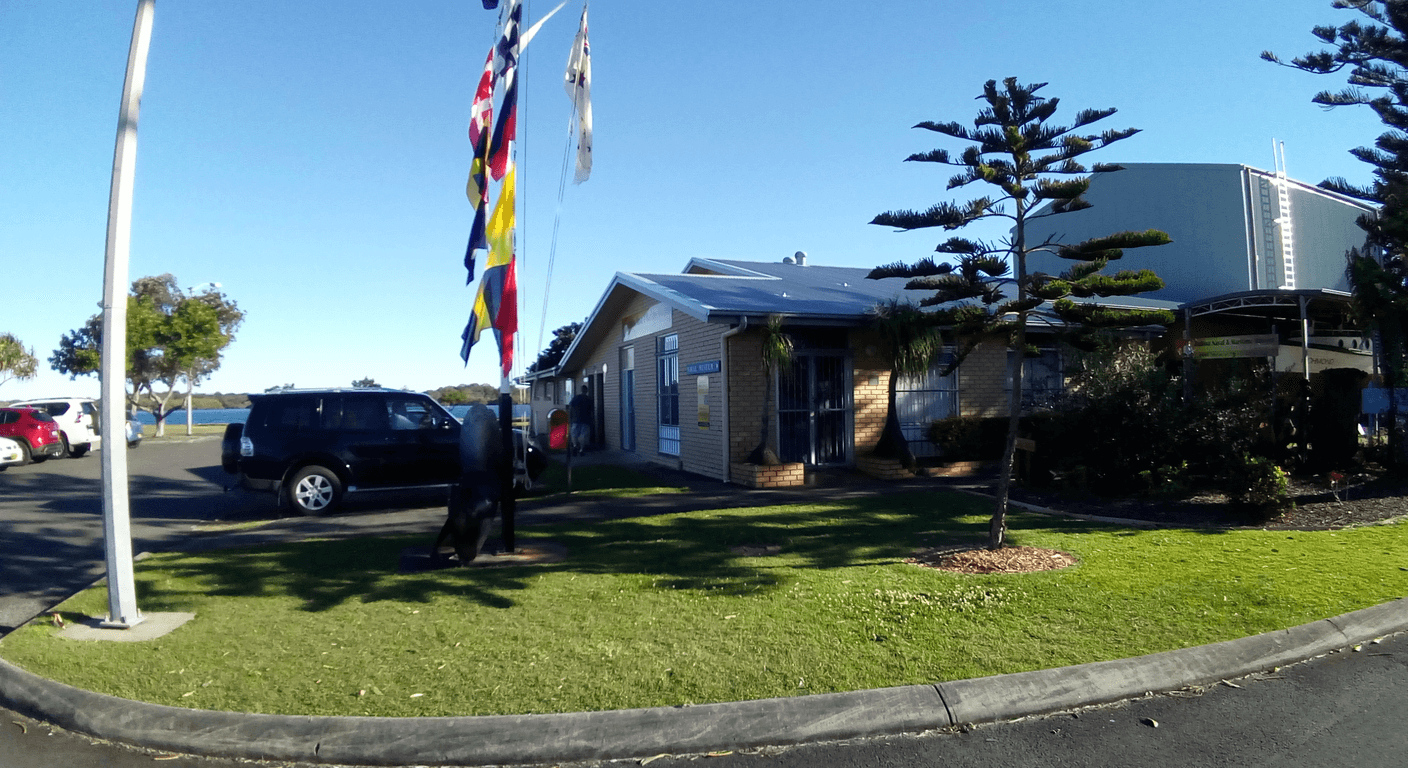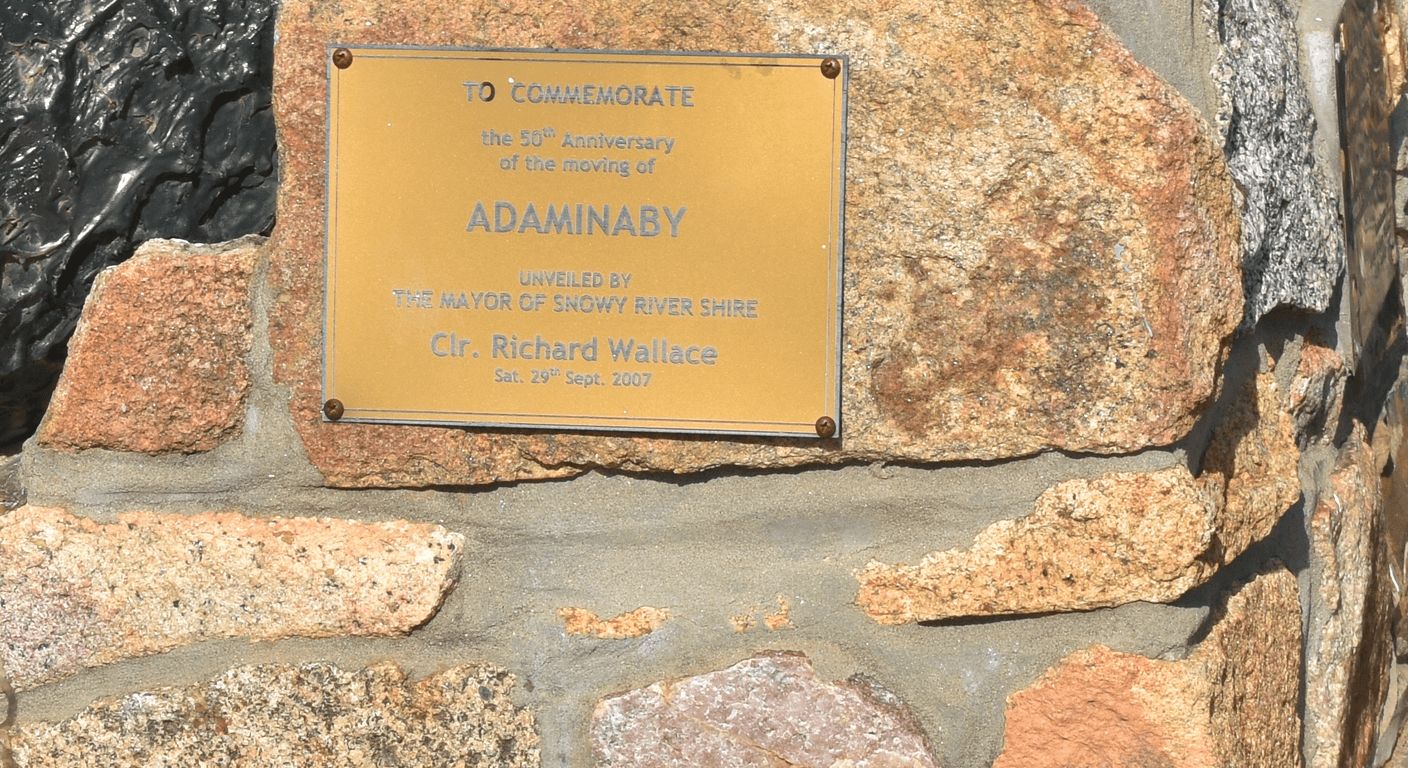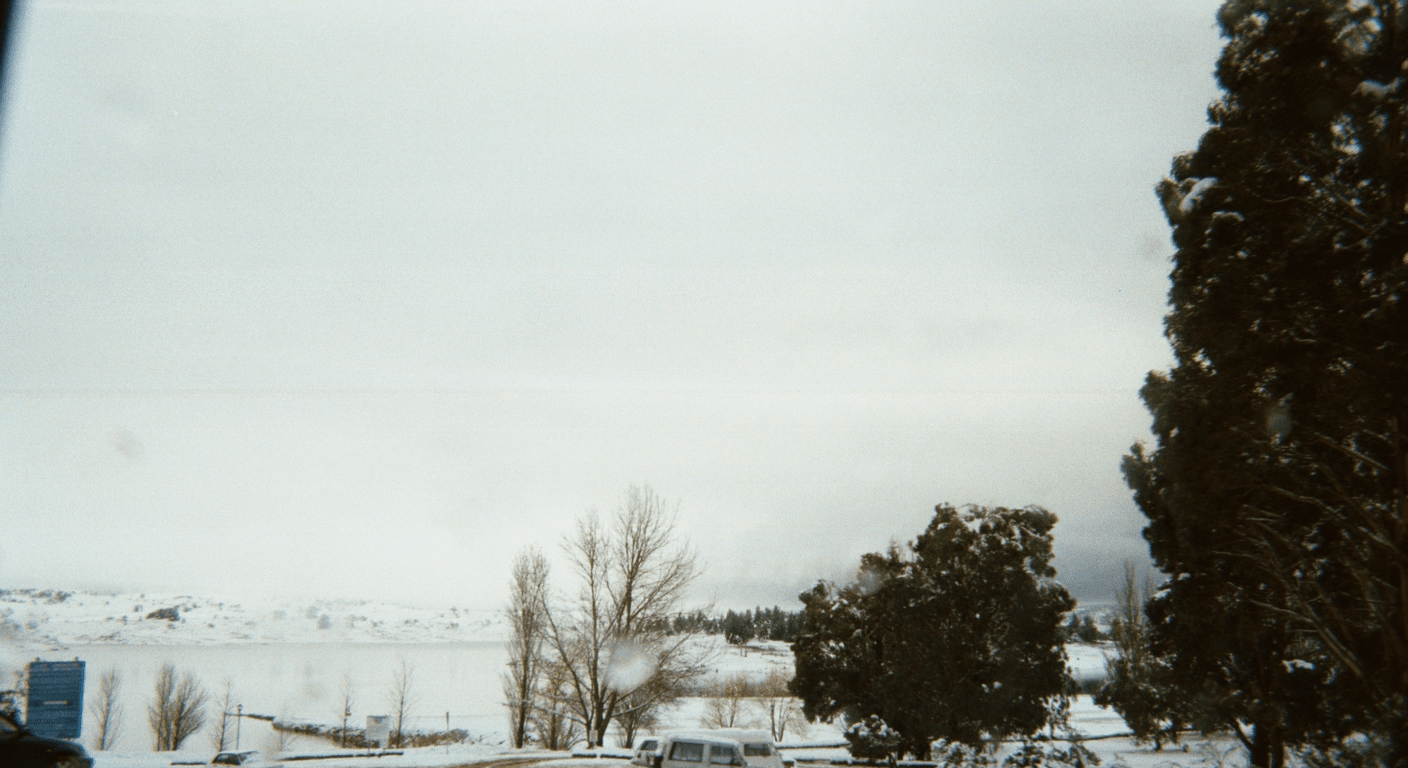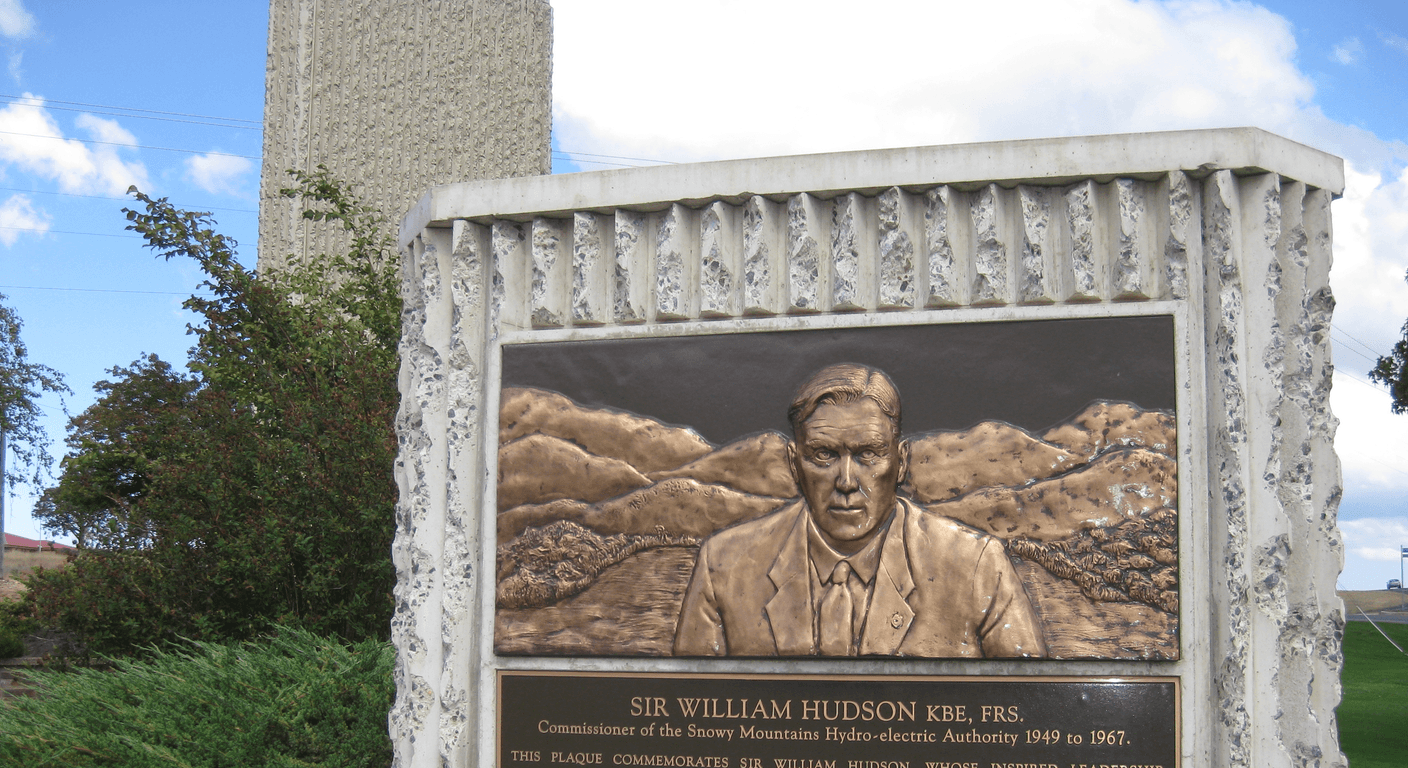
Cooma's Snowy Hydro Discovery Centre offers free entry to exhibits on the Snowy Mountains Scheme, best explored over 40 minutes to 1.5 hours as part of a half-day stop. The centre is fully accessible — level, air-conditioned, with seating throughout — rating Easy for mobility. It's comfortable to visit year-round, with no booking required, and sits roughly 90 minutes south of Canberra by road, 55 kilometres north of Jindabyne, making it a natural stop for travellers driving to or from the Snowy Mountains.
Why the Snowy Mountains Scheme Still Matters
Between 1949 and 1974, more than 100,000 workers from over 30 countries moved earth, blasted tunnels, and redirected rivers across the Australian Alps to build what was then the largest engineering project in the southern hemisphere. The Snowy Mountains Scheme — 16 dams, seven power stations, 145 kilometres of tunnels, and 80 kilometres of aqueducts — changed not just the landscape but the character of the nation. For many families with roots in postwar Europe, the Middle East, or South Asia, this story is personal. For others, it's the kind of Australian history that genuinely surprises.
The Discovery Centre in Cooma makes that story accessible without demanding any prior knowledge of hydro-engineering. The exhibits move from the postwar political context through to the human stories of the migrant workers, and then to the mechanics of how water and gravity generate electricity. It's well-sequenced. You can spend forty minutes or a leisurely hour and a half, depending on how long you linger at the archival photographs — and some of them do invite lingering.
What to Expect Inside the Centre
The centre is a single-level space, fully air-conditioned, with exhibits arranged in a logical loop. There are interactive panels, scale models of the tunnel and dam systems, and a short film that gives a strong sense of the physical scale involved. Seating is available throughout, and the pace is entirely your own — no guided tour required, though staff are present and genuinely knowledgeable if you want to ask questions.
The human element of the exhibits is where the centre earns its time. Photographs, oral history recordings, and personal artefacts from the construction era give real texture to what could otherwise be an infrastructure display. For anyone whose family arrived in Australia during the postwar decades — whether from Italy, Poland, Ukraine, or elsewhere — there's a good chance of finding a familiar face or a familiar story somewhere on those walls. That's not a small thing.
The short film screened at the centre is a practical starting point if you visit before working through the exhibits. It runs around fifteen minutes and provides the context that makes the rest of the displays land more clearly. The centre is free to enter, with no booking required. Confirm current opening hours directly with the centre before your visit, as hours can vary seasonally.
The Café, the Carpark, and the Practical Comfort of It All
There's an on-site café at the Discovery Centre — a genuine asset on a long driving day. Coffee, light meals, and snacks are available, and the setting is comfortable rather than institutional. Prices are modest by regional standards; confirm the current menu and hours when you call ahead. Free parking is available directly at the centre, which matters more than it sounds after a few hours on the highway.
The building's climate control deserves an honest mention. Cooma sits at around 800 metres elevation, which means summer afternoons can push well above 30 degrees and winter mornings dip sharply below zero. The Discovery Centre is an air-conditioned refuge in both directions. On a hot January afternoon or a grey July day when the mountain road feels demanding, this is exactly the kind of stop that earns its place in a well-planned itinerary.
Cooma's Heritage Main Street: Worth the Short Walk
Sharp Street, Cooma's main commercial strip, is a short, flat walk from the Discovery Centre and rewards an hour's unhurried exploration. The streetscape includes a number of substantial Victorian and Edwardian buildings — banks, hotels, and civic structures that speak to the town's earlier prominence as a regional centre before the Scheme brought a second wave of growth. The Cooma Courthouse and the Lambie Town heritage precinct are both worth a look from the footpath if you're not up for a full self-guided walk.
Several cafés, a good bakery, and a handful of independent shops line the main street. It's a working country town rather than a curated tourist precinct, which is part of its appeal. The Snowy Mountains Scheme brought such a diversity of cultures to Cooma in the postwar decades that the town still carries traces of that multicultural history — in its food, its churches, and occasionally in conversation with locals whose families have been here for three or four generations since arriving from somewhere else entirely.
For travellers interested in Australian heritage architecture, the National Trust has documented several Cooma buildings worth noting. Check the National Trust of Australia (NSW) website at nationaltrust.org.au for current listings and any guided walk information available in the region.
Getting to Cooma: Road, Coach, and the Drive from Canberra
Cooma sits about 115 kilometres south of Canberra on the Monaro Highway — a straightforward, mostly open-country drive of around 90 minutes. From Sydney, expect roughly four hours via the Hume Highway and Federal Highway; the route is well-maintained and largely free of the mountain-road demands of the Snowy itself. From Melbourne, the drive is longer — around six hours — making Cooma better positioned as a stop within a multi-day Snowy Mountains itinerary than a single day's return journey.
Greyhound and Murrays coach services connect Canberra and Cooma with reasonable frequency. Confirm current schedules and fares at greyhound.com.au and murrays.com.au before travel, as timetables are subject to change. For those travelling by car — the majority on this route — free parking at the Discovery Centre removes one of the usual frictions of regional town visits.
If you're travelling from Victoria and considering the drive, the Cooma approach via the Snowy Mountains Highway through Bombala is a longer but scenically different option. Either way, Cooma works naturally as a first or last stop on a Snowy Mountains circuit, with Jindabyne just 55 kilometres further south along the Snowy Mountains Highway.
Cooma as a Gateway: Before or After Jindabyne
Most travellers heading for the Snowy Mountains — whether for a winter ski trip, an autumn colour drive, or a summer alpine walk — pass through or near Cooma. Stopping here on the way through rather than treating it as a detour is the smarter approach. The Discovery Centre gives context to the landscape you're about to enter; the dams, reservoirs, and tunnels of the Scheme become more legible once you've seen the maps and models.
Jindabyne, 55 kilometres south, is the main base for alpine activities and sits on the shore of Lake Jindabyne — itself a creation of the Scheme, formed when the original township of Jindabyne was flooded in the 1960s. That detail, once you know it, changes how you look at the lake. The Discovery Centre tells that story too.
Accommodation in Cooma ranges from straightforward motels to a small number of heritage-style properties on and near the main street. For travellers who prefer not to drive the alpine roads at night — a reasonable preference in winter — an overnight in Cooma rather than pushing on to Jindabyne in the dark is a comfortable choice. Confirm availability and current rates directly with properties or through established booking platforms.
Planning Your Visit: A Few Practical Notes
Entry to the Discovery Centre is free. No booking is required for general entry, though it's worth confirming current opening hours directly with the centre before your trip — hours can vary by season and public holidays. The centre is fully accessible: level throughout, with accessible parking, accessible bathrooms, and seating available across the exhibit space.
For travellers with mobility considerations, this is one of the more genuinely stress-free cultural stops in regional New South Wales. There are no cobblestones, no stairs, no long walks from the carpark. The café is within the same building. If the weather turns or the heat of a summer afternoon makes outdoor exploration unappealing, the Discovery Centre absorbs that time well.
Travel insurance for regional driving trips within Australia is worth reviewing, particularly for travellers with pre-existing conditions — not because Cooma presents any unusual risk, but because a long drive through alpine country in winter warrants having appropriate cover in place. Confirm your policy details before you travel.
Quick planning guide
| Ideal pace | Self-guided and unhurried — 40 minutes to 1.5 hours inside, plus a flat hour exploring the main street |
|---|---|
| Best months | Comfortable year-round; the air-conditioned centre offsets Cooma's hot summers and cold winters |
| Suggested stay | Half-day stop, ideally combined with a drive to or from Jindabyne or Thredbo |
| Mobility level | Easy — level throughout, accessible parking and bathrooms, seating available, no stairs |
| Cost level | Free entry, budget-friendly café and parking |
| Comfort level | High — air-conditioned building, on-site café, free parking at the door |
| Best for | History-minded travellers, those with family ties to postwar migration, and road-trippers needing an accessible, comfortable break |
| Main planning consideration | Confirm opening hours before travelling, as they can vary seasonally and around public holidays |
Key takeaways
- The Snowy Hydro Discovery Centre in Cooma is free to enter, fully level, and air-conditioned — one of the most accessible cultural stops in regional New South Wales.
- The centre tells the story of the Snowy Mountains Scheme through exhibits, archival film, and personal artefacts from the postwar migrant workforce who built it.
- An on-site café and free parking at the door make this a practical, comfortable stop on any Snowy Mountains driving itinerary.
- Cooma's heritage main street is a short, flat walk from the centre and worth an unhurried hour of exploration.
- Cooma sits 90 minutes south of Canberra and 55 kilometres north of Jindabyne, making it a natural first or last stop on a Snowy Mountains circuit.
- No booking is required for general entry, but confirming current opening hours before your visit is always wise.
Recommended partners and links
Indicative prices only — always confirm with the operator before booking.
Frequently asked questions
Is the Snowy Hydro Discovery Centre in Cooma really free to enter?
Yes, entry to the Snowy Hydro Discovery Centre is free. There is no admission charge for the exhibits or the short film. The on-site café operates separately and charges normal café prices. Confirm current opening hours directly with the centre before your visit.
Is the Discovery Centre accessible for travellers with mobility limitations?
The centre is fully level throughout, with no stairs, accessible parking directly at the building, and accessible bathroom facilities. Seating is available across the exhibit space. It is one of the more genuinely easy cultural venues in regional New South Wales for travellers who prefer flat, uncrowded, climate-controlled spaces.
How long does a visit to the Snowy Hydro Discovery Centre take?
Most visitors spend between 45 minutes and 1.5 hours, depending on pace and interest. The short film runs approximately 15 minutes. Combining the centre with the on-site café and a walk along Cooma's main street makes for a comfortable half-day stop.
How far is Cooma from Canberra and from Jindabyne?
Cooma is approximately 115 kilometres south of Canberra — around 90 minutes by road on the Monaro Highway. Jindabyne is 55 kilometres further south along the Snowy Mountains Highway, roughly 45 minutes from Cooma. Coach services connect Canberra and Cooma; confirm current timetables at greyhound.com.au or murrays.com.au.
Is there somewhere to eat at or near the Discovery Centre?
There is an on-site café at the Discovery Centre serving coffee, light meals, and snacks. Cooma's main street, a short flat walk away, has additional cafés, a bakery, and several restaurants. Confirm the café's current hours when you check the centre's opening times before your visit.