Bangkok's mudflat fishing villages, around Samut Sakhon and Bang Kra Chao, give over-50 travellers a half-day community experience: wading tidal mud to harvest cockles alongside local fisherfolk, then sharing a freshly cooked seafood lunch. October to February suits the cooler, still-strong sun best. The mudflat section is moderately active, involving soft, uneven ground, bending and balance, though boardwalk and boat-viewing alternatives exist for those with joint concerns. Access is a 45–90 minute transfer from central Bangkok, itself roughly 8–10 hours flying from Australia.
What are Bangkok's mudflat fishing villages — and why do they matter?
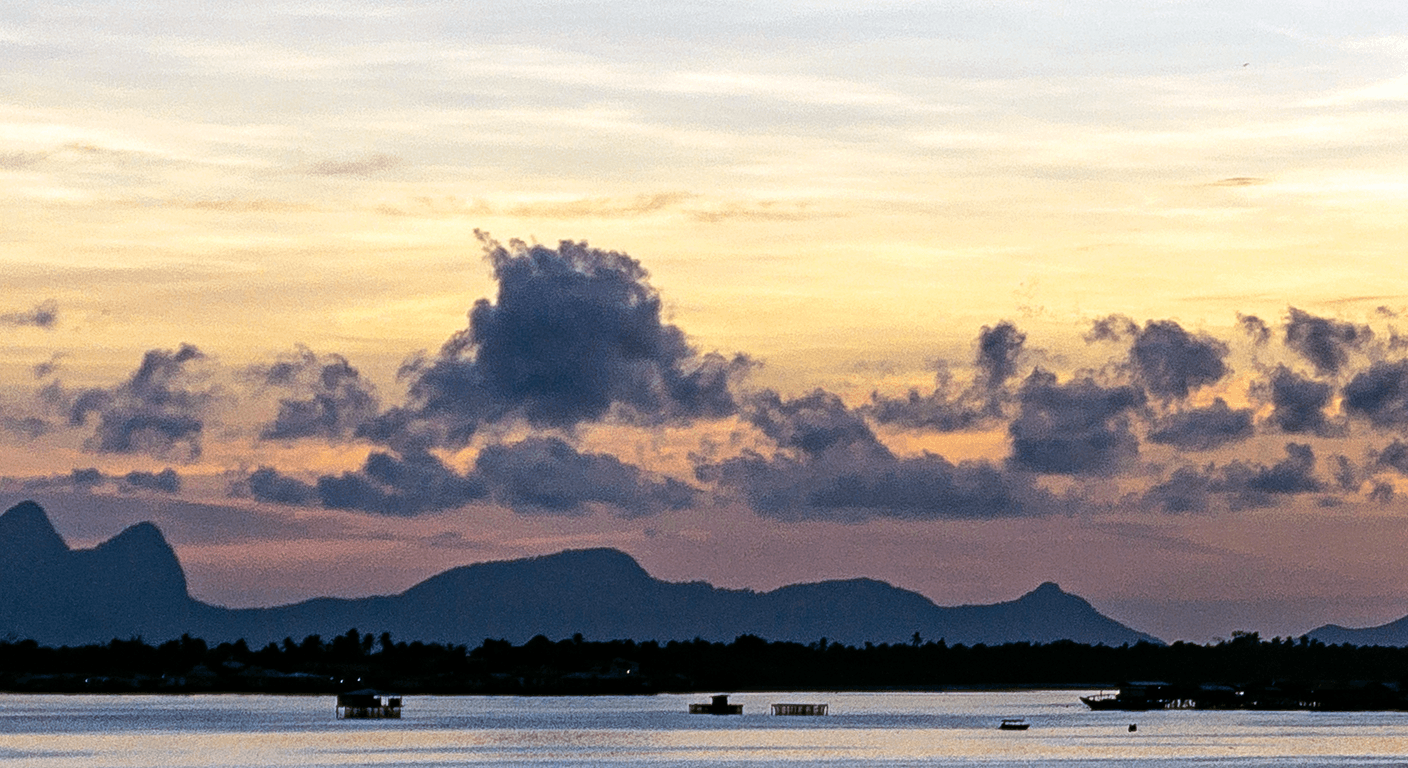
Greater Bangkok sits at the mouth of the Chao Phraya River, where the land dissolves into tidal mudflats, mangrove channels and shallow Gulf of Thailand coastline. Communities around Samut Sakhon — sometimes called Mahachai — and the green loop of Bang Kra Chao have fished these flats for cockles, clams and shellfish for generations. The mudflats are their livelihood, not a backdrop.
What's changed in recent years is access. A handful of social enterprises and village-run cooperatives, most notably Local Alike and similar community tourism networks, now offer structured visits — small groups, local guides, income that stays in the village. You're not watching from a distance. You're walking the same mud, using the same tools, eating the same food. That's the point.
For travellers who've done the temples and the markets and want something that feels genuinely unscripted, these villages deliver. There's no entrance arch, no souvenir stall at the exit. Just a community going about its work and, for a few hours, inviting you along.
How does a typical community day trip work?
Most half-day programs follow a similar shape: a morning departure from central Bangkok (early start matters — you want to be on the mudflats before the heat peaks), a transfer of 45–90 minutes by taxi, Grab car or organised minivan, then a welcome at the village with a local guide who speaks at least functional English. Some operators include a traditional Thai breakfast or snack on arrival.
The core experience involves heading onto the mudflats at low tide — timing is everything, and good operators schedule around tidal charts. You'll typically join fisherfolk in cockle-harvesting: raking or sifting through soft tidal mud, sometimes knee-deep, sometimes in shallower zones closer to the water's edge. Guides explain which species are harvested, how families divide the work across generations, and what the catch is worth at the Mahachai seafood market, one of Thailand's largest.
Most programs wrap up with a shared meal of freshly cooked seafood prepared by village women — simple, extraordinary, the kind of lunch that makes everything else on a Bangkok itinerary taste slightly less interesting. You're back in the city by early afternoon, which leaves the rest of the day free for rest. That's the right call in Bangkok's heat.
What does mudflat cockle-harvesting actually involve physically?
Be clear-eyed about this. Mudflats are soft, uneven, and move underfoot. The surface can range from firm wet sand near the edges to calf-deep sucking mud further out. Bending, squatting, and maintaining balance are all part of the activity. For travellers with strong knees, reasonable balance and no significant joint issues, it's manageable and genuinely fun — the mud has a way of making everyone laugh at themselves.
Footwear is the first practical question. Most guides recommend old shoes or sandals you don't mind losing, or bare feet if you're comfortable. Thongs (flip-flops) are a liability — the mud claims them. The ground temperature in direct sun can be surprisingly sharp on bare feet. Closed, worn-out sneakers are the practical choice for most people.
Sun exposure is the other real consideration. Mudflats offer no shade whatsoever. Even in the cooler months of November to February, the Gulf Coast sun is strong. Long-sleeved UV-protective clothing, a wide-brimmed hat, sunscreen reapplied before you step off the boardwalk, and a good water bottle are non-negotiable. This isn't cautious advice — it's what the local guides wear themselves.
Accessibility and alternatives for travellers with mobility or balance concerns
The mudflat section is the most physically demanding part of the day, and it's entirely fine to sit it out — or to find a different way in. Many village sites have wooden boardwalks or elevated platforms over the tidal zone, from which you can watch the harvest, photograph the activity, and talk with guides without setting foot on the mud. This isn't a lesser experience. Some of the best perspectives on how the work is actually done come from standing still and watching.
Boat-based viewing is another genuine option. Some operators offer a shallow-draft longtail or flat-bottomed boat that moves through the mangrove channels and tidal zones while the mud-wading happens alongside. You see everything, you stay dry, and your knees stay intact. Ask your operator explicitly whether this option exists before booking — not all programs offer it, and it's worth confirming.
For travellers using walking aids, or those with hip or knee replacements, the key question to ask is whether the village site has continuous firm-surface access from the transfer point to the seating or boardwalk area. Paths in working fishing villages are rarely smooth. A good operator will answer this honestly. If they can't, that itself is useful information.
Questions to ask your tour operator before booking
Community tourism experiences vary significantly in quality, organisation and suitability. Before committing, ask: How many people are in the group? Smaller is better — eight or fewer means the community isn't overwhelmed and you actually interact with guides rather than shuffling through. What is the physical demand level, and is the mudflat section optional? What footwear do they recommend, and is there a wash-down area afterwards? Where are the toilet facilities, and are they accessible?
Also worth asking: what is the cancellation policy if a health issue or weather event prevents you from attending? Thailand's coastal weather can produce sudden rain, and a responsible operator will have a clear policy rather than a vague 'we'll see'. Ask what portion of the tour fee goes directly to the village cooperative — legitimate community tourism operators are proud of this number and will tell you readily.
If you have pre-existing health conditions — particularly heart conditions, heat sensitivity, or any condition affected by physical exertion — mention these when booking and discuss with your GP before the trip. Travel insurance that covers pre-existing conditions is essential for any trip to Thailand; confirm your policy terms carefully before departure.
Respecting the community and its livelihood
These villages are not performance spaces. The families harvesting cockles are doing so because it's how they pay rent and school fees. That context should sit in the foreground of the whole visit, not the background. Dress modestly — covered shoulders and knees are respectful in most Thai rural communities. Ask before photographing individuals, particularly women and children. A smile and a gesture toward the camera is the minimum; a guide can help with the Thai phrase for 'may I take your photo?'
Don't bargain aggressively for local products or meals if they're offered for purchase. The prices are already set at community-sustaining levels, not tourist-markup levels. Buying something — a jar of cockle paste, a woven basket, a bag of dried seafood — is one of the more direct ways your visit leaves something behind.
The best travellers in these settings are the curious ones. Ask your guide about the tidal calendar, about which species are declining, about whether the younger generation is staying in the village or moving to Bangkok. These are the conversations that make a day trip into something more than a tick on a list.
Getting there from Bangkok: transfers and logistics
Samut Sakhon is roughly 30–40 kilometres southwest of central Bangkok. In light traffic, a Grab car or metered taxi takes around 45–60 minutes; in Bangkok morning traffic, allow 90 minutes. Indicative Grab fares from Sukhumvit or Silom are roughly $15–$30 AUD each way — confirm current rates in the app before travel. Some operators include return transfers in their package price, which simplifies logistics considerably and is worth the slight premium.
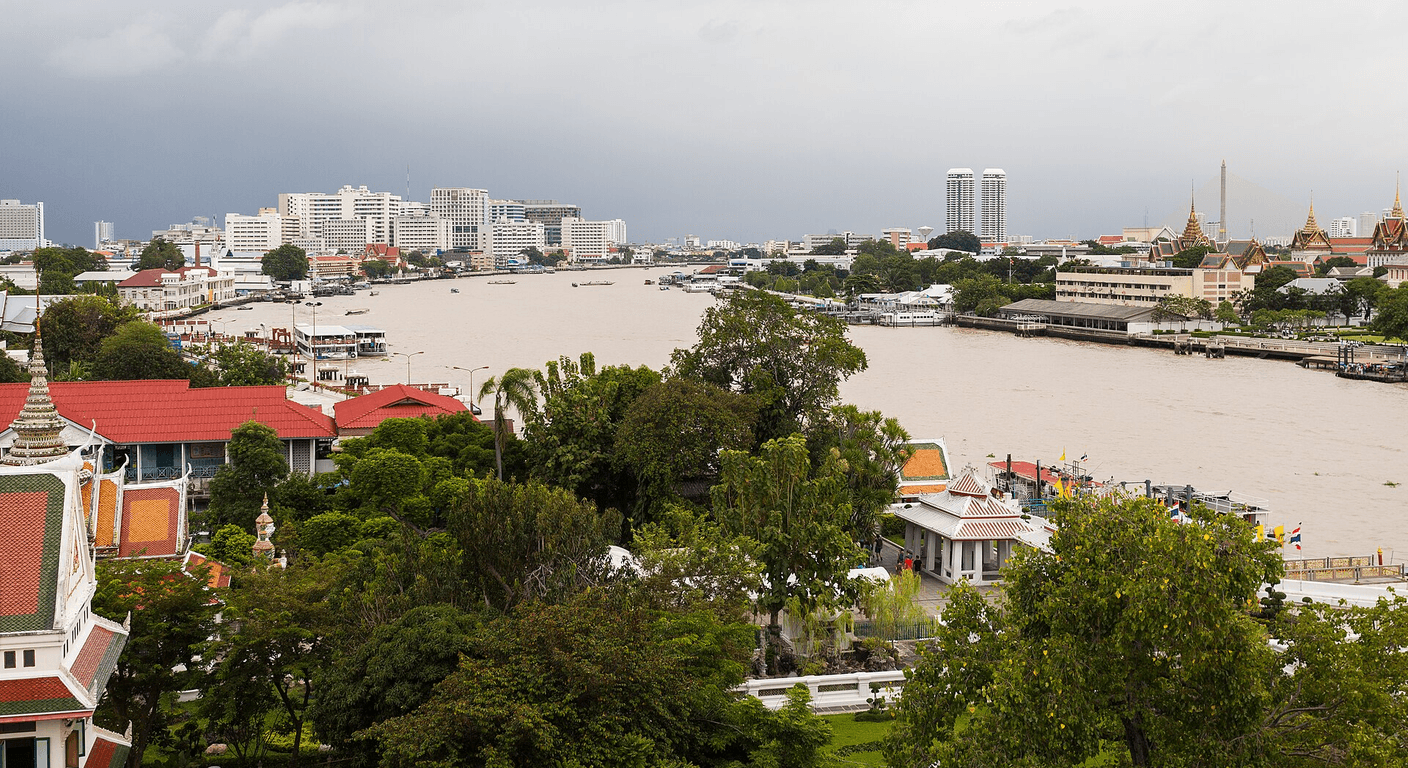
Bang Kra Chao, often called Bangkok's 'green lung', sits inside a loop of the Chao Phraya River southeast of the city. Access involves a short cross-river ferry from Wat Klong Toei Nok pier — the ride itself takes only a few minutes but the pier approach involves uneven surfaces and steps. If mobility is a concern, check with your operator about vehicle access to the pier. Bicycles are the traditional way to explore Bang Kra Chao, but that's not the only option — some operators run golf carts or slow vehicle tours for those who prefer it.
For Australian travellers flying from Melbourne, Sydney or Brisbane, Bangkok's Suvarnabhumi Airport is typically 9–10 hours direct (Melbourne and Sydney) with carriers including Thai Airways and Qantas, or around 8–9 hours from Brisbane. A recovery day in Bangkok before attempting any day trip is sensible travel planning, not indulgence. Jet lag is real, heat amplifies fatigue, and mudflats are not the place to discover either for the first time.
Quick planning guide
| Ideal pace | Slow, half-day outing with an early morning start |
|---|---|
| Best months | October to February, when conditions are cooler though sun remains strong |
| Suggested stay | Half a day, with travellers back in Bangkok by early afternoon |
| Mobility level | Moderate — soft, uneven mudflats require bending and balance, though boardwalk and boat-based viewing suit those who prefer to stay dry |
| Cost level | Budget-friendly, roughly $40–$90 AUD per person plus transfers |
| Comfort level | Basic and exposed — no shade on the mudflats, so sun protection is essential |
| Best for | Curious, reasonably mobile over-50 travellers wanting a genuine community experience beyond temples and markets |
| Main planning consideration | Confirm tidal timing, ask about mobility-friendly viewing options, and arrange travel insurance covering pre-existing conditions |
Key takeaways
- Bangkok's mudflat fishing villages near Samut Sakhon offer community-led cockle-harvesting experiences bookable through social enterprises such as Local Alike, with fees that support village livelihoods directly.
- The physical reality of mudflat wading — soft uneven ground, bending, barefoot or old shoes, full sun — makes October to February the only sensible window for Australian visitors.
- Boardwalk viewing and boat-based alternatives exist for travellers with knee, hip or balance concerns; confirm these options with your operator before booking.
- Indicative tour costs are roughly $40–$90 AUD per person for a half-day community program, excluding transfers from central Bangkok; confirm all current pricing directly with operators.
- A good operator will tell you exactly what percentage of the tour fee reaches the village cooperative — if they can't answer that, look elsewhere.
- Travel insurance covering pre-existing conditions is essential for any Thailand trip; discuss the physical demands of this activity with your GP if heat sensitivity or joint issues are a factor.
Recommended partners and links
Indicative prices only — always confirm with the operator before booking.
Frequently asked questions
Are Bangkok's mudflat fishing village tours suitable for travellers over 70?
They can be, with the right preparation and the right operator. The mudflat wading section requires reasonable balance and tolerance for uneven soft ground, and is best suited to travellers without significant knee, hip or joint concerns. However, boardwalk viewing and boat-based alternatives allow older or less mobile travellers to participate meaningfully without setting foot on the mud. Confirm these alternatives with your operator before booking, and choose the October-to-February window to avoid the worst of the heat.
How far are the mudflat fishing villages from central Bangkok?
The Samut Sakhon fishing communities are roughly 30–40 kilometres southwest of central Bangkok, typically 45–90 minutes by Grab car or taxi depending on traffic. Bang Kra Chao is closer — southeast of the city inside a river loop — and accessed via a short cross-river ferry. Organised tour transfers from central Bangkok are available through operators such as Local Alike and are worth considering for simplicity.
What should I wear and bring to a mudflat cockle-harvesting experience?
Wear old closed shoes or sandals you don't mind muddying — thongs are not suitable as the mud takes them. Long-sleeved UV-protective clothing, a wide-brimmed hat, and sunscreen reapplied before you go onto the flats are essential; mudflats are fully exposed to sun with no shade. Bring a reusable water bottle and drink regularly. Leave jewellery and anything you'd be upset to lose in mud behind at the accommodation.
How much does a community mudflat fishing village tour cost from Bangkok?
Indicative prices for a half-day community tour through operators such as Local Alike are roughly $40–$90 AUD per person, though these figures are approximate and should be confirmed directly with the operator before booking. Transfer costs from central Bangkok — by Grab car or taxi — add roughly $15–$30 AUD each way. Some packages include transfers and a shared seafood meal; others do not. Always confirm exactly what is included.
Is this experience respectful to the local fishing community, or is it exploitative?
When booked through a genuine community tourism cooperative or a certified social enterprise such as Local Alike, a meaningful share of the tour fee goes directly to the village. Responsible operators are transparent about this. The key markers of a respectful experience are small group sizes, local guides from the community itself, no performance staging, and a clear community benefit model. Treating the visit as an encounter with a working livelihood — not a cultural novelty — is the traveller's responsibility.