Australia's great institutions — its opera houses, zoos, galleries, stadiums and mints — have a public face and a private one. The private one is almost always more interesting. A growing number of these places now open their back doors in a structured, unhurried way that suits travellers who prefer depth over distance.
Why Behind-the-Scenes Travel Works So Well After 50
There's a particular pleasure in being shown the parts of a place that most visitors never see — not because you've blagged your way in, but because someone who genuinely loves the building or the collection has agreed to take you there. Behind-the-scenes tours deliver exactly that. They're slow, conversational, and built around knowledge rather than kilometres.
For travellers in their fifties, sixties and seventies, this format has real practical advantages. Group sizes are small, usually eight to fifteen people. The pace is set by the guide, not by a crowd. There's almost always somewhere to sit. And because you've booked a specific experience at a specific time, there's none of the ambient pressure of trying to absorb a large public institution in a single visit.
Australia's offering in this space is broader than most people realise. It spans performing arts, wildlife, sport, fine art, currency and architecture — and it spans every mainland state. What follows is a practical, honest guide to the best of it.
The Sydney Opera House Backstage: More Than a Pretty Sail
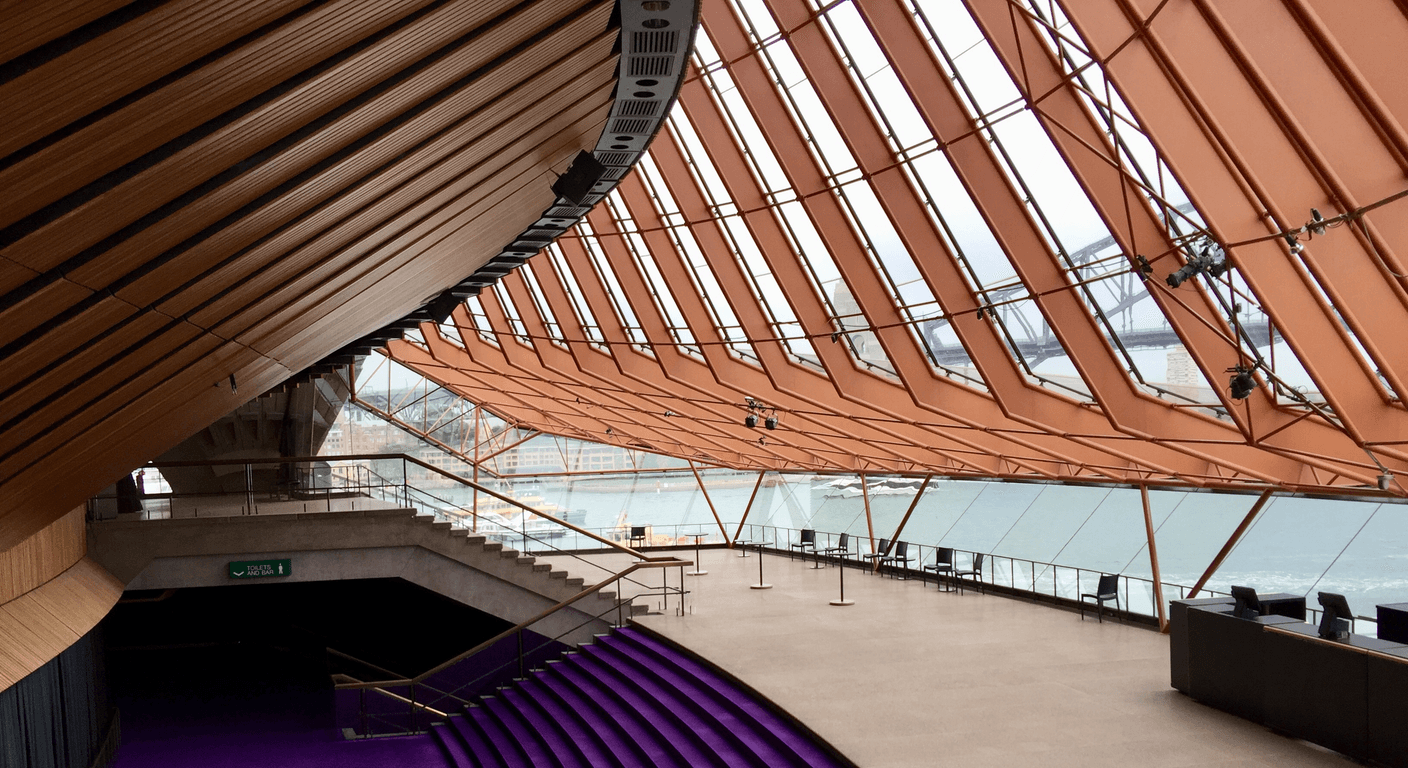
The Sydney Opera House's standard guided tour is already good. The backstage tour is something else. You move through rehearsal rooms, the green room, the stage itself — and the guides tend to be people with a real connection to the building, which shows. The acoustic engineering Jørn Utzon insisted on, the feuds between architects, the tiles that change colour in different light: it's the kind of detail that makes the building make sense.
Mobility is Moderate. There are stairs in parts of the building that have no lift alternative, and the tour covers reasonable ground over roughly two hours. Anyone with significant knee or hip concerns should contact the Opera House directly before booking — the staff are used to this question and will give you an honest answer. The backstage tour runs on limited days; check the official schedule well in advance.
Indicative cost at the time of writing is roughly $185–$220 per person for the backstage experience, compared to around $40–$45 for the standard tour — but confirm current pricing on the official site before making any decisions. The Opera House is a short walk from Circular Quay station on the train and ferry networks, which makes the logistics simple.
Zoo Keeper Programs: Which Ones Are Right for You?
Keeper-for-a-day and keeper-for-a-morning programs exist at several Australian zoos, and they vary considerably in what they involve. At Taronga Zoo in Sydney, the experiences range from feeding a giraffe (genuinely moving, and accessible to most mobility levels) to spending a half-day working alongside a keeper in a specific animal precinct. Melbourne Zoo, Healesville Sanctuary and Adelaide Zoo each run their own variants — check each institution's official site for current availability, as programs change seasonally.
The active end of these programs — walking behind-the-scenes through keeper corridors, carrying feed buckets, crouching beside animal enclosures — is genuinely physical. Classify it as Active. The lighter options, such as a close encounter with a single species, are more Moderate and often more appropriate for travellers who want the intimacy without the exertion. Neither is better; they're just different experiences.
One honest note: keeper programs at major zoos are among the most in-demand experiences in Australian tourism. Some sell out weeks or months ahead, particularly during school holidays. This isn't a reason to panic — it's simply a reason to plan. Check availability on the official zoo site, not through third-party resellers, so you know exactly what you're getting.
Gallery Vaults and Conservation Studios: Art at Close Range
The National Gallery of Victoria in Melbourne periodically offers behind-the-scenes access to its conservation studios and storage areas — the parts of the building where works on paper are stored flat in acid-free folders, where restorers work under magnification on paintings worth more than most suburbs, and where the logic of a great collection becomes visible. These are some of the most intellectually satisfying experiences available to the general public anywhere in Australia.
Mobility for NGV access programs is generally Easy to Moderate — the building is well-designed for accessibility, with lifts throughout and flat surfaces in most areas. Confirm specific tour routes when booking, as some specialist access programs involve areas not on the standard public path. The NGV is on St Kilda Road in Melbourne's arts precinct, well-served by trams from the CBD.
Other state galleries offer similar programs, though they vary in regularity. The Art Gallery of New South Wales, the Queensland Art Gallery and Gallery of Modern Art (QAGOMA) in Brisbane, and the Art Gallery of South Australia in Adelaide all have education and access programs worth investigating directly. None of these institutions advertise their vault programs aggressively — you often have to look for them on the 'visit' or 'learn' sections of their websites, or call and ask.
The Royal Australian Mint: Where Money Is Actually Made
Canberra's Royal Australian Mint is one of Australia's most underrated day-trip destinations, particularly for travellers who appreciate precision and process. The public viewing gallery lets you watch coins being struck in real time — there's something genuinely satisfying about seeing a blank disc of metal become legal tender in a single press. The mint also runs more structured guided experiences; check the official site at ramint.gov.au for what's currently on offer.
Mobility is Easy. The building is purpose-designed for public access, with level floors throughout the visitor areas and no significant physical demands. It's a comfortable two-hour experience for most people. Parking is available on-site, and the mint is a reasonable drive or taxi ride from the Canberra CBD. If you're combining it with a broader Canberra day trip — the National Gallery of Australia is nearby, as is the National Museum — you have a full and unhurried day without leaving the parliamentary triangle.
Canberra is often overlooked by interstate travellers, which is the city's quiet advantage. It's a 45-minute flight from Sydney, or a comfortable three-hour drive through the Southern Highlands. For Melbourne-based travellers, the drive via the Hume Highway takes roughly seven hours; flying is the more practical option for a day trip.
Stadium and Theatre Tours: The Architecture of Spectacle
The Melbourne Cricket Ground runs guided tours on non-event days that take you through the Long Room, the players' race, the change rooms and the MCC Library — one of the finest sporting archives in the Southern Hemisphere. The MCG tour is well-suited to over-50 travellers: it's unhurried, the guides are knowledgeable without being performative, and the building itself tells a story of Australian cultural life that extends well beyond cricket. Mobility is Moderate; there are stairs, but lift access is available for most sections. Confirm when booking.
The Adelaide Oval tour is similarly excellent, and arguably has the edge on architectural drama — the oval sits in one of the most beautiful sporting settings in the country, with the River Torrens on one side and the Adelaide Hills behind. The tour includes the roof climb for those who want it (Active, and weather-dependent), but the standard walking tour is accessible to most. Check the official Adelaide Oval site for current tour times and pricing.
Theatre tours — as distinct from backstage performance tours — are available at Her Majesty's Theatre in Melbourne, the Sydney Theatre Company at Walsh Bay, and the Queensland Performing Arts Centre in Brisbane, among others. These tend to be less formally structured than the Opera House experience, but they offer a different kind of access: the architecture of a working theatre, the mechanics of a fly tower, the smell of a paint shop. Worth a direct inquiry to each venue's front-of-house team.
Practical Planning: What to Know Before You Go
The honest downside of behind-the-scenes experiences is that they can feel over-organised for travellers who prefer spontaneity. You're working to someone else's schedule, in a group you didn't choose, and the guide's passion for the subject — which is usually genuine — occasionally outruns your own. That's a reasonable trade-off for access you couldn't get any other way, but it's worth knowing before you commit.
Booking direct through each institution's official website is always the right approach. You'll get accurate information about mobility requirements, group size, cancellation policies and what's actually included. Third-party booking platforms sometimes list these experiences, but the details lag behind reality — particularly for programs that run seasonally or have recently changed format.
Senior Travel Australia takes no commissions from any program, operator or institution mentioned in this guide. All costs cited are indicative only, drawn from publicly available information at the time of writing, and should be confirmed directly with the provider before any financial decision is made. This is general travel information, not financial advice.
Key takeaways
- Australia's behind-the-scenes experiences span performing arts, wildlife, fine art, sport and currency — and cover every mainland state.
- Mobility ranges from Easy (Royal Australian Mint, gallery vaults) to Active (keeper programs, stadium roof climbs) — check requirements before booking.
- Most programs run in small groups of eight to fifteen people, which suits travellers who prefer pace and conversation over crowd management.
- Availability is genuinely limited at popular programs; booking weeks or months ahead is practical, not anxious.
- Always book directly through the official institution website for accurate mobility, availability and pricing information.
- The honest downside: these experiences are scheduled and structured — spontaneity isn't part of the deal.
Recommended partners and links
Indicative prices only — always confirm with the operator before booking.
Frequently asked questions
Are behind-the-scenes tours in Australia suitable for travellers with mobility limitations?
It depends on the specific program. Gallery vault tours and the Royal Australian Mint are generally Easy — level surfaces, lifts, no significant physical demands. The Sydney Opera House backstage tour is Moderate, with some stairs. Zoo keeper programs range from Moderate to Active. Always contact the venue directly before booking to ask about specific mobility requirements for the route — most institutions are well-practised at answering this question honestly.
How far in advance should you book a behind-the-scenes experience in Australia?
For keeper-for-a-day programs at major zoos, two to four weeks ahead is a reasonable minimum outside school holidays; during holidays, longer. For the Sydney Opera House backstage tour, check availability at least two to three weeks out. Gallery and mint programs vary — some are offered weekly, others monthly. The safest approach is to check the official site as soon as you know your travel dates.
What does a zoo keeper experience in Australia typically involve?
Programs vary by zoo and by animal precinct, but typically involve preparing and delivering food to animals, learning about husbandry and conservation, and spending time in areas not accessible to the general public. Some programs are two to three hours; others run a full morning or day. Physical demands range from light (a single species encounter) to genuinely active (walking keeper corridors, carrying equipment). Check the specific program description on the official zoo site.
Is the Sydney Opera House backstage tour worth the extra cost over the standard tour?
For travellers with a genuine interest in architecture, performance or design history, the backstage tour offers access and detail that the standard tour doesn't — including the stage, green room and rehearsal spaces. Whether the price difference is worthwhile is a personal decision. Both tours are run by knowledgeable guides. Indicative pricing at the time of writing places the backstage tour at roughly four to five times the cost of the standard tour; confirm current figures on the official Opera House site.
Can you do a behind-the-scenes tour as a day trip without a car?
Yes, for most of the experiences listed. The Sydney Opera House is a short walk from Circular Quay train and ferry interchange. The NGV in Melbourne is on the St Kilda Road tram corridor. The MCG is served by tram and train. Adelaide Oval is walkable from the CBD. The Royal Australian Mint in Canberra is the least public-transport-friendly, though taxis and rideshare from the city centre are straightforward.