Australia's ideal travel season varies by region: the tropical north (Queensland, the Northern Territory and northern WA) is best in the dry season from May to October, the southern states shine in spring and autumn, the desert Red Centre suits winter, and Tasmania and the alpine areas favour summer. Suggested stays run from a few days to a week per destination, with highlights including dry-season wildlife cruises, WA's spring wildflowers and Uluru's guided walks. Mobility needs are moderate, with access via flights, trains, coaches or ferries depending on region.
Why Season Matters More After 60
Younger travellers can push through a 38-degree afternoon in Darwin or a rain-soaked week on the Great Ocean Road and call it character-building. For travellers in their sixties and seventies, those same conditions can genuinely derail a trip — draining energy, flaring joint pain or simply making the experience far less enjoyable than it should be. Choosing the right season is not about being cautious; it is about being smart with your time and your money.
Australia spans five climate zones, from tropical monsoon in the far north to cool temperate in Tasmania and alpine in the Snowy Mountains. What counts as 'good weather' shifts dramatically depending on where you are headed. The broad rule of thumb: visit the tropical north in the dry season (roughly May to October), the south and east in spring or autumn, the desert in winter, and the alpine regions in summer or winter depending on what you are after.
Shoulder seasons — the weeks just before or after peak school holidays — offer a particularly good deal for older travellers who have the flexibility to avoid those windows. Accommodation prices drop, popular sites are quieter, and you are far more likely to have a genuine conversation with a local rather than queuing behind a tour bus. As a general guide, Australian school holiday periods cluster around mid-January, Easter, late June to mid-July, and late September to early October, though dates vary by state.
The Tropical North: Queensland, the Northern Territory and Northern WA (May to October)
The Top End of Australia — Darwin, Kakadu, the Kimberley, Broome and tropical Far North Queensland — is genuinely uncomfortable and at times inaccessible during the wet season (November to April). Humidity is extreme, flooding can close roads and national parks for weeks, and the marine stinger (jellyfish) season makes ocean swimming off-limits along much of the northern coastline. For older travellers, the dry season from May to October is the only practical window, and within that window, June through August is the sweet spot.
In Darwin and Kakadu, June to August brings clear skies, low humidity and daytime temperatures that sit comfortably in the high twenties. Kakadu's Yellow Water Billabong is at its most photogenic as wildlife concentrates around shrinking waterholes — a boat cruise here is unhurried and genuinely remarkable without a single superlative needed. Accessibility at major Kakadu sites has improved in recent years, though some walks remain uneven; Parks Australia's website (parksaustralia.gov.au) lists current accessibility information for each site.
In the Kimberley and Broome, the same May-to-October window applies. Broome's famous Cable Beach is at its best in the cooler months, and the camel rides at sunset are a gentle, slow-paced experience well suited to older travellers. The Kimberley's gorges and wilderness areas — El Questro, Purnululu (the Bungle Bungles) — require some walking on uneven ground, so it is worth reading Parks Australia's site notes and choosing touring options that match your mobility. Indicative small-group tour costs for the Kimberley run to several thousand dollars for a week; confirm current pricing with operators directly.
In Far North Queensland, Cairns and Port Douglas are most comfortable from June to September. The Great Barrier Reef is accessible year-round by liveaboard or day boat from Cairns or Port Douglas, but the dry season brings calmer seas and better visibility. Reef snorkelling or glass-bottom boat tours are manageable for most older travellers; the reef operators' own sites list accessibility options and what to expect on board.
Queensland's South and the Whitsundays: The Hidden Winter Appeal
Brisbane and the Gold and Sunshine Coasts are genuinely pleasant in winter — July temperatures hover around 20 to 22 degrees, skies are reliably blue, and the beaches are far less crowded than in January. For a Victorian couple used to grey July days, a week in Brisbane or Noosa in mid-winter can feel like a generous gift. Accommodation rates are typically lower than in January, and restaurants and galleries are easier to enjoy without the summer crush.
The Whitsundays, sitting just inside the tropics, are at their best from June to August — warm enough to swim comfortably, dry enough for reliable sailing conditions, and clear enough for the famous white-sand views of Whitehaven Beach. Day trips from Airlie Beach to Whitehaven are well-established and suited to most fitness levels, though the beach itself involves a short walk on soft sand. Sailing day trips and island resort stays are the main options; check Tourism Whitsundays (tourismwhitsundays.com.au) for current operators.
Whale watching is a particular draw along the Queensland coast from June to November, as humpback whales migrate north and then south through the Coral Sea. Hervey Bay, roughly four hours north of Brisbane by coach, is regarded as one of the most reliable whale-watching locations in Australia during July to October. Tours depart from Urangan Harbour, and most operators offer accessible boarding. Indicative day-tour costs are in the range of $120 to $180 per person; confirm current prices directly with operators.
Western Australia: Wildflowers, Whales and the South-West (August to November)
Western Australia's south-west corner — Margaret River, the Capes region, Albany and the Stirling Ranges — has a Mediterranean climate that makes it lovely in spring (September to November) and autumn (March to May). Summer in the south-west can bring extreme fire-risk days and temperatures above 40 degrees inland, so those months are best avoided for road trips. Winter (June to August) is mild but can be quite wet, particularly around Augusta and Cape Leeuwin.
The wildflower season is one of Australia's great natural spectacles and is particularly meaningful for travellers who appreciate landscape and colour without crowds. From late July through to November, the wildflowers move progressively south — starting in the Midwest and Murchison regions and finishing in the south-west. The Wildflower Way drive through the Wheatbelt and Midwest is manageable by car and connects small country towns with roadside verges that genuinely stop you in your tracks. Tourism Western Australia (westernaustralia.com) publishes a seasonal wildflower guide each year.
Whale watching off the WA coast is centred on Augusta (blue and southern right whales at the mouth of the Blackwood River, June to August) and Albany (humpbacks, July to October). The Albany Historic Whaling Station — now the Discovery Bay attraction — is a thoughtful and accessible museum experience that provides context for what you are seeing offshore. Perth itself is at its most pleasant in spring (October to November) and autumn (March to April); summer in Perth can be relentlessly hot and the city empties for the beach.
Victoria, South Australia and New South Wales: Spring and Autumn Are the Reward
For Victorian-based travellers, the shoulder seasons of spring (October to November) and autumn (March to May) are the most comfortable for exploring the southern states. In Victoria itself, the Yarra Valley, Mornington Peninsula and Grampians are particularly beautiful in autumn — the deciduous plantings in gardens like Cloudehill (cloudehill.com.au) and Trentham's surrounds turn well in April and May. The Great Ocean Road is best driven in spring or autumn when weather is mild, crowds are thinner and the light is softer.
In South Australia, the Barossa Valley and Clare Valley wine regions are at their most atmospheric during vintage (February to April) and harvest events, but the weather is more comfortable for older travellers in the shoulder months around those dates — late March to May is ideal. The Flinders Ranges, one of Australia's great outback destinations, are best visited from April to October when temperatures are manageable; summer in the Flinders can reach extreme levels. Adelaide itself is lovely in autumn and spring, with the WOMADelaide festival (womadelaide.com.au) typically held in early March drawing music lovers of all ages.
In New South Wales, the Blue Mountains west of Sydney are accessible year-round by train from Central Station, but spring (September to November) brings the Leura Garden Festival and comfortable walking weather. Sydney itself is genuinely pleasant from September through November and again from March to May — summer brings humidity and crowds, and winter, while mild by Victorian standards, can be overcast. The Hunter Valley wine region north of Sydney is at its best in autumn, with vintage events through February and March.
The Desert and Red Centre: Winter Is the Only Sensible Season
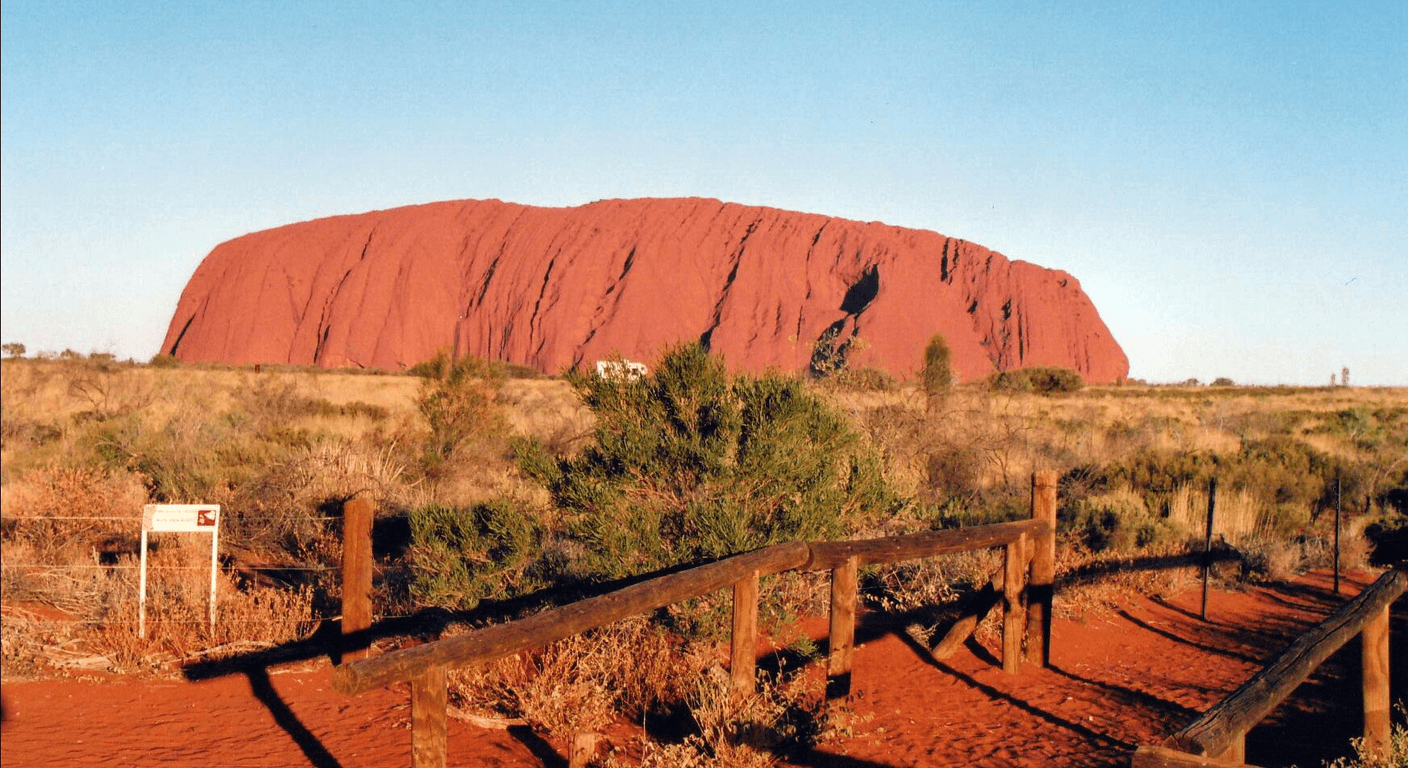
Uluru-Kata Tjuta National Park and the West MacDonnell Ranges around Alice Springs are genuinely cold overnight in June and July — temperatures can drop to near zero — but the days are clear, dry and warm enough to walk comfortably. This is the only realistic window for older travellers; summer temperatures in the Red Centre routinely exceed 45 degrees and can be dangerous for anyone, regardless of age. The shoulder months of April to May and August to September offer slightly warmer nights with similarly comfortable days.
Uluru itself is managed by Parks Australia in partnership with the Anangu traditional owners. The climb has been permanently closed since 2019, which means the experience now centres on base walks, guided cultural tours and sunset and sunrise viewing areas. The base walk (10.6 kilometres around the full circumference) is long and mostly flat; shorter sections are signposted and manageable at a gentle pace. The cultural tours led by Anangu guides are among the most quietly moving experiences available anywhere in Australia and do not require significant physical exertion.
Alice Springs is the gateway to the Red Centre and is worth at least two days in its own right — the Alice Springs Desert Park (alicespringsdesertpark.com.au) is an excellent, largely accessible introduction to the landscape and wildlife of central Australia. Flight connections from Melbourne (Tullamarine) to Alice Springs are available via Qantas and Jetstar; indicative return fares vary considerably by season and booking window, so check airline sites directly.
Tasmania and the Alpine Regions: Summer for Scenery, Winter for Snow
Tasmania is a year-round destination in the sense that it offers something distinct in every season, but for older travellers who want to walk the national parks and enjoy the scenery without rain gear on every excursion, November to March is the most reliable window. Summer in Tasmania is cool and clear by mainland standards — rarely above 25 degrees — and the long daylight hours make it possible to explore at a relaxed pace. Cradle Mountain and the Freycinet Peninsula are the headline draws; both have well-maintained, graded paths suitable for steady walkers, and both have accessible viewing options for those who prefer not to tackle longer trails.
Tasmania in winter (June to August) is cold, often wet and some highland roads can be icy. That said, Hobart's winter festival Dark Mofo (darkmofo.net.au) in June draws a passionate crowd and the city's dining and arts scene is vibrant year-round. MONA (mona.net.au) is open most days and the ferry from Hobart's waterfront is an accessible and pleasant way to arrive. For older travellers who feel the cold, winter in Tasmania is best approached with good layers and realistic expectations about outdoor time.
Victoria's High Country — Mount Buller, Falls Creek, Mount Hotham — offers a genuine Australian alpine winter from June to September. For older travellers who are not skiing, the villages themselves are charming, the landscape is beautiful under snow, and the food and accommodation options have improved significantly in recent years. Non-skiers should note that resort roads can be icy and require snow chains; shuttle bus services from Melbourne operate on peak weekends. Summer in the High Country (December to February) brings wildflowers, mountain biking and excellent walking with no ice risk.
Month-by-Month Quick Planner for Older Australian Travellers
January and February are best avoided for most popular destinations — extreme heat across the south and inland, wet season in the north, and school holidays inflating prices and crowds everywhere. If you must travel in these months, Tasmania's summer is the most comfortable choice on the mainland calendar, or consider New Zealand or South-East Asia as alternatives. February's WOMADelaide timing (when it falls in that month) is an exception for Adelaide lovers, but book accommodation early.
March and April are excellent across Victoria, South Australia, NSW and the southern half of WA. Vintage season in wine regions, settled autumn weather, and school holidays only briefly interrupting April. The Kimberley dry season is not yet fully established, so hold off until May for that region. May is the beginning of the northern dry season and an ideal time to head to Darwin, Kakadu or Broome before peak crowds arrive in June and July.
June, July and August are peak season for the north — Kakadu, the Kimberley, Broome, Cairns and the Whitsundays are all busy and prices reflect it. Book accommodation for these months well ahead. Meanwhile, Victoria, Adelaide and Sydney are in mild winter and perfectly pleasant for city breaks, wine regions and coastal drives. Uluru and the Red Centre are at their most comfortable. Whale watching begins along the east and south-west coasts. September and October bring wildflowers to WA, spring warmth to Victoria and NSW, and the tail end of the northern dry season. November is the last comfortable month in the north before the build-up to the wet season begins and humidity climbs sharply. December, like January, is best spent in Tasmania or planning your next trip.
Quick planning guide
| Ideal pace | Slow-paced and unhurried, matched to each region's climate window |
|---|---|
| Best months | Region-dependent — May to October in the tropical north, spring and autumn in the south, winter in the desert, summer in Tasmania and the alpine areas |
| Suggested stay | A few days to a week per region, longer for multi-state itineraries |
| Mobility level | Moderate — mostly graded paths and accessible boarding, with some uneven ground on bushwalks |
| Cost level | Varies by region, from budget-friendly shoulder-season stays to premium small-group tours |
| Comfort level | High when travel dates are matched to the right season for each region |
| Best for | Older travellers who value comfort and pace over ticking off destinations quickly |
| Main planning consideration | Timing travel to each region's climate window and avoiding peak school-holiday crowds |
Key takeaways
- The tropical north — Darwin, Kakadu, the Kimberley and Broome — is only comfortable for older travellers in the dry season from May to October.
- Spring (October to November) and autumn (March to May) are the most comfortable and best-value seasons for Victoria, South Australia, NSW and southern WA.
- Uluru and the Red Centre should only be visited in the cooler months of April to September; summer temperatures routinely exceed 45 degrees and are genuinely dangerous.
- Shoulder seasons just outside Australian school holiday windows offer meaningfully lower accommodation prices and quieter popular sites.
- Western Australia's wildflower season runs from late July through November, moving progressively south — it is one of Australia's most rewarding and underrated seasonal experiences.
- Tasmania is most reliably pleasant for outdoor travel from November to March, with long daylight hours and temperatures rarely above 25 degrees.
Recommended partners and links
Indicative prices only — always confirm with the operator before booking.
Frequently asked questions
What is the cheapest time of year to travel domestically in Australia?
The cheapest periods for domestic travel in Australia are generally the weeks just outside school holiday windows — mid-February, late May to early June, and mid-July to late July (after school returns). Avoiding public long weekends also helps. Airfares and accommodation both reflect demand, so travelling on a Tuesday or Wednesday rather than a Friday or Sunday typically reduces costs further. Always compare prices directly on airline and accommodation sites, as indicative savings vary significantly by route and season.
When is the most comfortable time for older travellers to visit Queensland?
For tropical Far North Queensland — Cairns, Port Douglas, the Great Barrier Reef — June to September is the most comfortable period, with low humidity, dry skies and temperatures in the mid-twenties. For Brisbane, the Gold Coast and the Sunshine Coast, June to August offers pleasantly warm winter days around 20 to 22 degrees with far lower humidity than summer. The Whitsundays are also best from June to August for sailing conditions and water clarity.
Is it safe for older travellers to visit Uluru in summer?
Visiting Uluru in summer (December to February, and to a lesser extent November and March) is not recommended for older travellers. Daytime temperatures regularly exceed 40 to 45 degrees Celsius, and the combination of heat, low humidity and limited shade on the base walk creates genuine health risks. The park itself may close walks on days of extreme heat. The most comfortable window is April to September, with June and July being the coolest and most pleasant months.
When is the best time to see wildflowers in Western Australia?
Western Australia's wildflower season runs from late July through to November, beginning in the Midwest and Murchison regions and moving progressively south through the Wheatbelt and into the south-west. The peak period for most regions is August to October. Tourism Western Australia publishes an annual wildflower guide at westernaustralia.com with current bloom updates and suggested drives.
What time of year should older travellers avoid in Australia?
January and February are generally the least comfortable months for older travellers across most of mainland Australia — extreme heat in the south and inland, the wet season in the north, and school holidays creating crowded conditions and higher prices almost everywhere. If travelling in these months, Tasmania is the most comfortable mainland option, or consider an international trip to a cooler destination. Public holiday long weekends and the two-week school holiday windows in April, July and late September are also worth avoiding for popular regional destinations.
- Tourism Australia – When to Go
- Visit Victoria – Seasonal Travel Inspiration
- Parks Australia – Uluru-Kata Tjuta National Park
- Parks Australia – Kakadu National Park
- Tourism Western Australia – Wildflowers
- Tourism NT – Dry Season Travel in the Northern Territory
- Alice Springs Desert Park
- V/Line – Train and Coach Services from Victoria
- MONA – Museum of Old and New Art, Hobart
- WOMADelaide Festival