Baiame's Ngunnhu, the stone fish traps at Brewarrina in outback NSW, are believed to be at least 40,000 years old, making them a strong contender for the oldest human engineering on earth. Visit April to September, when cooler weather and lower river levels make the traps visible and the outback comfortable. Allow at least two hours for the guided museum tour plus riverbank time. The site is easy underfoot, though there's no public transport — this is strictly a self-drive or guided-tour destination, roughly four hours from Dubbo or an hour from Bourke.
Why Brewarrina Deserves More Attention Than It Gets
There's a particular kind of travel that has nothing to do with ticking boxes. Brewarrina — a small town of a few thousand people in outback New South Wales, roughly 800 kilometres north-west of Sydney — offers exactly that. It asks you to slow down, to look at a river, and to reckon with the fact that the stones in front of you may have been placed there by human hands tens of thousands of years before the first stone was laid at Giza.
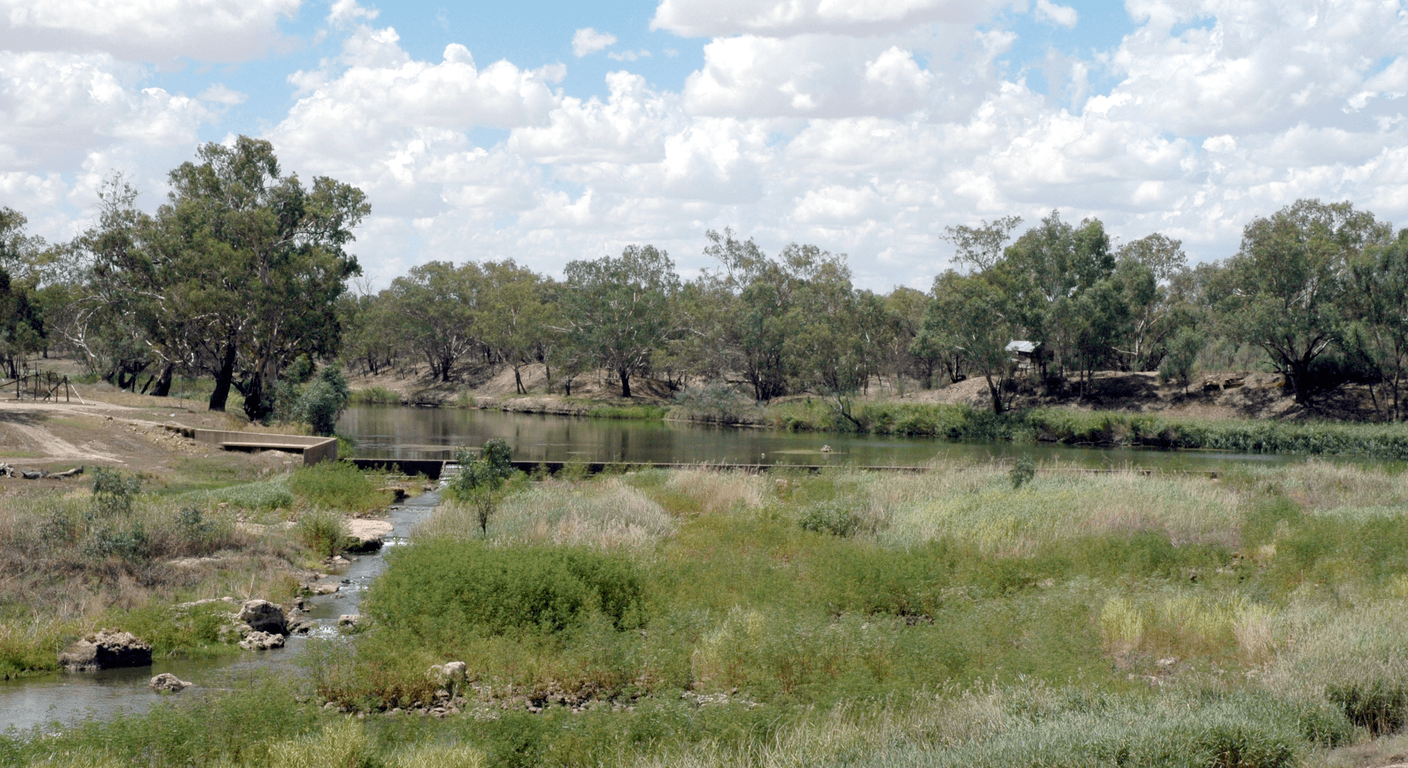
Baiame's Ngunnhu, the fish traps of the Ngemba people, are a series of interlocking stone walls, channels and holding pools built across the Barwon River. The engineering is sophisticated: fish swimming upstream were guided through narrowing channels into stone holding pools, where they could be harvested as needed. The system sustained communities and served as a gathering place for multiple nations across generations. What makes this site remarkable isn't just its age — it's the continuity. The knowledge that built it was passed down, the structure maintained, and its story is still being told today by the people whose country this is.
For a traveller who has stood in front of the Colosseum or walked through Pompeii, Baiame's Ngunnhu offers a genuinely different experience of deep time. This isn't a reconstruction or a replica. It's the original, still in the river, still visible when the water is low enough. That's worth the drive.
Getting There: The Practical Reality of an Outback Journey
From Melbourne, the most straightforward route is to fly to Dubbo with Rex Airlines (confirm current schedules and availability), hire a car, and drive north-west on the Mitchell Highway — a sealed road all the way. Dubbo to Brewarrina is roughly 360 kilometres, around three and a half to four hours. The drive is long and flat, which is either meditative or tedious depending on your disposition. Audiobooks help. So does a stop in Nyngan.
Alternatively, Bourke — about an hour's drive north of Brewarrina on sealed roads — is a natural base if you're combining this with a broader outback itinerary. Bourke has slightly more accommodation variety, a good regional hospital, and its own considerable history. The road between Bourke and Brewarrina is straightforward and well-maintained; a standard hire car handles it without difficulty.
There is no reliable public transport to Brewarrina from major centres. This is a self-drive or guided-tour journey. If driving long distances alone is a concern, some touring operators run outback itineraries that include Brewarrina — worth researching through Tourism Australia's operator directory or Outback NSW Tourism. Confirm all logistics before committing, particularly if travelling solo.
The Brewarrina Aboriginal Cultural Museum: The Right Way to See the Site
The fish traps are visible from the riverbank, and you can walk down to look at them. But to understand what you're looking at, you need the museum. The Brewarrina Aboriginal Cultural Museum is a small, community-run institution that holds significant cultural artefacts and, more importantly, offers guided tours that explain the traps' engineering, their ceremonial significance, and their place within a living culture. Engaging with the site through local guides is not just the respectful approach — it's the one that transforms a pile of stones in a river into something genuinely affecting.
Tour fees are modest — indicatively under $30, which is why the 'Under $30' badge applies — but the most important thing to know before you travel is this: confirm tour days and times directly with the museum before you leave home. Outback institutions run on smaller staffing and may have irregular hours, seasonal schedules, or occasional closures. A phone call or email before departure is not excessive caution; it's just good planning. The museum's contact details are available through the NSW Government's tourism listings.
The museum itself is housed in a building accessible to most visitors, and the guided walk to the riverbank is relatively flat, though the ground near the water's edge can be uneven. Sensible footwear — not heels, not thongs — is the practical choice. A hat, sunscreen and water are non-negotiable even in the cooler months, when the outback sun still does its work.
When to Go: Timing Matters More Than Usual Here
Western New South Wales in summer is not kind. Temperatures in Brewarrina regularly exceed 40°C between December and February, and the combination of heat, flies and dust makes outdoor heritage sites genuinely uncomfortable and potentially risky for older travellers. The cooler months — April through September — are when this journey makes sense. Mornings are crisp, afternoons are warm rather than punishing, and the light on the river in the late afternoon is the kind that makes you reach for a camera.
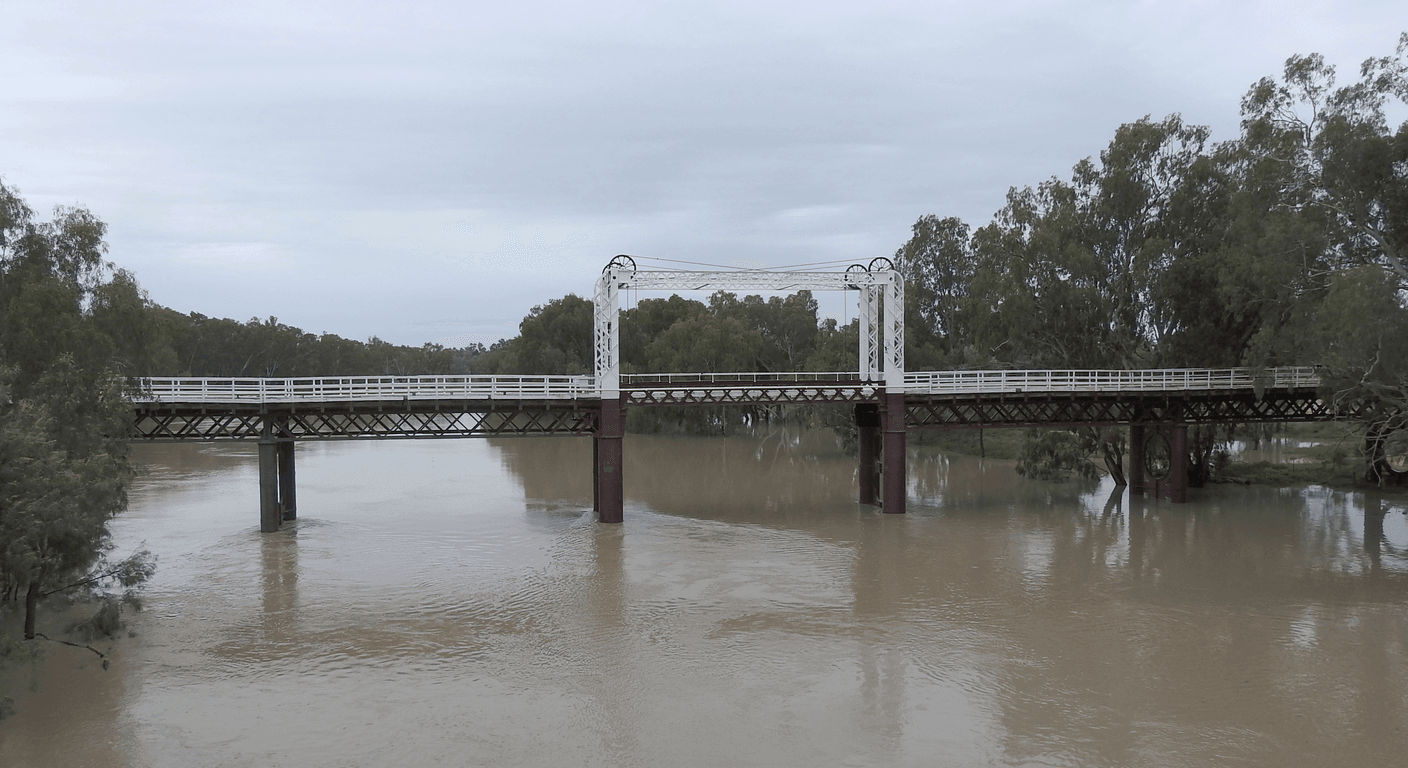
The fish traps are most visible when the river is at a lower level, typically in the drier months. Heavy rainfall can raise the Barwon River enough to partially submerge the stone structures, reducing visibility. The museum team can advise on current river conditions if you enquire ahead of your visit — another good reason to make contact before travelling.
June and July are the most comfortable months climatically, though nights can be cold — outback cold, which catches people who've only experienced coastal winters off-guard. Pack accordingly. A warm layer for evenings is not overcaution; it's sensible.
The Town Itself: What to Expect in Brewarrina
Brewarrina is a small, predominantly Aboriginal community with a complex and at times painful history. It was the site of one of New South Wales's Aboriginal stations, and that history is part of what the museum contextualises. Arriving with some background reading — even a chapter or two on the history of western NSW Aboriginal communities — makes the visit richer and more respectful. Bruce Pascoe's work, and writings by Ngemba and related authors, offer useful starting points.
The town has basic services: fuel, a supermarket, a pub, a bakery, and limited accommodation including a caravan park. It's not a place that has polished itself for tourism, and that's part of its integrity. Expect functional rather than fancy. If you prefer more accommodation variety, base yourself in Bourke and make Brewarrina a day trip — it's around an hour each way on a good sealed road.
Bourke itself, if you haven't been, is worth a night for its own reasons. The Back O' Bourke Exhibition Centre tells the story of outback New South Wales with considerable skill, and the Darling River — same river system as the Barwon — has its own quiet power. The combination of Bourke and Brewarrina makes a genuinely rewarding two-night outback loop.
Pacing the Day: A Sensible Itinerary
If travelling from Bourke, leave by 8am to make the most of the cooler morning hours. Arrive at the museum when it opens, join the guided tour, and allow at least two hours for the experience — more if the guide is generous with time and the conversation is good, which it often is. Spend some quiet time at the riverbank afterwards, on your own terms.
Lunch in Brewarrina, then a slow drive back to Bourke in the afternoon. The light changes dramatically in the late afternoon on the plains, and there's no reason to rush. If you've arranged an overnight in Brewarrina, the evening is yours — the stars in outback New South Wales, far from any city light, are one of the genuine rewards of this kind of travel. No superlatives needed; just look up.
Solo travellers — particularly women travelling alone in regional and remote areas — should take standard sensible precautions: tell someone your itinerary, keep your phone charged, carry water and a basic emergency kit in the car, and check in when you arrive. The outback is not inherently unsafe, but it rewards preparedness.
What Makes This Different from Every Other Heritage Site
Most ancient sites you visit are ruins — fragments of something that no longer functions, curated by archaeologists and interpreted by historians from outside the culture. Baiame's Ngunnhu is different. The knowledge of how it was built and why it was built has been held continuously by the Ngemba people. The guides who walk you through the site are not interpreting a lost civilisation; they're sharing their own inheritance.
That distinction matters, and it changes how you experience the site. You're not a tourist peering at something old and foreign. You're a guest being shown something alive. The appropriate response to that is attention, curiosity, and the kind of quiet that lets you actually hear what's being said. For travellers who've spent decades collecting experiences, this one sits differently.
The fish traps don't need dramatic framing. They are, by any measure, one of the most significant archaeological and cultural sites in Australia — and one of the least visited by people from outside the region. That's the honest situation, and it's reason enough to make the journey.
Quick planning guide
| Ideal pace | Slow-paced — a half-day visit or relaxed overnight |
|---|---|
| Best months | April to September, when temperatures are cooler and the river is lower |
| Suggested stay | Half a day as a trip from Bourke, or one to two nights based in Brewarrina or Bourke |
| Mobility level | Easy — museum and riverbank walk are mostly flat, with some uneven ground near the water |
| Cost level | Budget-friendly, with guided tours indicatively under $30 |
| Comfort level | Basic and functional rather than polished — a small outback town with limited services |
| Best for | Travellers drawn to deep history and living Aboriginal culture who are comfortable with self-drive outback travel |
| Main planning consideration | Confirm museum tour days, times and river conditions directly before departing, and avoid the extreme summer heat |
Key takeaways
- Baiame's Ngunnhu in Brewarrina are believed to be among the oldest human-constructed structures on earth, predating the Egyptian pyramids.
- The Brewarrina Aboriginal Cultural Museum offers guided tours — confirm days, times and current fees directly before travelling, as schedules vary.
- April to September are the only comfortable months for an outback visit; summer temperatures regularly exceed 40°C.
- Brewarrina is about an hour north of Bourke on sealed roads, making it a manageable day trip or a short overnight stop.
- Indicative guided tour and entry fees are under $30 — modest cost for one of Australia's most significant cultural heritage experiences.
- The fish traps are best viewed when the Barwon River is at lower levels; contact the museum ahead of travel to check current conditions.
Recommended partners and links
Indicative prices only — always confirm with the operator before booking.
Frequently asked questions
How old are the Brewarrina fish traps?
The Brewarrina fish traps — known as Baiame's Ngunnhu — are believed to be at least 40,000 years old, though some researchers suggest they may be older. They are considered one of the oldest human-built structures on earth. The exact age is difficult to determine precisely, but they predate the Egyptian pyramids by many thousands of years.
Can you visit the Brewarrina fish traps without a guided tour?
The fish traps are visible from the riverbank and you can view them without joining a tour. However, the Brewarrina Aboriginal Cultural Museum's guided tours provide the cultural and historical context that makes the visit genuinely meaningful. Visiting with a local guide is strongly recommended as the respectful and most rewarding approach.
What are the opening hours of the Brewarrina Aboriginal Cultural Museum?
Hours and tour days can vary seasonally and are subject to staffing. Always confirm current opening times directly with the museum before travelling — contact details are available through the NSW Government's tourism listings and visitnsw.com. Do not assume standard hours apply, particularly if travelling from a distance.
Is Brewarrina suitable for travellers with mobility considerations?
The museum building is generally accessible. The guided walk to the riverbank is relatively flat, though ground near the water's edge can be uneven in places. Sturdy, flat footwear is recommended. Travellers with significant mobility limitations should contact the museum in advance to discuss what's manageable on the day.
What is the best way to get to Brewarrina from Melbourne or Sydney?
There is no reliable public transport to Brewarrina. The most practical approach from Melbourne is to fly to Dubbo, hire a car, and drive north-west on the Mitchell Highway — a sealed road all the way. From Sydney, Dubbo is accessible by train (NSW TrainLink) or flight, then self-drive. Bourke, about an hour north of Brewarrina, is a convenient overnight base. Confirm all hire car, accommodation and fuel availability before departing.