Budva, on Montenegro's Adriatic coast, is best visited in May, June or September, when the sea is warm and crowds thin. Its walled old town, Stari Grad, suits a slow morning exploration, while the Bay of Kotor day trip is the region's highlight. Mobility is moderate, with cobblestones requiring sure footing. No direct flights exist from Australia; travellers connect via Dubai, Doha or Istanbul to Tivat or Podgorica, a 24–28 hour journey.
What is Budva, and why does it appeal to over-50 travellers?
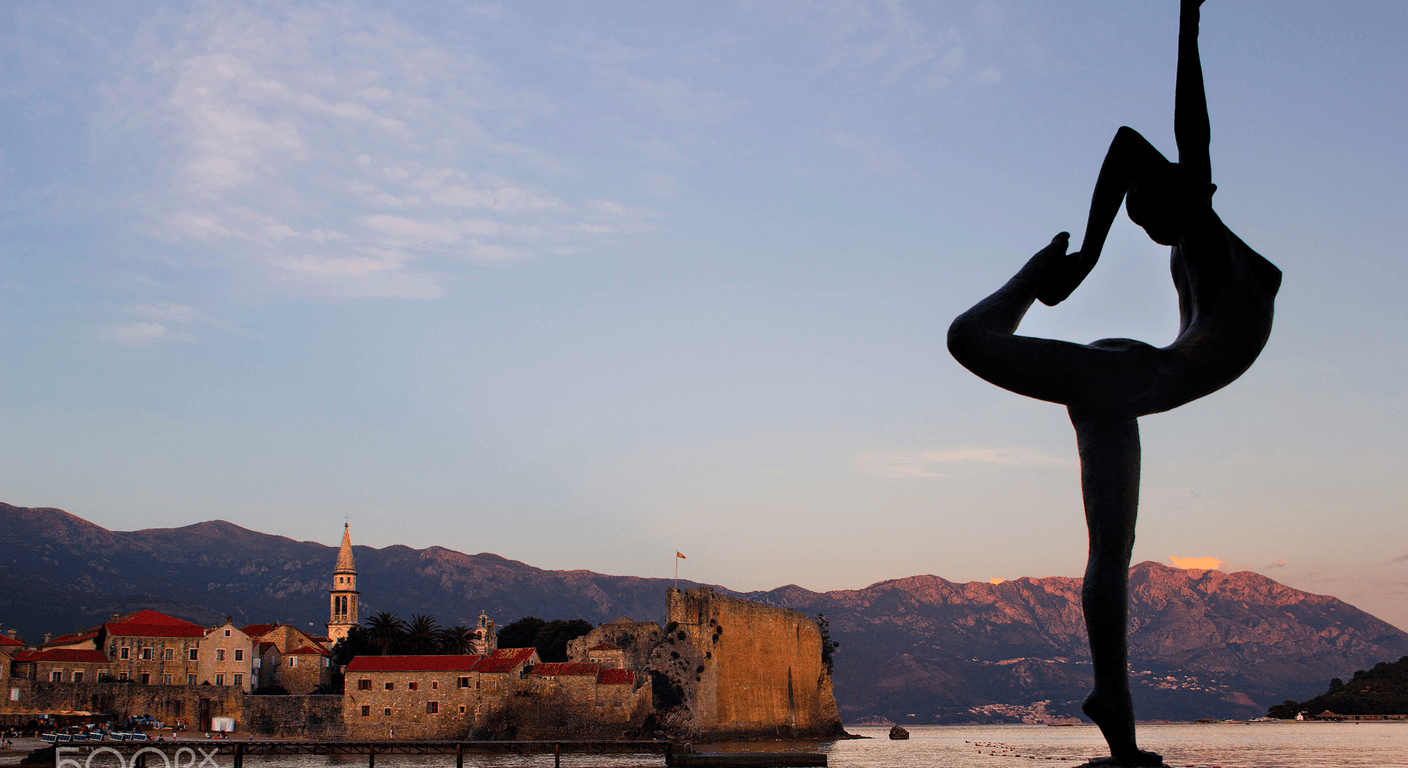
Budva sits on a small headland on Montenegro's Adriatic coast, about 65 kilometres south of the capital Podgorica. Its old town — properly called Stari Grad — is a walled medieval city of narrow lanes, Orthodox churches, Venetian-era architecture and a citadel that looks out over the sea in three directions. It's compact enough to explore thoroughly in half a day, which is either a feature or a limitation depending on what you're after. For travellers who want to absorb a place rather than tick it off, it's a feature.
The surrounding riviera stretches north toward Sveti Stefan and south toward the Bay of Kotor, offering a variety of coastal character: long sandy beaches at Jaz, the famously photogenic island hotel at Sveti Stefan (viewable from the road even if you're not staying there), and the extraordinary walled city of Kotor about 35 kilometres north. Montenegro as a whole is a small country — roughly the size of Wales — and that compactness means a lot of variety is reachable without exhausting travel days.
For Indian-Australian travellers in particular, there's something quietly pleasing about a destination that sits off the main tourist circuit without being difficult to reach. The food leans Mediterranean with Balkan influence — fresh seafood, lamb, excellent local cheeses, plenty of vegetarian-friendly mezze-style dishes — and the pace of coastal life, especially outside peak summer, feels genuinely relaxed rather than performatively slow.
When should Australians travel to Budva?
May and June are arguably the finest months. The sea is warm enough to swim by mid-May, the old town is walkable without the crush of July and August, restaurant tables are available without a wait, and accommodation prices are noticeably more reasonable. The light in late May — that particular Adriatic clarity — is exceptional for anyone who likes to photograph a place seriously.
September earns an equally strong recommendation. The water is at its warmest after a full summer, the crowds thin noticeably after the first week of the month, and the limestone hills behind Budva take on a golden tone in the afternoon sun. Early October can still be pleasant, though some smaller restaurants and boat operators start winding down their seasons.
July and August are genuinely difficult if you value quiet. Budva in peak summer is one of the party capitals of the Adriatic — loud music from beach clubs carries well into the early hours, the beaches are packed, and prices spike considerably. That's not a moral judgement; it's simply not what most over-50 travellers are looking for. If those are the only months available, choosing accommodation well away from the Slovenska Obala strip, or basing yourself in a quieter village like Petrovac or Sveti Stefan, makes a real difference.
Where to stay: choosing accommodation honestly
The old town itself has a handful of boutique hotels and apartments within the walls — atmospheric, and worth considering if you don't mind some evening ambient noise from bars and restaurants below. The walled city does quiet down earlier than the beach strip, and staying inside Stari Grad means stepping directly into the lanes and sea views that make Budva worth visiting. Confirm noise levels with accommodation providers directly, particularly for ground-floor rooms.
For a quieter base, the village of Sveti Stefan — now largely occupied by the Aman resort, though the surrounding village has independent options — and the town of Petrovac, about 18 kilometres south, offer more settled evenings. Petrovac is genuinely underrated: a small bay, a Venetian tower, good seafood restaurants and a fraction of Budva's foot traffic. It suits couples who want to use Budva as a day trip rather than a base.
Indicative costs in shoulder season run from roughly AUD 150 per night for a well-located apartment to AUD 300 or more for a boutique hotel with sea views — always confirm current rates, as pricing varies considerably by season and year. Booking through established platforms with clear cancellation policies is sensible, particularly given the distance from Australia if plans need to change.
Getting there from Australia: the honest flight picture
Montenegro does not have a major international hub airport that connects directly from Australia. The practical options are flying into Tivat Airport (about 25 kilometres from Budva, the most convenient option in summer) or Podgorica Airport, then transferring by taxi or pre-arranged transfer. Most Australian travellers connect through Dubai (Emirates), Doha (Qatar Airways) or Istanbul (Turkish Airlines), with onward connections to Tivat or Podgorica. Total travel time, including layovers, typically sits between 24 and 28 hours depending on routing.
A recovery night in your destination — or even in your connection city — is worth building into the itinerary. Arriving in Budva at noon after 26 hours of travel and attempting a walking tour of the old town that afternoon is an ambition that rarely serves anyone well. A quiet first afternoon, a good local dinner, and a proper night's sleep before exploring is not excessive caution; it's how experienced long-haul travellers stay well.
Jet lag from Australia to the Adriatic is real — Montenegro is seven hours behind AEST in summer, nine in winter. Eastward return travel is typically harder. Budget a day or two of gentle recovery on each end. Travel insurance that covers pre-existing medical conditions is essential for this distance; compare policies carefully and declare conditions fully, as gaps in cover at this distance from home are not a minor inconvenience.
What to do in Budva and along the riviera
The old town repays slow exploration. The citadel (Citadela) offers the clearest view of why Budva's position was so strategically valued — sea on three sides, hills behind, the coastline curving away in both directions. The Church of the Holy Trinity and the Church of Santa Maria in Punta are both small enough to feel intimate rather than monumental. The archaeological museum inside the old town walls has a modest but well-presented collection. None of this requires a full day; it rewards a full morning, ideally early, before the tour groups arrive.
The Bay of Kotor is a half-day or full-day excursion that most travellers consider the highlight of a Montenegrin coast trip. Kotor's walled old city is a UNESCO World Heritage site — genuinely impressive, with a scale and completeness that Budva doesn't match. The city walls climb steeply to a fortress above; the lower town is entirely walkable and flat. A local taxi or organised day-tour transfer from Budva takes around 45–50 minutes. Confirm current options with your accommodation host.
Sveti Stefan island — now the centrepiece of an Aman resort — is visible from the causeway road and worth the short drive or taxi ride simply for the view. The surrounding area has a public beach section; access to the island village itself requires resort booking. The monastery of Praskvica on the hillside above is open to visitors and offers a quieter, more reflective experience than the coastal bustle below. Further afield, the Durmitor mountain plateau and Tara Canyon are a longer drive but represent a completely different face of Montenegro — worth considering for travellers with more than ten days.
Food, costs and practical daily life
Montenegrin coastal food is straightforward and generally good: grilled fish, octopus salad, lamb dishes, burek pastry for breakfast, and local cheeses that deserve more international attention than they get. Vegetarians and those avoiding red meat will find plenty on menus near the coast; inland, meat features more heavily. A good sit-down dinner for two with wine at a mid-range restaurant in shoulder season runs indicatively around AUD 60–90 — confirm current prices, as the euro exchange rate and seasonal pricing both shift. Lunching at a konoba (a traditional tavern) rather than a beachfront restaurant saves money without sacrificing quality.
Montenegro uses the euro (EUR) despite not being a European Union member. ATMs are widely available in Budva. Tipping is not mandatory but appreciated — rounding up a bill or leaving five to ten percent is customary. Most restaurants and hotels in tourist areas accept cards, though smaller cafes and market stalls are cash-only. Pharmacies are well-stocked and multilingual in tourist areas; bring a supply of any prescription medication, as specific brands may not be available.
Mobile data is easy to manage: Australian SIM cards with international roaming work in Montenegro, or a local SIM can be purchased at Tivat or Podgorica airport. The country uses the same plug standard as most of Europe (Type C/F, 220V), so a universal adaptor is sufficient. The general infrastructure in Budva — water, power, transport — is reliable in the main tourist season, less predictably so in very early or late season.
Entry requirements, health and safety: what to confirm before you go
Australian passport holders should check current entry requirements for Montenegro at smartraveller.gov.au before booking — visa rules, permitted stay durations and any registration requirements for foreign nationals can change. At time of writing, Australian citizens have generally been able to enter Montenegro without a visa for short stays, but this must be confirmed independently and is not guaranteed to remain unchanged. The Australian Government's Smartraveller service is the authoritative source; register your travel plans there as well.
Montenegro is assessed by Smartraveller as a destination requiring normal safety precautions, though the advice is updated regularly. Road safety is worth noting: the coastal road between Budva and Kotor is scenic but narrow in sections, with sharp bends. If hiring a car, drive carefully and allow more time than maps suggest. Taxis from established ranks or app-based services are a practical alternative for day trips. Petty theft in crowded tourist areas follows the same patterns as anywhere in Europe — keep documents and valuables secure, particularly in the old town during summer.
Travel insurance for Australian travellers visiting Montenegro should cover emergency medical evacuation — the nearest major medical facilities are in Podgorica, and serious cases may require evacuation to a European capital. Declare all pre-existing conditions fully when purchasing a policy. The cost of under-insuring at this distance from home is not worth the saving on the premium.
Quick planning guide
| Ideal pace | Slow-paced, with a full morning for the old town and day trips for the rest |
|---|---|
| Best months | May, June and September — warm seas and thinner crowds |
| Suggested stay | Several days as a riviera base, using Budva for day trips |
| Mobility level | Moderate — cobblestones and uneven lanes need sure footing |
| Cost level | Mid-range, notably more budget-friendly in shoulder season |
| Comfort level | Comfortable with good food and infrastructure, less predictable outside peak season |
| Best for | Over-50 travellers who prefer a considered pace over peak-summer nightlife |
| Main planning consideration | Avoiding July–August crowds and noise, and budgeting recovery time for the 24–28 hour flight |
Key takeaways
- May, June and September offer the best conditions for over-50 travellers — warm, swimmable and significantly quieter than July and August.
- The old town of Budva (Stari Grad) is compact and walkable, but cobblestones and uneven surfaces require sure footing — sturdy shoes are not optional.
- Petrovac and the area around Sveti Stefan offer quieter bases than Budva's main beach strip, particularly if peak-summer noise is a concern.
- Flights from Australian cities to Tivat or Podgorica connect via Middle Eastern or Turkish hubs, with total travel times typically 24–28 hours — build in a recovery night.
- Always confirm current visa and entry requirements for Montenegro at smartraveller.gov.au before booking, as rules can change.
- The Bay of Kotor — a UNESCO World Heritage site — is the single most rewarding day trip from Budva and is reachable in under an hour by road.
Recommended partners and links
Indicative prices only — always confirm with the operator before booking.
Frequently asked questions
Do Australians need a visa to visit Montenegro?
At time of writing, Australian passport holders have generally been able to enter Montenegro without a visa for short stays, but visa and entry rules can change. Always confirm current requirements at smartraveller.gov.au before booking — that is the Australian Government's official and up-to-date source.
Is Budva suitable for travellers with mobility considerations?
Budva rates as Moderate for mobility. The old town's cobblestoned lanes and some stepped beach access points require sure footing and are not suitable for wheelchairs or walkers. The seafront promenade (Slovenska Plaža area) is flatter and more manageable. Petrovac, a quieter alternative base nearby, has easier terrain in its town centre.
What is the best month to visit Budva from Australia?
May, June and September are the best months for over-50 Australian travellers. The sea is warm and swimmable, temperatures are comfortable for walking, crowds are manageable, and accommodation is more affordable than in July and August. September is particularly pleasant — the water is at its warmest after a full summer and the atmosphere is noticeably more relaxed.
How long does it take to fly from Australia to Montenegro?
There are no direct flights from Australia to Montenegro. Most travellers connect through Dubai, Doha or Istanbul to Tivat Airport (closest to Budva) or Podgorica Airport. Total travel time including layovers is typically 24–28 hours depending on routing and connection times. Building a recovery night into the itinerary on arrival is strongly recommended.
Is the Bay of Kotor worth a day trip from Budva?
Yes — Kotor's walled old city is a UNESCO World Heritage site and widely considered the most impressive single destination on the Montenegrin coast. It's around 35 kilometres from Budva and reachable by taxi or organised transfer in 45–50 minutes. The lower town is flat and walkable; the steep city walls above are optional and require reasonable fitness.