Gympie's Gold Mining and Historical Museum marks the 1867 gold discovery that saved colonial Queensland from bankruptcy, and its outdoor heritage precinct of original buildings, a stamp battery and mining machinery makes that history tangible. Visit May to September to avoid subtropical summer heat, and allow two to three hours. Terrain includes gravel and uneven ground, so mobility is moderate. Reach Gympie via a Brisbane flight then a roughly two-hour train or drive, or by road from the Sunshine Coast.
Why Gympie's gold discovery still matters
By 1867, Queensland was in serious financial trouble. The young colony had overspent, drought had bitten hard, and there was genuine talk of returning the territory to New South Wales. Then James Nash found gold in the Mary River valley, and everything changed. The rush that followed brought thousands of diggers, revenue flooded into Brisbane, and Queensland survived. It's not melodrama — it's the documented historical record, and it gives a visit to Gympie a weight that many heritage sites simply can't match.
The Gold Mining and Historical Museum exists to carry that story forward. It's a volunteer-driven institution with the kind of institutional pride that only comes from a community that knows its history matters. That pride is evident in the care taken with the precinct's collection — and in the willingness of staff and volunteers to actually talk to you about what you're looking at, rather than leaving you to decipher a plaque alone.
What does the museum precinct actually include?
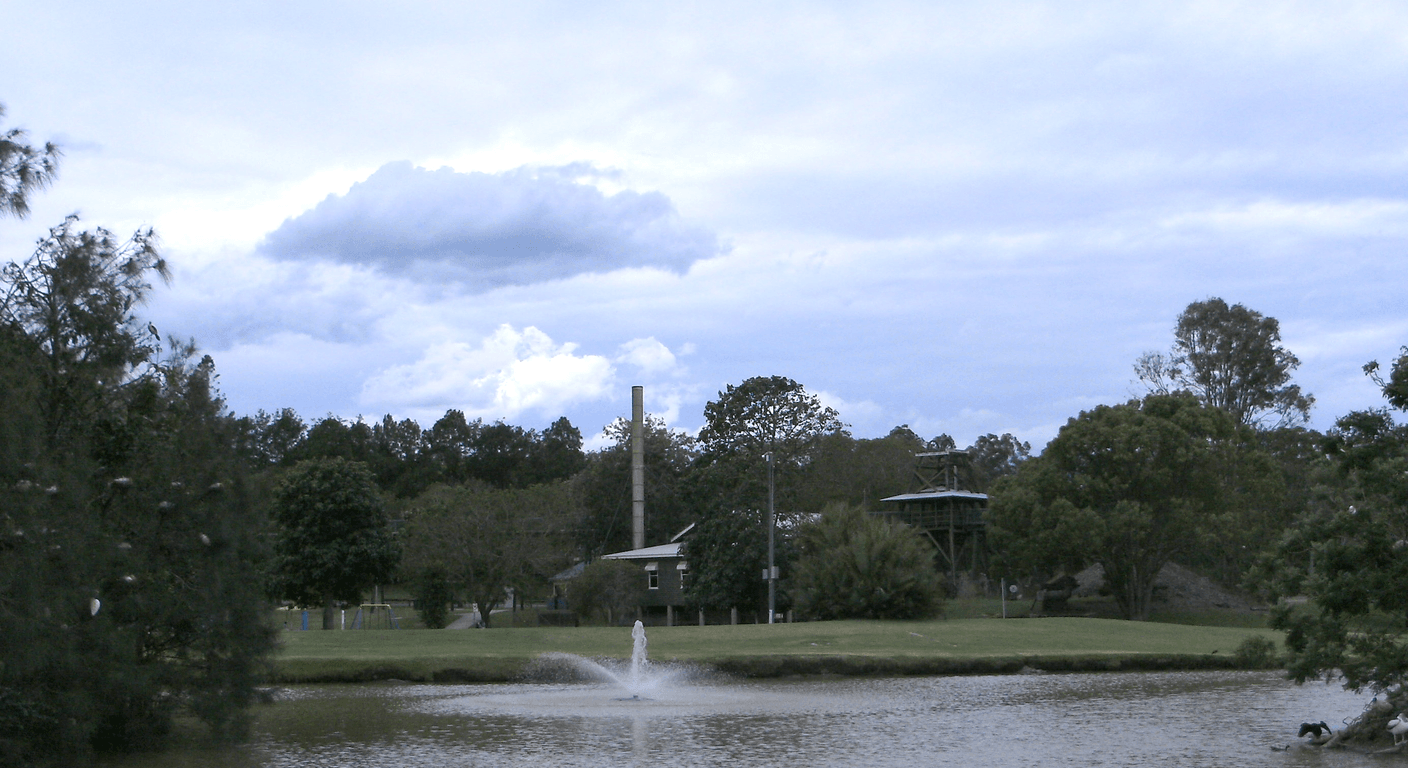
The site is larger than it looks from the entrance. The outdoor precinct spreads across a generous block and incorporates original heritage buildings — a miners' cottage, a stamp battery, engine sheds — alongside a substantial collection of gold-mining machinery that speaks to the industrial scale the rush eventually reached. There's also an indoor gallery with artefacts, photographs and interpretive displays that provide context for what you're seeing outside.
The stamp battery is a centrepiece worth pausing at. These machines crushed ore-bearing rock to extract the gold within, and seeing the scale of the equipment — even at rest — makes clear how labour-intensive and mechanically demanding the industry became. For anyone with an Italian-Australian family history that touches on post-war manufacturing or heavy industry, the engineering logic of it will feel faintly familiar, even in this very different context.
Allow a genuine two to three hours rather than rushing through. The site rewards unhurried attention. There are rest points along the way, and the indoor gallery provides a natural pause point if the Queensland sun is getting ahead of you.
What should you know about accessibility and terrain?
This is an honest note rather than a deterrent. Parts of the outdoor precinct involve unpaved paths, gravel surfaces and slightly uneven ground between heritage structures. Flat, closed-toe shoes — a solid pair of walking shoes, not sandals — are the practical choice. If you use a walking stick, bring it. If you use a mobility aid, phone the museum ahead of your visit to discuss which sections of the site are most navigable; the volunteer team is knowledgeable and straightforward about this.
The indoor gallery is fully accessible and air-conditioned, which makes it a sensible starting point on a warm day. Shaded areas exist across the outdoor precinct, and the pace of a solo visit is entirely your own — there's no guided tour schedule to keep up with unless you choose one. That freedom suits the self-directed traveller well.
Getting to Gympie from Victoria and other Australian cities
From Melbourne, the practical route is a direct flight to Brisbane — roughly two hours — followed by either a hire car or the Queensland Rail Traveltrain service north to Gympie North station, which takes around two hours from Brisbane Roma Street. The train option is comfortable and genuinely scenic through the hinterland, though you'll want to confirm current timetables with Queensland Rail directly, as regional services can be limited on certain days.
Driving from Brisbane is around 160 kilometres via the Bruce Highway — a straightforward road with good rest stops. If you're already travelling the Sunshine Coast hinterland or heading north through Queensland as a grey nomad route, Gympie sits naturally on the itinerary. Those basing themselves in Noosa can reach Gympie in under an hour by road, making a day trip entirely reasonable.
Gympie itself has a walkable heritage streetscape worth an hour of your time after the museum. The town is compact, the main street has good cafes, and the combination of museum and town makes for a satisfying full day without needing to rush anything.
When is the best time to visit Gympie?
May through September is the clear window. Gympie sits in Queensland's subtropical zone, which means summer — November to March — brings heat, humidity and the possibility of significant rainfall. Visiting an outdoor heritage precinct in 32-degree heat and high humidity is simply not comfortable, regardless of your fitness level. The cooler months bring clear skies, temperatures in the low-to-mid twenties, and the kind of conditions that make a few hours of walking genuinely pleasant.
July sits at the sweet spot of the Queensland winter calendar — school holidays bring families, but the museum is large enough that it doesn't feel crowded. If you prefer quieter conditions, May, June and August offer the same weather with thinner crowds.
Practical details: cost, timing and what to bring
Entry is around $15–$18 for adults, with concessions available — confirm the current pricing directly with the museum before your visit, as volunteer-run institutions occasionally revise their fees. The cost is genuinely modest for what's on offer; this is not a site that oversells itself relative to the entry price.
Opening hours are typically daytime hours on most days of the week, but again, confirm directly. The museum's website or a phone call ahead of time is the sensible approach, particularly if you're travelling specifically to visit. Carry water, apply sunscreen before you arrive rather than after, and bring a hat. A small day bag for your camera, sunscreen and a light layer for the air-conditioned indoor gallery is all you need.
There's no requirement to join a guided tour, though if a volunteer offers to walk you through the stamp battery operation, it's worth accepting. The personal narration adds something that a printed guide cannot.
Is Gympie worth combining with other Queensland destinations?
Easily. The Sunshine Coast hinterland — Montville, Maleny, the Blackall Range — is under an hour's drive south and offers a very different texture: cool green hills, craft galleries, and some of the best afternoon tea in Queensland. A two-night itinerary combining Gympie's gold history with a night in Montville makes for a well-rounded short break from Brisbane without covering enormous distances.
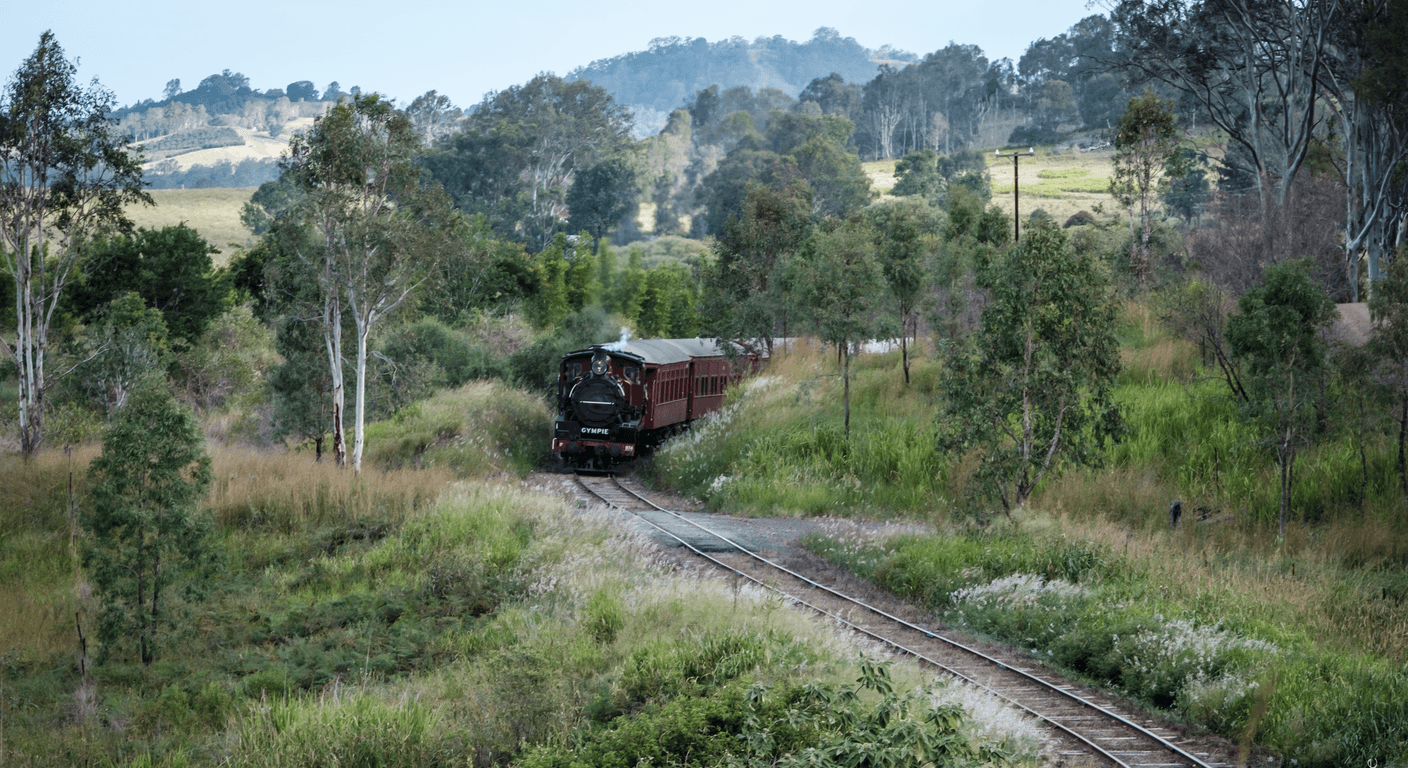
Further north, the Mary Valley Rattler — a heritage steam railway operating between Gympie and Imbil — is worth checking for current running dates. It's the kind of experience that appeals to the same traveller drawn to the mining museum: tangible history, real machinery, Queensland landscape. Confirm operating days with the Mary Valley Rattler directly, as heritage rail services can have variable schedules.
Quick planning guide
| Ideal pace | Slow and self-directed, no fixed tour schedule |
|---|---|
| Best months | May to September, with July at the sweet spot |
| Suggested stay | Two to three hours for the museum; a full day combined with the town |
| Mobility level | Moderate — gravel paths and uneven ground outdoors, though the indoor gallery is fully accessible |
| Cost level | Budget-friendly — entry around $15–$18 |
| Comfort level | Air-conditioned indoor gallery and shaded outdoor rest points |
| Best for | History-minded travellers who like tangible, hands-on heritage sites |
| Main planning consideration | Phone ahead if using a mobility aid, and avoid the hot, humid summer months |
Key takeaways
- Gympie's 1867 gold discovery is credited with saving colonial Queensland from bankruptcy — that historical stakes give the museum genuine significance.
- The outdoor heritage precinct includes original buildings and mining machinery; allow two to three hours for a thorough visit.
- Entry is around $15–$18 with concessions available — confirm current pricing directly with the museum.
- Parts of the site have uneven, unpaved ground — flat, closed-toe shoes are essential and a walking stick is useful.
- May to September is the best visiting window; Queensland's subtropical summers make outdoor heritage sites uncomfortable.
- Gympie is around two hours from Brisbane by road or Queensland Rail train, making it accessible as a day trip or short break.
Recommended partners and links
Indicative prices only — always confirm with the operator before booking.
Frequently asked questions
How long do you need at Gympie's Gold Mining and Historical Museum?
Two to three hours is the right amount of time for a thorough visit. The outdoor precinct is larger than it appears from the entrance, and the indoor gallery adds meaningful context. Rushing through in under 90 minutes means missing the detail that makes the site worthwhile.
Is the museum accessible for visitors with mobility considerations?
The indoor gallery is accessible and air-conditioned. Parts of the outdoor precinct involve unpaved, uneven ground between heritage buildings and machinery, which requires sure footing. Flat, closed-toe walking shoes are essential. Visitors using mobility aids should contact the museum directly before visiting to discuss which sections of the site are most navigable.
How much does entry to Gympie's Gold Mining and Historical Museum cost?
Entry is indicatively around $15–$18 for adults, with concessions available. These figures should be confirmed directly with the museum before your visit, as pricing can change.
How do you get to Gympie from Brisbane?
Gympie is around 160 kilometres north of Brisbane via the Bruce Highway — approximately two hours by car. Queensland Rail operates a Traveltrain service from Brisbane Roma Street to Gympie North, also taking around two hours. Confirm current timetables with Queensland Rail before travelling, as regional services can be limited on certain days.
What is the best time of year to visit Gympie's Gold Mining and Historical Museum?
May to September offers the most comfortable conditions for an outdoor heritage site in Gympie. Queensland's subtropical summers bring high heat and humidity that make extended outdoor walking unpleasant. The cooler, drier months deliver clear skies and temperatures well suited to exploring the precinct at a relaxed pace.