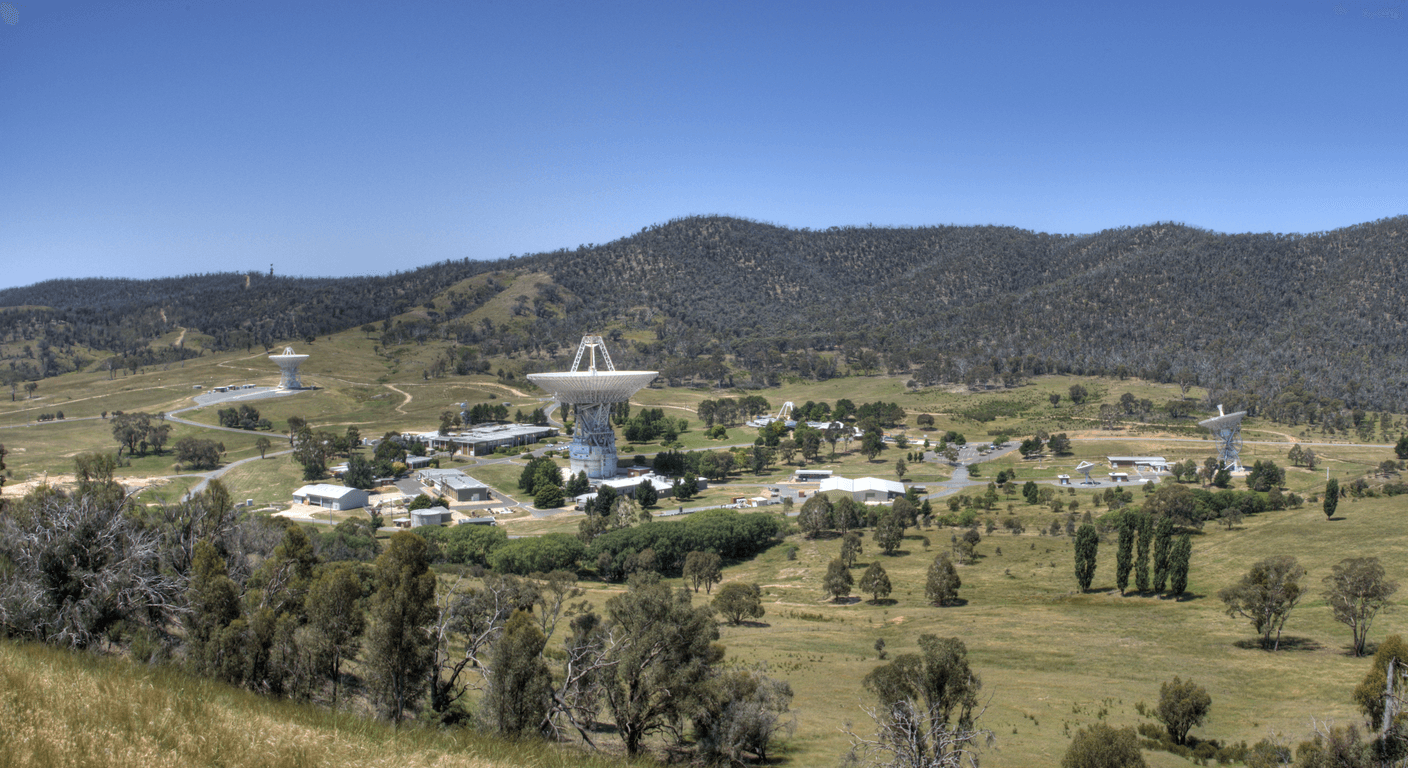
The Canberra Deep Space Communication Complex, 45 minutes from Canberra's city centre in the Tidbinbilla Valley, is a free, operational space-tracking facility whose predecessor helped relay the 1969 Moon landing broadcast to the world. Spring and autumn offer the most comfortable conditions. Flat, sealed paths make it easy for most walkers, and a car is the practical way to arrive, with public transport options needing confirmation. Allow half a day.
Why This Place Deserves More Than a Passing Glance
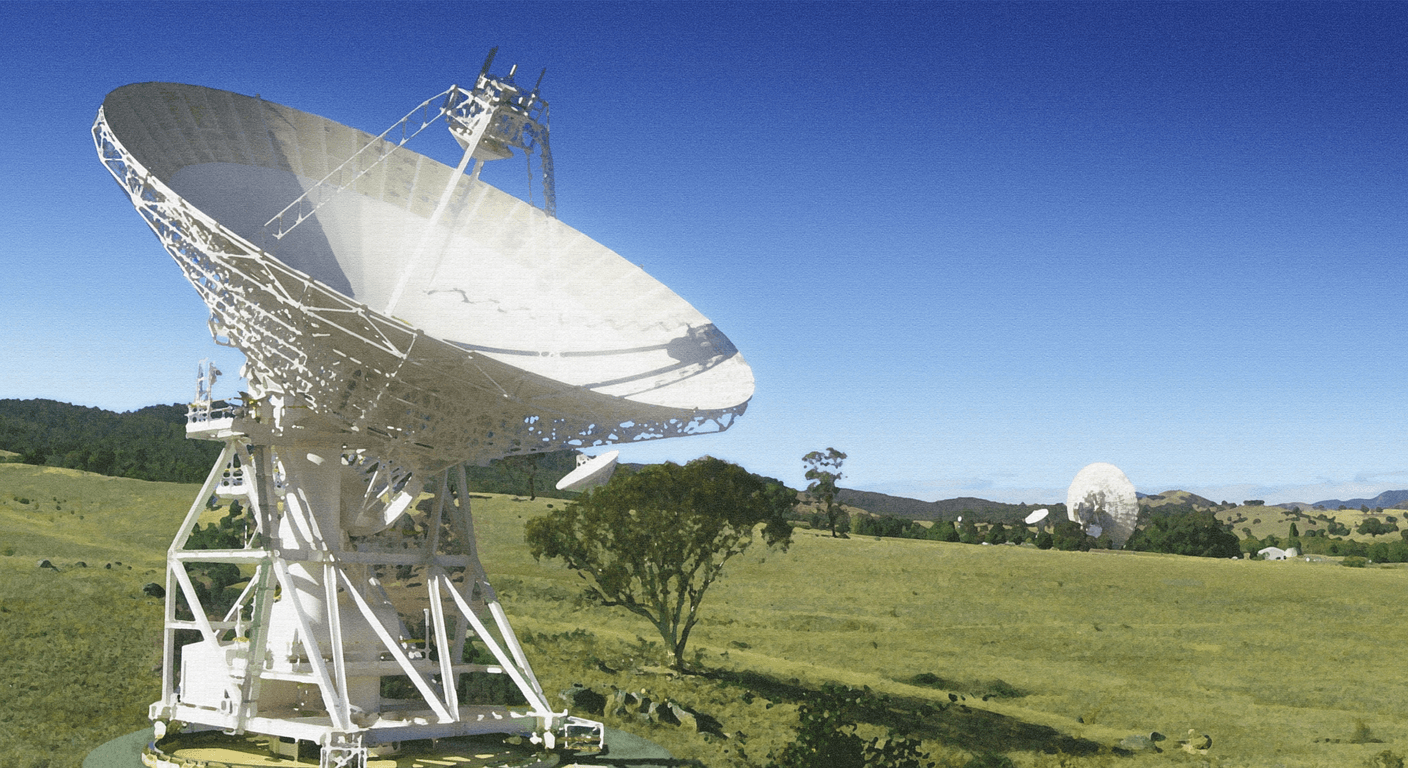
There's a particular kind of satisfaction in standing in front of something that actually did what the history books say it did. The Canberra Deep Space Communication Complex is one of those places. On 21 July 1969, the facility's dishes — then operating as the Honeysuckle Creek Tracking Station, later consolidated into the CDSCC at Tidbinbilla — helped receive and relay the first television images of Neil Armstrong stepping onto the Moon. That footage went to hundreds of millions of people worldwide. The dishes you see today are the direct successors to that moment.
What makes the CDSCC unusual as a day-trip destination is that it's not a museum of past glories. The antennas are operational. Right now, signals are travelling between this valley and spacecraft exploring the outer solar system — the Voyager probes, Mars missions, the James Webb Space Telescope. The visitor centre makes that real rather than abstract, with live tracking displays showing which spacecraft the complex is currently in contact with and how far away they are. That number — the distance in kilometres, ticking upward in real time — is quietly one of the more affecting things you'll see on a day trip anywhere in Australia.
Getting There From Canberra — and From Regional Victoria
The complex is around 45 minutes by car from Canberra's city centre, heading south-west via Tuggeranong and then into the Tidbinbilla Valley. The drive itself is pleasant — the valley opens up as you leave the suburbs behind, and the first glimpse of the white dishes through the eucalypts is genuinely arresting. There's ample free parking on site.
For travellers based in regional Victoria — say, around Bendigo, Ballarat or the Loddon-Campaspe region — the sensible approach is to treat this as part of a Canberra overnight trip rather than a single-day marathon. The drive from central Victoria to Canberra runs roughly four to five hours depending on your starting point; an overnight in Canberra makes the whole day far more enjoyable. Canberra has a good range of comfortable, well-located accommodation to suit most budgets. If you're travelling by train, the NSW TrainLink Canberra Explorer service connects Sydney to Canberra, but getting from Canberra to Tidbinbilla without a car requires checking current Transport Canberra options carefully — confirm availability before you rely on it.
One important distinction worth knowing before you go: the CDSCC and the Tidbinbilla Nature Reserve are two separate sites, though they're in the same valley and easy to combine in a single day. The nature reserve has walking trails and wildlife; the complex has the dishes and exhibitions. They don't share an entrance or facilities, so plan accordingly.
What You'll Actually See and Do on the Day
The visitor centre is the natural starting point. It's modern, well-designed and free, with exhibition spaces covering the history of deep space exploration, Australia's role in space communication, and the engineering behind the dishes themselves. The explanations are clear without being condescending — a balance not every science centre manages. There are interactive displays, scale models and historical artefacts, including material relating to the Apollo program. Allow a good hour here before heading outside.
Outside, sealed and flat paths lead around the complex to viewing points for the dishes. The largest antenna — a 70-metre dish — is an extraordinary object to stand near. It moves. Slowly, deliberately, and apparently of its own accord, tracking whatever it's currently listening to. Watching it shift position while knowing it's in conversation with something hundreds of millions of kilometres away is one of those experiences that recalibrates your sense of scale. The paths are manageable for anyone who's comfortable walking on even ground; there's no significant elevation change.
There's a café on site for lunch or a coffee break, which makes the visit self-contained. Amenities are accessible. The whole experience has the relaxed, unhurried quality of a place that doesn't need to compete for your attention — it simply is what it is, and that's more than enough.
The Moon Landing Connection — What Actually Happened Here
Australia's role in the Apollo 11 broadcast is sometimes undersold. The original Honeysuckle Creek station, which was the CDSCC's predecessor, was the facility that first received the clearest television signal from the Moon's surface in those critical early minutes of the broadcast. NASA's Goldstone station in California was also receiving a signal, but the Australian feed was sharper. For the first eight or so minutes of Armstrong's moonwalk, it was the Honeysuckle Creek signal that went to the world. Parkes Observatory in New South Wales — made famous by the film The Dish — took over later in the broadcast.
The CDSCC's exhibitions cover this history with appropriate detail and some genuine archival material. It's the kind of story that lands differently when you're standing in the valley where it happened, looking at dishes that are the direct operational descendants of the ones that made it possible. For anyone who remembers watching the Moon landing as a child or young adult, this visit has a particular resonance — a chance to place yourself physically inside a piece of history you witnessed from a lounge room on the other side of the country.
Practical Considerations for a Comfortable Visit
The CDSCC's opening days and hours have varied over time and can change with operational requirements. This is a working facility, not a commercial attraction, and that's part of what makes it interesting — but it also means checking the official website before you make the drive is genuinely important, not just a suggestion. Confirm current hours at cdscc.nasa.gov before you go.
Weather in the Tidbinbilla Valley can be cooler than Canberra's city centre, particularly in winter, and the valley can hold morning fog. Layering is sensible regardless of the season. In summer, the valley gets warm; the visitor centre is sheltered, but the outdoor paths are exposed, so a hat and water are useful. Spring and autumn tend to offer the most comfortable conditions for spending time outdoors near the dishes.
The café on site means you don't need to pack a full picnic, though the drive back to Canberra for lunch is also an easy option. If you're combining the visit with the nearby Tidbinbilla Nature Reserve, it's worth having snacks in the car — the nature reserve has its own facilities, but they're at a separate location. Confirm what's currently open at both sites before you plan your day.
Making a Weekend of It — Canberra Beyond the Complex
Canberra rewards an overnight stay, particularly for travellers who appreciate cultural institutions without crowds. The National Gallery of Australia holds one of the finest art collections in the Southern Hemisphere, with free general admission. The Australian War Memorial is one of the country's most thoughtfully designed museums. The National Museum of Australia on the lakeside peninsula covers Australian history with real wit and rigour. All three are within easy reach of the city centre.
For a group of friends travelling together, Canberra's inner-north dining scene — particularly around Braddon and New Acton — has matured considerably in recent years. Good restaurants, excellent coffee and a genuinely relaxed pace. The city is compact and easy to navigate by car; parking is generally less fraught than Sydney or Melbourne. Accommodation ranges from well-appointed apartment hotels to smaller boutique options; the inner south and Barton precincts are convenient for most of the major attractions.
A two-night stay allows a comfortable rhythm: the CDSCC and Tidbinbilla on one day, the city's cultural institutions on another, without the pressure of fitting everything into a single long drive. For travellers from regional Victoria, that structure makes the whole trip feel like a proper break rather than a dash.
Travelling as a Group — What Works Well Here
The CDSCC suits a group of friends particularly well. There's enough to spark conversation — the history, the live tracking displays, the sheer scale of the dishes — without anyone feeling rushed or obliged to keep pace with a guide. You can linger in the exhibitions or head straight outside; the visit is entirely self-directed. The flat, sealed paths mean no one gets left behind on uneven ground, and the café provides a natural meeting point.
Groups travelling from regional Victoria often find that the combination of a long country drive, a night in Canberra, and a day at a site like this has its own satisfying shape — the kind of trip that feels like more than the sum of its parts. The CDSCC is free, which helps when you're splitting costs across a group. The overall spend for a comfortable overnight Canberra trip, including accommodation, meals and fuel, will vary considerably depending on your choices — but the headline attraction itself costs nothing, which is a genuinely rare thing for a site of this calibre.
Quick planning guide
| Ideal pace | Slow-paced and self-directed, with no guide required |
|---|---|
| Best months | Spring and autumn for comfortable outdoor conditions |
| Suggested stay | Half a day on site; a two-night Canberra trip works well for travellers from regional Victoria |
| Mobility level | Easy — flat, sealed paths with no significant elevation change |
| Cost level | Free entry, with only optional café spending |
| Comfort level | Accessible amenities and an on-site café, though outdoor paths are exposed to sun and wind |
| Best for | Groups of friends, space and history enthusiasts, and anyone who remembers watching the Moon landing |
| Main planning consideration | Confirm current opening hours before travelling, as this is a working facility, and arrange a car since public transport to the site needs checking in advance |
Key takeaways
- The Canberra Deep Space Communication Complex is free to enter, with flat sealed paths and accessible facilities — one of the most rewarding free day trips in the ACT.
- The facility's predecessor station relayed the first clear television images of the 1969 Moon landing to the world — and the current dishes are still communicating with spacecraft today.
- Always confirm opening days and hours directly with the CDSCC before travelling, as they can vary from standard expectations.
- The CDSCC and the nearby Tidbinbilla Nature Reserve are two separate sites — plan your day accordingly if you want to visit both.
- Spring and autumn offer the most comfortable temperatures for spending time on the outdoor dish-viewing paths.
- For travellers from regional Victoria, an overnight in Canberra makes the trip far more enjoyable than a single-day return drive.
Recommended partners and links
Indicative prices only — always confirm with the operator before booking.
Frequently asked questions
Is the Canberra Deep Space Communication Complex free to visit?
Yes. Entry to the CDSCC, including the visitor centre, exhibitions and outdoor dish-viewing paths, is free. There is a café on site for meals and refreshments. Always confirm current arrangements on the official website at cdscc.nasa.gov before visiting.
How far is the CDSCC from Canberra city centre?
The complex is approximately 45 minutes by car from central Canberra, heading south-west into the Tidbinbilla Valley. There is free on-site parking. Public transport options to Tidbinbilla are limited — confirm current Transport Canberra routes before relying on them.
Is the CDSCC accessible for people with mobility considerations?
Yes. The paths around the complex are flat and sealed, and the visitor centre is accessible. There are no significant elevation changes on the outdoor viewing routes, making it a comfortable visit for travellers who prefer even, manageable terrain.
Is the CDSCC the same site as Tidbinbilla Nature Reserve?
No. The Canberra Deep Space Communication Complex and Tidbinbilla Nature Reserve are two separate sites in the same valley, with different entrances and facilities. They can be combined in a single day trip, but require separate planning.
What is the best time of year to visit the CDSCC?
Spring (September to November) and autumn (March to May) offer the most comfortable temperatures for spending time on the outdoor dish-viewing paths. Winter can be cold in the valley; summer is warm with exposed outdoor areas. The visitor centre exhibitions are sheltered year-round.