Childers sits on the Bruce Highway about 60km south of Bundaberg, best visited May to September for mild days, dry skies and leopard trees in bloom. A three-to-four hour stop suits most travellers, though an overnight allows an early morning walk. The defining highlight is Churchill Street, its National Trust-classified heritage bakeries, cafes and Old Pharmacy Museum. Mobility is easy, with gentle slopes and well-maintained footpaths. Access is by car, Greyhound coach, or rail to Bundaberg or Maryborough with onward road transport.
What makes Childers worth more than a fuel stop?
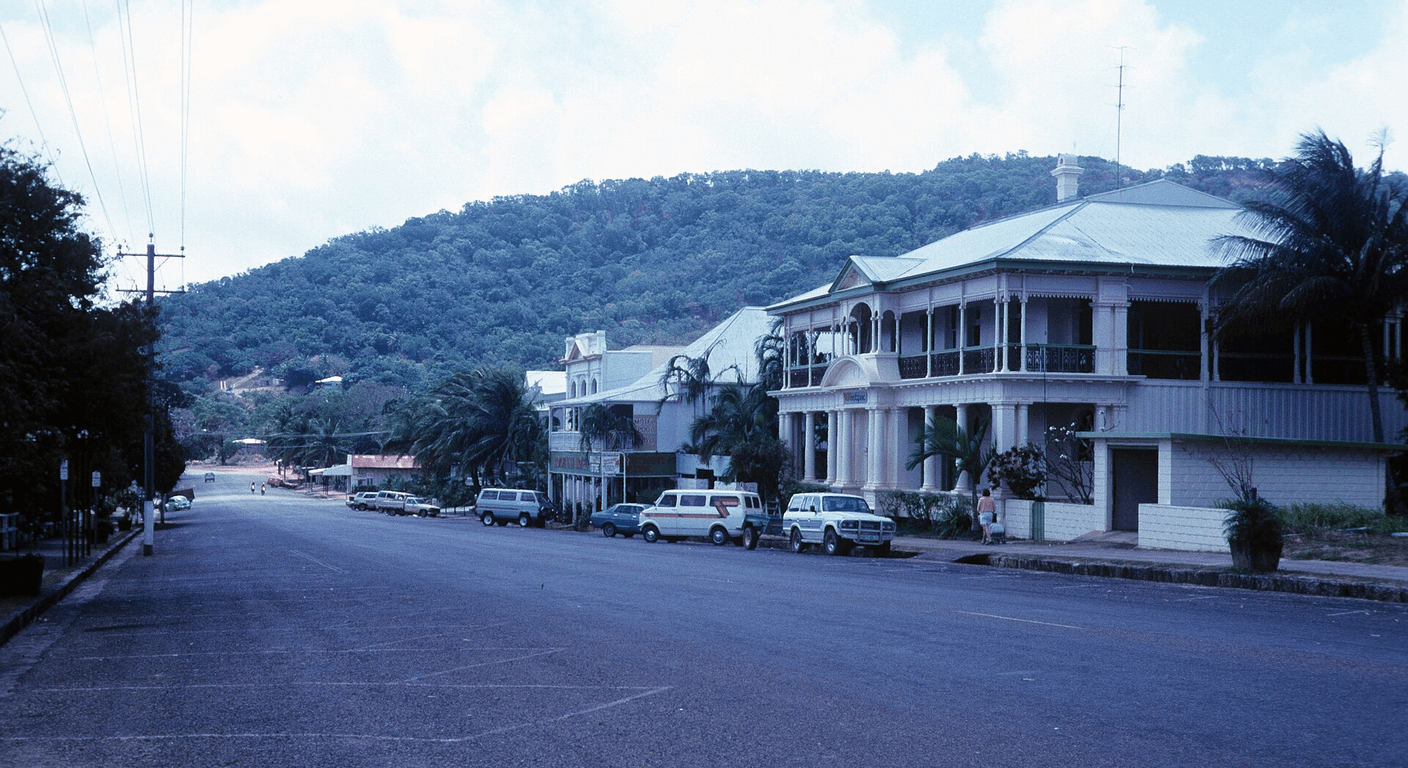
Most travellers on the Bruce Highway know Childers as the town that appears on the sign just before they need petrol. That's a reasonable impulse — but it sells the place short. The main street, Churchill Street, is classified by the National Trust of Queensland for good reason: the buildings that line it are a coherent, largely intact record of late-19th and early-20th century Queensland commercial architecture. Ornate facades, wide verandahs, and the kind of civic confidence that sugar and agriculture money once built.
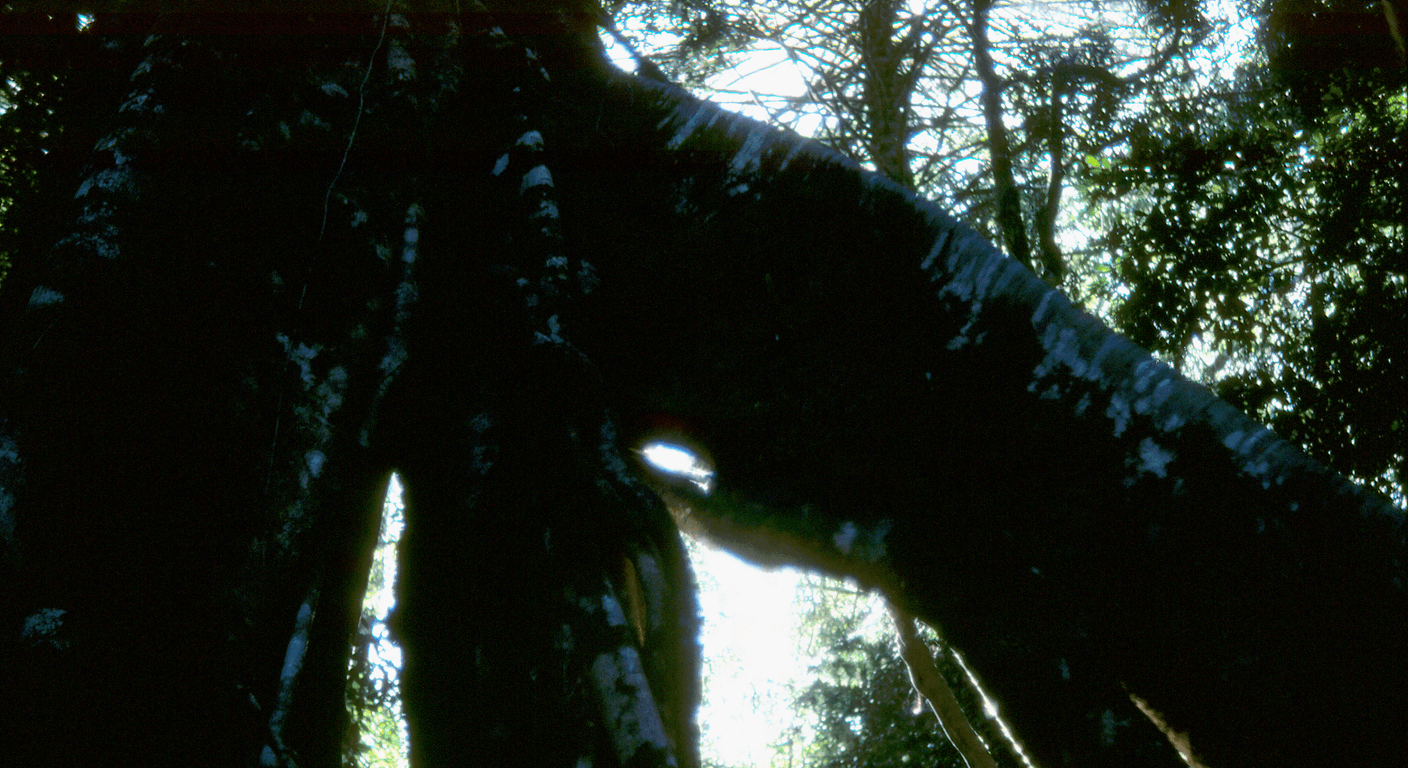
The leopard trees are the first thing you notice when you arrive. They line Churchill Street in a canopy that, in the right season, drops golden-yellow flowers across the footpath. It's the sort of streetscape that makes you reach for your phone — not for a selfie, but because you want to record what a main street actually looked like before the franchise strip took over. The slope of the street is gentle enough that it's an easy, comfortable walk end to end, even if your knees have opinions these days.
Childers sits at the heart of Queensland's Wide Bay hinterland — avocado orchards, macadamia farms and sugar cane paddocks surround it on every approach. That agricultural identity feeds directly into what's on offer in town: produce that's genuinely local, baked goods made in real quantities for a working community, and prices that haven't been adjusted upward for a tourist premium that never really arrived.
The bakeries and cafes: what a country lunch actually looks like
Country bakeries in Queensland operate on a different logic to city cafes. The pies are large, the coffee is honest, and the lamingtons are not ironic. Childers has a handful of bakery-style operations along and just off Churchill Street where a proper lunch — a pie or sausage roll, a slice, a flat white — comes to something indicative of around $15–$20 per person. Confirm current prices on arrival; costs at small independent businesses shift with ingredient prices.
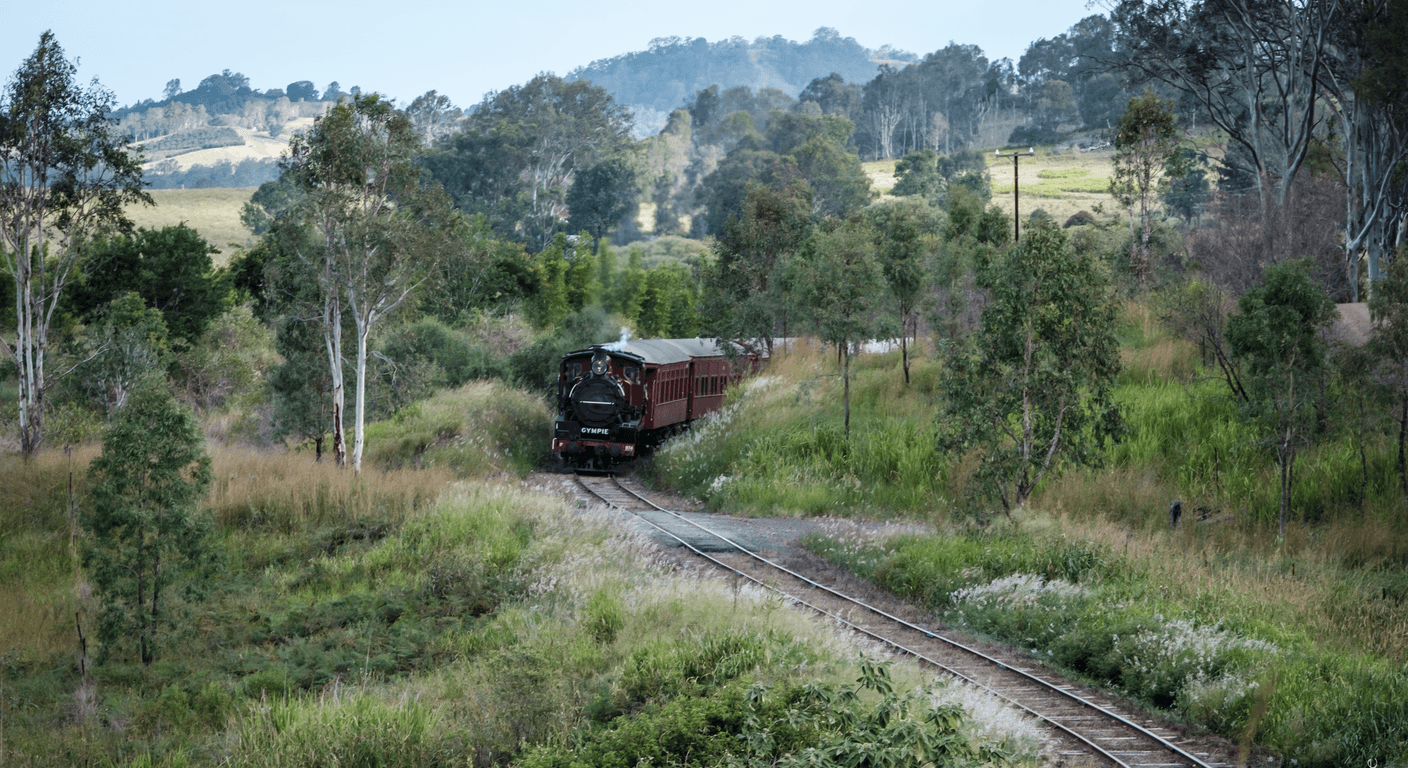
The cafes that have opened in recent years occupy heritage shopfronts and tend toward the kind of menus that reflect both the town's agricultural surroundings and the tastes of passing travellers who've been on the road since Gympie. Avocado features, as you'd expect this close to orchard country. The pacing is slower than a city espresso bar, which — for a group of friends who've been watching the kilometres tick over — is exactly what's needed.
For a friends group, the ideal approach is to split up briefly on arrival: one person finds a table at a cafe with verandah seating while others wander a block or two. Reconvene for lunch, then walk the street together after. It's an unhurried two hours that doesn't feel like you've been managed through an itinerary. That's the quiet skill of a town like this — it simply offers itself.
The Old Pharmacy Museum: a heritage detour worth the small fee
The Childers Old Pharmacy is one of those places that surprises you with how much is packed into a modest space. The building itself is among the most photographed on Churchill Street — its ornate pressed-tin facade and original signage have survived largely intact. Inside, the displays cover the history of the building as a working pharmacy and its role in the broader community life of early Childers.
Entry involves a small admission fee — indicative figures suggest a few dollars, but this is a community-run heritage operation and hours and pricing can change seasonally or with volunteer availability. Confirm current opening times directly with the Childers and Isis District Historical Society or via the Visit Bundaberg Region website before making it the centrepiece of your stop. That's not a deterrent — it's just the honest reality of volunteer-run heritage venues in small Queensland towns, and they're worth supporting.
The kind of traveller who finds the Old Pharmacy rewarding is one who enjoys reading the social history of a place through its objects — glass dispensing bottles, hand-lettered labels, the orderly world of a country chemist in an era before bulk billing and Chemist Warehouse. It rewards a slow look rather than a quick circuit.
Farm stalls and roadside produce: avocado country done properly
The roads approaching Childers from the south and east pass through some of Queensland's most productive avocado-growing country. Roadside stalls — some staffed, some honesty-box operations — offer fruit at prices that reflect the distance from the retail markup chain. A bag of avocados for a few dollars is the kind of travel souvenir that actually gets used. Seasonal produce varies; confirm what's available when you're passing through.
Macadamias also appear in this corridor, both raw and processed, and the sugar cane paddocks that dominate the landscape closer to Bundaberg give way to the more varied horticultural mix around Childers. If you're travelling with an esky — and most grey nomads and road-trippers in this part of Queensland are — a farm stall stop before or after Childers adds a layer of regional flavour to the day that no supermarket can replicate.
These stalls are not organised tourism product. They're working operations that sell surplus produce. Hours are unpredictable, stock depends on the season, and some disappear between visits. That unpredictability is part of the appeal — it's the agricultural region on its own terms, not curated for a tourist trail.
Getting there and getting around: the practical reality
Childers is on the Bruce Highway, approximately 60 kilometres south of Bundaberg and around 80 kilometres north of Maryborough. From Brisbane, it's a drive of roughly 3.5 hours without stops — realistic travel time with one break is closer to four hours. For those not driving, Greyhound Australia operates coach services along the Bruce Highway that stop at Childers; confirm current timetables and booking at greyhound.com.au. Queensland Rail's Tilt Train runs the Brisbane–Bundaberg corridor, but the nearest stations are Maryborough West and Bundaberg — onward road transport to Childers would be required.
Churchill Street itself is walkable end to end in twenty minutes at a comfortable pace. The slope is gentle — notable going south, easy coming back — and footpaths are well-maintained for a town of this size. There are no steep sections that would trouble travellers with moderate mobility considerations. Parking on the street is straightforward and free, which is its own small pleasure.
For those who prefer to stay rather than pass through, Childers has motel-style accommodation and a caravan park. Staying one night allows an early-morning walk of the main street before the highway traffic builds, which is a genuinely different experience to the midday stop. The town is quiet after dark — bring a book.
When to visit and what to expect from the weather
The Wide Bay hinterland has a subtropical climate with a pronounced wet season from December through March. The months from May to September are the reliable choice: temperatures sit in the low-to-mid 20s during the day, nights are cool but not cold, and the sky is the deep Queensland blue that makes everything look better than it probably deserves. October and November can work, but humidity begins to build and afternoon storms become a factor.
Summer visits are not impossible, but the heat and humidity along the Bruce Highway corridor in December and January are significant. If you're travelling north in summer, an early-morning Childers stop — before 10am — avoids the worst of the afternoon heat. The leopard trees provide reasonable shade on Churchill Street, but there's no substitute for timing.
For a group travelling from regional Victoria, the seasonal reversal is worth noting: when Melbourne is shivering through a grey July, Childers is in its absolute prime. That's a useful reminder that Queensland's inland country towns reward visiting during the months when staying home feels like an effort.
How to do Childers slowly: a suggested shape for the day
Arrive before noon if you're making it a lunch stop. Park on Churchill Street and walk the full length of the main street in one direction first — just observing, not shopping or stopping. Notice the facades, the trees, the relative quiet of a Queensland country town at mid-morning. Then double back and make choices: the bakery that smelled right on the way past, the cafe with the verandah table, the Old Pharmacy if it's open.
Lunch should take at least an hour. There's no value in rushing through a country bakery pie to get back on the highway fifteen minutes sooner. After lunch, the Old Pharmacy and a browse of any heritage shopfronts that have opened as small galleries or gift shops fills another thirty to forty-five minutes. Then — if you timed the approach well — a farm stall stop on the way out of town.
The whole shape of the day is around three to four hours, which is exactly the right length of a pause that refreshes rather than delays. For a friends group who've been travelling together for several days, a town that doesn't demand anything of you — just offers good food, interesting buildings and a gentle pace — is its own form of luxury.
Quick planning guide
| Ideal pace | Slow and unhurried — a deliberate pause, not a fuel stop |
|---|---|
| Best months | May to September (mild days, dry skies, leopard trees at their best) |
| Suggested stay | 3-4 hours for a lunch stop, or one night to catch an early-morning walk |
| Mobility level | Easy — gentle slope, well-maintained footpaths, no steep sections |
| Cost level | Budget-friendly (bakery lunch around $15-$20 per person) |
| Comfort level | Casual and relaxed, country-town pace |
| Best for | Road-trippers, grey nomads and friends groups travelling the Bruce Highway corridor |
| Main planning consideration | Confirm bakery prices, Old Pharmacy Museum hours and farm-stall stock on arrival, as these are small independent or volunteer-run operations |
Key takeaways
- Childers' National Trust-classified Churchill Street is one of Queensland's most intact examples of early-20th century country commercial architecture.
- A bakery lunch on the main street costs indicatively around $15–$20 per person — confirm current prices on arrival.
- The Old Pharmacy Museum charges a small admission fee and is community-run — confirm opening hours before visiting.
- Roadside farm stalls around Childers sell avocados and seasonal produce at prices that reflect orchard-country proximity rather than retail margins.
- The town is an Easy mobility rating: Churchill Street is gently sloping with well-maintained footpaths and no significant access barriers.
- May to September is the ideal window — mild days, dry skies and the leopard trees in their best condition.
Recommended partners and links
Indicative prices only — always confirm with the operator before booking.
Frequently asked questions
Is Childers worth stopping at on the Bruce Highway?
Yes — Childers offers a National Trust-classified main street, country bakeries, the Old Pharmacy Museum and farm stalls selling local produce. A proper stop of two to four hours is more rewarding than a fuel-and-go pause, and the town's gentle pace suits travellers who want a real break rather than a rushed one.
What are the best cafes and bakeries in Childers for a country lunch?
Childers has a small number of bakeries and cafes along Churchill Street offering pies, sausage rolls, slices and espresso coffee. Indicative lunch costs are around $15–$20 per person, though prices at independent businesses change — confirm on arrival. The produce reflects the surrounding avocado and macadamia farming region.
Is the Old Pharmacy Museum in Childers open to visitors?
The Old Pharmacy Museum on Churchill Street is a heritage building with displays on the history of pharmacy and community life in Childers. It charges a small admission fee and is community-run, so opening hours can vary seasonally. Confirm current hours via the Childers and Isis District Historical Society or the Visit Bundaberg Region website before visiting.
How accessible is Childers for travellers with mobility considerations?
Childers rates Easy for mobility. Churchill Street has a gentle slope and well-maintained footpaths. There are no significant accessibility barriers for travellers with moderate mobility considerations. Street parking is free and close to all main attractions. The walk end to end at a comfortable pace takes around twenty minutes.
What is the best time of year to visit Childers, Queensland?
May to September is the best time to visit Childers. Temperatures sit in the low-to-mid 20s, conditions are dry, and the weather is comfortable for walking the main street. The wet season (December to March) brings heat, humidity and afternoon storms. Summer visits are possible but an early-morning arrival is advisable to avoid the worst of the heat.