The Riesling Trail near Clare, South Australia, is a flat, sealed, free 35-kilometre path along a disused railway, ideal for walking, cycling or short stop-and-stroll visits. April to October offers the most comfortable conditions, avoiding summer heat. A full day covers the trail, the National Trust museum in Clare's old police station, and a heritage walk. Mobility is easy, with gentle gradients, though access requires a car — it's roughly 90 minutes from Adelaide with no direct train service.
Why the Riesling Trail Works So Well for Over-50 Travellers
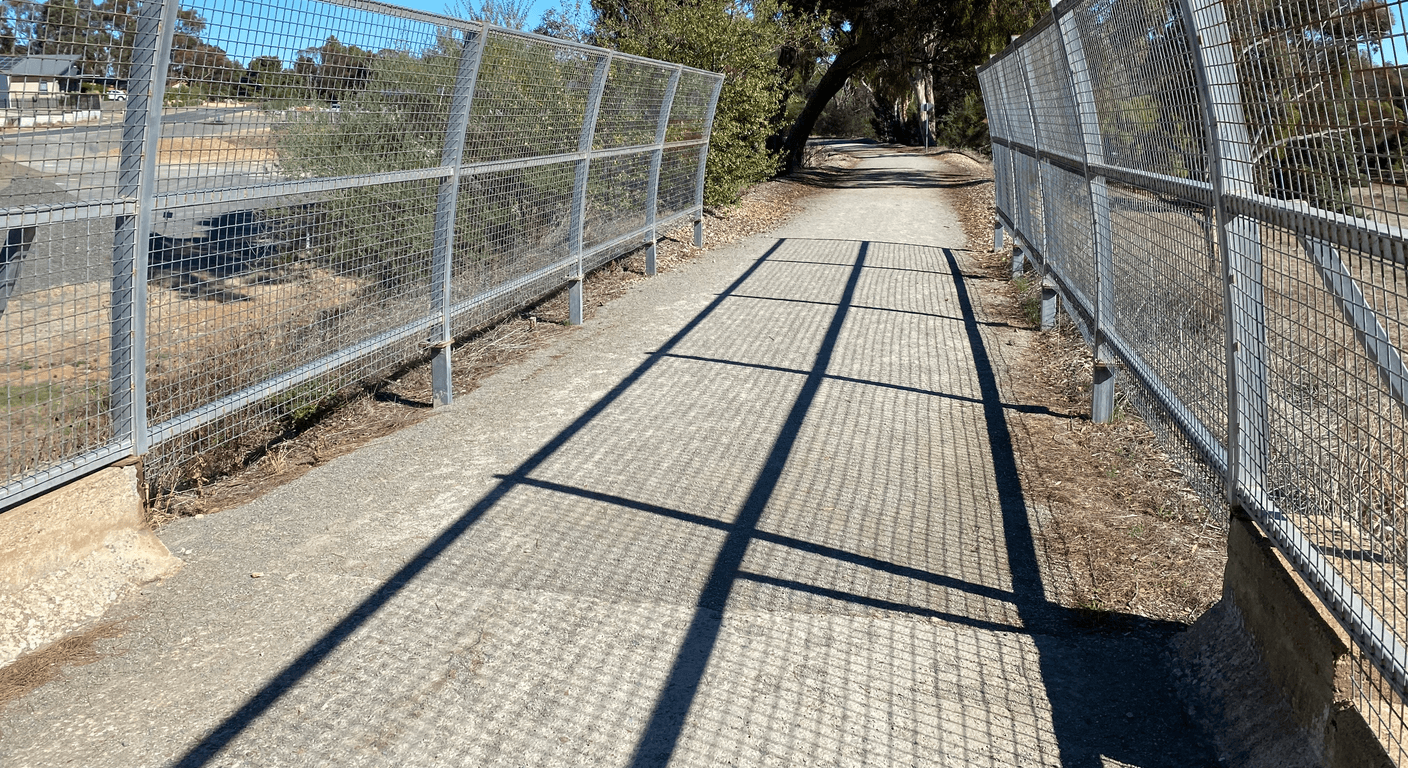
The Riesling Trail runs roughly 35 kilometres between Auburn in the south and Clare in the north, tracing the bed of a former Blyth-to-Riverton railway that closed in 1990. The surface is sealed — compressed limestone, smooth and even — so there's no rough terrain to negotiate. Gradients are gentle. You can walk it, cycle it, or simply drive to a section, step out, and stroll for twenty minutes before driving to the next stop. That flexibility is the whole point.
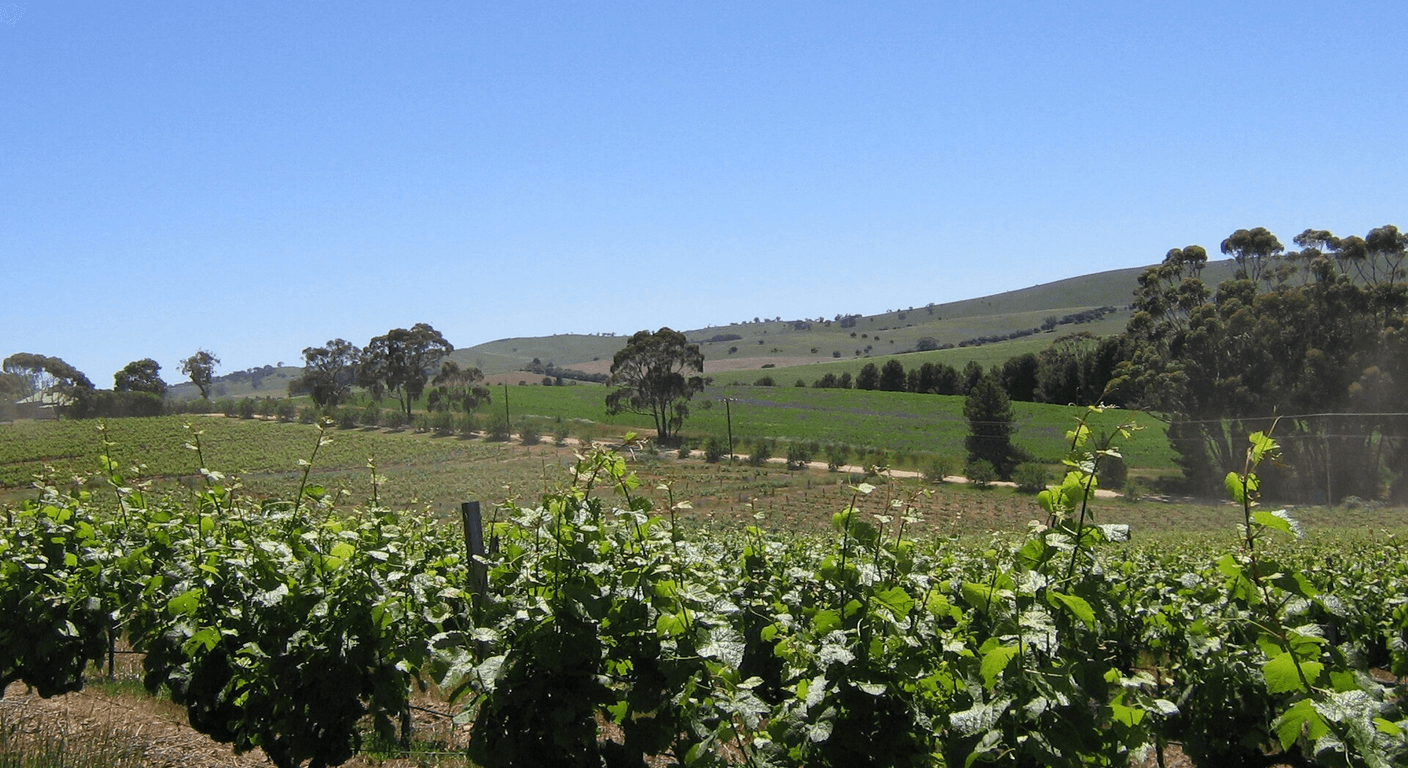
For travellers who've done the big-ticket wine regions and want something that moves at a different rhythm, this is it. The trail passes through open farmland, eucalypt corridors and working vineyards without requiring you to book anything, taste anything, or spend a cent on entry. It's genuinely free. You set the pace, and the valley obliges.
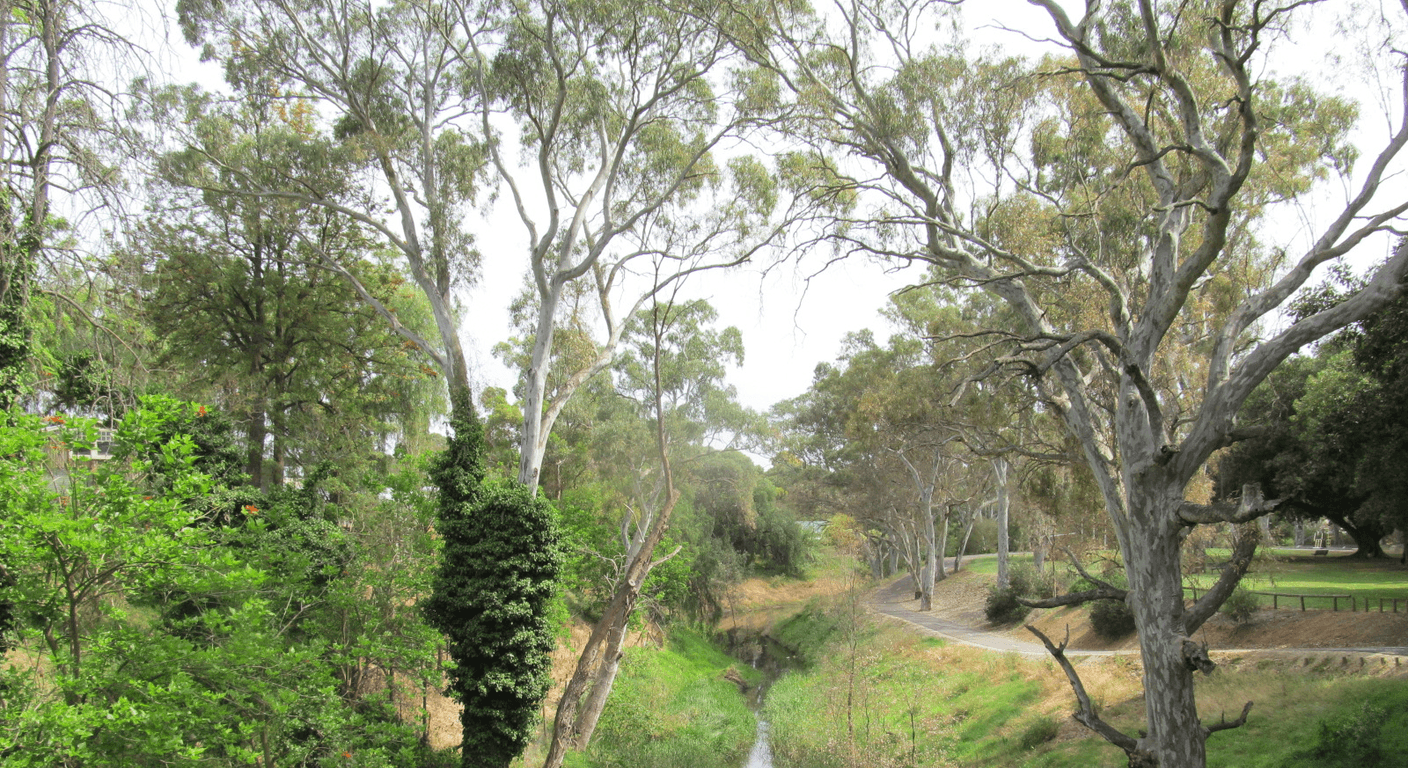
Shade varies by section — the stretch near Sevenhill and Watervale offers more tree cover, which matters in the warmer months. Rest benches appear at intervals, and several wineries sit close enough to the trail that a detour for a glass or a ploughman's lunch requires very little extra effort. That said, the trail rewards those who treat it as the main event, not a preamble.
Which Section Should You Walk or Ride First?
The most popular short section runs between Clare and Skillogalee Creek — manageable on foot in a couple of hours and scenic without being demanding. The Watervale to Clare stretch is slightly longer and passes through the valley's most photogenic vine country. For first-timers arriving by car, parking at the Clare township trailhead and heading south gives you an easy out-and-back with a clear turnaround point.
Cyclists covering more ground often ride the full Clare-to-Auburn route and arrange a return transfer, or bring two cars and leave one at each end. E-bikes have made the longer stretches accessible to a wider range of riders, and several hire operators now stock them — worth asking specifically when you call ahead. Confirm availability and cost before you arrive, because Clare is not a town where you can rely on last-minute arrangements on a busy weekend.
One detail that surprises many visitors: the trail passes through the grounds of Sevenhill Cellars, one of Australia's oldest continuously operating wineries, established by Jesuit missionaries in 1851. The cellar door is right there if you want it, but the historical weight of the place — the stone church, the underground cellars — is visible without buying a bottle. Worth a quiet look regardless.
Clare Township: The Heritage Walk and What It Actually Shows You
Clare's main street, Farrell Flat Road and the surrounding blocks, holds a modest but genuinely interesting collection of colonial-era stone buildings. The town was surveyed in 1842, and several original structures remain in use or in sympathetic preservation. A self-guided heritage walk brochure is available from the visitor information centre — it connects the dots between buildings that might otherwise read as pleasant but unremarkable stonework.
The standout on that walk is the old police station and courthouse complex on Main North Road, now operated as a museum by the National Trust. The building itself dates to the 1850s and has been carefully maintained. Inside, the collection covers Clare Valley pastoral history, the region's Irish and German settler communities, and the stories of the people — including Aboriginal Australians and women who rarely feature in the headline narratives — who shaped the district. Entry is priced modestly; confirm the current fee directly with the National Trust before you visit, as charges are updated periodically.
The walk takes around an hour at a comfortable pace, less if you skip the museum interior. Combined with a morning on the trail and lunch at one of the town's cafes or a winery dining room, it fills a day without any sense of rushing. That balance — enough to engage, not so much that you're counting your steps — is exactly what makes Clare a satisfying day trip rather than a tick-box exercise.
Getting to Clare from Adelaide: The Practical Reality
Clare sits around 130 kilometres north of Adelaide — roughly 90 minutes by car via the Main North Road or Horrocks Highway, depending on your starting point. The drive is straightforward, mostly two-lane country highway through rolling farmland. For travellers based in Melbourne, the most practical approach is to fly into Adelaide and hire a car, or combine Clare with a broader South Australian road trip.
There is no direct train service to Clare. Regional bus services do operate from Adelaide, but timetables are limited and won't suit a day trip unless you're happy with an early start and a late return. A car gives you the freedom the trail genuinely rewards — the ability to drive to a different trailhead mid-morning, stop at a farm gate stall, or linger over lunch without watching a clock.
If you're a grey nomad already moving through the region, Clare sits conveniently on the route between Adelaide and the Flinders Ranges. The town has good fuel, a supermarket, and several comfortable motels and B&Bs if you'd rather stay overnight and give yourself a slower second morning on the trail before heading north.
Comfort, Rest and Staying Well on the Trail
The trail is sealed and flat, but sun exposure is real, particularly between November and March. A wide-brimmed hat, sunscreen and a water bottle are non-negotiable — there are no kiosks on the trail itself, so carry more water than you think you'll need. The Clare Valley's altitude (around 400 metres above sea level) keeps temperatures cooler than the Adelaide plains, but midday in January is still hot. April through October is the sweet spot.
Footwear matters more than people expect on a limestone path. Comfortable walking shoes with a modest sole are fine; thongs are not. If you're cycling, padded shorts and a properly adjusted saddle make a significant difference on anything beyond a short section. Bike hire operators can usually assist with saddle height — don't be shy about asking.
Rest stops with seating exist along the trail, and several wineries positioned near the path offer shaded outdoor areas. Sevenhill Cellars and Skillogalee Winery both have dining options worth considering for a long lunch. Booking ahead for lunch, particularly on weekends and during vintage season (roughly February to April), is sensible.
What the Valley Looks Like Through the Seasons
The Clare Valley changes markedly through the year, and the trail experience shifts with it. Autumn — March through May — brings golden vine foliage and the lingering warmth of harvest. It's also when the valley is busiest, so accommodation books up and cellar doors can feel pressed. Winter is quieter, cooler, and the valley takes on a stripped-back clarity: bare vines, green paddocks, low morning mist. Not everyone's preference, but for those who like a destination without the crowds, June and July have real appeal.
Spring, particularly September and October, is when the valley is at its most quietly lovely — blossom on the fruit trees, new growth on the vines, and reliable mild temperatures. It's an underrated window for a day trip, and the trail is rarely crowded mid-week. For travellers coming from Melbourne specifically, the added cost of a flight to Adelaide is the main consideration; timing the trip to avoid school holiday peaks makes a noticeable difference to both price and atmosphere.
A Note on Travelling Well in a Wine Region Without Wine
It's worth saying plainly: the Clare Valley is one of Australia's most respected riesling regions, and you can spend a very enjoyable day there without visiting a single cellar door. The trail, the museum, the heritage walk, and a good lunch in a café or winery dining room (where you can order food without wine, quietly and without any social awkwardness) make for a full and satisfying day. The region doesn't require you to drink to belong to it.
For travellers managing medications or health conditions where alcohol is a consideration, or who simply prefer not to drink, the valley's non-wine offerings are substantial. The Riesling Trail was designed as a recreational corridor, not a wine route with a walking path attached. That distinction is easy to lose in the marketing, but it's real — and it's why the trail works so well as the centrepiece of a day that has nothing to do with cellar doors at all.
Quick planning guide
| Ideal pace | Slow-paced and self-directed — walk, cycle or drive between short sections |
|---|---|
| Best months | April to October, avoiding the summer heat of November to March |
| Suggested stay | A full day; an overnight stay allows a slower second morning on the trail |
| Mobility level | Easy — flat, sealed limestone surface with gentle gradients |
| Cost level | Budget-friendly — the trail is free, with only a modest museum entry fee |
| Comfort level | Comfortable, with rest benches and some shaded sections, though sun exposure requires preparation |
| Best for | Over-50 travellers wanting a low-impact day that doesn't centre on wine tasting |
| Main planning consideration | No direct train service — a car is needed, and lunch bookings are wise in peak season |
Key takeaways
- The Riesling Trail is a flat, sealed, free-to-use path — no cellar door visit, booking or entry fee required.
- Clare is around 90 minutes by car from Adelaide; a private vehicle is the most practical way to access the trail and town.
- The old police station and courthouse museum is run by the National Trust — confirm the current entry fee before visiting.
- April to November offers the most comfortable conditions on the trail; summer heat is a genuine deterrent.
- E-bikes are available from local hire operators and extend the trail's reach for those who want to cover more ground with less effort.
- The Clare Valley heritage walk and Riesling Trail together fill a relaxed full day without requiring a wine purchase or an early start.
Recommended partners and links
Indicative prices only — always confirm with the operator before booking.
Frequently asked questions
Is the Riesling Trail suitable for older walkers who don't cycle?
Yes. The Riesling Trail is a flat, sealed limestone path with no significant gradients. Walkers can choose any short section — even 30 to 60 minutes out and back — and the surface is stable underfoot. Comfortable walking shoes are sufficient; no specialised footwear or fitness level is required.
Do you have to visit wineries to enjoy the Riesling Trail?
No. The trail is a free public recreational path along a former railway corridor. Wineries sit near but not on the trail, and stopping at them is entirely optional. Many walkers and cyclists complete the trail without visiting a cellar door at all.
How much does it cost to enter the Clare Valley Museum at the old police station?
The National Trust museum in Clare's former police station and courthouse charges a modest entry fee. The exact amount changes periodically, so confirm the current price directly with the National Trust of South Australia before your visit at nationaltrust.org.au/sa.
Can you get to Clare without a car?
Regional bus services run between Adelaide and Clare, but timetables are limited and won't suit a comfortable day trip for most travellers. A hire car from Adelaide is the most practical option and gives you the flexibility to choose different trail sections and stop at your own pace.
What is the best time of year to walk the Riesling Trail?
April through November offers the most pleasant conditions — mild temperatures, manageable sun, and active vine growth. December through February can be very hot, and the exposed sections of the trail offer limited shade. September and October are particularly good for uncrowded, comfortable walking.