Coach touring for over-50s Australians spans large budget-group circuits to premium small-group journeys, so the best choice depends on pace and inclusions, not brand name. Grand Pacific Tours suits New Zealand's relaxed rail-coach routes, best in gentler months like October; AAT Kings and APT cover Australian routes, best avoided in peak heat. Tours run one to two weeks, with mobility demands easy to moderate. European departures need 20-plus-hour flights, so a recovery night is sensible.
Why coach touring still makes sense at 69 — and how to choose well
There's a particular kind of freedom that comes with handing the logistics to someone else. No rental car stress on unfamiliar roads, no hauling bags between platforms, no standing in a queue trying to decode a foreign ticketing machine. For a solo traveller in his late sixties, a well-chosen coach tour removes the friction without removing the experience.
The catch is that 'coach tour' covers an enormous range of products. A 52-seat bus moving at pace through six countries in ten days is a fundamentally different thing from a small-group premium journey with a naturalist guide and a room upgrade waiting at the end of it. Both are marketed to the same demographic. Knowing the difference before you book is what this guide is for.
This site receives no commissions from any of the operators named here. The comparisons below are based on publicly available brand positioning, itinerary structures and inclusions as operators present them. Prices are indicative only — always confirm current costs, availability and solo-supplement policies directly with each operator before committing.
AAT Kings: the reliable all-rounder for Australian and New Zealand touring
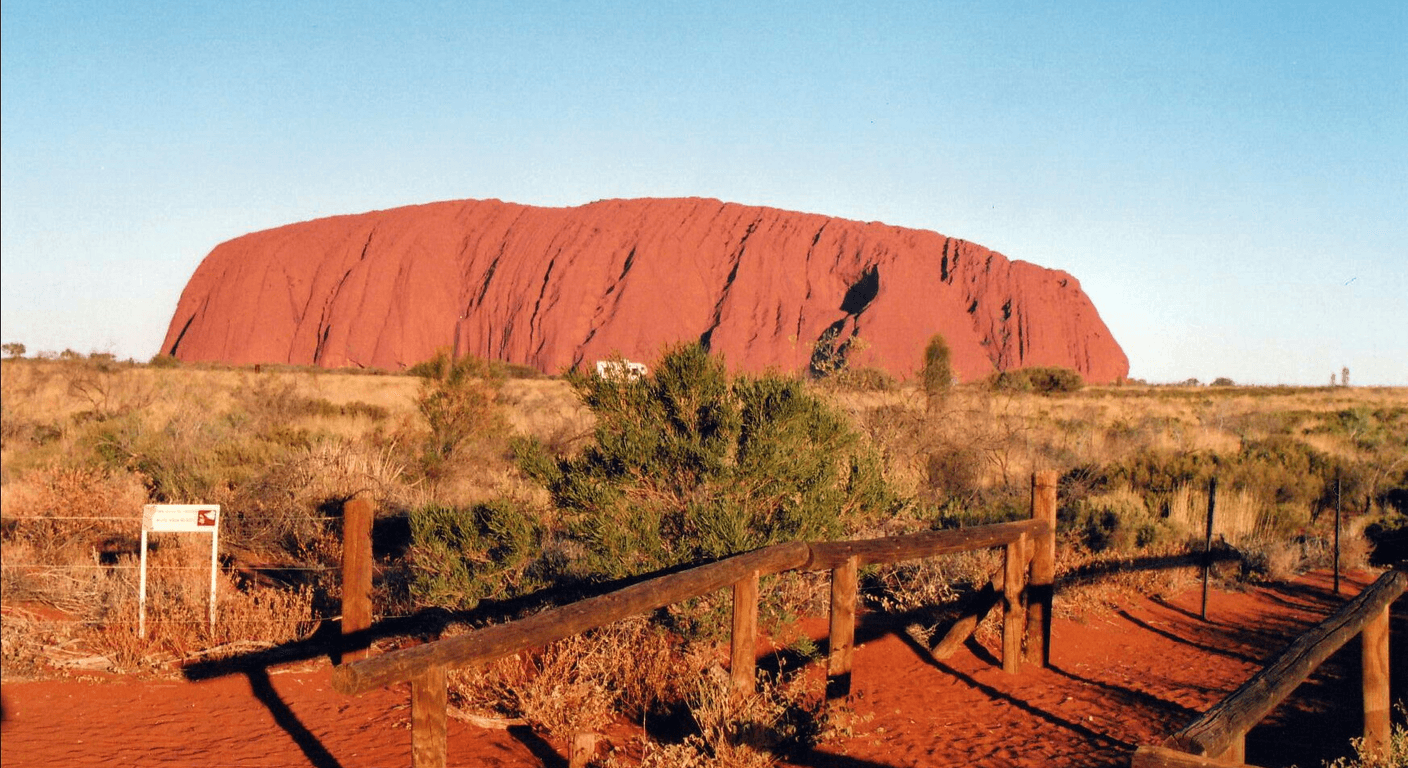
AAT Kings is arguably the best-known Australian coach touring brand, and its strength lies in the breadth of its domestic network. It runs itineraries across every Australian state and territory, including routes into the outback and the Top End that would be genuinely difficult — and potentially unsafe — to self-drive solo. The Uluru and Kakadu circuits, in particular, are routes where having an experienced guide matters.
Group sizes on standard AAT Kings departures can be on the larger side — up to around 40 passengers on some tours — which suits travellers who enjoy a social atmosphere but may feel impersonal for those who prefer a quieter journey. The pace is generally moderate: a mix of included sightseeing, some free time, and comfortable hotel accommodation. Meals are partially included on most tours, not fully, so budget accordingly.
For a solo male traveller, the solo-supplement situation is worth investigating carefully. AAT Kings has historically offered some room-share options to reduce the solo premium, but availability varies by departure. The brand positions itself as accessible and well-organised rather than luxury — think reliable 4-star rather than aspirational 5-star. Confirm current solo-supplement policies and 2026 departure dates at aatkings.com.
Trafalgar: structured touring with a broad international reach
Trafalgar is part of the Travel Corporation group and positions itself as a mid-to-premium international touring brand with a strong European program. For Australians, the appeal is obvious: Trafalgar handles the considerable complexity of multi-country European travel — border crossings, hotel check-ins, local guides, dining reservations — so you arrive in London or Rome and simply follow the plan.
The group sizes are worth noting. Standard Trafalgar coaches carry up to 52 passengers, which is one of the larger configurations in this comparison. That's not necessarily a problem — many travellers actively enjoy the social mix — but if you're hoping for intimate conversation with your guide or flexibility to linger somewhere interesting, a large group has its limits. The 'Be My Guest' experiences Trafalgar includes on many itineraries — meals in private homes or family estates — are a genuine differentiator and tend to be genuinely memorable rather than performative.
Trafalgar also runs a 'Costsaver' range for more budget-conscious travellers and has a dedicated solo traveller program with guaranteed room-share matching on select departures, which can meaningfully reduce costs. For Australian travellers, factor in the long-haul flight reality: a European tour typically means a flight of 20-plus hours with at least one stopover, and building in a recovery night before joining the group is genuinely sensible rather than optional. See trafalgar.com/aus for current Australian-market itineraries.
Grand Pacific Tours: New Zealand by rail and coach, done properly
Grand Pacific Tours occupies a specific and well-defined niche: it combines New Zealand's scenic rail journeys — the Northern Explorer, the TranzAlpine, the Coastal Pacific — with coach travel and accommodation into fully packaged itineraries. For anyone who's wanted to see New Zealand without driving on the left on unfamiliar mountain roads, this is a logical solution.
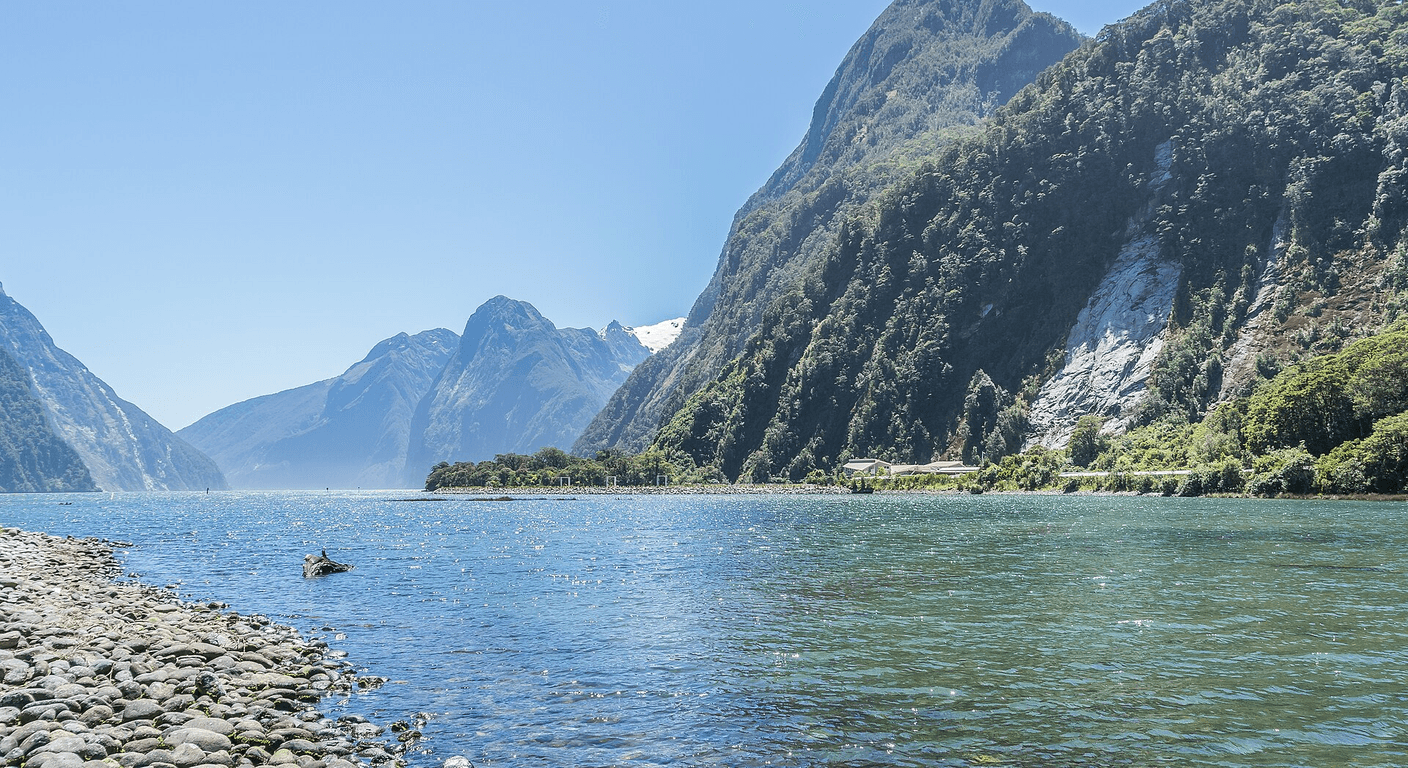
The group sizes tend to be smaller than the large international operators, and the pace is genuinely relaxed. New Zealand touring doesn't demand the relentless momentum of a ten-country European circuit; Grand Pacific's itineraries reflect that, building in time to actually absorb Milford Sound or the Marlborough wine country rather than photograph it from a moving window. The rail component is a genuine experience rather than a novelty — the TranzAlpine crossing of the Southern Alps, for instance, is one of the more quietly spectacular rail journeys in the southern hemisphere.
For a solo traveller, New Zealand is also a reassuring destination: English-speaking, compact, with excellent medical facilities, and close enough to Australia that the flight (roughly 3–4 hours from Melbourne) doesn't require major recovery time. Grand Pacific Tours' inclusions are generally strong — most meals, rail passes and accommodation are bundled — which makes budgeting more straightforward than tours where meals are largely at your own expense. Confirm current packages and solo pricing at grandpacifictours.com.
Fun Over 50 Holidays: the brand built specifically for this demographic
Fun Over 50 Holidays is an Australian operator that makes no pretence of serving a broad market — the name does exactly what it says. The brand positions itself around social travel for over-50s, with an emphasis on group camaraderie, accessible pacing and a generally informal atmosphere. For solo travellers especially, the social design of the product is deliberate: you're travelling with people who are, by definition, at a similar life stage.
The itineraries tend to be Australian-focused, with some international extensions. Group sizes are typically smaller than the major international brands, and the pace is on the relaxed side — which suits travellers who want to enjoy a destination rather than tick it off. The style is less polished than APT and less internationally ambitious than Trafalgar, but that's not a criticism. It's a different product for a different kind of traveller: someone who values easy company and a low-stress environment over prestige inclusions.
The honest caveat is that 'fun' is subjective, and the group dynamic on any given departure will vary. Reading the detailed itinerary and understanding what's included versus at your own expense is important — as it is with any tour. Solo supplements and room-share policies are worth confirming directly. Visit the operator's site to review current Australian departures and pricing; search for Fun Over 50 Holidays or confirm the current URL before booking, as smaller operators occasionally update their web presence.
APT's coach products: premium all-inclusive touring for those who want the full package
Australian Pacific Touring — APT — sits at the premium end of this comparison. The brand is best known internationally for its river cruising program, but its coach touring product follows the same philosophy: high inclusions, smaller groups, and an emphasis on quality over quantity. On an APT coach tour, most meals, local guides, entrance fees and selected experiences are typically included in the upfront price, which simplifies budgeting considerably even if the initial cost is higher.
Group sizes on APT coach tours are generally smaller than the large international operators, and the guiding tends to be more in-depth. The pace is measured — APT's itineraries are not designed for travellers who want to cover maximum ground in minimum time. For a solo traveller in his late sixties who values quality over social volume, the APT style often resonates: fewer people on the bus, better hotels, and guides who know the destination rather than simply the route.
The solo-supplement question is relevant here too. Premium brands tend to carry a more substantial solo supplement, though APT has historically run solo-specific promotions on select departures. Travel insurance is worth particular attention at this price point — and for any traveller over 60, ensuring that a policy covers pre-existing conditions is not optional detail. APT's domestic Australian tours, particularly in the Kimberley and along the Great Ocean Road corridor, are among its stronger coach offerings. See aptouring.com.au for current itineraries and pricing.
How to actually decide: five questions worth asking before you book
Brand reputation is a starting point, not a decision. The more useful exercise is to match the product to how you actually travel. Start with group size: do you thrive in a social crowd of 40-plus, or does a smaller group of 20 suit you better? Then look at pace — count the number of locations visited per day, not just the headline destinations. A tour visiting four cities in seven days is a different physical experience from one that stays two nights in each place.
Inclusions deserve careful reading. 'Most meals included' and 'all meals included' are meaningfully different over a 14-day tour, both for budget and for flexibility. Some travellers prefer the freedom of choosing their own dinner; others find it exhausting after a long day. Neither preference is wrong. Solo supplements vary widely — from a modest room-share arrangement to a full double-room rate charged to a single traveller — and should be confirmed in writing before you commit.
Finally, think honestly about the destination and the physical demands it places on you. A Kakadu tour in the Top End in April involves heat, uneven terrain and early starts. A New Zealand rail-and-coach tour in October is considerably gentler. Neither AAT Kings nor APT will refuse to sell you a tour that's beyond your comfort zone — that judgment is yours to make. If there's any uncertainty about a specific route's accessibility, call the operator directly and ask specific questions about daily walking distances and terrain.
Quick planning guide
| Ideal pace | Varies by brand — from relaxed to moderate, matched to traveller preference |
|---|---|
| Best months | Shoulder-season months (e.g. October for New Zealand) are gentler; peak heat is best avoided on outback and Top End routes |
| Suggested stay | Typically one to two weeks, depending on itinerary |
| Mobility level | Easy to moderate, depending on destination, terrain and daily walking distances |
| Cost level | Budget to premium, depending on the operator chosen |
| Comfort level | Reliable 3–4 star through to all-inclusive premium, depending on brand |
| Best for | Over-50s and solo travellers who want logistics handled without self-driving unfamiliar or remote roads |
| Main planning consideration | Match group size, daily pace and meal inclusions to how you actually like to travel, rather than choosing by brand name alone |
Key takeaways
- Group size matters more than brand name — smaller groups mean more guide access and a quieter pace.
- Solo supplements vary significantly across brands; always confirm the exact figure in writing before booking.
- AAT Kings covers the broadest range of Australian domestic routes, including remote outback circuits.
- APT positions itself as the premium all-inclusive option, with smaller groups and higher upfront costs.
- Grand Pacific Tours is the clearest choice for New Zealand rail-and-coach travel from Australia.
- Building a recovery night into any long-haul international tour departure is practical planning, not excessive caution.
Recommended partners and links
Indicative prices only — always confirm with the operator before booking.
Frequently asked questions
Which Australian coach tour brand is best for solo travellers over 50?
There's no single answer — it depends on your priorities. Fun Over 50 Holidays designs its product explicitly around solo social travel for over-50s. Trafalgar offers a guaranteed room-share program on select departures to reduce solo supplements. APT and Grand Pacific Tours tend to have smaller group sizes, which some solo travellers prefer. Compare solo-supplement policies directly with each operator before booking, as these change by departure and season.
What is the difference between AAT Kings and APT coach tours?
AAT Kings is a broad-market Australian operator with a wide domestic network and group sizes of up to around 40 passengers; it positions itself as reliable and accessible rather than luxury. APT is a premium brand with smaller groups, higher meal and experience inclusions, and a higher price point. AAT Kings suits travellers who want solid, well-organised touring at a mid-range cost; APT suits those who want a more curated, all-inclusive experience and are willing to pay for it.
Are coach tours physically demanding for travellers in their late 60s?
It depends on the itinerary. A New Zealand rail-and-coach tour with Grand Pacific Tours is generally low-impact. An outback Australia circuit with AAT Kings may involve heat, uneven ground and early starts. European tours with Trafalgar or APT vary by route — city-based itineraries are generally manageable; alpine or active-focus tours require more fitness. Read the daily itinerary detail carefully and call the operator to ask about specific walking distances and terrain before booking.
Do Australian coach tour operators cater for travellers with pre-existing medical conditions?
Operators do not provide medical screening, but reputable brands will note accessibility limitations in their itinerary detail. The more pressing issue for travellers with pre-existing conditions is travel insurance — standard policies may exclude pre-existing conditions unless declared and covered at an additional premium. Arrange comprehensive travel insurance, disclose all conditions honestly, and confirm that your policy covers medical evacuation. This applies to both domestic and international tours.
How far in advance should you book a coach tour in Australia?
Popular Australian departures — particularly outback circuits and New Zealand tours in peak season — can fill several months in advance. As a general guide, booking 3–6 months ahead gives the best choice of departure dates and, on some brands, access to early-payment discounts. That said, last-minute availability does occur. Confirm current availability and deposit terms directly with the operator rather than assuming either urgency or availability.