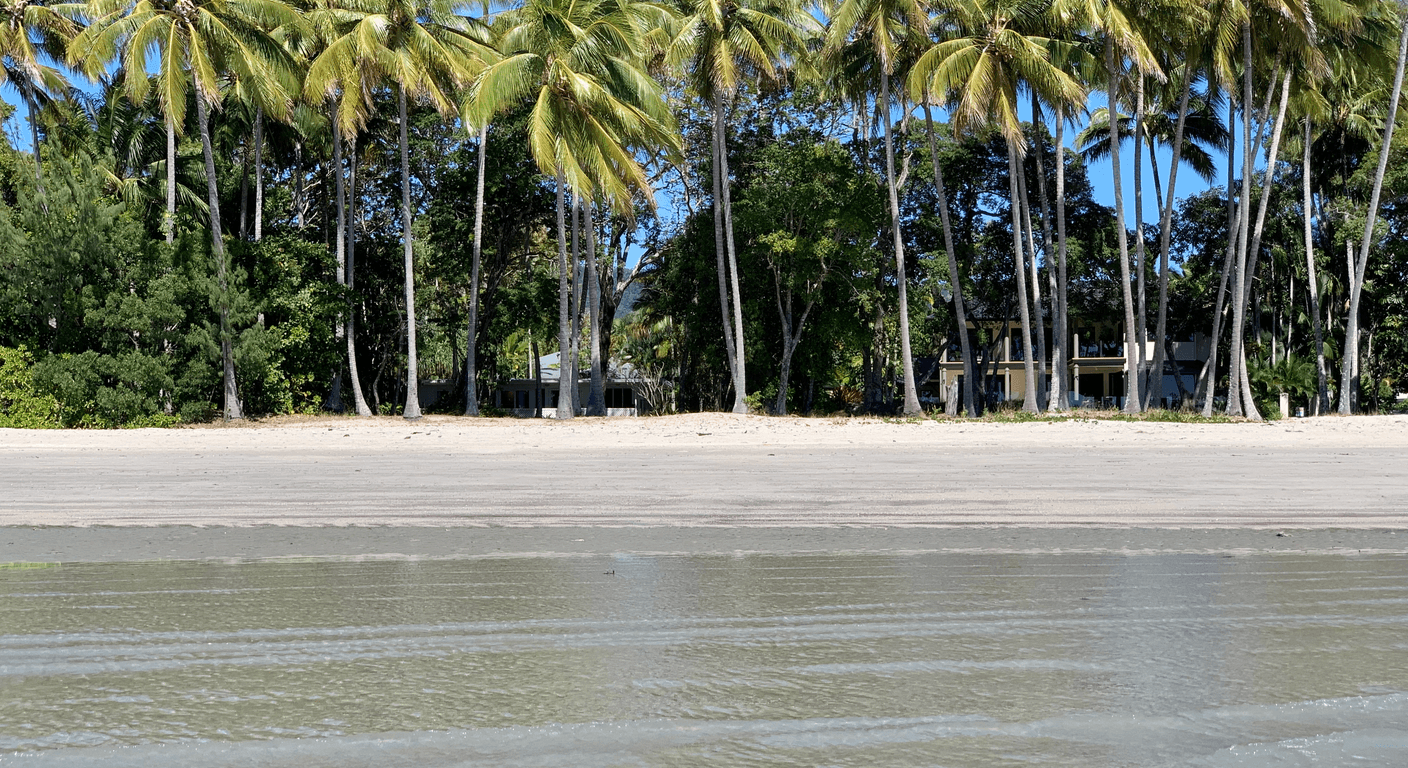
Cooktown sits at the end of Queensland's sealed Mulligan Highway, about four hours north of Cairns by hire car. The dry season, May to October, is the only reliable time to visit, when roads are safe and weather calm. Three to four nights suit its slow pace, centred on the James Cook Museum, Grassy Hill's lookout and the Endeavour River esplanade. Mobility is easy on flat town streets, though a car helps reach Grassy Hill.
Why Cooktown suits a slower, more considered kind of trip
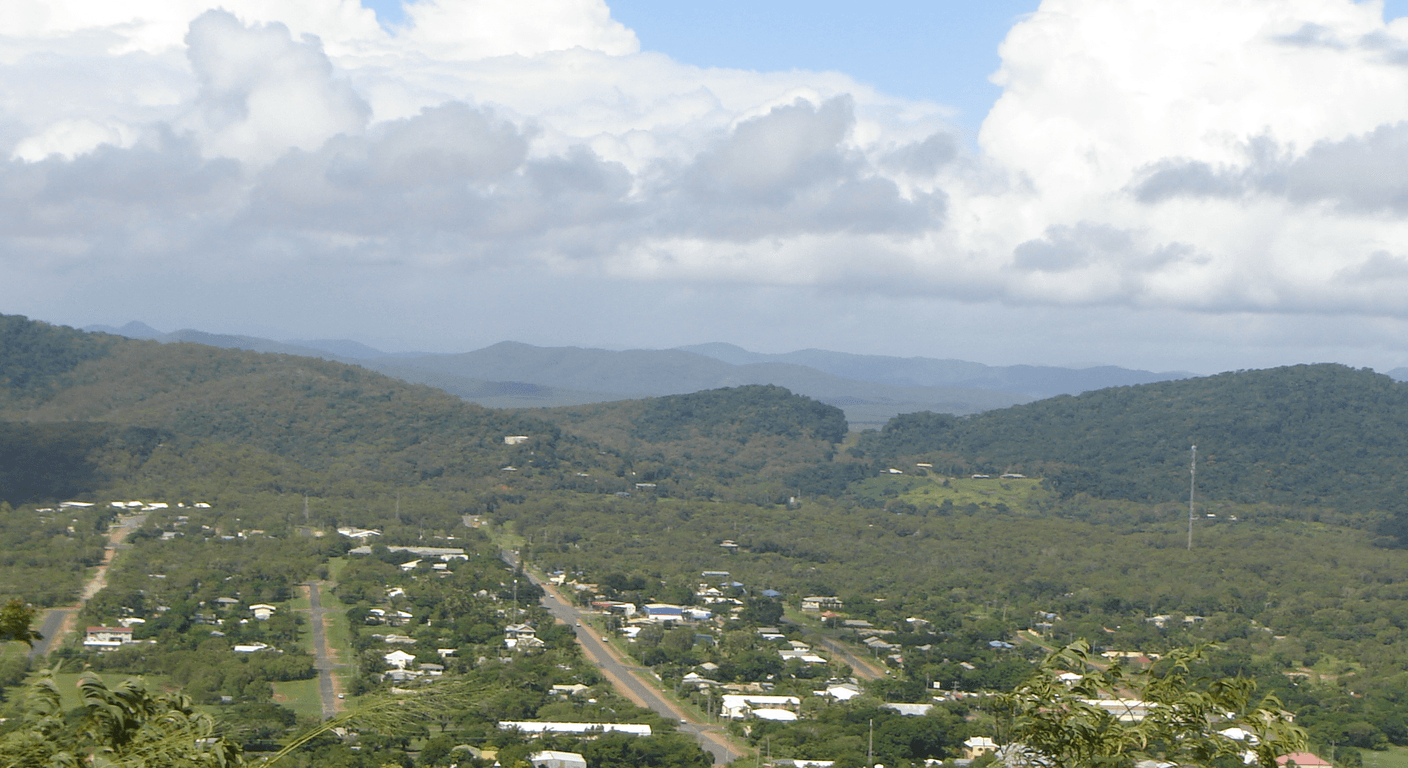
Cooktown has a population of roughly 2,500 people and a main street that takes about ten minutes to walk end to end. That is not a drawback — it is precisely the point. For a traveller who has spent decades navigating busy cities and crowded itineraries, arriving somewhere this unhurried feels like a recalibration. The light here is different too: flatter, broader, the kind that comes with open savannah country and the absence of tall buildings.
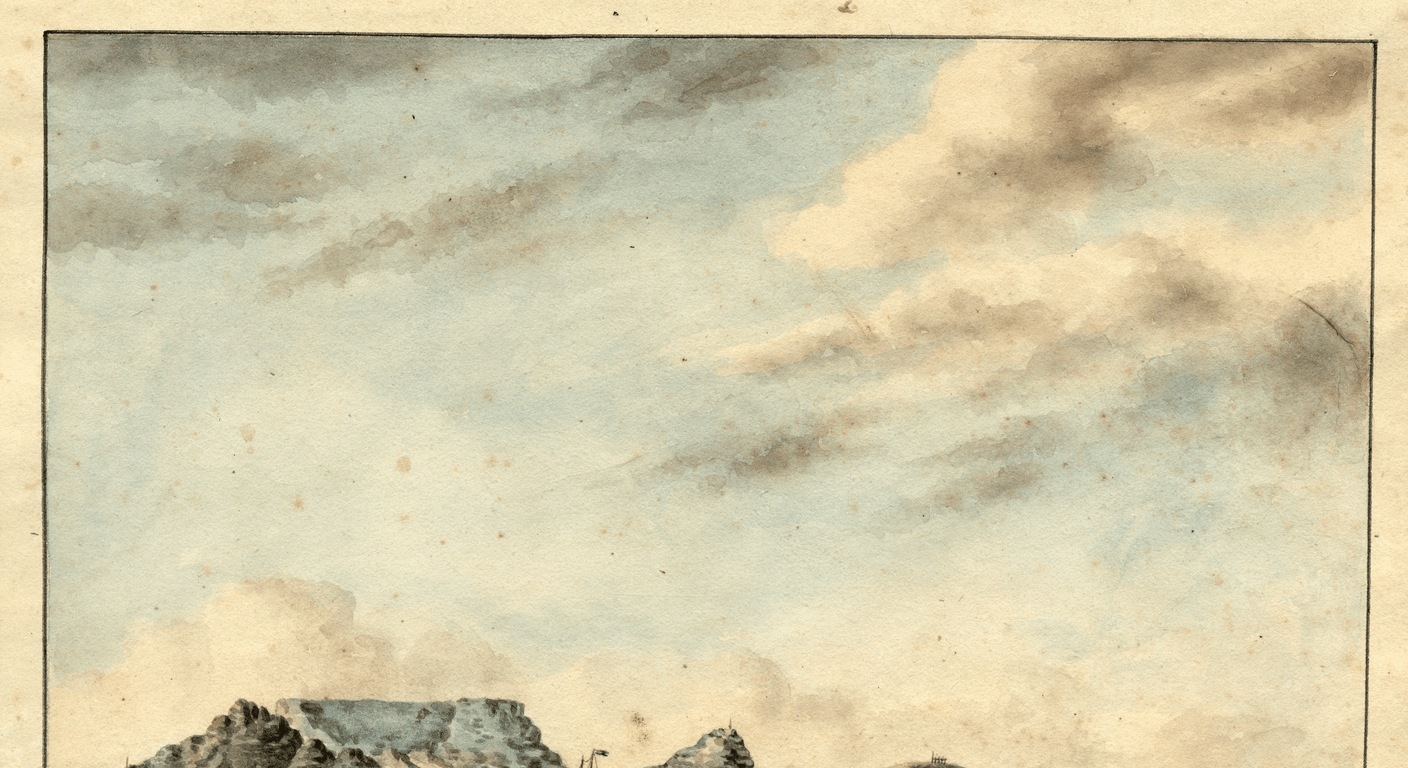
The town sits on the Endeavour River, named by Cook himself after the ship he limped in with in June 1770, having struck a reef on what is now called the Great Barrier Reef. He stayed for 48 days while the Endeavour was repaired. That encounter with the Guugu Yimithirr people, and the repairs to the ship, are central to what Cooktown is and how it presents itself. The history is not sanitised — the museum handles both the colonial and the First Nations perspectives with more care than many regional institutions manage.
The town is small enough that a solo traveller does not feel isolated or invisible. The main street, Charlotte Street, has a handful of cafes, a pub, a supermarket, and accommodation ranging from a caravan park by the river to a small number of guesthouses and motels. Locals are accustomed to visitors arriving independently and are, by most accounts, matter-of-fact and welcoming — particularly toward travellers who are clearly there for the history and landscape rather than a quick tick on a list.
When to go: the dry season is non-negotiable
Cooktown's climate divides the year firmly into two seasons. The wet season, roughly November through April, brings monsoonal rain, high humidity, and roads that can become impassable even on the sealed highway due to flooding at creek crossings. The dry season, May through October, is when the town properly opens up: temperatures sit in the mid-20s during the day, nights are cool enough for a light jacket, and the sky is reliably clear. For a traveller from Victoria who is used to changeable weather, the dry season here feels almost theatrical in its consistency.
May and June are particularly good months — the landscape is still green from the wet, the tourist season is not yet at its peak, and the heat is manageable. July and August bring more visitors and slightly cooler nights. September and October are drier and warmer, with the landscape browning off, but the light in those months is golden and the days are long. Avoid planning this trip outside May to October unless you have checked conditions very carefully and have contingency plans.
The dry season also matters for wildlife reasons. Crocodiles are present in the Endeavour River year-round, but wet season flooding can bring them into unexpected places. In the dry season, the river levels are lower and more predictable, which makes croc-wise behaviour easier to practise consistently. More on that below.
Getting there: the Mulligan Highway drive from Cairns
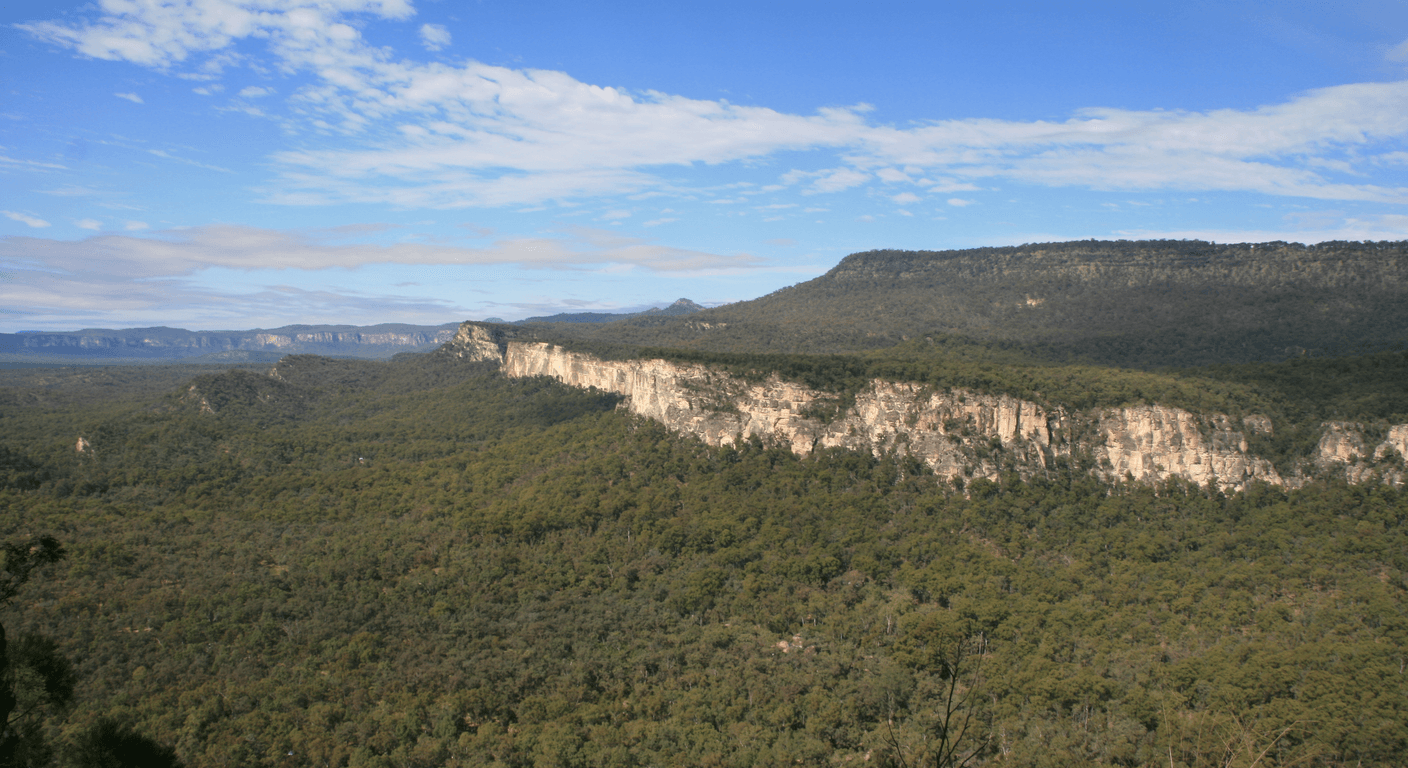
The Mulligan Highway — also called the Peninsula Developmental Road for much of its length — connects Cairns to Cooktown via the inland route through Mareeba and Mount Carbine. The distance is around 330 kilometres and the drive takes roughly four hours in a standard hire car, assuming no stops. The road is fully sealed and manageable for any competent driver in a 2WD vehicle. There is a coastal route via the Bloomfield Track, but that road is unsealed, requires a 4WD, and is not recommended for solo travellers unfamiliar with remote driving.
Fuel is the critical planning point on this drive. Mareeba, about an hour from Cairns, is the last reliable fuel stop before Cooktown. Mount Carbine has a roadhouse that may have fuel, but opening hours are variable and stock is not guaranteed — do not rely on it. Fill the tank in Mareeba and carry extra water for the car and for yourself. The country between Mareeba and Cooktown is beautiful but genuinely remote: mobile coverage is patchy, roadside assistance takes time, and other vehicles are infrequent once you leave the main tourist corridor.
Hiring a car in Cairns is straightforward, and the major hire companies operate from Cairns Airport. Confirm with the hire company that the vehicle is permitted on the Mulligan Highway — most standard cars are, but it is worth asking explicitly. If driving is not preferred, there are occasional small-group tour operators running day trips or overnight tours from Cairns to Cooktown, which can suit a traveller who would rather not manage the drive solo. Check Tourism Tropical North Queensland's website for current operators.
The James Cook Museum: the best regional history museum you may not have heard of
The James Cook Museum is housed in a former convent built in 1888 — a substantial stone building on Helen Street that gives the exhibits a sense of permanence and weight. The collection covers Cook's 1770 voyage and the Endeavour's repairs on the river, but it also addresses the Guugu Yimithirr people's presence in and ownership of this country, and the later colonial history of the region including the gold rush era and the role of the river as a supply route. It is the kind of museum that rewards slow looking rather than a quick circuit.
Among the exhibits is a significant cannon and anchor recovered from the Endeavour — genuine artefacts from the voyage, not reproductions. There is also a collection of items relating to the broader history of Far North Queensland that gives context to the town's position as a frontier settlement. The building itself is worth attention: the convent architecture, the high ceilings, and the garden setting make the visit comfortable even on a warm day.
Opening hours and entry prices should be confirmed directly with the museum before visiting, as hours vary seasonally and the museum may have limited days of operation outside peak dry season months. Indicative adult entry has been in the range of around $15 to $20 AUD, but verify current pricing when you plan your trip. Allow at least 90 minutes, and more if you read everything — the interpretive text is well written and does not talk down to the visitor.
Grassy Hill and the botanic gardens: two easy half-days
Grassy Hill sits at the edge of town and can be reached by a sealed road that winds to the summit. The lookout at the top is where Cook himself climbed to survey the reef system and find a passage out to open sea. On a clear dry-season evening, the view takes in the Endeavour River, the town below, the reef offshore, and a horizon that seems to go on longer than it should. It is a good place to sit quietly for a while. The road to the top is drivable in a standard vehicle; the walk up the final path is short and relatively gentle, though uneven underfoot in places — sensible shoes are sufficient.
Sunset from Grassy Hill is particularly worth timing a visit around. The light shifts through orange and deep red over the river flats, and the town below goes quiet as it cools. There is no cafe or facility at the summit, so bring water and, if the evening is cool, a layer. It is a popular spot with locals as well as visitors, which means you are unlikely to be the only person there — a reassurance for a solo traveller at dusk.
The Cooktown Botanic Gardens, established in 1878, are a short walk or drive from the town centre. They are not manicured in a formal sense — the tropical setting means things grow freely — but there are good interpretive signs about the plants, including species with significance to the Guugu Yimithirr people. The gardens are flat and easy to walk, with shade from mature trees. Morning is the best time to visit before the day heats up. Entry is free, and the gardens are generally open during daylight hours — confirm current arrangements locally.
Croc-wise behaviour near the Endeavour River
Saltwater crocodiles are present in the Endeavour River and in waterways throughout the region. This is not a reason to avoid Cooktown, but it does require straightforward behavioural adjustments that become second nature quickly. The core rules: do not swim in, stand at the edge of, or wade into the river or any connected waterway. Do not clean fish or dispose of food scraps near the water. Keep a sensible distance from the riverbank, particularly at dawn and dusk when crocodiles are more active. These are not precautions for dramatic effect — they are standard practice in tropical Queensland.
Warning signs are posted at river access points and are worth reading. The esplanade along the river is pleasant for walking and is used regularly by locals; staying on the path and away from the water's edge is the straightforward approach. For a traveller who has not spent time in crocodile country before, a brief conversation with accommodation staff or the local visitor information centre will give current, local guidance. Queensland Parks and Wildlife also publishes crocodile safety information online.
The presence of crocodiles does not diminish the river as a feature of the town — it is, in fact, part of understanding the environment you are in. Watching the river from a safe vantage point, particularly in the early morning when the water is still, is one of the quieter pleasures of being in Cooktown.
Practical notes: accommodation, pacing, and getting around town
Accommodation in Cooktown is limited in variety but sufficient for a three- to four-night stay, which is the right length for this trip. Options include the Cooktown Motor Inn, the Sovereign Resort Hotel, and the Cooktown Caravan Park near the river. Prices are indicative of a regional Queensland town rather than a major tourist centre — roughly $120 to $200 AUD per night for motel-style accommodation in dry season, though this varies and should be confirmed directly when booking. Booking ahead is sensible in July and August when the town is busiest.
Getting around Cooktown does not require a car once you have arrived, provided you are comfortable walking moderate distances on flat ground. The main street, the museum, the botanic gardens, and the river esplanade are all within easy reach of each other on foot. Grassy Hill requires a car or a longer walk with some elevation. If mobility is a consideration, having the hire car available for the duration of the stay is the most practical approach — it also allows for drives out to the surrounding country, which is itself worth doing.
Cooktown has a supermarket, a pharmacy, a medical centre, and several places to eat — the options are not extensive, but they are adequate. The town has reliable mobile coverage in the centre with Telstra; other networks are patchier. It is worth downloading offline maps before leaving Cairns. For a solo traveller, the rhythm of the town — slow mornings, a long afternoon, evenings that cool quickly — suits an itinerary built around two or three significant things per day rather than a packed schedule.
Quick planning guide
| Ideal pace | Slow-paced — two to three highlights a day |
|---|---|
| Best months | May to October (dry season); May–June especially good |
| Suggested stay | 3 to 4 nights |
| Mobility level | Easy — flat, walkable town centre; a car is needed for Grassy Hill |
| Cost level | Mid-range regional (roughly $120–$200 AUD/night for motel-style stays) |
| Comfort level | Comfortable but basic — limited dining and amenities, adequate services |
| Best for | Solo travellers wanting history, quiet pace and open skies |
| Main planning consideration | Only drive in dry season; fuel up fully in Mareeba before the remote stretch to Cooktown |
Key takeaways
- Cooktown is accessible by any standard hire car via the fully sealed Mulligan Highway from Cairns, around 330 kilometres and four hours north.
- Fuel up in Mareeba — it is the last reliable stop before Cooktown, and the country between is genuinely remote.
- The dry season, May to October, is the only practical time to visit: roads are safe, temperatures are manageable, and the town is fully operational.
- The James Cook Museum is one of the better regional history museums in Queensland, handling both colonial and First Nations history with care — allow at least 90 minutes.
- Saltwater crocodiles are present in the Endeavour River year-round; stay off the bank, follow posted signs, and ask locals for current guidance.
- Three to four nights is the right amount of time: enough to move slowly through the museum, Grassy Hill, the botanic gardens, and the river without feeling rushed.
Recommended partners and links
Indicative prices only — always confirm with the operator before booking.
Frequently asked questions
Do you need a 4WD to drive to Cooktown from Cairns?
No. The inland Mulligan Highway from Cairns to Cooktown is fully sealed and suitable for any standard 2WD hire car. The coastal Bloomfield Track is a different route and does require a 4WD — it is not recommended for solo travellers unfamiliar with remote unsealed driving.
What is the best time of year to visit Cooktown?
May to October is the dry season and the only reliable time to visit. The wet season, November to April, brings monsoonal rain and potential flooding at creek crossings even on the sealed highway. May and June offer green post-wet landscapes with fewer crowds; July and August are the peak months.
Is Cooktown safe for a solo female traveller?
Cooktown is a small, relatively quiet regional town and is generally considered safe for solo travellers. The main practical considerations are remote driving preparation, crocodile awareness near the river, and booking accommodation in advance during the dry season peak. Locals are accustomed to independent visitors.
Are there crocodiles in Cooktown, and how do you stay safe?
Saltwater crocodiles are present in the Endeavour River and surrounding waterways year-round. The standard precautions are straightforward: do not swim in or stand at the edge of the river, keep distance from the bank especially at dawn and dusk, and follow all posted warning signs. Ask accommodation staff for current local guidance on arrival.
How much time do you need at the James Cook Museum?
Allow at least 90 minutes, and up to two hours if you read the interpretive text carefully. The museum covers Cook's 1770 voyage and the Endeavour repairs, Guugu Yimithirr history, and the broader colonial history of the region. It is housed in a former 1888 convent and includes genuine Endeavour artefacts. Confirm opening hours and current entry fees directly with the museum before visiting, as hours vary by season.