The Cowra Japanese Garden sits quietly in the Central West of New South Wales, one of the largest Japanese gardens in the Southern Hemisphere and a place carrying genuine historical weight — it was created as an act of reconciliation after the 1944 Cowra Breakout. For an over-50 traveller from Victoria or the ACT, it rewards a considered visit rather than a rushed tick: the seasons genuinely change the garden's character, and the surrounding town has more substance than most day-trip destinations of this scale. Getting the timing right makes all the difference.
Why the Cowra Japanese Garden Deserves More Than a Passing Visit
Most travellers approaching Cowra know vaguely that something significant happened here during the Second World War. The 1944 Cowra Breakout — the largest prison escape in the Pacific theatre, in which hundreds of Japanese prisoners of war broke out of a camp on the edge of town — is one of Australia's least-discussed wartime events. The Japanese Garden, opened in 1979, grew directly from the town's decision to honour rather than bury that history. That context changes how you experience the place. It's not simply a pretty garden. It's a considered gesture, and it shows in the design.
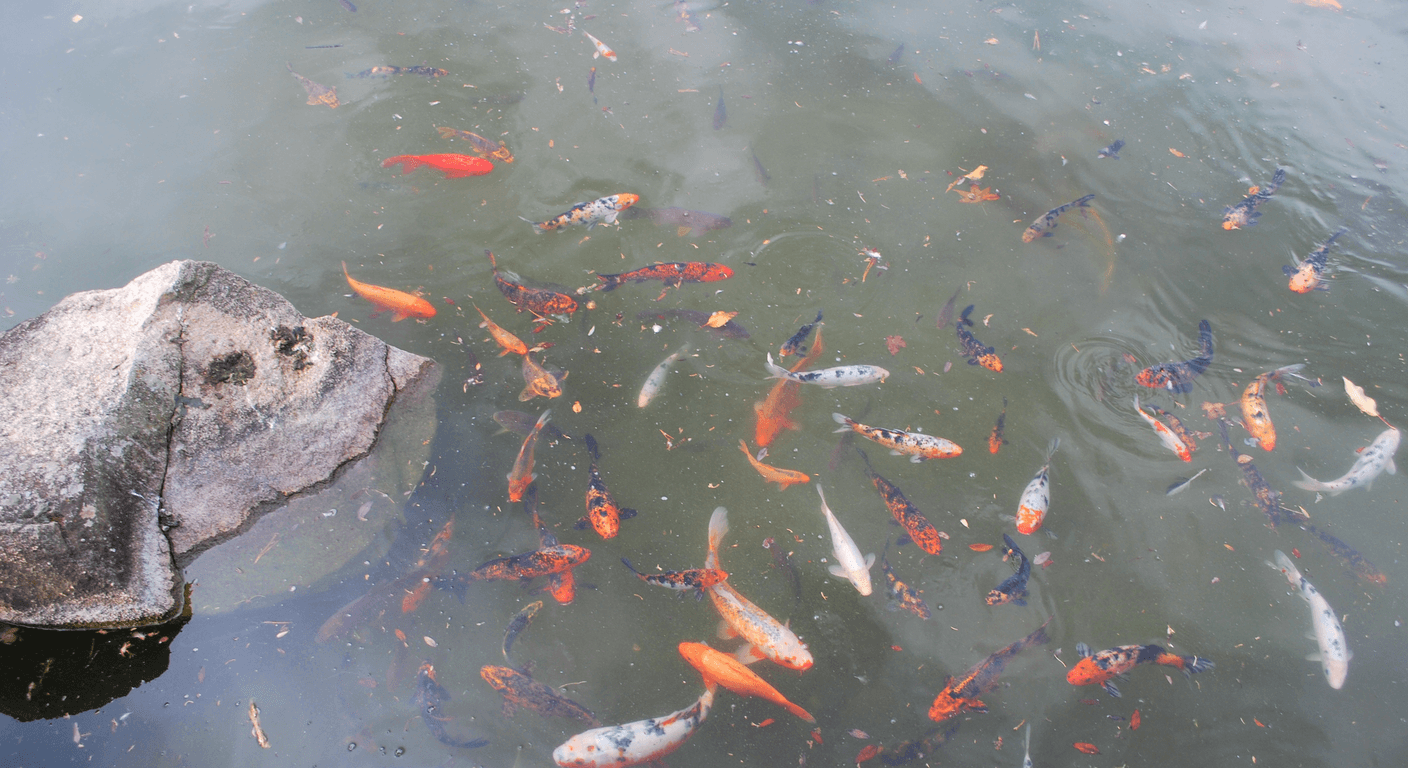
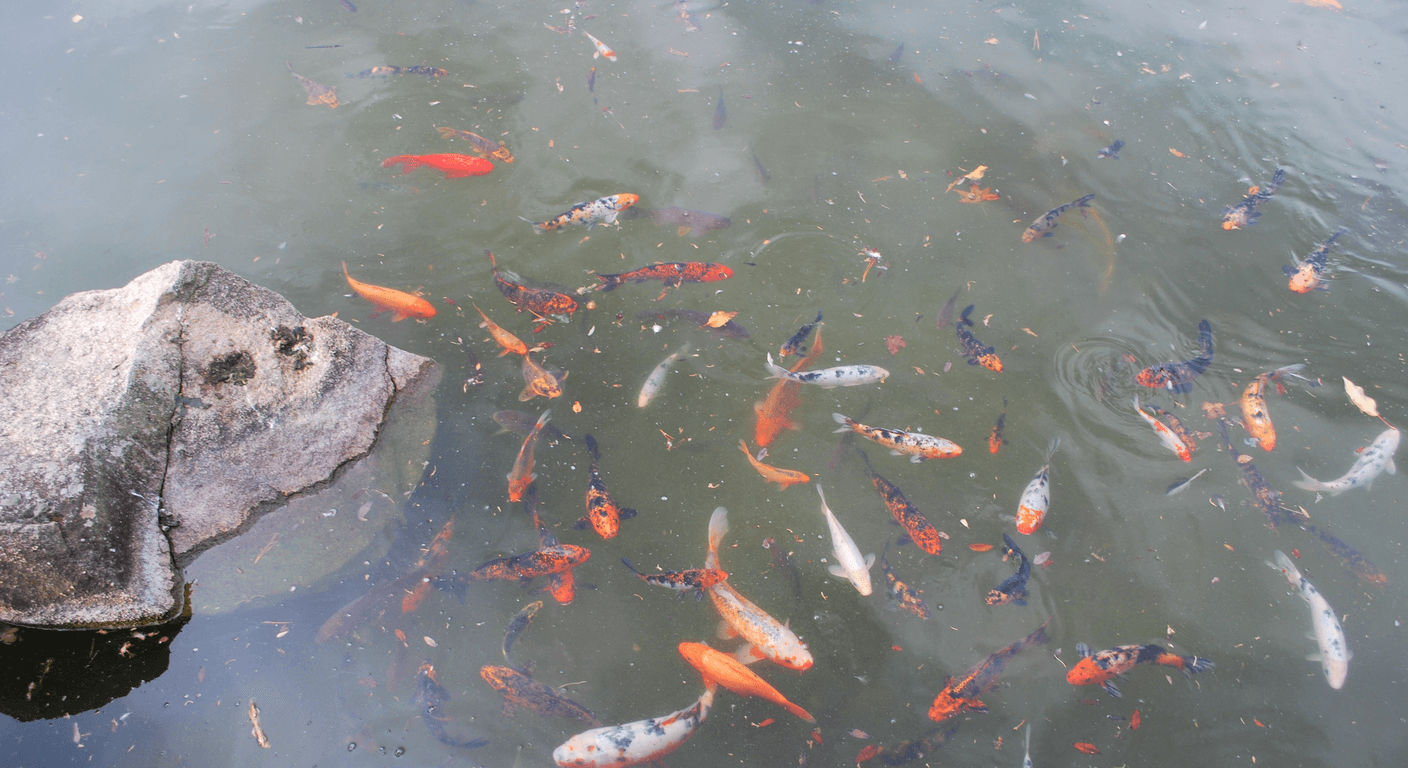
The garden covers around four hectares and was designed by Ken Nakajima, one of Japan's most respected landscape architects of the twentieth century. It includes a lake, traditional stone lanterns, a teahouse, a waterfall, and plantings that cycle through the seasons in a way that genuinely rewards return visits. The attached Cultural Centre provides background on both the garden's design philosophy and the Cowra story. For a solo traveller with an interest in history, landscape or both, three to four hours here passes without effort.
Spring: Cherry Blossom Season and What It Actually Looks Like
Late August through to mid-October is when the garden draws its largest visitor numbers, and the reason is straightforward: cherry blossom. The garden holds several cherry varieties that flower at different points through spring, which means the display extends over several weeks rather than a single dramatic weekend. The earliest varieties tend to open in late August, with peak colour typically falling somewhere in September — though 'typically' is doing a lot of work there. Elevation, winter temperatures and annual variation mean the timing can shift by ten days to a fortnight either way.
The practical advice for a solo traveller driving from Victoria or the ACT: don't lock in dates too far in advance. Follow the garden's official social media channels from mid-August, which tend to post blossom updates as conditions develop. A midweek visit in September avoids the festival crowds and the weekend day-trippers from Canberra. The light in the garden in the morning — before 10am — is noticeably better for photography and quieter for contemplation.
Spring weather in Cowra is variable. September days can be warm and still, or cool and blustery. A light layer is sensible regardless of the forecast. The paths are paved or compacted gravel throughout, so wet weather doesn't make the garden impassable — though the waterfall viewing areas can be slippery after rain, so take care.
Autumn: The Quieter Season With Arguably Better Colour
April and May are the garden's second peak, and many regular visitors argue it's the better one. The Japanese maples — scattered through the garden in considered groupings — turn through gold, orange and deep red across four to six weeks, and because the crowds are thinner and the air cooler, the atmosphere is more contemplative. Cowra in autumn also has the particular quality of Central West NSW light in the afternoon: long, flat, warm-toned. The garden looks different in it.
For a solo traveller who values quiet over spectacle, autumn is worth serious consideration. Accommodation in Cowra is easier to secure, and the town itself settles into a more unhurried rhythm. A number of wineries operate in the Cowra wine region nearby — Cowra is a legitimate wine district, producing primarily chardonnay — which can round out an overnight stay without adding complexity to the itinerary.
Temperatures in April and May are generally mild, with cool evenings. By late May, mornings can be genuinely cold, which suits the garden aesthetically but warrants an extra layer on the drive in.
The Annual Sakura Matsuri Festival: Worth Timing For, or Worth Avoiding?
Cowra holds an annual Sakura Matsuri (cherry blossom festival) typically in September, coinciding with the garden's spring display. It draws visitors from across New South Wales and the ACT and includes cultural performances, food stalls and community events. For a traveller who enjoys festival atmosphere and is happy to share the garden with a crowd, it's genuinely enjoyable — the town leans into it with warmth.
For a solo traveller who prefers space and quiet in a garden setting, the festival weekend is probably not the ideal visit. The garden becomes busy by mid-morning, and the meditative quality that makes it distinctive is harder to access. The honest recommendation: if the festival appeals, book accommodation well ahead (Cowra's options are limited and fill quickly on festival weekends) and arrive at opening time. If you want the garden at its most peaceful, come the week before or the week after. The blossom is often still excellent.
Exact festival dates shift year to year depending on blossom timing. Confirm current dates directly with Cowra Tourism at visitcowra.com.au before planning travel.
Summer and Winter: The Honest Assessment
Summer in Cowra — December through February — is hot. Inland Central West NSW hot. Days regularly reach 35 degrees Celsius and occasionally higher, and the garden offers limited shade in its more open sections. The garden is still open and the grounds remain attractive, but a midday visit in January is uncomfortable in a way that a morning visit in April simply isn't. If summer is the only window available, an early start — arriving at opening, leaving by midday — makes it manageable.
Winter (June through August) is cold and dry. The garden loses its colour drama but gains a spare, structural quality that has its own appeal. Early-flowering cherry varieties may begin showing colour in late August, which is technically still winter in the high country. Cowra winters are clear more often than grey, and the garden on a still June morning — frost burning off, no other visitors — is a different experience but not an unpleasant one. Entry fees apply year-round; confirm current pricing at the official garden site.
Getting There: The Drive From Sydney, Canberra, and Victoria
Cowra sits roughly 320 kilometres west-southwest of Sydney via the Great Western Highway and Bathurst — around three to three-and-a-half hours of driving, depending on rest stops and traffic through the Blue Mountains. From Canberra, the drive is more straightforward: around 200 kilometres via the Federal Highway and Boorowa Road, roughly two to two-and-a-half hours. Both routes are well-sealed and manageable for a confident driver, though the Bathurst–Cowra section involves some winding rural road.
From Victoria, Cowra is a logical stop on a broader Central West or Riverina loop rather than a standalone day trip. Albury to Cowra is around four hours via the Hume and Barton highways; from Bendigo or Ballarat, add another hour or more. For a solo Victorian traveller, an overnight stay in Cowra makes more sense than a long day return.
There is no direct train service to Cowra. NSW TrainLink operates services to Bathurst and Orange, from which coach connections to Cowra are available — but the timetabling is limited and the journey time adds up. Driving remains the practical choice for most visitors. Confirm current coach schedules at nswtrainlink.info before planning a public transport itinerary.
Lunch, the War Cemetery, and Making a Day of It
The garden has a small café on site that handles light refreshments and simple meals — useful for a mid-visit break, but not the reason to linger in Cowra. The town centre, a short drive from the garden, has several cafés and a handful of decent pub-style restaurants that handle lunch well. Cowra is a working rural town, not a food destination, but it's perfectly easy to eat well without planning ahead. The local bakeries are worth knowing about.
The Cowra War Cemetery, maintained by the Office of Australian War Graves, is a fifteen-minute drive from the garden and is free to enter. It holds the graves of Japanese prisoners of war alongside Allied servicemen — the only cemetery in Australia where former enemies are buried in the same ground, a fact that carries weight when you're standing there. The Breakout site nearby has interpretive signage that fills in the 1944 story. Together with the Japanese Garden, these sites form a coherent half-day of historical and cultural depth that makes Cowra genuinely distinct from other Central West day trips.
For a solo traveller with an interest in twentieth-century history, the combination of the garden and the war sites is quietly affecting in a way that's difficult to anticipate from the brochure description. Allow the full day.
Key takeaways
- Cherry blossom at the Cowra Japanese Garden typically peaks in September, but the timing can shift by up to a fortnight — check official garden social media from mid-August before committing to dates.
- Autumn (April–May) offers Japanese maple colour with fewer crowds and is arguably the garden's most peaceful season.
- The garden rates Easy for mobility: paved and compacted gravel paths throughout, gentle gradients, rest seating available.
- Cowra is around 2.5 hours from Canberra and 3.5 hours from Sydney by car; there's no direct train, making driving the practical choice for most visitors.
- The Cowra War Cemetery — free entry, fifteen minutes from the garden — adds significant historical depth to the visit and is worth including in the day.
- Festival weekends in September draw large crowds; a midweek visit in the same month gives access to peak blossom with far more space and quiet.
Recommended partners and links
Indicative prices only — always confirm with the operator before booking.
Frequently asked questions
When is the best time to visit the Cowra Japanese Garden?
The two standout seasons are spring (late August to mid-October) for cherry blossom and autumn (April to May) for Japanese maple colour. Spring is busier, particularly on festival weekends; autumn is quieter and often equally beautiful. Summer is hot and less comfortable; winter is cold but clear, with early cherry varieties beginning in late August.
When does cherry blossom bloom at Cowra Japanese Garden?
Cherry blossom at the Cowra Japanese Garden typically peaks in September, though the exact timing varies by up to two weeks depending on winter temperatures and seasonal conditions. The garden holds several varieties that flower at different points, extending the display across several weeks. Check the garden's official social media from mid-August for current blossom updates before finalising travel dates.
Is the Cowra Japanese Garden accessible for older visitors or those with limited mobility?
Yes. The Cowra Japanese Garden rates Easy for mobility. Paths are paved or compacted gravel throughout, gradients are gentle, and rest seating is positioned around the garden. Visitors with a walking stick or who tire easily should find the garden manageable at their own pace. Confirm specific accessibility facilities directly with the garden at their official website.
How do you get to Cowra from Sydney or Canberra?
Cowra is approximately 3 to 3.5 hours from Sydney by car via the Great Western Highway and Bathurst, and around 2 to 2.5 hours from Canberra via the Federal Highway and Boorowa Road. There is no direct train service; NSW TrainLink operates to Bathurst and Orange with coach connections to Cowra, but timetabling is limited. Driving is the practical choice for most visitors. Confirm current coach options at nswtrainlink.info.
What else is worth seeing in Cowra on the same day as the Japanese Garden?
The Cowra War Cemetery, maintained by the Office of Australian War Graves, is a fifteen-minute drive from the garden and is free to enter. It holds the graves of Japanese prisoners of war and Allied servicemen on the same ground — a direct legacy of the 1944 Cowra Breakout. The Breakout site has interpretive signage explaining the event. Combined with the garden and a lunch stop in the town centre, these sites make for a full and substantive day.