A crewed yacht charter in the South Pacific puts the hard work squarely in someone else's hands. The skipper sails, the chef cooks, the crew anchors — and you decide whether today calls for snorkelling a coral garden off Tonga or simply reading in the shade of a catamaran's wide deck. For Australians over 50 who've always been drawn to the Pacific but prefer not to white-knuckle their way through squalls, it's a genuinely different kind of sea travel.
What exactly is a crewed charter — and how does it differ from a cruise?
On a crewed charter, you're hiring a private vessel — typically a sailing catamaran or monohull between 12 and 20 metres — along with a skipper, and often a second crew member who doubles as chef and deckhand. You're not joining other passengers you've never met. The boat is yours for the duration. The itinerary bends to your preferences, the weather, and how your body feels on any given morning.
It's a fundamentally different experience from a large cruise ship. There's no casino, no theatre, no 800 fellow passengers at the buffet. What there is: a quiet anchorage off a Fijian village at dusk, a snorkel over a coral bommie with no one else in sight, and a cook preparing grilled fish you watched being caught an hour earlier. The scale is intimate. The pace is yours to set.
This model suits over-50 travellers particularly well precisely because it removes the two things that make conventional sailing uncomfortable — the physical demands of crewing and the rigid schedule of a larger ship. A good skipper reads the sea, handles every manoeuvre, and adapts the day's plan if the swell picks up or if someone simply wants to stay anchored in a calm lagoon and do nothing at all. That's not a compromise. That's the point.
Which South Pacific destinations work best for this style of travel?
Fiji's Mamanuca and Yasawa island groups are the most accessible starting point for Australians. Nadi is a direct flight from Melbourne, Sydney, Brisbane, and Perth — roughly 4 hours from the east coast. Charter bases are well established, the sailing distances between islands are manageable, and the water is reliably warm and calm inside the reef systems. The Fijian village culture also rewards slower travel; anchoring near a community and arranging a kava ceremony through your skipper is the kind of thing no cruise itinerary can replicate.
Tonga — specifically the Vava'u group — is the choice for those who want to be in the water with humpback whales between July and October. The anchorages in Vava'u are sheltered and beautiful, the sailing is gentle, and the islands are uncrowded. Getting there from Australia typically involves a connection through Fiji or Auckland; confirm current routing before booking.
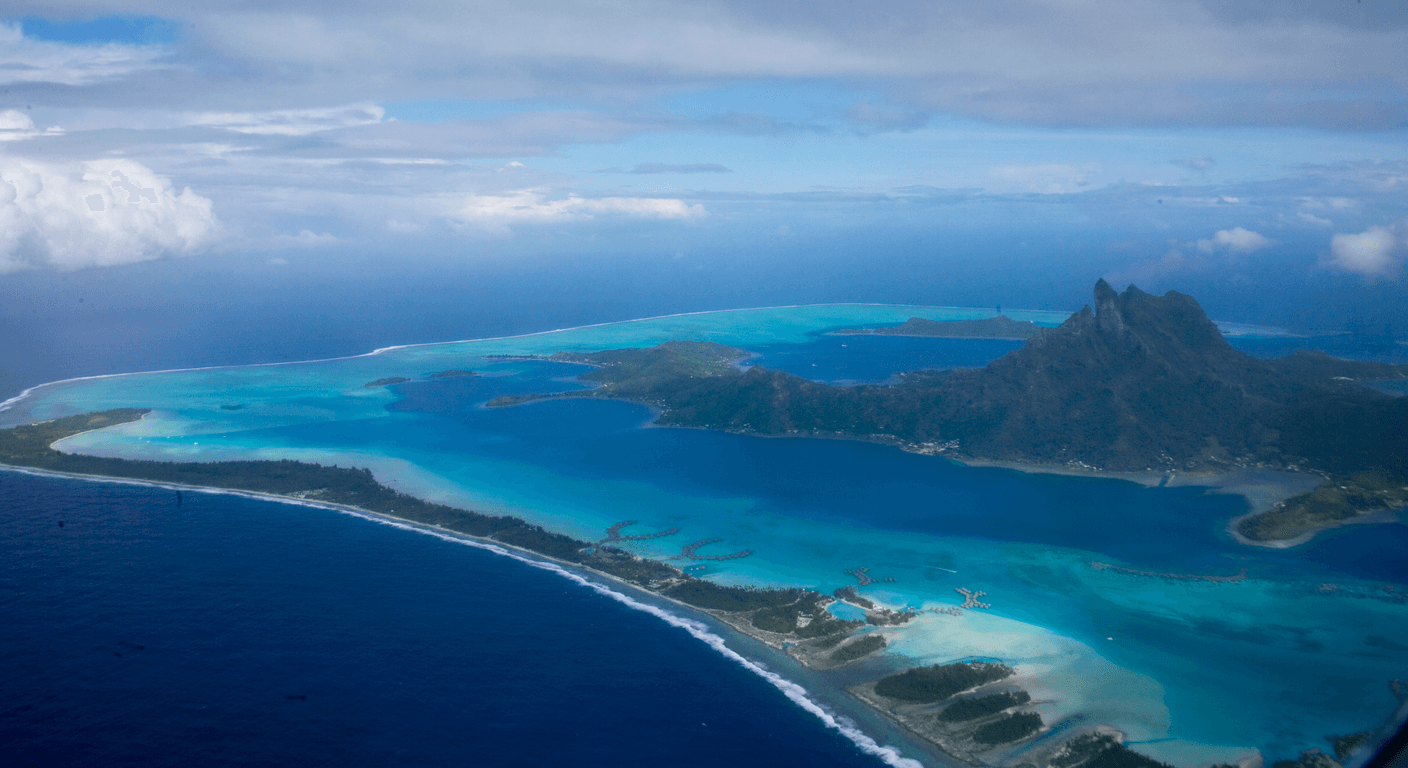
French Polynesia, particularly the Society Islands between Tahiti and Bora Bora, offers the iconic Pacific lagoon experience — turquoise water, coral motus, overwater bungalows visible from the anchorage. It's the most expensive of the three options, and flights from Australia to Papeete run roughly 8–10 hours with connections. Allow a full recovery night at a Papeete hotel before boarding. Vanuatu is a shorter flight from the east coast and often overlooked; the waters around Santo and the southern islands offer excellent diving and a more rugged, less touristed feel.
How does the daily rhythm actually work for older travellers?
A well-run crewed charter is deliberately unhurried. A typical day might begin with coffee on deck at anchor, breakfast prepared by the crew, then a morning snorkel or a dinghy trip to a beach or village. Lunch back on board. The hottest part of the afternoon spent in the shade — reading, sleeping, or simply watching the water. A short sail to the next anchorage late afternoon, sundowners on deck, dinner under the stars. That's a full day. There's no itinerary pressure to squeeze in more.
Rest days at anchor are not an indulgence — they're part of the rhythm. A good skipper will suggest staying put if the next passage looks rough, or if the current anchorage is particularly beautiful. Guests should feel free to ask for exactly that. Experienced operators understand that their clients over 50 are not racing a clock. The flexibility is built into the charter model in a way that a cruise ship schedule simply cannot match.
Tender transfers — the short dinghy ride from the anchored yacht to shore — are a normal part of island hopping. They're generally straightforward but do require stepping in and out of a small inflatable boat, sometimes in a mild swell. Ask your operator about this specifically. Some vessels carry rigid tenders with better handholds; some anchorages allow direct tie-up at a jetty. It's worth discussing before you commit to a particular charter.
Accessibility: what to know before you board
Catamarans are generally more stable and more comfortable than monohull sailing yachts — two hulls mean less heel underway, wider deck space, and a more stable platform at anchor. For travellers who've been put off sailing by stories of hanging on for dear life at 30 degrees of heel, a catamaran in the South Pacific during the dry season is a very different proposition. That said, all yachts involve steps, companionways (the ladders down into the cabin), and a moving surface underfoot. None of this is difficult for a fit, mobile traveller. It does require confidence on your feet.
Walkers, crutches, and wheelchairs are not compatible with liveaboard sailing. This is not a failing of the industry — it's physics. Narrow doorways, steep companionway steps, and the requirement to board via a dinghy or a swim platform mean that significant mobility limitations rule out this style of travel. Be honest with yourself and with operators about your physical condition. A reputable charter company will ask. If they don't, ask yourself why.
Specific things worth asking every operator: Are there handrails on the companionway steps? Does the vessel have a low-entry swim platform for getting in and out of the water? How high above the waterline is the deck? Can the tender come alongside a jetty rather than a beach landing? These questions are practical, not fussy — any experienced operator will answer them without hesitation and will appreciate that you've thought it through.
What does it cost — and what does the price actually include?
Crewed charter pricing in the South Pacific is typically quoted as a daily or weekly rate for the whole vessel, or broken down per person per day for all-inclusive packages. Indicatively — and these figures should be treated as a rough guide only, confirmed directly with operators for the 2025–26 season — an all-inclusive crewed catamaran charter might run from around AUD 600 to AUD 1,400 per person per day, depending on the vessel's size and quality, the destination, the season, and whether the rate includes food, fuel, and mooring fees. Some operators quote a base charter rate plus a separate provisioning allowance; others are genuinely all-in. Read the inclusions carefully.
On top of the charter itself: return flights from Melbourne or Sydney to Nadi run roughly AUD 700–1,400 economy depending on timing and airline (confirm current fares). Papeete flights are longer and typically more expensive. Budget for a hotel night before and after the charter — arriving exhausted and boarding a boat immediately is not recommended at any age, and is particularly unwise after a long-haul flight with a time-zone shift. A night at a comfortable Nadi or Papeete hotel to decompress and sleep is money well spent.
Travel insurance deserves its own budget line and its own careful reading. A standard travel policy may not cover you for activities classified as sailing or yachting, and almost certainly won't cover medical evacuation from a remote Pacific anchorage without specific endorsement. For travellers over 50 with any pre-existing conditions, this requires a direct conversation with your insurer — not a tick-box on a comparison website. Cover-More and other Australian specialist insurers offer policies that can be tailored; the key is to declare everything and get confirmation in writing that crewed sailing in the South Pacific is covered.
The honest part: seasickness, remoteness, and medical reality
Seasickness is real, and no amount of enthusiasm for the South Pacific eliminates it. Catamarans in calm, sheltered waters during the dry season are about as benign as sailing gets, but passages between island groups can be choppy, and some travellers are susceptible regardless of conditions. If you've been seasick before, discuss this with your doctor before departure. Prescription anti-nausea medications, acupressure bands, and over-the-counter options all have their advocates. The important thing is to plan for it rather than hope for the best. A good skipper will adjust the route to avoid the roughest water if they can.
Remote anchorages are, by definition, remote. The nearest hospital may be hours away by boat and then by plane. Most crewed charter vessels carry a first-aid kit and an EPIRB (emergency position-indicating radio beacon), and skippers hold first-aid qualifications — but the onboard medical capability is limited. For travellers managing complex health conditions, this is a genuine consideration, not a disclaimer to skim past. Discuss your specific situation with your GP before booking, and ensure your travel insurance includes helicopter or fixed-wing evacuation from a remote location. It's rarely needed. When it is, it's everything.
None of this is reason to avoid the experience. It's reason to go in with clear eyes. Thousands of Australians over 50 charter yachts in the South Pacific every year and return home with the kind of stories that don't fit neatly into a holiday slideshow. The combination of remoteness, beauty, and genuine peace that a crewed charter delivers is difficult to replicate any other way. The preparation is simply part of doing it properly.
Questions to ask operators before you sign anything
The charter industry ranges from outstanding to ordinary, and the difference often shows up in the details. Before committing to any booking, ask: What is the crew-to-guest ratio? (Two crew for four to six guests is a reasonable benchmark.) What does the safety briefing cover, and when does it happen? Can the chef accommodate dietary requirements — and be specific, whether that's a Mediterranean-style preference, a heart-health diet, or a cultural food tradition? Is there a single cabin available, or are all cabins configured as doubles? What happens if weather forces a change of itinerary?
Ask to see photos of the specific vessel you'll be on, not just a sister ship. Ask what the cancellation policy is and whether the company carries charter liability insurance. If you're booking through an Australian agent, check whether they're a member of the Australian Federation of Travel Agents (AFTA) and whether the operator is affiliated with a recognised industry body such as the International Yacht Charter Group or a national equivalent.
YouTube channels run by experienced live-aboard sailors offer a genuinely useful window into this world before you commit. Sailing La Vagabonde, the widely followed Australian sailing channel, has documented Pacific cruising in a way that conveys both the appeal and the practical realities with unusual honesty — their video at https://www.youtube.com/watch?v=SQ3WCQw3eVM is worth an hour of any prospective charterer's time. It won't answer every question, but it will calibrate your expectations.
Key takeaways
- A crewed South Pacific charter hands all sailing, navigation, and cooking to a professional crew — guests simply choose how to spend each day.
- Catamarans are more stable and spacious than monohull yachts, making them the preferred choice for over-50 travellers new to liveaboard sailing.
- Indicative all-inclusive crewed charter costs run roughly AUD 600–1,400+ per person per day depending on vessel, destination, and season — confirm directly with operators.
- Travel insurance for crewed sailing must explicitly cover yachting activities and remote medical evacuation; standard policies often do not.
- Mobility aids including walkers and wheelchairs are incompatible with liveaboard sailing — the experience requires confidence on your feet and the ability to board via tender or swim platform.
- May to October is the South Pacific dry season and the safest, most comfortable window for charter sailing — cyclone season runs roughly November to April.
Recommended partners and links
Indicative prices only — always confirm with the operator before booking.
Frequently asked questions
Do you need sailing experience to join a crewed charter?
No sailing experience is required. On a fully crewed charter, a professional skipper and crew handle all sailing, navigation, and anchoring. Guests are passengers who can be as involved or as hands-off as they choose.
Is a crewed yacht charter suitable for someone with mild arthritis or knee problems?
It depends on the severity. Catamarans are more stable than monohulls and have wider deck space, but all yachts involve steps, companionway ladders, and occasional movement on a shifting surface. Travellers with mild joint issues often manage well; those with significant mobility limitations should discuss the specific vessel layout with the operator before booking.
What is the best South Pacific destination for a first crewed charter?
Fiji's Mamanuca and Yasawa islands are generally recommended for first-time charterers from Australia. They're the shortest flight from the east coast, the sailing conditions inside the reef are sheltered and gentle, and the charter infrastructure is well established.
How far in advance should you book a crewed South Pacific charter?
For the May–October dry season, booking 6–12 months ahead is advisable, particularly for smaller vessels with limited cabins. Popular destinations such as Vava'u in Tonga and the Society Islands in French Polynesia fill up well in advance during peak season.
Will standard Australian travel insurance cover a crewed yacht charter?
Not automatically. Many standard policies exclude sailing or yachting activities, and remote medical evacuation from a Pacific anchorage requires specific cover. Travellers over 50, especially those with pre-existing conditions, should contact their insurer directly, declare all relevant health information, and confirm in writing that crewed charter sailing in the South Pacific is included.
- Sailing La Vagabonde — South Pacific sailing video
- The Moorings — crewed charter options
- Dream Yacht Worldwide — South Pacific charters
- Tourism Fiji — official visitor information
- Tonga Tourism Authority
- Tahiti Tourisme — official French Polynesia tourism
- Cover-More Travel Insurance Australia
- Australian Federation of Travel Agents (AFTA)
- Smartraveller — Australian Government travel advice for the Pacific