The George Brown Darwin Botanic Gardens sit about ten minutes from Darwin's CBD, near Mindil Beach, and are free to enter. Best visited during the dry season (May to October), a relaxed morning of two to three hours suits most travellers, taking in the orchid shade house and baobab collection as the standout highlights. Paths are mostly flat and sealed, making the gardens an easy outing, reachable by taxi, bus or a short walk depending on where you're staying.
Why the George Brown Darwin Botanic Gardens work so well for a solo traveller
There is a particular kind of travel day that a solo traveller in his late sixties tends to value most: somewhere genuinely interesting, not crowded, free to enter, and easy on the body. The George Brown Darwin Botanic Gardens deliver all four. Located on Gardens Road in Stuart Park, barely ten minutes by car or bus from the Darwin CBD, they cover around 42 hectares of tropical planting and have been a working botanical collection since the 1880s.
What sets this place apart from a city park is the seriousness of its collections. The orchid shade house alone justifies the visit — hundreds of specimens, labelled and arranged, in a structure that keeps the worst of the tropical sun off your shoulders. The baobab precinct, featuring African and Australian boab trees of considerable age and girth, is quietly remarkable. These are not token plantings; they are a considered horticultural collection that gives the gardens genuine depth.
The overall atmosphere is calm and local. You will share the paths mostly with Darwin residents walking dogs in the early morning, the occasional family, and a handful of other travellers. There is no ticketing queue, no tour group bottleneck, and no pressure to move at anyone else's pace. For someone travelling alone and wanting to set their own rhythm, it is close to ideal.
What is actually in the gardens — the key collections
The orchid collection is housed in a dedicated shade house and is the most visited feature among plant enthusiasts. The range covers native Australian orchids alongside tropical species, and the labelling is detailed enough to be genuinely informative even if you have no botanical background. The shade house environment makes this one of the most comfortable spots in the gardens during warmer parts of the day.
The baobab collection brings together African baobabs (Adansonia digitata) and Australian boabs (Adansonia gregorii) in a section of the gardens that feels almost otherworldly. The trees' swollen trunks and sparse canopies are a striking contrast to the dense tropical planting elsewhere. This section is worth a slow circuit — the trees reward close attention and the open ground around them means you can photograph them without obstruction.
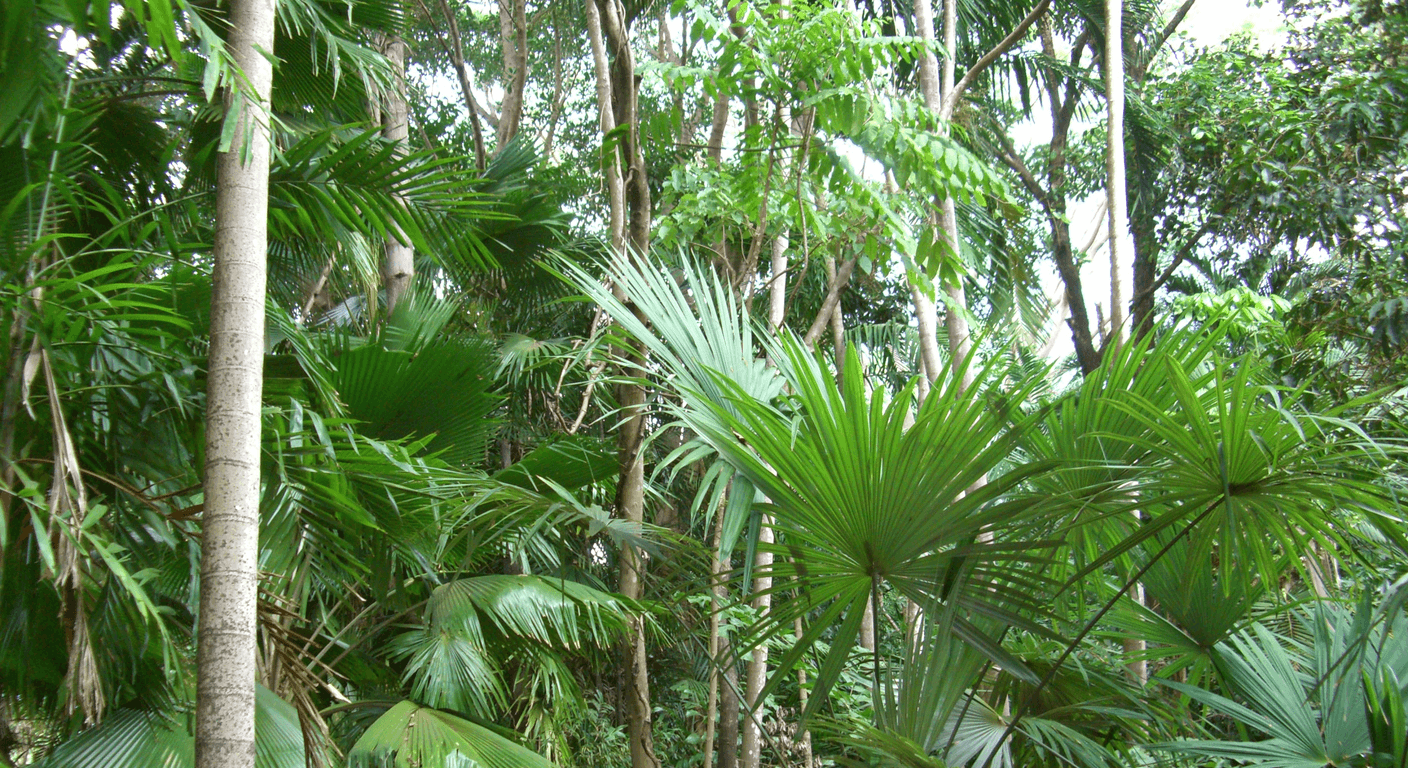
Beyond these headline collections, the gardens contain rainforest gullies with a genuine canopy layer that provides deep shade, a palm collection, a cycad garden, and plantings that trace the economic and cultural plant use of the Top End's Indigenous communities. The interpretive signage through these areas is well-maintained and adds real context for a traveller who is encountering northern Australian flora for the first time.
How accessible are the paths — honest detail for older travellers
The majority of the main paths through the George Brown Darwin Botanic Gardens are sealed and reasonably flat, which makes them navigable for most older travellers without significant mobility challenges. There are some gentle slopes and a few sections of the rainforest gully where the path narrows or the surface becomes less even, but none of these are severe. A walking stick or trekking pole would handle anything on offer here comfortably.
Wheelchair users and those with significant mobility limitations should note that while the main circuit is largely accessible, some of the more naturalistic sections — particularly the rainforest gully paths — may require a companion or may not be fully navigable in a standard wheelchair. It is worth contacting the gardens directly or checking with the NT Government parks team before visiting if this is a concern. The cafe and the orchid shade house area are both accessible.
Seating is available at intervals through the gardens, which matters more than it sounds in a tropical climate. The combination of flat paths, regular shade, and available seating means that a solo traveller can move through the gardens at a genuinely relaxed pace, stopping whenever needed, without feeling any pressure to keep up with a group or a guide.
When should you visit — timing and the tropical seasons
Darwin's climate divides cleanly into two seasons: the dry (roughly May to October) and the wet, which locals also call the build-up (October to April). For most Victorian travellers, the dry season is the obvious choice — temperatures are in the high twenties, humidity is manageable, and the morning light in the gardens is genuinely beautiful. The dry season is also when Darwin's tourism calendar is most active, so accommodation and flights will be in higher demand.
If you do visit during the build-up or wet season — perhaps because that is when flights suit, or because you want to see the gardens at their most lush and green — the single most important adjustment is timing. Be in the gardens before 10am. By mid-morning in the build-up the heat and humidity combine in a way that makes extended outdoor walking genuinely uncomfortable and potentially risky for older travellers. The rainforest gullies offer the deepest shade and are the best retreat if you are caught out later in the morning.
Regardless of season, carry water. The cafe is on site, but the gardens cover enough ground that you will want a bottle with you from the moment you arrive. A light hat and sun-protective clothing are sensible even in the shade house sections, where indirect light is still significant. Sunscreen matters here year-round.
The cafe in the old Wesleyan church — a proper destination
The cafe at the George Brown Darwin Botanic Gardens occupies a restored Wesleyan church building that dates to the nineteenth century and was relocated to its current site within the gardens. The building itself is worth seeing — high-ceilinged, timber-framed, and cooled in a way that older buildings in the tropics often are, with a quality that no amount of modern air conditioning quite replicates.
The cafe operates as a genuine destination rather than a convenience kiosk. The menu leans toward light meals, good coffee, and breakfast options — exactly what you want after an early-morning walk through the gardens. Prices are indicative of a quality Darwin cafe rather than tourist-attraction pricing, though travellers should confirm current menus and hours directly with the cafe, as trading hours can vary by season.
Sitting on the cafe's shaded veranda or inside the church building with a coffee after a circuit of the gardens is one of those small travel pleasures that does not need to be oversold. It is simply a good place to be. For a solo traveller, the unhurried, drop-in nature of the cafe — no reservations required, easy to occupy a table alone — makes it a comfortable stop.
Getting there from Darwin city — transport and logistics
The gardens are located on Gardens Road, Stuart Park, and are roughly two kilometres from the Darwin CBD — close enough to reach by taxi, rideshare, or the Darwin bus network. For travellers staying in the CBD or at accommodation near the Esplanade, a taxi or rideshare is the most straightforward option and costs a modest indicative fare; confirm current rates with your chosen service. The drive takes around five to ten minutes depending on traffic.
Territory Transit operates Darwin's public bus network, and routes serving the gardens area connect from the Darwin CBD interchange. Bus travel in Darwin is an affordable and practical option, though the network is less frequent than a Victorian traveller might be used to from Melbourne. Check the Territory Transit website for current timetables and stop locations before you go, as services can vary by day and season.
If you are staying near Mindil Beach or the Parap area, the gardens are within comfortable walking distance for a traveller who is fit and visiting in the dry season — but walk early, before the heat builds. There is parking available at the gardens for those with hire cars, and self-drive is a reasonable option if you are already renting a vehicle for broader Darwin day trips.
Combining the gardens with a broader Darwin day — what fits nearby
The George Brown Darwin Botanic Gardens sit conveniently close to Mindil Beach, which is home to the famous Mindil Beach Sunset Market on Thursday and Sunday evenings during the dry season (roughly April to October). A solo traveller could spend a relaxed morning in the gardens, retreat to air-conditioned accommodation or a cafe during the middle of the day, and then head to the markets for an early evening — this is a well-paced Darwin day that avoids the worst of the heat.
Nearby Fannie Bay holds the Museum and Art Gallery of the Northern Territory (MAGNT), which is a substantial half-day in its own right and also free to enter for the permanent collection. The Fannie Bay Gaol — a heritage site with a significant history — is also close. For a traveller spending two or three days in Darwin, the gardens, MAGNT, and a Mindil Beach sunset can be spread across consecutive mornings and evenings without any rush.
Darwin's Parap Village, a short distance away, has a Saturday morning market with a strong local food culture — particularly the laksa, which has a genuine following. This is worth factoring into a Saturday visit if the gardens are on your itinerary for that morning. The combination of an early garden walk and a Parap market breakfast is a very good Darwin morning.
Quick planning guide
| Ideal pace | Slow and unhurried |
|---|---|
| Best months | May to October (the dry season) |
| Suggested stay | A morning, roughly two to three hours |
| Mobility level | Easy — mostly flat, sealed paths with seating; a few uneven rainforest gully sections |
| Cost level | Free entry (cafe costs extra) |
| Comfort level | High — good shade cover and seating throughout |
| Best for | Solo travellers and garden or plant enthusiasts wanting a low-key, self-paced outing |
| Main planning consideration | In the wet season or build-up, be in the gardens before 10am to avoid uncomfortable mid-morning heat and humidity |
Key takeaways
- The George Brown Darwin Botanic Gardens are free to enter, mostly flat, and shaded — one of the most accessible tropical garden experiences in northern Australia.
- The orchid shade house and baobab collection are serious horticultural attractions, not token plantings.
- Arrive before 10am in the build-up and wet season; heat and humidity make mid-morning walking genuinely uncomfortable for older travellers.
- The cafe in the restored Wesleyan church building is a proper destination — good coffee and a remarkable heritage setting.
- Most main paths are sealed and flat, but some rainforest gully sections are narrower and less even — worth checking in advance if mobility is a significant concern.
- The gardens combine naturally with Mindil Beach Sunset Market (dry season evenings) and the nearby Museum and Art Gallery of the Northern Territory for a full Darwin day.
Recommended partners and links
Indicative prices only — always confirm with the operator before booking.
Frequently asked questions
Is entry to the George Brown Darwin Botanic Gardens free?
Yes, entry to the George Brown Darwin Botanic Gardens is free. There is no admission charge to walk the gardens, visit the orchid shade house, or explore the baobab collection. The on-site cafe charges for food and drinks, as you would expect.
Are the paths suitable for older travellers or those with limited mobility?
The majority of the main paths are sealed and flat, making them suitable for most older travellers. Some sections of the rainforest gullies have narrower or less even surfaces. Wheelchair users or those with significant mobility limitations should contact the NT Government parks team before visiting to confirm which areas are fully accessible.
What is the best time of year to visit Darwin Botanic Gardens?
The dry season, roughly May to October, offers the most comfortable conditions — manageable humidity and temperatures in the high twenties. If visiting during the build-up or wet season (October to April), arrive before 10am to avoid the worst heat and humidity. Carry water regardless of season.
How do you get to the George Brown Darwin Botanic Gardens from the Darwin CBD?
The gardens are around two kilometres from the Darwin CBD and are reachable by taxi, rideshare, or the Territory Transit bus network. The drive takes roughly five to ten minutes. Check Territory Transit's website for current bus routes and timetables, as services vary by day and season.
What else is near the Darwin Botanic Gardens for a day trip?
Mindil Beach is adjacent to the gardens and hosts the Mindil Beach Sunset Market on Thursday and Sunday evenings during the dry season. The Museum and Art Gallery of the Northern Territory (MAGNT) in nearby Fannie Bay is free for its permanent collection and is a substantial half-day visit. Parap Village's Saturday morning market is also close.