East Point Reserve, about 10 kilometres from Darwin's CBD, is best visited in the dry season (April to September) when conditions are cooler and more comfortable. Allow half a day for the Darwin Military Museum and the Defence of Darwin Experience, a roughly 25-minute film built around veterans' testimonies of the 1942 bombing raids. The site is flat, shaded and largely air-conditioned, easily reached by a 15-minute taxi or rideshare from the city, with entry around $20–25.
What happened at Darwin in 1942 — and why it matters
On the morning of 19 February 1942, 188 Japanese aircraft struck Darwin in two waves. More ships were sunk that day than at Pearl Harbor. Around 250 people were killed, though the true toll remained disputed for decades. Australia's government, wary of panic, downplayed the raids almost immediately. For a long time, the story was underdone in the national memory.
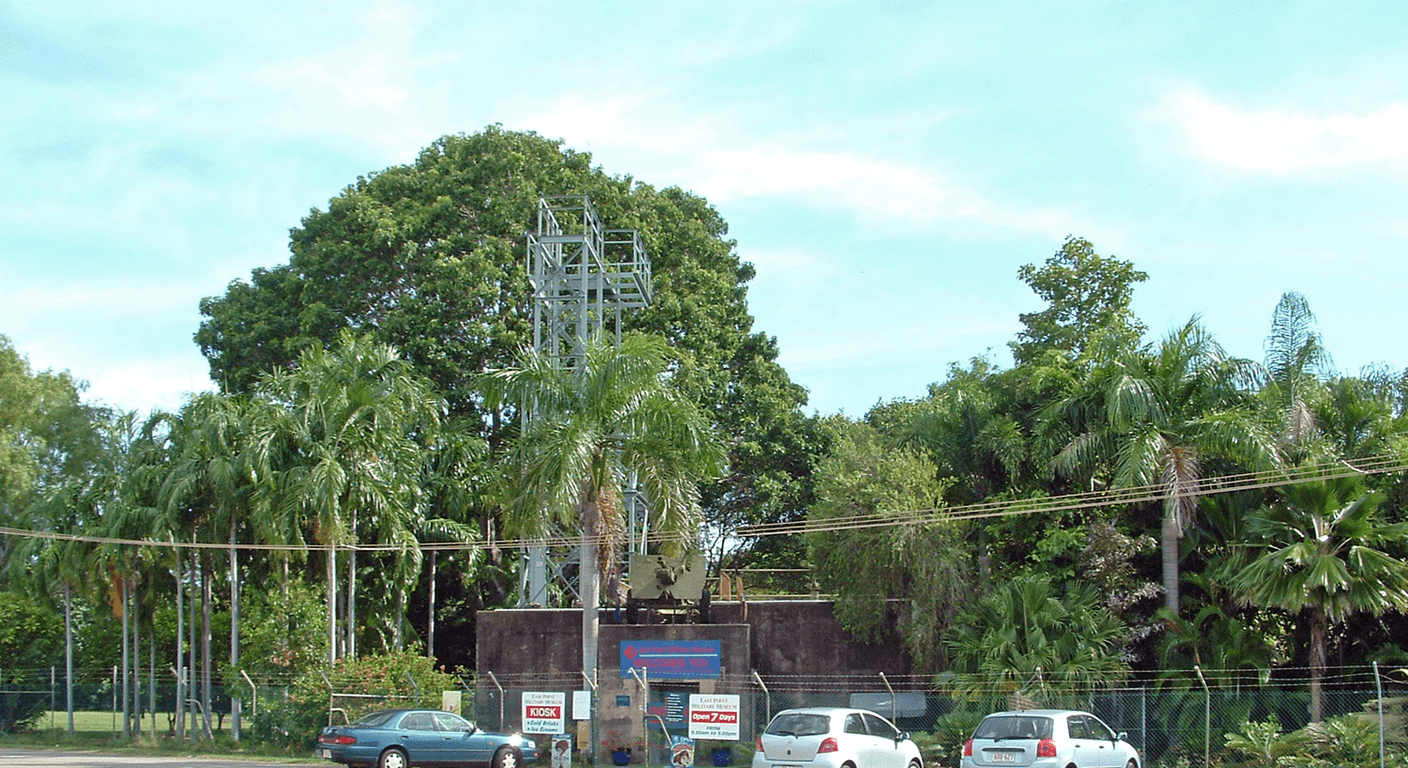
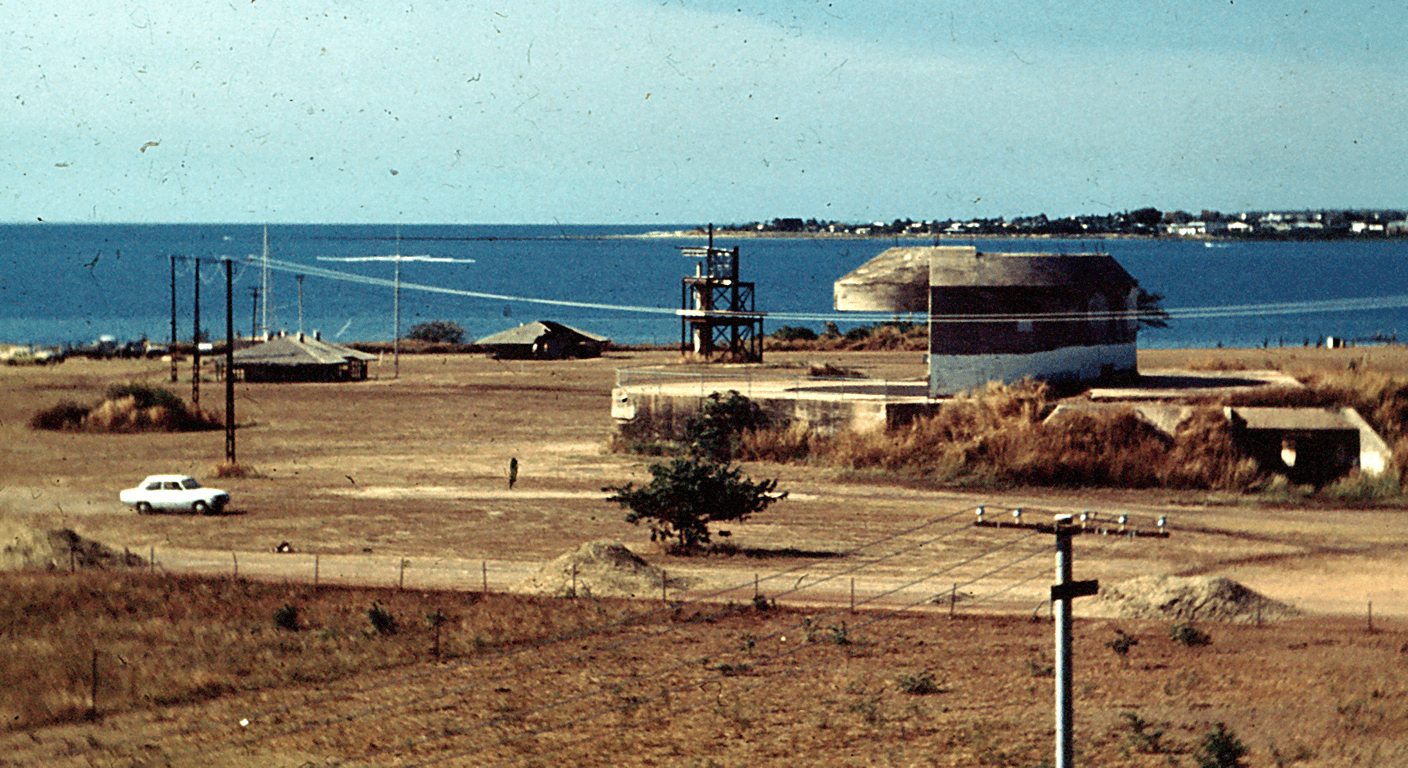
East Point is where that omission is corrected. The reserve occupies the headland that Japanese bombers flew over, and the gun emplacements that failed to stop them still stand in the scrub. Walking among them — concrete, rusted metal, sea wind — gives the history a physical weight that no documentary quite replicates.
For a traveller who came of age in the decades after the war, there's something particular about standing on ground where Australia's vulnerability was so starkly exposed. The site doesn't dramatise that. It simply shows it, clearly and without fuss.
What to expect inside the Darwin Military Museum
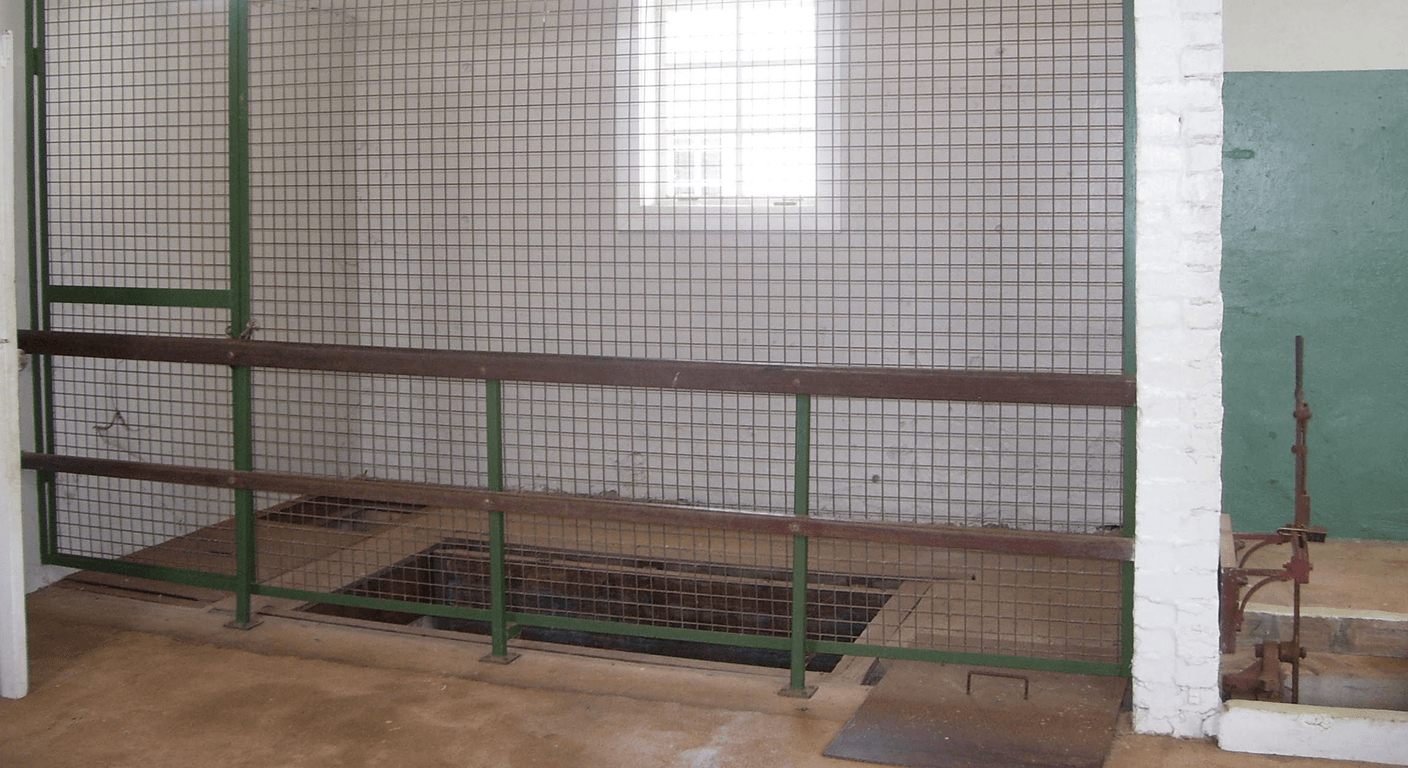
The museum itself occupies a series of buildings set among the original coastal defence installations. The layout is generous — wide paths between display areas, good shade, and air-conditioning in the main galleries. For anyone managing the Darwin heat, that last point is not minor.
Inside, the collection is substantial: artillery pieces, aircraft wreckage, personal effects, maps and photographs that trace the full arc of the Northern Territory's wartime role. The artefacts are well-contextualised, not just lined up. A Japanese Zero fighter, recovered from the harbour, sits as a centrepiece that tends to stop people mid-step.
Signage is clear and at a comfortable reading height throughout. Seating is available in key areas. The pace is entirely your own — there's no guided tour pressure, which suits a solo visitor who wants to linger over a particular display or sit quietly with a photograph for a moment.
The Defence of Darwin Experience — the film that anchors the visit
The Defence of Darwin Experience is a separate, purpose-built theatre presentation that runs on a schedule — confirm session times before you arrive. It uses archival footage, reconstructed sound design and, most powerfully, the recorded testimonies of veterans and civilians who survived the raids. The effect is cumulative rather than spectacular, and that restraint is exactly right.
The theatre is air-conditioned and fully seated. Running time is around 25 minutes, though confirm this directly. For many visitors, it becomes the emotional anchor of the whole visit — the point where the statistics and artefacts resolve into actual human experience.
It's worth timing your arrival to catch a session early in your visit, so the rest of the museum unfolds with that context already in place.
Practical matters: getting there, entry costs and what to bring
East Point is roughly 10 kilometres from Darwin's CBD, on the Fannie Bay peninsula. A taxi or rideshare from the city centre takes around 15 minutes and is the most straightforward option for a solo visitor, particularly in the wet season when afternoon storms can arrive without much warning. Public bus services do reach the area — check current routes and timetables with Darwinbus via the NT Government website before relying on them.
Museum entry is around $20–25 for adults and concession holders, though you should confirm current pricing directly with the Darwin Military Museum before visiting. The Defence of Darwin Experience may be included or ticketed separately — again, confirm. The East Point Reserve itself is free to enter and open daily.
Darwin's dry season (April to September) is the obvious choice for a visit. Humidity is manageable, temperatures are warm rather than punishing, and the reserve is at its most pleasant. Bring water regardless of season, a hat, and sunscreen. Comfortable, flat-soled shoes are all that's needed — this is not a walking-intensive site.
After the museum: East Point Reserve and its quieter pleasures
The reserve surrounding the museum is free, open and worth at least an hour of unhurried time. The foreshore looks across Fannie Bay towards the Arafura Sea, and the light in the late afternoon — particularly in the dry season — has that flat, golden quality that the Top End does better than almost anywhere in Australia.
From around 5pm onwards, wallabies emerge onto the lawns. It's an oddly affecting sight: soft, unhurried animals grazing among gun emplacements and memorial plaques. Darwin does this — layers history and nature on the same ground without apparent self-consciousness.
There are shaded picnic areas and walking paths along the foreshore, and Lake Alexander — a saltwater swimming lake within the reserve — is a calm option for those who want a swim without the open-water considerations. Check current conditions and any closures before heading in.
Fitting East Point into a Darwin stay
Darwin rewards a stay of at least three to five nights. East Point fills a half-day well, and the combination of museum, film presentation and reserve walk means there's no sense of rushing. A morning visit — arriving when the museum opens — leaves the afternoon free for the city, the waterfront or a rest before the famous sunset.
The Museum and Art Gallery of the Northern Territory (MAGNT) on Conacher Street is a natural companion visit, particularly for its collection of Aboriginal and Torres Strait Islander art. Crocosaurus Cove in the CBD is worth knowing about if there are grandchildren in the mix, though the museum and the art gallery are the stronger draws for a culturally minded solo traveller.
Darwin's Saturday markets at Parap are a good way to spend a morning earlier in the week, and the night markets at Mindil Beach run on Thursday and Sunday evenings during the dry season — a pleasant, low-key way to end a day. None of this requires a car; Darwin's compact CBD and reliable taxi services make it an accessible city for a solo traveller who prefers not to drive.
Getting to Darwin from Victoria — the practical realities
Direct flights from Melbourne to Darwin run with Qantas and Virgin Australia, taking roughly four hours. Fares vary considerably with timing and booking lead time — check airline websites directly for current pricing. A morning departure from Melbourne can have you in Darwin by lunchtime, which is a reasonable way to start a dry-season trip without losing a full day.
Darwin's airport is about 15 minutes from the CBD by taxi or rideshare. The city is compact enough that a hire car is optional rather than essential, particularly for a visitor focused on the key cultural sites. Travel insurance covering pre-existing conditions is worth arranging before any trip from Victoria to the Northern Territory — confirm coverage details with your insurer.
There's no jet lag on a domestic flight, which is one of Darwin's quiet advantages over the international alternatives that compete for the same curious, history-minded traveller. The time zone shift from Victoria is 30 minutes ahead in the dry season — barely worth adjusting for.
Quick planning guide
| Ideal pace | Unhurried and self-paced, no guided-tour pressure |
|---|---|
| Best months | April to September (Darwin's dry season) |
| Suggested stay | Half a day at East Point; 3–5 nights for a broader Darwin trip |
| Mobility level | Easy — flat paths, seating available, air-conditioned galleries and theatre |
| Cost level | Budget-friendly (entry around $20–25, reserve itself free) |
| Comfort level | High — good shade, air-conditioning, clear signage at comfortable reading height |
| Best for | Solo travellers with a serious interest in Australian wartime history |
| Main planning consideration | Confirm current museum entry pricing and Defence of Darwin Experience session times before arriving |
Key takeaways
- The 19 February 1942 Darwin raids were the largest foreign attack ever mounted on Australian soil — more ships were sunk than at Pearl Harbor.
- The Darwin Military Museum and Defence of Darwin Experience sit among original gun emplacements at East Point, about 10 kilometres from Darwin's CBD.
- Entry is around $20–25 with concessions — confirm current pricing directly with the museum before visiting.
- Displays are largely flat and partly air-conditioned, making this one of Darwin's most accessible cultural sites for older travellers.
- Wallabies graze the East Point reserve lawns from late afternoon — the reserve itself is free to enter.
- April to September (dry season) is the most comfortable time to visit Darwin; direct flights from Melbourne take around four hours.
Recommended partners and links
Indicative prices only — always confirm with the operator before booking.
Frequently asked questions
How much does it cost to enter the Darwin Military Museum?
Entry to the Darwin Military Museum is around $20–25 for adults and concession holders, though prices change and should be confirmed directly with the museum at darwinmilitarymuseum.com.au before your visit. The East Point Reserve itself is free to enter.
Is East Point accessible for older travellers with mobility considerations?
Yes. The Darwin Military Museum and surrounding reserve have largely flat paths, and the main gallery areas are partly air-conditioned — a significant consideration in Darwin's climate. The site is rated Easy for mobility. Seating is available throughout the displays.
What is the Defence of Darwin Experience?
The Defence of Darwin Experience is a purpose-built theatre presentation at East Point that uses archival footage, sound design and veterans' testimonies to recount the 19 February 1942 Japanese bombing raids on Darwin. Sessions run on a schedule — confirm current times and whether it's included in general museum entry before you visit.
When is the best time to visit Darwin and East Point?
April to September is the dry season — cooler, lower humidity, and the most comfortable time to explore outdoor sites like East Point. The wet season (October to March) brings intense heat and afternoon storms that can make outdoor walking unpleasant, though the museum's air-conditioned areas remain accessible year-round.
How do you get to East Point from Darwin's CBD?
East Point is about 10 kilometres from Darwin's CBD. A taxi or rideshare takes around 15 minutes and is the most reliable option for a solo visitor. Public bus services reach the Fannie Bay area — check current routes and timetables with Darwinbus via the NT Government website before relying on them, as services can vary.