Fannie Bay Gaol, Darwin's former prison from 1883 to 1979, is free to enter and best visited during the dry season (May–October) on a morning or late-afternoon self-guided walk of one to one-and-a-half hours. Its preserved cell blocks, intact gallows and infirmary offer a sobering, unpolished slice of Territory history. Terrain is flat but includes uneven dirt paths, making it easy-to-moderate mobility, roughly 5km from Darwin's CBD by car, bus or taxi.
What is Fannie Bay Gaol and why does it matter?
Fannie Bay Gaol sits on the edge of Darwin's inner suburbs, a short drive from the city centre, and it held the Territory's prisoners for nearly a century — from 1883 right through to 1979. That span of history covers some of Australia's most turbulent northern chapters: the early colonial era, the devastation of Cyclone Tracy in 1974, and the slow, complicated shift toward Territory self-government. The gaol was there through all of it.
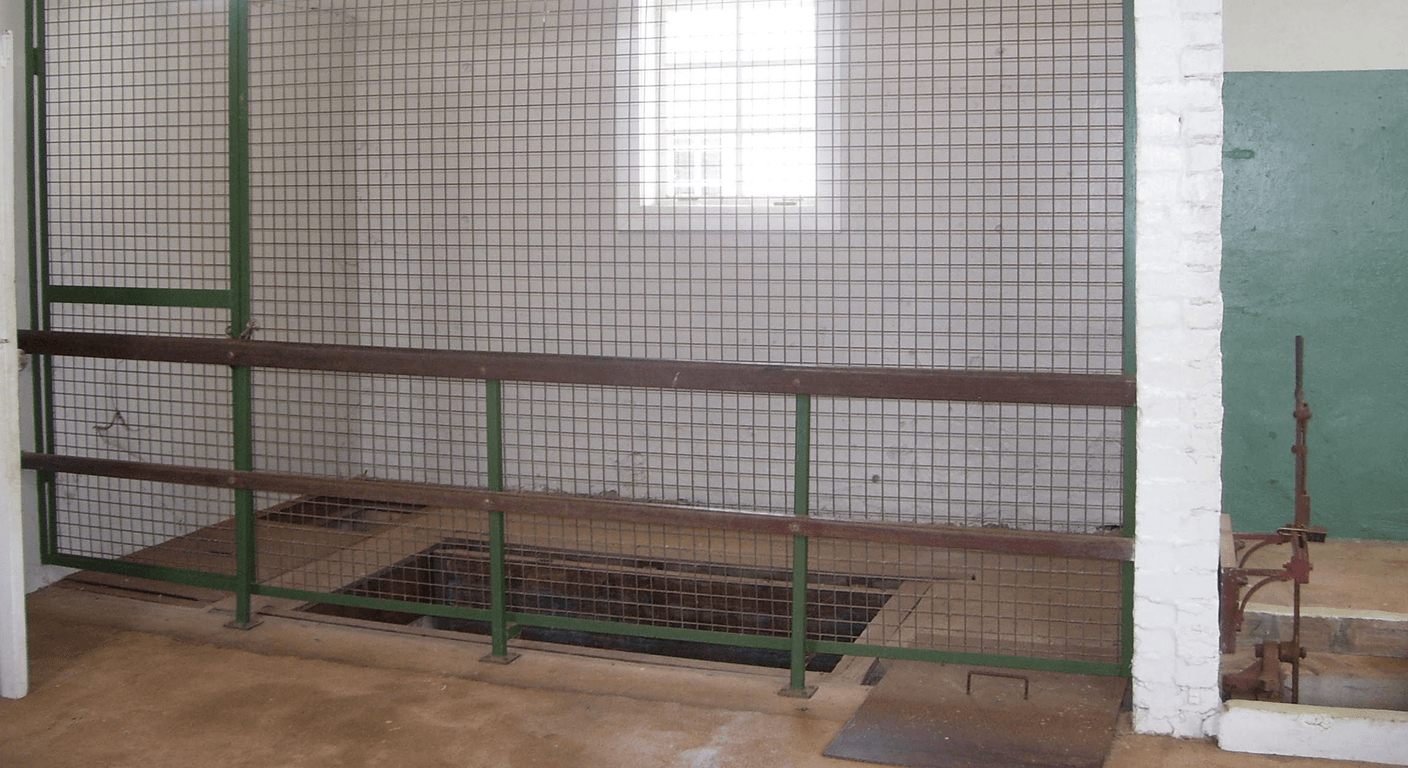
Two men were hanged here, the last in 1952, and the gallows remain intact — a detail that gives the site a weight you won't find in a conventional museum. The cell blocks, infirmary, warders' quarters and exercise yards have been preserved rather than sanitised, which is exactly what makes a visit worthwhile. For a group of friends who want to understand Darwin beyond its waterfront markets and sunset cruises, this is the kind of place that stays with you.
The site is managed as a heritage precinct and entry is free. It is not a theme park or a dramatised experience — it is simply the place itself, left largely as it was, with interpretive signage to guide you through. That restraint is, in its own way, a form of respect for the history.
What can you actually see on a self-guided visit?
The self-guided route takes you through the original cell blocks, where the small, low-ceilinged cells speak plainly about the conditions prisoners endured across different eras. The gallows structure is intact and viewable, and the infirmary building gives a sense of how medical care — such as it was — operated within the prison system. Signage throughout the site provides historical context without being overwhelming.
The warders' cottages and administrative buildings round out the picture of how the gaol functioned as a small, contained world of its own. There is genuine variety across the precinct, so an hour of steady walking will cover the main areas without feeling rushed. If your group likes to linger and read the panels thoroughly, allow closer to ninety minutes.
Photography is generally permitted throughout the site, and the raw textures of aged timber, rusted iron and weathered concrete make for genuinely interesting images — not in a glossy way, but in the way that honest old buildings photograph well. There is no audio guide or app-based tour as a standard offering, so the experience is quiet and self-directed, which suits those who prefer to move at their own pace.
How accessible is the site for older or mobility-conscious travellers?
The paths within the precinct are a mix of flat dirt and concrete surfaces. The terrain is largely level, which is helpful, but the dirt sections can be uneven underfoot in places — sensible, closed-toe shoes with a grip sole are strongly recommended. Anyone using a walking stick or who is cautious on uneven ground will want to take their time and pick their footing on the dirt paths.
Shade across the site is limited. Darwin's sun is intense even in the dry season, and the open exercise yards and paths between buildings offer little shelter. This is not a site you want to visit in the middle of a dry-season day when temperatures can still climb well above 30 degrees. Plan for a morning start — arriving by eight or nine o'clock — or a late afternoon visit when the light softens and the heat eases.
Carry water. This is not a suggestion that needs qualifying: Darwin's climate demands it, and there are no cafes or kiosks on site. A group of friends exploring together should each carry at least a litre, and anyone with health conditions that are affected by heat should be particularly mindful. Hats and sunscreen are equally non-negotiable.
When should you go, and how do you get there?
Fannie Bay Gaol is generally open during daytime hours, but opening times can vary and it is genuinely important to confirm current hours before you make the trip. Check with the NT Government or Tourism NT ahead of your visit, or contact a local visitor information centre in Darwin. Hours have shifted over the years and assumptions based on older travel guides may not hold.
The site is located on East Point Road in Fannie Bay, roughly five kilometres from Darwin's CBD. Driving is the most straightforward option for a group — parking is available on site or nearby. If your group prefers not to drive, Darwin's public bus network connects the inner suburbs, and a local taxi or rideshare service is a practical alternative for a short trip. Confirm current bus route options via the NT Government's transport pages or ask at your accommodation.
The dry season, broadly May through October, is the sensible window for visiting Darwin overall, and Fannie Bay Gaol is no exception. The wet season brings extreme humidity and the possibility of heavy rain that would make an outdoor heritage site significantly less comfortable. If you are travelling with a group of friends and coordinating around everyone's schedules, the dry season months offer the most reliable conditions.
How does Fannie Bay Gaol pair with East Point Reserve?
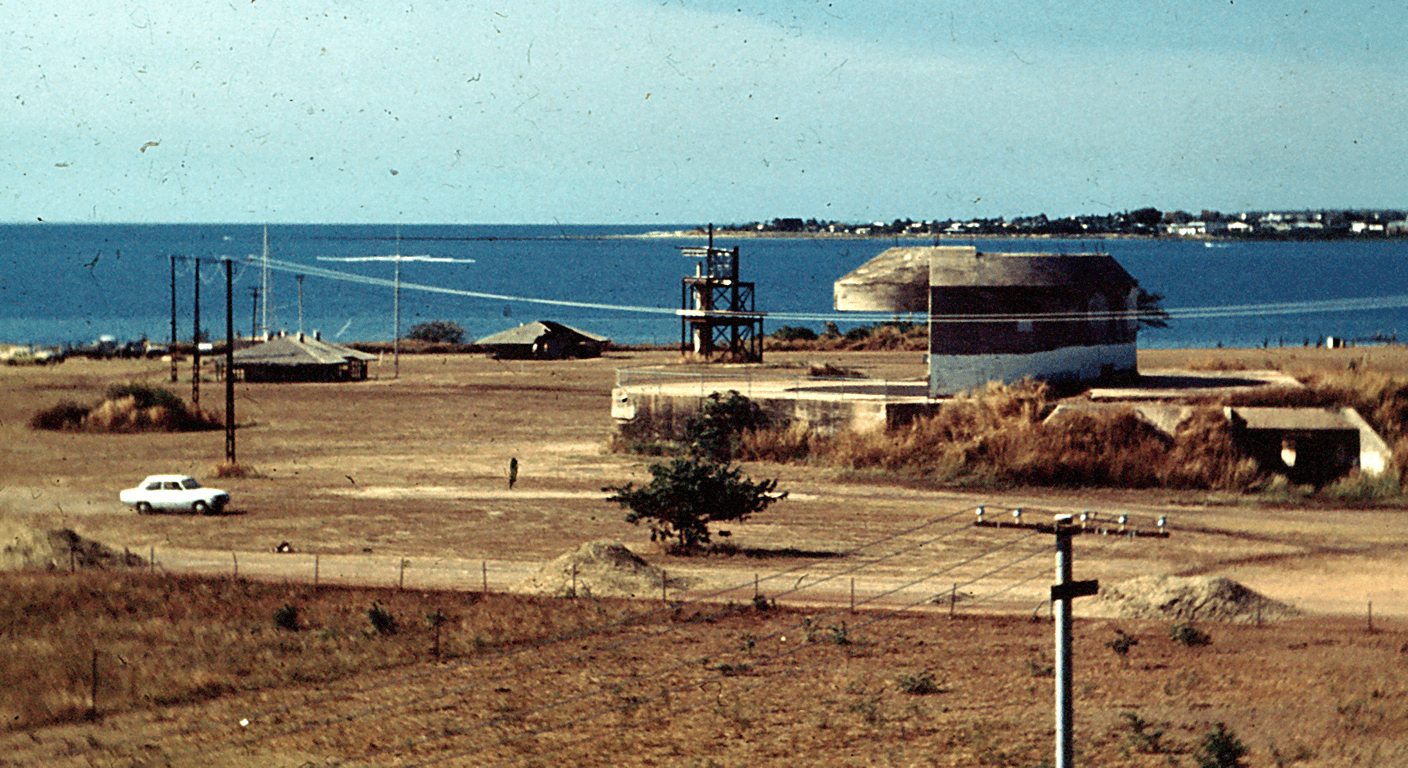
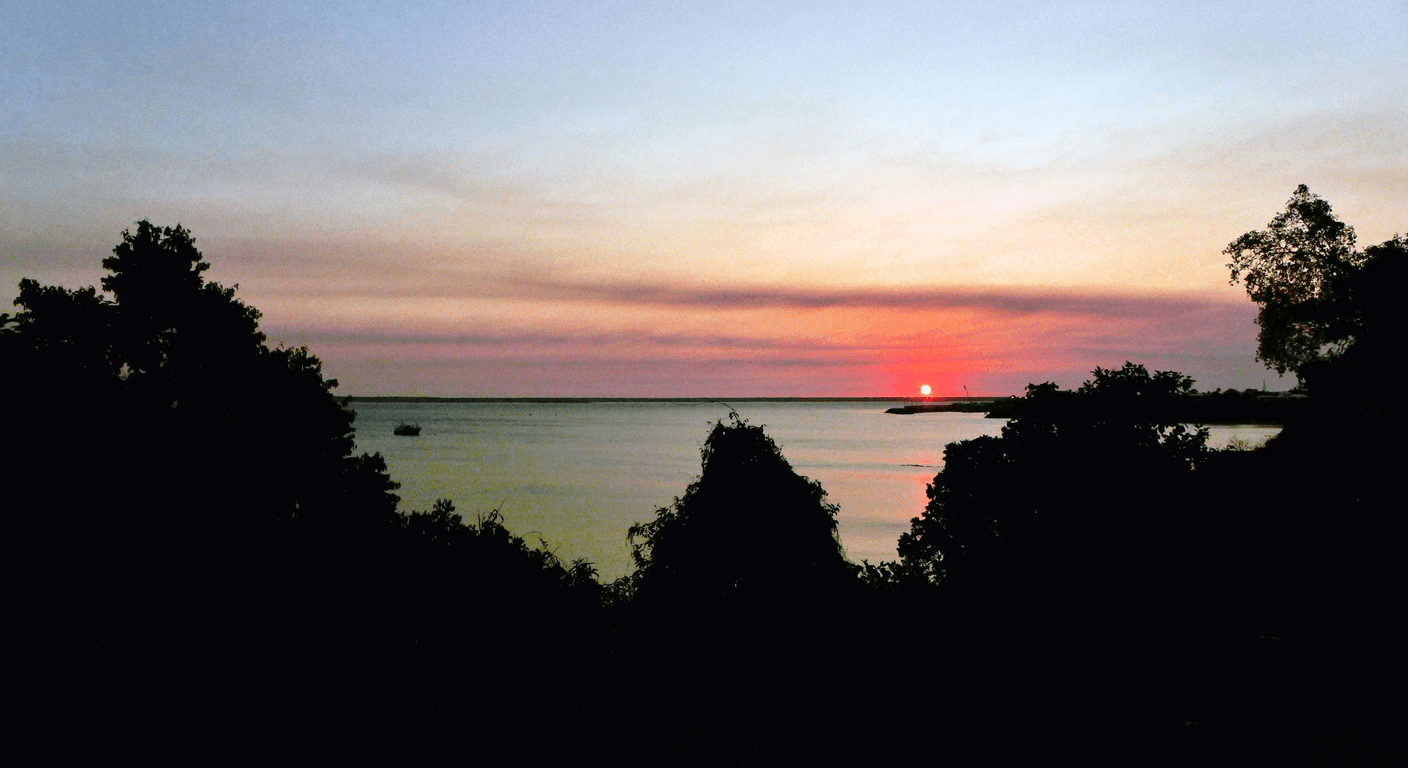
East Point Reserve sits adjacent to Fannie Bay and is one of Darwin's most accessible natural and historical areas. The reserve includes walking tracks through monsoon forest, views across Fannie Bay and Bynoe Harbour, and the East Point Military Museum — which covers Darwin's experience during World War II, including the Japanese bombing raids of 1942. For a group with an interest in history, combining the gaol with East Point makes for a coherent and genuinely rich half-day.
The Military Museum at East Point charges an entry fee — confirm current pricing at the museum directly, as indicative costs have been around fifteen to twenty dollars per adult, but you should verify this before visiting. The reserve itself is free to enter, and the walking tracks are mostly flat and well-maintained, making them manageable for a range of fitness levels. Lake Alexander, a saltwater-free swimming lake within the reserve, is a pleasant spot to rest after a morning of exploring.
Carrying a picnic or buying food before you arrive makes sense for this combination, as dining options within the reserve are limited. A morning that begins at Fannie Bay Gaol, moves through East Point's walking tracks, and finishes with a rest at Lake Alexander is a genuinely satisfying way to spend time in Darwin without a packed itinerary or significant expense.
What is the emotional tone of a visit — and is it suitable for a group?
Fannie Bay Gaol is, by its nature, a sobering place. The history it holds — of punishment, of lives constrained, of two executions carried out within these walls — is not comfortable, and the site does not try to make it so. That honesty is part of its value. A group of friends who go in expecting a cheerful outing will be caught off-guard; a group who goes in curious and open will come away with something to talk about over lunch.
For travellers who have lived through enough of their own history to appreciate complexity, this kind of site tends to land well. There is no performance here, no costumed guide, no dramatisation. It is simply a place that existed, that held people, and that now stands as a record of how the Northern Territory administered justice — or attempted to — across nearly a century. That plainness is, for many older travellers, exactly the right register.
Conversations among friends often deepen after a visit like this. The site naturally prompts reflection on Australia's colonial history, on the treatment of Indigenous Australians within the prison system, and on how much — and how little — has changed. These are not easy conversations, but they are worthwhile ones, and a shared experience like this gives a group of friends a common reference point for having them.
Practical tips before you go
Confirm opening hours directly with the NT Government or a Darwin visitor information centre before your visit — do not rely on third-party listings, which may not reflect current arrangements. Arrive in the morning if at all possible. Wear closed-toe shoes with a grip sole, bring at least a litre of water per person, and apply sunscreen before you arrive rather than after. A hat is essential.
There is no entry fee, no booking required, and no need to join a tour group — the self-guided format is the whole point. Allow between one and one and a half hours for a thorough visit. If your group walks at different paces, the layout of the site makes it easy to drift apart and reconnect without anyone feeling rushed or left behind.
If someone in your group has significant mobility limitations, it is worth calling ahead to ask about current path conditions, as maintenance can vary. The site is not a fully accessible heritage precinct in the way that a purpose-built museum would be, but for most older travellers with average mobility, the flat terrain makes it one of the more manageable outdoor history sites in Darwin.
Quick planning guide
| Ideal pace | Slow-paced and self-guided, allowing time to read signage and linger |
|---|---|
| Best months | May to October (Darwin's dry season), visited in the morning or late afternoon |
| Suggested stay | 1 to 1.5 hours, or a half-day combined with East Point Reserve |
| Mobility level | Easy overall, though dirt paths can be uneven so grip-soled shoes are recommended |
| Cost level | Free entry, no booking required |
| Comfort level | Limited shade, so water, a hat and sunscreen are essential |
| Best for | Groups of friends and older travellers wanting substantial, reflective history over polish |
| Main planning consideration | Confirm current opening hours beforehand and plan around Darwin's heat and lack of shade |
Key takeaways
- Fannie Bay Gaol is free to enter and requires no booking — just confirm opening hours before you visit.
- The site operated as Darwin's main prison from 1883 to 1979, and the cell blocks, gallows and infirmary remain largely intact.
- Paths are flat dirt and concrete, making the site manageable for most older travellers, though closed-toe shoes with grip are recommended.
- Shade is limited across the precinct — a morning or late-afternoon visit is strongly advised, along with water, a hat and sunscreen.
- Fannie Bay Gaol pairs naturally with East Point Reserve and the East Point Military Museum for a historically grounded half-day in Darwin.
- The site is self-guided, unhurried and honest — it suits travellers who want substance and are comfortable with a reflective, sobering experience.
Recommended partners and links
Indicative prices only — always confirm with the operator before booking.
Frequently asked questions
Is Fannie Bay Gaol free to enter?
Yes, entry to Fannie Bay Gaol is free. No booking is required and the visit is self-guided. Confirm current opening hours with the NT Government or a Darwin visitor information centre before you go, as hours can vary.
How long does a visit to Fannie Bay Gaol take?
Most visitors spend between one and one and a half hours at the site. If your group likes to read interpretive signage thoroughly and move at a relaxed pace, allow closer to ninety minutes.
Is Fannie Bay Gaol accessible for older travellers or those with limited mobility?
The paths are largely flat, which helps, but sections are unsealed dirt and can be uneven underfoot. Closed-toe shoes with a grip sole are recommended. The site is not a fully accessible built facility, so anyone with significant mobility concerns should call ahead to ask about current conditions.
What is the best time of day to visit Fannie Bay Gaol?
Morning or late afternoon. Shade across the site is limited and Darwin's sun is intense even in the dry season. A mid-morning start — arriving by eight or nine o'clock — is sensible. Carry at least a litre of water per person regardless of when you go.
Can you combine Fannie Bay Gaol with other nearby attractions?
Yes. East Point Reserve, including its walking tracks and Lake Alexander, is immediately adjacent. The East Point Military Museum, which covers Darwin's World War II history, is also within the reserve and charges a separate entry fee — confirm current pricing directly with the museum before visiting.