The Nile between Luxor and Aswan rewards travel between November and February, when daytime temperatures sit in the low-to-mid 20s°C rather than summer's 45°C-plus. Three to four nights covers the route's temples, with Karnak's vast Hypostyle Hall the standout. Mobility is moderate — uneven ground and steep tomb corridors feature, though a cruise handles transfers and pacing. There's no direct flight from Australia; expect 18–24 hours via hubs like Dubai, Doha or Cairo, often with an Egyptair connection to Luxor.
Why a Nile cruise makes sense after 50
Egypt can be a logistically exhausting destination. The distances between sites are long, the sun is unforgiving, taxis are a negotiation, and the sheer density of history on offer can tip from exhilarating into overwhelming within a single afternoon. A Nile cruise quietly solves most of these problems. Your accommodation travels with you, your Egyptologist is on call at breakfast, and the itinerary is sequenced so you arrive at each temple at the most sensible time of day — usually dawn, before the heat and the tour buses.
For a group of friends travelling together, particularly women who've done enough independent travel to know what they actually want, there's a particular pleasure in having the logistics handled without the experience feeling packaged. The boat becomes a shared base — somewhere to retreat for a cold drink and a debrief after Karnak's sheer scale has rearranged your sense of human ambition. Evenings on the upper deck, watching the feluccas drift past and the desert light go gold, are the parts people remember longest.
The stretch from Luxor to Aswan covers roughly 200 kilometres of the Nile and concentrates an extraordinary number of significant ancient sites within a navigable distance. Three nights is the minimum that does it justice; four nights is more comfortable and allows the odd slow morning. Most organised cruises run south from Luxor to Aswan, though some operate in reverse. Either works — the temples don't move.
Getting there from Australia: the flight reality
There's no direct flight from Australia to Egypt. From Melbourne, Sydney or Brisbane, the most common routes connect through Dubai, Abu Dhabi, Doha or Cairo, with total travel times to Luxor typically sitting between 18 and 24 hours including stopovers. Flying into Cairo and then taking a domestic Egyptair flight to Luxor is a well-worn path; some travellers prefer to fly directly into Luxor if their routing allows. Confirm current flight options with your travel agent or airline, as routes and connections change.
Jet lag is real and the time difference from eastern Australia is around six to seven hours behind, depending on daylight saving. A recovery night in Luxor before boarding — or a pre-cruise night in a comfortable hotel — is not an indulgence; it's a practical decision that makes the first temple visit considerably more enjoyable. Arriving bleary-eyed at Karnak is a waste of Karnak.
For visa and entry requirements, check smartraveller.gov.au before booking anything. Egypt's entry rules, visa-on-arrival arrangements and any travel advisories are updated regularly by the Department of Foreign Affairs and Trade, and that's the only source worth trusting. Travel insurance is non-negotiable, and for travellers over 50 with any pre-existing medical conditions, confirm your policy covers them explicitly — not all standard policies do.
The temples: what to expect at Karnak, the Valley of the Kings, Edfu and Philae
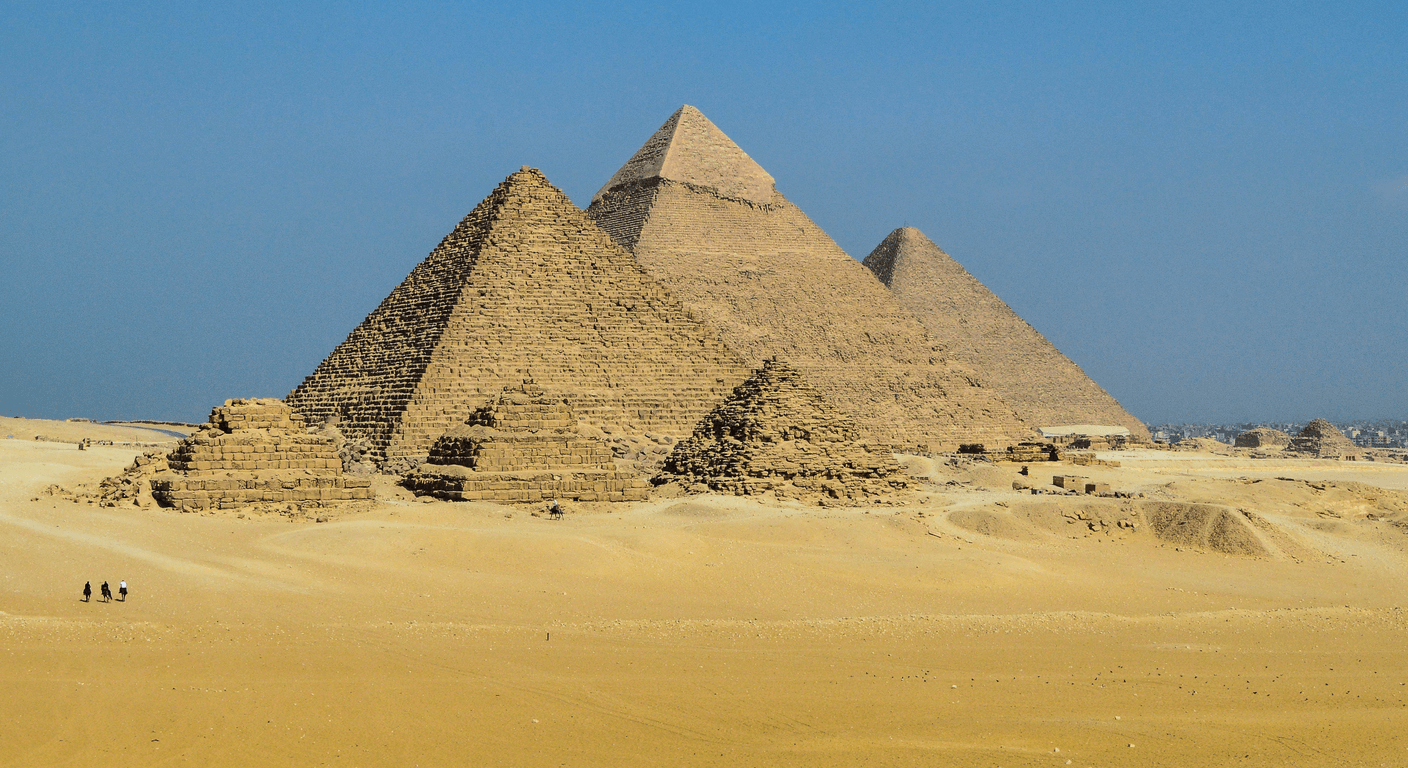
Karnak is where most cruises begin, and it earns its reputation. The complex took roughly 2,000 years to build and the scale is genuinely disorienting in the best way — the Hypostyle Hall alone, with its 134 massive sandstone columns, is one of those rare places where photographs simply cannot convey what standing inside it feels like. The site is large and the walking is uneven; comfortable, closed-toe shoes with good grip are essential, not optional. Early morning light here is extraordinary, and most guides will have you inside before the larger groups arrive.
The Valley of the Kings sits on Luxor's west bank and requires a short transfer from the river. Entry to the general site is separate from individual tomb entry — most tickets cover three tombs, and KV62 (Tutankhamun's tomb) costs extra. The tombs themselves involve descending steep, sometimes narrow corridors; some are more accessible than others, and a good guide will match suggestions to the group's comfort level. The painted walls inside are in far better condition than many people expect. Bring water and a small torch.
Edfu's Temple of Horus is arguably the best-preserved temple in Egypt — it was buried under sand and village buildings for centuries, which is precisely why it survived. The approach by horse-drawn carriage from the dock is atmospheric if a little bumpy; calèche drivers are persistent but the ride is short. Philae, near Aswan, involves a short boat transfer to an island and is particularly beautiful in the late afternoon. The temple was relocated stone by stone in the 1970s to save it from the rising waters of Lake Nasser — a feat of international cooperation that's easy to forget when you're standing in front of it.
Heat, early starts and pacing yourself honestly
Egypt in summer is brutal — temperatures in Luxor can reach 45°C or above between June and August. This is not the time to go. November through February is the sweet spot: daytime temperatures in the low-to-mid 20s°C, cool evenings, and enough daylight to do justice to the sites without suffering. Even in winter, temple visits begin at dawn, typically around 6 or 7am, before the temperature climbs and the larger tour groups arrive. The early alarm is a feature, not a flaw.
Afternoons on a well-run cruise are generally free — time on the boat's sun deck, a rest in the cabin, or a gentle wander through whatever town the boat is moored near. This rhythm suits most travellers over 50 very well: intense, early mornings of culture, and genuinely restorative afternoons. Aswan itself, the end point of most cruises, rewards a slower afternoon stroll along its Corniche or a felucca ride around Elephantine Island.
Sun protection is not negotiable in Egypt, even in winter. A broad-brimmed hat, high-SPF sunscreen, a light long-sleeved layer and good sunglasses are the baseline kit for every temple visit. Dehydration can sneak up quickly when you're absorbed in 3,000-year-old hieroglyphics. Carry water, drink it.
Stomach care and food: the practical discipline
Food safety discipline matters more in Egypt than in many other destinations Australians visit. The rule that experienced travellers follow is straightforward: eat cooked food, avoid raw salads and unpeeled fruit from outside the boat, drink only bottled or purified water — including for brushing teeth — and be cautious with ice in drinks from unknown sources. On a reputable cruise boat, the kitchen standards are generally high, and the food is often genuinely good: fresh fish from the Nile, slow-cooked lamb, mezze spreads. The risk comes from eating outside the boat without care.
This isn't cause for anxiety; it's cause for a simple, consistent habit. Experienced group travellers tend to set a quiet code among themselves early in the trip and stick to it. Carrying a small supply of oral rehydration sachets and any stomach-settling medication your GP recommends is sensible preparation, not pessimism. Consult your doctor before departure about any specific dietary or medication considerations for your health profile.
Tipping culture: what to know before you go
Tipping — baksheesh — is deeply embedded in Egyptian culture and is not optional if you want to travel without constant friction. It's not a scam; it's a functioning part of the local economy in a country where service wages are low. The challenge for first-time visitors is calibrating amounts and occasions. On a cruise, your Egyptologist guide, the boat crew and the cabin stewards all expect a tip at the end of the voyage; your cruise operator should provide guidance on standard amounts, and it's worth asking directly before departure.
Outside the boat — at temples, when someone offers to take a photo, when a guard opens a gate to show you something special — small Egyptian pound notes are the appropriate currency. Keeping a supply of small denominations in a separate pocket makes these transactions smooth rather than awkward. The current exchange rate for Australian dollars to Egyptian pounds fluctuates; check before you travel and confirm with your bank what options exist for carrying local currency. Most cruise operators can advise on the practical tipping conventions for their specific itineraries.
Choosing a boat and understanding the cost range
Nile cruise boats are graded from budget to luxury, and the difference in experience between the bottom and top of that range is significant. Budget boats can be cramped, noisy and inconsistent on food safety; premium boats offer larger cabins, better Egyptologists, quieter itineraries and noticeably higher kitchen standards. For travellers over 50 who want comfort and a reliable experience, the mid-range to premium tier is worth the investment. Indicative costs for a packaged Nile cruise including flights from Australia range from around AUD 4,500 to AUD 9,000+ per person depending on boat grade, cabin type, operator and season — treat these figures as orientation only and confirm current pricing directly with operators.
Australian-based operators such as APT, Scenic and Abercrombie & Kent package Nile cruises with flights, guides and pre- or post-cruise hotel nights, which simplifies the logistics considerably. Independent booking through an Egyptian operator is also possible and can be less expensive, but requires more research and a higher tolerance for uncertainty. For a first visit to Egypt, a fully packaged tour with an Australian operator provides a useful buffer — both logistically and in terms of recourse if things go wrong.
When comparing boats, ask specifically about cabin size and air conditioning reliability (crucial in any shoulder-season heat), the Egyptologist's qualifications, the group size, and whether site entry fees and tipping guidance are included. A boat that moors away from the busy central quay in Luxor or Aswan can mean a quieter night's sleep — worth asking about.
Quick planning guide
| Ideal pace | Slow-paced with early dawn starts, free afternoons |
|---|---|
| Best months | November to February |
| Suggested stay | 3 to 4 nights between Luxor and Aswan |
| Mobility level | Moderate — uneven temple ground and steep tomb corridors |
| Cost level | Mid-range to premium (roughly AUD 4,500–9,000+ per person) |
| Comfort level | High on mid-range to premium boats; variable on budget vessels |
| Best for | Australians over 50, including groups of friends, wanting logistics handled |
| Main planning consideration | Long connecting flights and heat-driven early-morning temple schedules |
Key takeaways
- November to February is the only sensible window for a Nile cruise from Australia — winter temperatures in Luxor sit in the low-to-mid 20s°C.
- A Nile cruise solves Egypt's logistics in one booking: accommodation, transport between temples and an on-board Egyptologist are all included.
- Temple visits begin at dawn — the early start is essential to beat both the heat and the crowds, and the morning light is worth it.
- Mid-range to premium boats offer meaningfully better cabin comfort, food safety standards and guide quality than budget vessels.
- Check current visa and entry requirements for Egypt at smartraveller.gov.au before booking, and confirm travel insurance covers any pre-existing conditions.
- Tipping (baksheesh) is a genuine part of Egyptian daily life — ask your operator for current guidance and carry small local currency notes.
Recommended partners and links
Indicative prices only — always confirm with the operator before booking.
Frequently asked questions
When is the best time for Australians to do a Nile cruise?
November to February is the best time for a Nile cruise from Australia. Daytime temperatures in Luxor and Aswan sit in the low-to-mid 20s°C, evenings are cool, and the light for photography is excellent. Summer months (June to August) bring extreme heat — often above 40°C — and are not recommended.
How long does a Nile cruise between Luxor and Aswan take?
Most Luxor-to-Aswan Nile cruises run three to four nights. Three nights is the practical minimum to cover the key sites — Karnak, Valley of the Kings, Edfu and Philae — at a reasonable pace. Four nights allows slower mornings and is more comfortable for travellers who prefer not to rush.
Is a Nile cruise suitable for travellers with mobility considerations?
A Nile cruise rates as Moderate for mobility. The temples involve uneven ancient stone surfaces, steps of varying height and sun-exposed open areas. Karnak and the Valley of the Kings require steady footing. However, the pace is generally unhurried and a good Egyptologist guide will adapt the group's path to suit different comfort levels. Closed-toe shoes with firm grip are essential.
Do Australians need a visa to visit Egypt?
Australian passport holders have historically been able to obtain a visa on arrival in Egypt, but entry requirements change. Check the current rules at smartraveller.gov.au before booking — that is the Australian Government's official travel advice site and the only reliable source for up-to-date visa and entry information for Egypt.
How much does a Nile cruise cost from Australia?
Indicative costs for a packaged Nile cruise including flights from Australia range from around AUD 4,500 to AUD 9,000 or more per person, depending on the operator, boat grade, cabin type and season. These are rough orientation figures only — confirm current pricing directly with operators such as APT, Scenic or Abercrombie & Kent, as costs vary significantly by departure date and availability.