Savonlinna, a small island town in Finland's Lakeland, is best visited in July, when near-continuous daylight and the Savonlinna Opera Festival bring 15th-century Olavinlinna Castle to life. Three to four unhurried days suit the town's pace, ideally bookended by nights in Helsinki. The castle and slow Saimaa steamboat cruises are the highlights. Mobility is moderate — the castle has uneven stone stairs, though the town itself is flat and walkable. Getting there means a 22–26 hour flight to Helsinki, then a four-to-five hour train with a change.
Why Savonlinna works so well for travellers over 50
There's a particular kind of travel that suits a group of women in their sixties — somewhere that rewards lingering rather than rushing, where the itinerary is loose enough to follow a good conversation onto a boat or into a café without feeling like you've missed anything. Savonlinna is exactly that kind of place. It has one unmissable centrepiece, a handful of genuinely good things to do around it, and a tempo that doesn't punish you for slowing down.
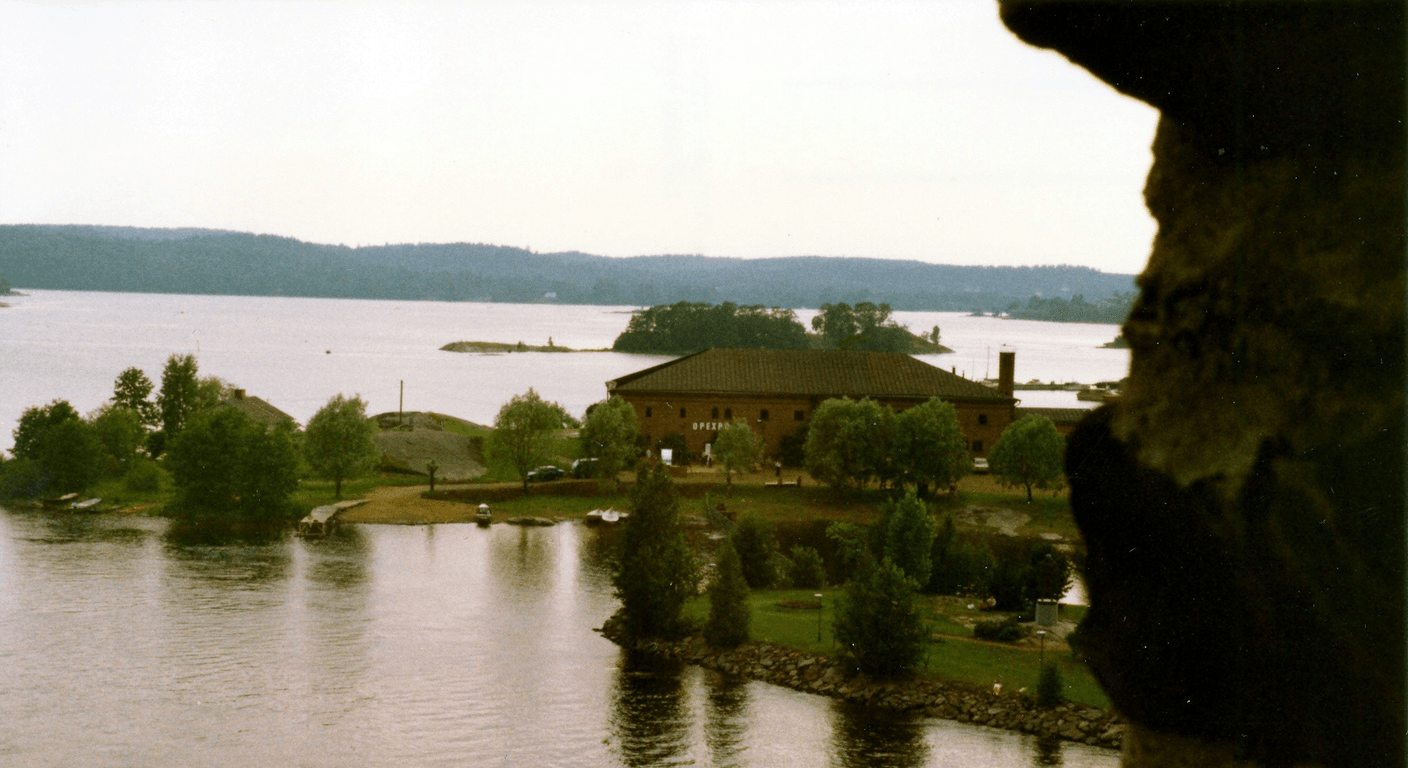
The town sits roughly halfway between Helsinki and Joensuu, surrounded by a labyrinth of lakes that cover nearly a third of the surrounding region. Population is modest — around 30,000 — which means no crowds, no queues worth speaking of outside festival week, and a waterfront that feels like it belongs to whoever happens to be walking along it. The market square opens early, the coffee is strong, and nobody is in a particular hurry.
For travellers who've visited Finland before and want something beyond the capital's design museums and ferry terminals, the Lakeland offers a completely different register. For those arriving for the first time, it's worth building in two nights in Helsinki at each end — the jet lag from Australia is real, and arriving in a city with good food, flat pavements, and a gentle tram network is a sensible buffer before heading deeper into the countryside.
Getting there: the long-haul realities from Australia
From Melbourne, Sydney or Brisbane, the journey to Helsinki involves roughly 22–26 hours in the air depending on the routing and stopover city. Common connections run through Singapore, Dubai, Doha or Frankfurt. Finnair operates direct services from Singapore and several European hubs, which can reduce the number of transfers. There's no way to dress up long-haul flying to Finland — it is a substantial journey — but the destination genuinely repays the effort.
Once in Helsinki, the train to Savonlinna is the sensible choice. VR Finnish Railways runs services from Helsinki Central Station, though travellers should note that a rail change is typically required — historically at Parikkala or Pieksämäki, depending on the timetable — and total journey time is roughly four to five hours. Check current timetables and book ahead at vr.fi, as Finnish trains fill up in summer. The train journey itself is a pleasure: water appears alongside the tracks within an hour, and by the time you're approaching Savonlinna the carriages are threading between lakes.
Travellers should check current Finnish visa and entry requirements via smartraveller.gov.au before booking. Finland is a Schengen Area country, and Australian passport holders should confirm whether the European Travel Information and Authorisation System (ETIAS) applies to their travel dates — implementation details and timing should be verified directly, as requirements can change. Travel insurance covering pre-existing medical conditions is essential; compare policies carefully and declare everything.
Olavinlinna Castle: what to expect on the ground
Olavinlinna — St Olaf's Castle — was built in 1475 on a small rocky islet in the middle of the Saimaa lake system, and it is still there, more or less intact, which is either a miracle of Nordic preservation or a mark of the castle's original builders. It's connected to the town by a short pedestrian bridge and is the single most compelling reason to come to Savonlinna.
Access involves some uneven stone surfaces and narrow medieval staircases, so travellers with significant mobility concerns should check current accessibility information on the Finnish Heritage Agency's site before visiting. That said, much of the castle's atmosphere comes from simply walking its outer ramparts and looking out over the water — you don't have to climb every tower to feel the history of the place. Guided tours run in English during summer and are worth the hour.
Outside festival season, the castle is a relatively quiet attraction. In July, when the opera festival occupies its courtyard, the whole precinct takes on a different energy — ticket holders in evening dress navigating cobblestones, interval drinks by the water, and a performance backdrop that no purpose-built opera house has ever matched. If this is the draw, book festival tickets and accommodation simultaneously and well in advance.
The steamboats: the best way to see the lakes
The old steamboats that still ply the Saimaa lake system are not a tourist gimmick. They were the working transport of the Finnish interior for over a century, connecting islands and lakeside towns before roads made them redundant. A handful have been preserved and continue to operate in summer, and a cruise aboard one of them — whether for a few hours or an overnight journey to Lappeenranta — is the most purely pleasurable thing you can do in the region.
For a group travelling together, a longer cruise makes particular sense. The pace is slow by design, the scenery changes gradually, and there's time to sit on deck with a coffee and simply watch Finland pass by. Seating is comfortable, the vessels are stable on calm lake water, and the social dynamic of a small ship suits groups well. Check current operators and routes through the Savonlinna tourist information office or Visit Finland's website, as scheduling varies by season and year.
Shorter lake trips — two to three hours, departing from the town harbour — are also available and are a good option if a full-day cruise feels like too much. The key is to be on the water at some point, ideally in the long evening light of a Finnish July, when the sun doesn't fully set and the lake surface turns a colour somewhere between copper and gold.
July daylight and what to do with it
Finland in July operates on a different clock. In Savonlinna, which sits at roughly 62 degrees north, the sun barely dips below the horizon at midsummer — civil twilight persists through the night, and it never gets fully dark. For travellers arriving from Australia's winter, the experience of sitting outside at 10pm in warm, golden light is quietly disorienting in the best possible way.
This means the usual structure of a travel day doesn't quite apply. Dinner can start late without any sense of rush. An evening walk along the lakeshore at nine o'clock feels perfectly natural. The opera performances, which begin after 7pm in the castle courtyard, finish in a light that hasn't faded, and the walk back to the hotel requires no torch. It's worth giving yourself a few days to adjust to the rhythm rather than fighting it.
For those who find the perpetual light affects their sleep, a good eye mask is essential — pack one regardless of how deeply you normally sleep. The trade-off is worth it. There's something about long Scandinavian summer evenings that slows the mind in a way that shorter-daylight destinations don't quite manage.
Eating, staying, and spending in Savonlinna
Finland is not a budget destination. Restaurant meals in Savonlinna will generally run from around AUD 30–60 per person for a main course at a mid-range establishment, and wine and beer are taxed heavily. That said, the town's market square — open daily in summer — is an excellent and more affordable option for lunch: fresh vendace (a small lake fish, a local speciality), Karelian pasties, and good coffee at prices that won't sting. Eating at the market once a day makes the overall spend more manageable.
Accommodation ranges from comfortable lakeside hotels to smaller guesthouses and self-catering apartments. During festival week in July, prices rise sharply and availability shrinks; outside that window, indicative hotel rates might run from around AUD 180–280 per night for a well-located double room, though travellers should confirm current pricing directly with properties. Booking several months ahead for any July travel is not overcaution — it's basic logistics.
The town itself is compact enough to navigate on foot for most of the day, with the harbour, market square, castle bridge, and main commercial street all within comfortable walking distance of one another. Taxis and local transport are available for those who prefer not to walk. A group travelling together can share transfers from the train station and split the cost of any private lake excursion, which keeps the numbers reasonable.
Practical considerations before you leave Australia
The Finnish summer is warm by Nordic standards but not by Australian ones. July temperatures in Savonlinna typically sit between 18–25°C, occasionally higher, with evenings cooling noticeably. Light layers, a packable rain jacket, and comfortable walking shoes with grip are the sensible wardrobe. Mosquitoes are present near the water in July — pack repellent.
Travel insurance with comprehensive medical cover and pre-existing condition declarations is non-negotiable for this journey. Finland has an excellent public health system, but out-of-pocket costs for uninsured visitors can be significant, and medical evacuation from a regional Finnish town back to Australia is expensive without cover. Compare policies carefully and read the fine print on pre-existing conditions. The Australian Government's smartraveller.gov.au is the authoritative source for current travel advisories, entry requirements, and insurance guidance — check it closer to departure as well as when planning.
Currency is the euro. Cards are accepted almost universally in Finland — it's one of the most cashless societies in the world — but having a small amount of euros for the market is useful. Mobile data works well across the region; Finnish telecommunications infrastructure is reliable. The time difference from Melbourne is UTC+10 in Australian Eastern Standard Time versus UTC+3 in Finland during summer, meaning a seven-hour difference — manageable, but factor it into communication with family at home.
Quick planning guide
| Ideal pace | Slow and unhurried, built around lingering rather than sightseeing checklists |
|---|---|
| Best months | July, for continuous daylight and the opera festival |
| Suggested stay | 3-4 days in Savonlinna, plus buffer nights in Helsinki |
| Mobility level | Moderate — castle has uneven stone surfaces and narrow stairs, town centre is flat and walkable |
| Cost level | Premium — Finland is not a budget destination, though the market square offers cheaper options |
| Comfort level | Comfortable lakeside hotels and guesthouses, with easy foot access around town |
| Best for | Groups of friends wanting a slow-paced, uncrowded alternative to Helsinki, and travellers drawn to opera, castles or lake cruises |
| Main planning consideration | Book opera festival tickets and July accommodation simultaneously and months in advance |
Key takeaways
- Savonlinna's Olavinlinna Castle, built in 1475 on a lake islet, is one of the best-preserved medieval castles in northern Europe and the centrepiece of the Savonlinna Opera Festival each July.
- A lake cruise aboard one of the old Saimaa steamboats is the most rewarding and accessible way to experience Finland's Lakeland — gentle, scenic, and socially suited to groups.
- July in Savonlinna means near-continuous daylight, with the sun barely setting — an extraordinary experience for Australian winter travellers, but pack a good eye mask.
- The train from Helsinki Central to Savonlinna takes roughly four to five hours and typically requires a rail change; book seats on vr.fi well ahead of any July travel.
- Opera festival tickets and July accommodation in Savonlinna sell out months in advance — these must be secured simultaneously and early if the festival is the reason for the trip.
- Confirm Finnish entry requirements, Schengen Area rules, and any ETIAS obligations at smartraveller.gov.au before booking, and ensure travel insurance covers pre-existing conditions.
Recommended partners and links
Indicative prices only — always confirm with the operator before booking.
Frequently asked questions
How do you get from Helsinki to Savonlinna by train?
VR Finnish Railways operates services from Helsinki Central Station to Savonlinna, with a journey time of roughly four to five hours and typically a rail change at Parikkala or Pieksämäki. Timetables and seat bookings are available at vr.fi. Book ahead for July travel, as summer trains fill up.
Do Australian passport holders need a visa to visit Finland?
Finland is part of the Schengen Area. Australian passport holders can generally enter Schengen countries without a visa for short stays, but should confirm current entry requirements — including whether the European Travel Information and Authorisation System (ETIAS) applies to their travel dates — at smartraveller.gov.au, as requirements can change.
Is Savonlinna accessible for travellers with limited mobility?
The town centre and waterfront are generally manageable for travellers with moderate mobility. The castle interior involves uneven stone surfaces and narrow medieval staircases, which may be challenging; check current accessibility information on the Finnish Heritage Agency's site before visiting. Lake cruises are generally stable and comfortable for most travellers.
When does the Savonlinna Opera Festival take place and how do you buy tickets?
The Savonlinna Opera Festival runs in July each year, with performances staged in the courtyard of Olavinlinna Castle. Tickets are sold through the official festival website at operafestival.fi/en. Demand is high and tickets for popular performances sell out months in advance; check the site for programme announcements and book as early as possible.
What is the weather like in Savonlinna in July?
July is Savonlinna's warmest month, with typical daytime temperatures between 18–25°C, occasionally higher. Evenings cool down noticeably. Daylight is near-continuous at midsummer — the sun barely sets — which is a remarkable experience but can disrupt sleep. Pack light layers, a rain jacket, and mosquito repellent for evenings near the water.