A Fiordland cruise day sees the ship sail directly into Milford or Doubtful Sound, with no walking, tenders or shore excursions required — the vessel itself is the viewing platform. Transits run four to eight hours, best experienced November to March for clearer visibility, though rain intensifies the waterfalls year-round. Mobility demands are minimal, making it ideal for over-50 travellers, and access from eastern Australia involves just a three to four hour flight to New Zealand.
What actually happens on a Fiordland cruise day
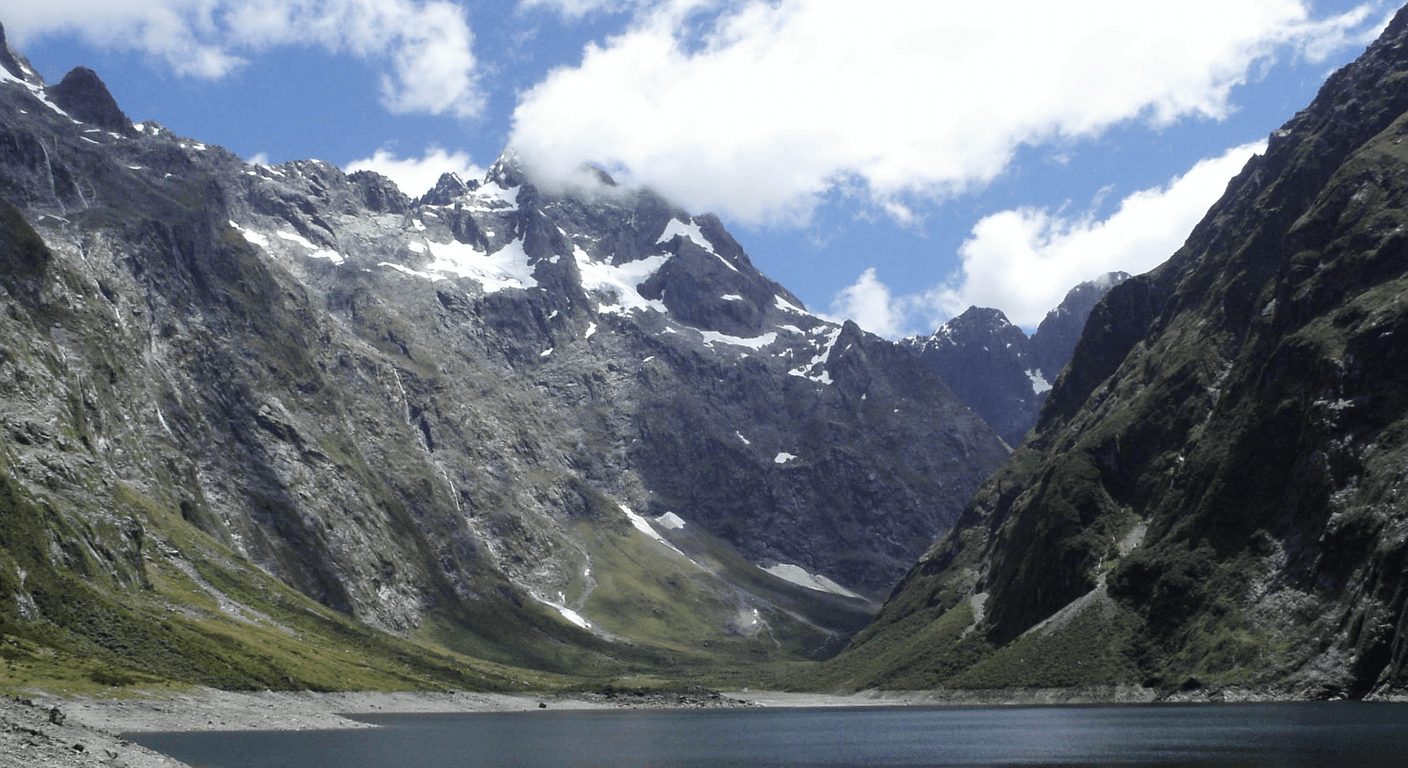
There's no tender, no gangway, no tour bus. On a Fiordland transit day, the ship simply slows, turns its bow toward the fiord entrance, and begins one of the most unhurried pieces of sailing you'll find on any itinerary. The cliffs rise on both sides — sometimes a few hundred metres, sometimes over a kilometre — and the vessel moves at a pace that lets you actually look. That's the point.
Most Fiordland calls run between four and eight hours depending on the cruise line and the fiord being visited. The morning typically begins with the ship approaching from the Tasman Sea, entering the fiord in the early hours after breakfast. Passengers who want the full cold-air, mist-on-the-face experience head to the open promenade deck. Those who prefer warmth without missing anything find a window seat in the main lounge or a panoramic observation area — increasingly standard on ships doing this route. Neither choice is second-best.
Lunch is usually served during the transit, which is a quietly civilised arrangement. You can eat, then step outside to watch a waterfall appear around a cliff face, then return for coffee. The ship reverses out of the fiord in the afternoon — another viewing opportunity, and a slightly different angle on every formation you passed on the way in.
Milford Sound and Doubtful Sound: what makes them different
Milford Sound — Te Anau Piopiotahi — is the one most people picture: Mitre Peak rising 1,692 metres almost directly from the water, sheer cliff faces, and waterfalls that appear after rain along nearly every wall. It's the shorter of the two transits, and the narrower. The sense of enclosure is immediate. On a clear morning the reflections are almost architectural. On a rainy day — which is more common than not, Milford receiving around seven metres of rainfall annually — the waterfalls multiply and the mist sits low on the peaks. Both conditions are worth seeing.
Doubtful Sound is larger, quieter, and takes longer to reach from the open sea. It runs roughly three times the length of Milford and branches into several arms, so the transit has a more exploratory quality. Fewer vessels enter Doubtful Sound, which affects the atmosphere on deck — there's less of the small-boat ferry traffic you sometimes see at Milford. The wildlife, particularly bottlenose dolphins and New Zealand fur seals, tends to be more reliably present. It's a different register of experience: less dramatic in the peak-and-waterfall sense, more genuinely remote.
Cruise itineraries don't always specify which fiord until closer to the date, and some lines openly note that conditions on the day may determine the routing. This isn't an evasion — it's honest seamanship. Milford's entrance can be affected by sea state or visibility; Doubtful Sound's approach has its own considerations. If you have a strong preference, raise it with your cruise line when booking, and read the itinerary notes carefully.
Why this day suits travellers with limited mobility particularly well
A Fiordland transit is, structurally, a non-walking day. The ship is the vehicle and the viewing platform simultaneously. For anyone managing arthritis, a recent joint replacement, balance concerns, or simply the entirely reasonable preference not to hike in wet weather on unfamiliar terrain, this is a genuinely comfortable day out — without any of the compromises that phrase usually implies.
The open promenade deck on most mid-to-large cruise ships is flat and railed, with seating at intervals. Wet-weather gear matters more than footwear. A good waterproof jacket and a warm layer are the real packing priorities for the deck — the fiords generate their own weather regardless of the season, and the air temperature drops noticeably as the ship moves deeper into the sound. Most ships provide blankets or heated outdoor seating areas on fiord days; confirm this with your cruise line.
Wheelchair users and passengers with mobility aids will find the indoor viewing options on modern ships well-suited to this kind of transit. It's worth calling the cruise line's accessibility team before sailing to confirm which decks have the best sightlines and what outdoor access looks like on your specific vessel. That conversation is worth having early — not as an afterthought.
What you'll see from the rail: waterfalls, wildlife, and the cliff faces
The waterfalls are the detail that surprises people who haven't done this before. They don't appear in one or two postcard locations — they cascade from dozens of points along the cliff walls, particularly after rain, which means a wet Fiordland day often produces better waterfall viewing than a clear one. Stirling Falls in Milford Sound drops around 151 metres directly into the fiord; on some itineraries the ship positions close enough that passengers on the forward deck feel the spray. It's one of those moments that doesn't require a photograph to remember.
Wildlife sightings are common but not guaranteed, as they should be. Bottlenose dolphins occasionally bow-ride or surface near the ship. New Zealand fur seals haul out on rocks near the fiord entrances. The Fiordland crested penguin — one of the rarer penguin species — inhabits the area, though sightings from a ship are opportunistic. The ship's naturalist commentary, where provided, adds context without turning the experience into a lecture.
The geology is Precambrian granite and gneiss — some of the oldest rock in New Zealand — and the cliff faces show it: grey, ancient, and largely unweathered because the angle is too steep for soil to hold. The rainforest clings to every surface that isn't vertical. After a few hours in the fiord, you begin to understand why this landscape was inscribed as a UNESCO World Heritage Area in 1986. It's not one dramatic view. It's sustained.
Getting to Fiordland: the Australian traveller's practical reality
For Australians, a New Zealand cruise with a Fiordland call is among the more accessible international itineraries available. Direct flights from Melbourne or Sydney to Auckland, Christchurch, or Queenstown run between three and four hours — no long-haul fatigue, no significant jet lag, and the time zone difference from eastern Australia is only two to three hours depending on daylight saving. This matters more than it sounds: arriving in reasonable shape means you're not spending the first two days of a cruise recovering.
Most itineraries that include Fiordland are round-trips from Auckland, or they position between Auckland and Christchurch or Dunedin. Some Australian-departure cruises — particularly those leaving from Sydney or Melbourne — include a Fiordland transit as part of a Tasman crossing itinerary. These tend to be 10–14 nights, which is a sensible length for getting genuine value from the New Zealand coastline rather than rushing.
Travel insurance with pre-existing condition cover is essential, and worth arranging before booking rather than after. New Zealand has reciprocal healthcare arrangements with Australia under the Medicare reciprocal agreement for emergency treatment, but cruise ship medical facilities and evacuation costs are a separate matter entirely. Confirm your policy covers cruise-specific scenarios and that your insurer is aware of any existing conditions before departure.
Weather, seasons, and what to realistically expect
Fiordland has no bad season, but it does have different seasons. November through March brings longer days and the highest chance of clear visibility — the kind of morning where Mitre Peak reflects perfectly in flat water. This is also the peak cruise season, so ships are fuller and itineraries more frequent. June through August means shorter days, colder temperatures, and the possibility of snow on the upper peaks, which is its own kind of spectacle. The waterfalls are typically at their most dramatic in the wetter months.
Rain is simply part of the Fiordland experience. Milford Sound receives one of the highest annual rainfalls of any inhabited place on earth. Experienced travellers who've done this run will tell you that a rainy transit day in the fiord is not a disappointment — it's a different and often more atmospheric version of the same experience. The mist, the sound of water on every surface, the way the light diffuses through cloud cover: it's genuinely worth embracing rather than dreading.
Visibility can occasionally be poor enough to affect the experience meaningfully — dense fog, for instance, can reduce sightlines significantly. This is rare but real. If you're building a New Zealand itinerary specifically around a Fiordland day, it's worth having a conversation with your travel agent about what the cruise line's policy is when conditions are genuinely limiting. Most reputable lines are transparent about this.
How to get the most from the day: practical tips for the fiord transit
Position matters. The forward deck and the upper open decks give the widest views as the ship enters the fiord — particularly for the first approach to Mitre Peak or the Doubtful Sound entrance. Ask the cruise director or guest services the evening before which side of the ship will face the key formations on entry. On Milford Sound, Mitre Peak is typically to port on entry from the sea; confirm this with your ship's team as routing can vary.
Dress in layers. Even in midsummer, the fiord air is cool and the spray from waterfalls adds a chill. A lightweight waterproof over warm layers is the practical combination — and waterproof trousers are not excessive if you plan to spend hours on deck. Binoculars are worth packing; the cliff faces and wildlife are more rewarding with magnification, and the detail in the rock and forest is surprising up close.
The ship's naturalist or port lecturer will usually give a briefing the evening before the fiord day. Attending this is time well spent — not because you need to study, but because knowing what you're looking at changes the experience. Understanding that the hanging valleys were formed by glaciers, or that the permanent freshwater layer sitting on the saltwater below creates the unusual dark underwater visibility of the fiords, makes the transit richer. Some cruise lines offer a documentary screening the previous evening. Take it.
Quick planning guide
| Ideal pace | Slow and unhurried — the ship sets the pace, no walking required |
|---|---|
| Best months | November to March for clearer skies and calmer water, though the fiords are worth visiting year-round |
| Suggested stay | A single 4–8 hour fiord transit, typically part of a 10–14 night New Zealand or Tasman crossing itinerary |
| Mobility level | Easy — fully accessible from open or indoor viewing decks with no walking involved |
| Cost level | Premium, cruise-inclusive experience |
| Comfort level | High, with sheltered lounges, panoramic observation areas and heated outdoor seating on most ships |
| Best for | Travellers over 50 who want dramatic scenery without hiking, including those with limited mobility or joint concerns |
| Main planning consideration | Which fiord you'll enter may depend on sea conditions on the day, and travel insurance covering pre-existing conditions and cruise scenarios should be arranged before booking |
Key takeaways
- A Fiordland cruise day is an on-deck, no-walking experience — the ship is both transport and viewing platform, making it genuinely Easy mobility.
- Milford Sound is narrower and more dramatic; Doubtful Sound is larger, quieter, and more remote — both are worth experiencing, and conditions may determine which you visit.
- Fiordland receives one of the world's highest annual rainfalls, and a rainy fiord day produces more waterfalls, not a worse experience.
- From eastern Australia, New Zealand cruise itineraries involve three to four hours of flying with minimal jet lag — among the most accessible international cruise options available.
- Travel insurance covering pre-existing conditions and cruise-specific scenarios should be arranged before booking, not as an afterthought.
- Position yourself on the forward or upper open deck for the fiord entry, dress in waterproof layers, and attend the ship's naturalist briefing the evening before.
Recommended partners and links
Indicative prices only — always confirm with the operator before booking.
Frequently asked questions
Do you need to walk or go ashore to experience Milford Sound or Doubtful Sound on a cruise?
No. On a Fiordland scenic cruise transit, the ship sails into the fiord and back out without docking or tendering. The entire experience takes place from the ship's decks or interior lounges, making it one of the most accessible scenic days on any New Zealand cruise itinerary.
Will my cruise visit Milford Sound or Doubtful Sound — and can I choose?
Most itineraries specify which fiord is planned, but cruise lines often note that conditions on the day may determine the final routing. Some itineraries include both on successive days. If you have a strong preference, check the itinerary notes carefully and discuss it with your travel agent or cruise line before booking.
What is the weather like in Fiordland, and does rain ruin the experience?
Fiordland is one of the wettest regions on earth, and rain is common year-round. Rain does not ruin a fiord transit — it typically increases the number and volume of waterfalls visible from the ship, and the misty, atmospheric conditions are a genuine feature of the landscape rather than a drawback.
Is a New Zealand cruise with a Fiordland call a good option for Australian travellers with mobility limitations?
Yes. The fiord day itself requires no walking, and modern cruise ships have flat, railed promenade decks with seating, as well as warm indoor viewing areas. Australian travellers also benefit from short flight times of three to four hours with minimal jet lag. Contact your cruise line's accessibility team before sailing to confirm specific onboard arrangements.
When is the best time of year to cruise Fiordland from Australia?
November to March offers the longest days and the highest chance of clear visibility, making it the most popular season. June to August brings colder temperatures, possible snow on peaks, and often the most dramatic waterfall conditions after heavy rain. Fiordland is worth visiting in any month — the experience changes with the season rather than diminishing.
- Fiordland National Park — Department of Conservation New Zealand
- Tourism New Zealand — Milford Sound / Piopiotahi
- Tourism New Zealand — Doubtful Sound
- UNESCO World Heritage — Te Wahipounamu South West New Zealand
- Scenic Luxury Cruises & Tours — Australia
- Princess Cruises Australia — New Zealand itineraries