Gili Air, one of Indonesia's three Gili Islands off Lombok, has no cars or motorbikes — transport is by foot, bicycle or horse-drawn cidomo cart. April to October is best, when fast-boat crossings from Bali stay smooth; a few unhurried days suit its slow pace. Getting there means flying to Bali, then a one-to-two-hour boat transfer. Mobility is easy on mostly flat but sandy paths, making it a comfortable, safe base for over-50 and solo travellers.
Three Islands, One Rule: No Engines
The motor vehicle ban on the Gili Islands isn't a marketing line — it's genuine policy, and it changes everything. Step off the boat and the silence is the first thing you notice. No revving, no horns, no exhaust fumes threading through the sea air. The islands are governed by local adat law and the community has held the ban firm for decades. The result is a soundscape of waves, birdsong and the occasional cheerful argument between roosters.
Transport is cidomo carts — small, brightly decorated horse-drawn carriages — bicycles for hire, or your own two feet. Cidomo drivers wait at the boat landings on each island and negotiate fares directly; indicatively around AUD 3–8 for a short trip, though you should confirm rates on arrival. For a solo traveller who'd rather not navigate a motorbike in unfamiliar traffic, this enforced simplicity is, frankly, a relief.
The three islands are close enough that a short boat hop connects them, but each has a distinct atmosphere. Gili Trawangan is the largest and loudest — famous for its beach bars and all-night parties, which is excellent if that's your thing and less so if it isn't. Gili Meno is the smallest and most secluded, popular with honeymooners and those who genuinely want to disappear. Gili Air sits between them in every sense: a functioning local community, good restaurants, reliable snorkelling and evenings that end at a civilised hour.
Why Gili Air Makes Most Sense for Over-50 Travellers
Gili Air has around 1,800 permanent residents — it's a real village, not just a resort strip. The north and east coasts are where most accommodation and restaurants cluster; the west and south are quieter and more local in character. Walking the perimeter takes roughly an hour at a gentle pace on a flat path, though 'flat' deserves a caveat: the surface is almost entirely sand or loose gravel. Good walking sandals with a sole that grips are essential. The honestNote badge on this guide is not decorative.
Accommodation ranges from simple bungalows to genuinely comfortable boutique properties with air conditioning, decent wifi and proper beds. For a solo female traveller, the island has a well-established reputation for safety — it's small enough that faces become familiar quickly, and the local community is protective of its reputation. That said, standard common sense applies: keep valuables secured, use reputable accommodation and share your itinerary with someone at home.
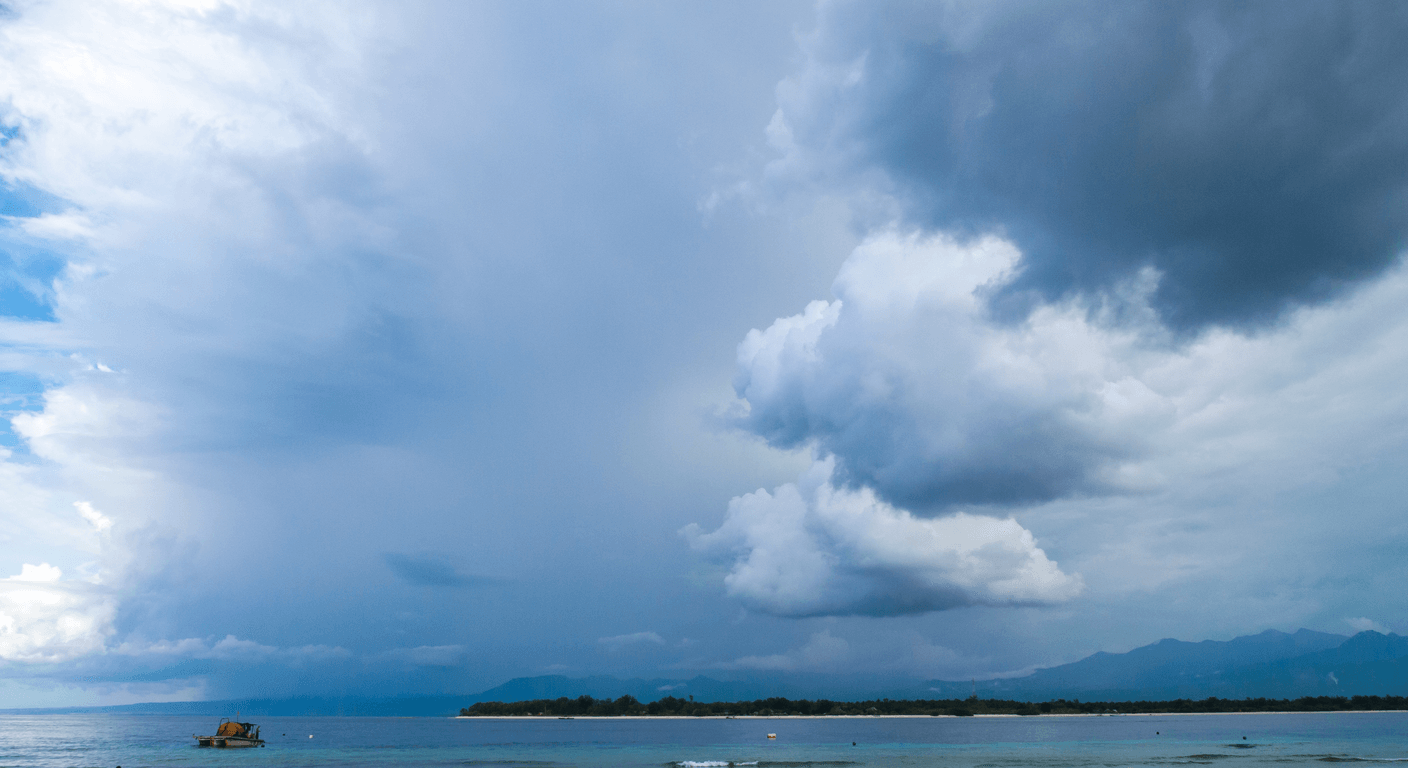
The snorkelling off Gili Air's north coast is among the most accessible in the region — the reef begins close to shore, the water is warm and clear from April through October, and turtle sightings are genuinely routine rather than promised-on-a-brochure. For those who'd rather stay dry, the view from a beachside lounger at low tide, with Lombok's Rinjani volcano framed on the horizon, is more than adequate compensation.
Getting There: The Honest Version
From Melbourne, the most common route is a direct or one-stop flight to Bali's Ngurah Rai International Airport, then a fast boat transfer to the Gilis. Flight time from Melbourne to Bali is around six hours; from Sydney, slightly less. Scoot, AirAsia, Jetstar and Garuda Indonesia all service the route — fares vary considerably by season and booking window, so confirm current pricing directly with airlines.
The fast boat leg is where many travellers underestimate the journey. Crossings from Bali's Serangan or Amed ports to Gili Air take roughly one to two hours depending on the operator and sea conditions. In the dry season (April to October) the crossing is generally smooth. In the wet season, the Lombok Strait can be genuinely rough — short, steep swells that make even experienced sea travellers uncomfortable. If you're prone to seasickness or have any concerns about the crossing, travel in the dry season, choose a reputable operator, and sit toward the middle of the vessel. A recovery night in Bali before the boat crossing is a sensible addition to any itinerary.
Lombok's Bangsal Harbour is another transfer option — by air to Lombok's international airport, then road to Bangsal, then a short public boat. This route can work well but involves more logistics and the public boats (perama) are slower and more exposed. For a first visit, most travellers find the direct Bali fast-boat route simpler. Confirm all current schedules and conditions with your chosen operator before departure.
Sun, Heat and the Business of Staying Well
The Gili Islands sit roughly 8 degrees south of the equator. The UV index is high year-round and brutal between 10am and 3pm. This isn't a casual observation — it's the main practical consideration for fair-skinned Australian travellers who may have spent decades acquiring the kind of sun damage that makes a dermatologist wince. SPF 50+ sunscreen, a wide-brimmed hat and a long-sleeved linen layer are not optional accessories; they're the difference between a lovely holiday and a miserable one.
The beaches on Gili Air are largely shadeless for stretches of the day — the palms provide some relief but the sand reflects heat upward. A beach umbrella can be rented from most accommodation or beach operators. The sensible rhythm is an early morning walk or snorkel, a long lunch somewhere shaded, and a return to the beach in the late afternoon when the light turns golden and the temperature drops to something approaching comfortable.
Hydration deserves equal attention. The heat is deceptive — you're not necessarily sweating visibly but you're losing fluid quickly. Stick to sealed bottled water or filtered water from reputable accommodation; the tap water on the islands is not potable. Most mid-range and above properties provide complimentary filtered water, which reduces plastic waste and the daily cost of purchasing bottles.
Indonesian Entry Requirements: What to Check Before You Book
Indonesia's entry rules for Australian passport holders have changed several times in recent years, and the Smartraveller website maintained by the Australian Department of Foreign Affairs and Trade is the only source worth trusting for current requirements. As a general position in 2026, Australian tourists can enter Indonesia visa-free for short stays, but the specifics — duration, conditions, any health or insurance requirements — must be confirmed at smartraveller.gov.au before booking flights. Do not rely on information from travel forums or operators, which may be out of date.
Travel insurance is non-negotiable for this destination, and for travellers over 50 with any pre-existing medical conditions, the policy details matter more than the premium. Ensure your policy covers medical evacuation — the nearest hospitals with facilities for serious conditions are in Bali, and a medical evacuation from the Gili Islands involves a fast boat, then road transfer, then hospital admission. Cover for trip cancellation and delays is also worth scrutinising, given the boat-dependent nature of the journey.
The Australian Government's travel advisory for Indonesia should be checked regularly in the lead-up to departure. Lombok sits in a seismically active region — the 2018 earthquakes are a matter of record — and the advisory may reflect any elevated risk periods. Register your travel with Smartraveller so the Australian government can contact you in an emergency.
Daily Life on Gili Air: Pace, Food and What to Actually Do
The cidomo cart is the island's taxi, social hub and, occasionally, comedy act — horses on sand have their own ideas about pace and direction. A short cidomo ride from the boat landing to your accommodation is a reasonable first move; after that, most of the island is walkable. Bicycle hire is widely available for around AUD 5–10 per day, though the sandy sections between paths can make cycling more of a workout than expected. For anyone with knee concerns or balance considerations, walking and the occasional cidomo is the more sensible combination.
The food on Gili Air has improved considerably over the past decade. Warungs — Indonesian local eateries — serve nasi goreng, mie goreng, fresh grilled fish and gado-gado at prices that feel almost apologetically reasonable by Australian standards. The beachfront restaurants catering to international visitors offer wood-fired pizza, good salads and cocktails. For a solo diner, the open, communal nature of most beach restaurants makes eating alone entirely comfortable — you're rarely the only one.
Beyond snorkelling, the island supports a handful of dive operators for those who are certified, a weekly traditional market, cooking classes, and the simple pleasure of reading a good book somewhere the wifi signal is too unreliable to bother with. The Gili Eco Trust runs regular reef clean-up events that welcome visitor participation — a worthwhile way to spend a morning and meet other travellers with similar values.
Practical Considerations for Solo Female Travellers
Gili Air has a long track record as one of the more comfortable destinations in Indonesia for women travelling alone. The island is small, the community is visible and engaged, and the tourism economy depends on a reputation for safety. That said, sensible precautions remain relevant: book your first night's accommodation before arriving rather than negotiating on the landing, use a door lock or travel lock, and trust your instincts about any situation that feels off.
The local culture is predominantly Muslim — Lombok is sometimes called the 'Island of a Thousand Mosques' — and while the Gili Islands have a more relaxed atmosphere due to tourism, dressing modestly when away from the beach is a straightforward courtesy. A sarong or light linen trousers work perfectly. The call to prayer from the mosque on Gili Air is audible from most parts of the island — early morning included — which is worth knowing if you're a light sleeper.
Solo travel at 60-plus in a place like this carries a particular kind of freedom that's hard to articulate to people who haven't experienced it. You eat when you're hungry, you snorkel when the tide suits you, and you spend an afternoon doing absolutely nothing without negotiating it with anyone. The Gilis, at their quieter end, are well suited to that particular luxury.
Quick planning guide
| Ideal pace | Slow and unhurried |
|---|---|
| Best months | April to October (dry season, smoothest boat crossings) |
| Suggested stay | A few unhurried days |
| Mobility level | Easy — mostly flat but sandy, uneven paths; grippy footwear needed |
| Cost level | Budget-friendly to mid-range |
| Comfort level | Comfortable, with careful sun and heat management required |
| Best for | Over-50 travellers, including solo women, wanting a quiet, sociable island base |
| Main planning consideration | Confirm current Indonesian entry rules via Smartraveller and arrange travel insurance covering medical evacuation, given Bali is the nearest major hospital hub |
Key takeaways
- The Gili Islands enforce a complete ban on motor vehicles — transport is by foot, bicycle or horse-drawn cidomo cart, which suits a slower, more deliberate travel pace.
- Gili Air is the recommended island for over-50 travellers: sociable and safe, with good food, reliable snorkelling and evenings that don't run to 3am.
- Fast-boat crossings from Bali can be rough outside the April–October dry season — book the dry season and factor in a recovery night in Bali before the crossing.
- UV exposure on the equator is severe; SPF 50+, a wide-brimmed hat and shade-seeking between 10am and 3pm are practical necessities, not optional extras.
- Travel insurance covering pre-existing conditions and medical evacuation is essential — the nearest major medical facilities are in Bali, not on the islands.
- Confirm current Indonesian entry requirements and travel advisories at smartraveller.gov.au before booking — rules have changed in recent years and may change again.
Recommended partners and links
Indicative prices only — always confirm with the operator before booking.
Frequently asked questions
Are the Gili Islands suitable for travellers with mobility concerns?
The Gili Islands are rated Moderate for mobility. All paths are sand or compacted gravel — there are no sealed footpaths or wheelchair-accessible infrastructure. Travellers who walk comfortably on uneven ground and can manage a short boat transfer will generally find Gili Air manageable. Those with significant balance or knee issues should assess honestly and consider whether a beach resort with paved paths might suit them better. Shoes with a firm, gripping sole are essential — thongs are not adequate.
How do you get from Bali to the Gili Islands?
The most common route is a fast boat from Bali's Serangan or Amed ports to Gili Air, Gili Meno or Gili Trawangan. Journey time is roughly one to two hours depending on the operator and sea conditions. Several operators run this route daily in the dry season (April–October). An alternative is flying into Lombok's international airport, then transferring by road to Bangsal Harbour for a shorter boat crossing. Confirm current schedules, pricing and sea conditions with your chosen operator before departure.
Do Australian citizens need a visa to visit Indonesia and the Gili Islands?
As of 2026, Australian passport holders can generally enter Indonesia for short tourist stays without a pre-arranged visa, but the specific conditions — including duration of stay and any health or insurance requirements — can change. Always confirm current entry requirements at smartraveller.gov.au before booking. Do not rely on travel forums or operator websites for visa information, as these may be outdated.
What is the best time of year to visit the Gili Islands from Australia?
April through October is the dry season on the Gili Islands and the most comfortable time to visit. Seas are calmer (making boat transfers easier), humidity is lower and rainfall is minimal. July and August are peak tourist months and accommodation books out early, particularly on Gili Trawangan. The wet season runs from November through March — the islands are still open, but boat crossings can be rough and some operators reduce schedules.
Is Gili Air safe for a woman travelling alone?
Gili Air has a well-established reputation as one of the more comfortable destinations in Indonesia for solo female travellers. The island is small, the community is visible and the local economy depends on a safe reputation. Standard precautions apply: book accommodation before arriving, use door locks, dress modestly away from the beach and trust your instincts. The Australian Government's Smartraveller advisory for Indonesia should be checked before departure for any current safety notices.