Great Keppel Island, about 15 kilometres off Queensland's Capricorn Coast, is best visited between April and October, when seas are calmer and snorkelling is clearer. A day trip suits most travellers, reached via a 30-minute ferry from Rosslyn Bay Harbour near Yeppoon, ideally after an overnight stay there. The defining highlight is a pristine, near-empty white-sand beach with clear turquoise water, though the resort's long-ago closure means facilities are minimal. Mobility is moderate, with soft sand and an unformed beach landing requiring reasonable fitness.
What makes Great Keppel Island worth the ferry ride?
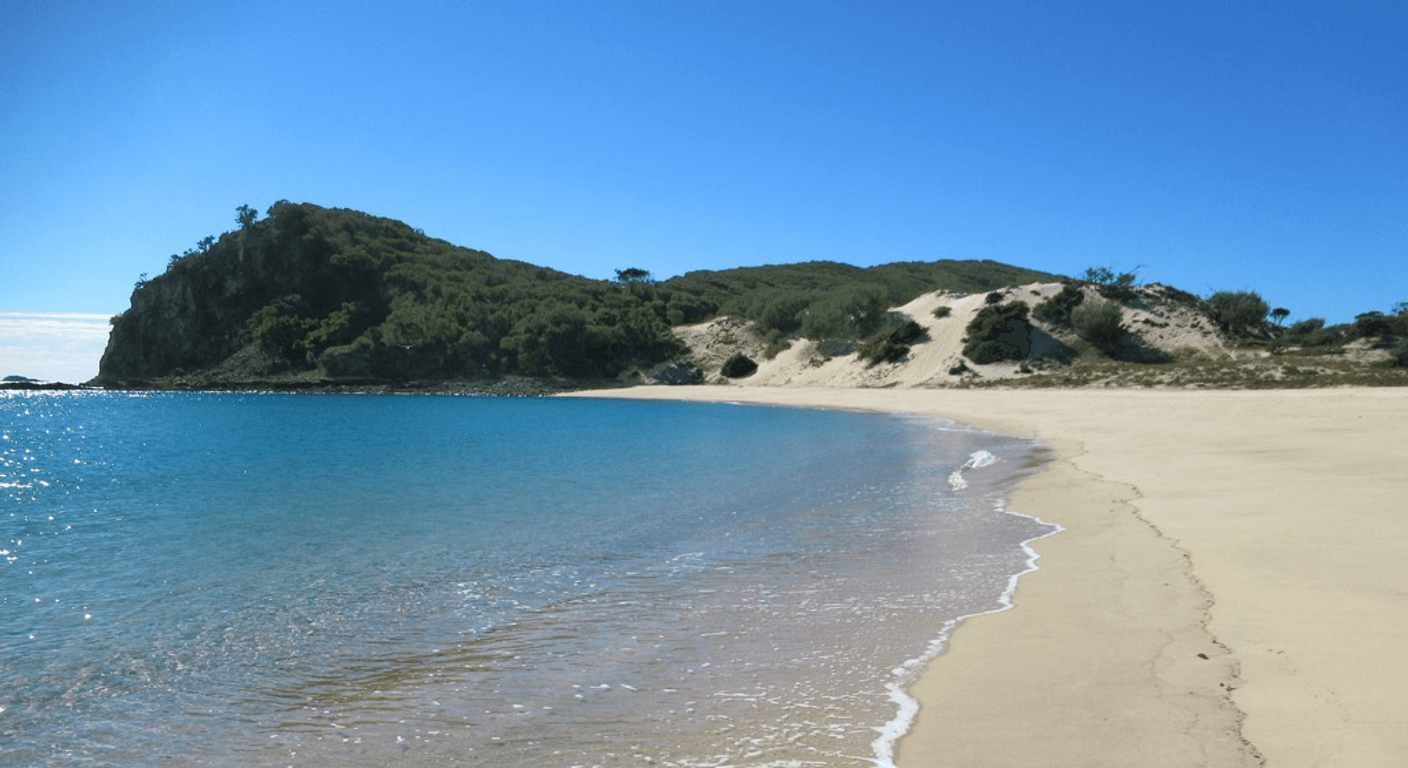
There's a moment, stepping off the ferry onto Great Keppel's beach, when the water colour stops you. It's that particular shade of pale aquamarine — clear to the sand beneath, the kind of thing you'd expect somewhere much further offshore or much more expensive to reach. The beach curves in a long white arc and the sand is the fine, soft variety that makes walking feel effortless. For a day trip that takes less than an hour by road and ferry from Yeppoon, it's genuinely surprising.
Great Keppel is one of 18 islands in the Keppel Bay island group, and at roughly 14 square kilometres it's large enough to feel like a proper escape without being so large you'll feel obliged to cover it all. The surrounding reef supports reasonable snorkelling, and the water temperature from April through October sits in a range that's comfortable without a wetsuit. None of this is secret, but the island receives a fraction of the visitors the Whitsundays do — partly because it's not on the main tourist trail, and partly because the facilities situation tends to give people pause.
That facilities situation deserves honest attention before anything else. The Great Keppel Island Resort, which once anchored tourism here, closed years ago and the site has sat largely dormant since. What remains is a small cluster of casual operators near the main beach — a kiosk, limited snorkel hire when available, and not much else. There are no day spas, no restaurant lunch with a wine list, no air-conditioned retreat when the sun peaks. The island gives you beach, water and quiet. If that's the brief, it delivers completely.
Getting there: the ferry from Rosslyn Bay Harbour
The practical starting point is Rosslyn Bay Harbour, a short drive from Yeppoon on the Capricorn Coast — itself about 40 kilometres north of Rockhampton. Most travellers coming from further afield will fly into Rockhampton Airport, which has direct services from Brisbane and connections from other capitals. From Rockhampton, Yeppoon is around 45 minutes by car; there's no direct public bus link that suits a day-trip schedule, so a hire car or taxi transfer is the sensible option. Confirm current transport connections before you travel.
The ferry crossing from Rosslyn Bay to Great Keppel takes around 30 minutes and the ride is generally smooth in the calmer months between April and October. Freedom Fast Cats is the established operator on this route; return fares run roughly $50 to $60 per adult at time of writing, though fares do change — check the current schedule and pricing at freedomfastcats.com before booking. Ferries typically depart in the morning and return in the late afternoon, which makes for a generous stretch of beach time without any need to rush. Arriving at the harbour 15 to 20 minutes early is sensible.
The harbour has parking and basic facilities. For a solo traveller managing bags and sun gear, the layout is manageable — the ferry terminal is close to the car park and boarding is straightforward. If mobility is a consideration, note that the beach landing on Great Keppel involves stepping from the ferry onto soft sand, which can be unsteady underfoot. The crossing itself is on a covered, seated vessel. Neither the boarding nor the landing is particularly difficult, but it's worth knowing that you won't be stepping onto a dock.
Arriving on the island: the beach landing and what you'll find
The ferry brings you directly to the main beach — there's no formal wharf on the visitor side, just the sand. Depending on the tide, you may step directly onto the beach or disembark into a few centimetres of water; wearing sandals you don't mind getting wet is a practical choice. It's a small thing, but it sets the tone: Great Keppel is a place where nature has the upper hand over infrastructure, and that's not a complaint.
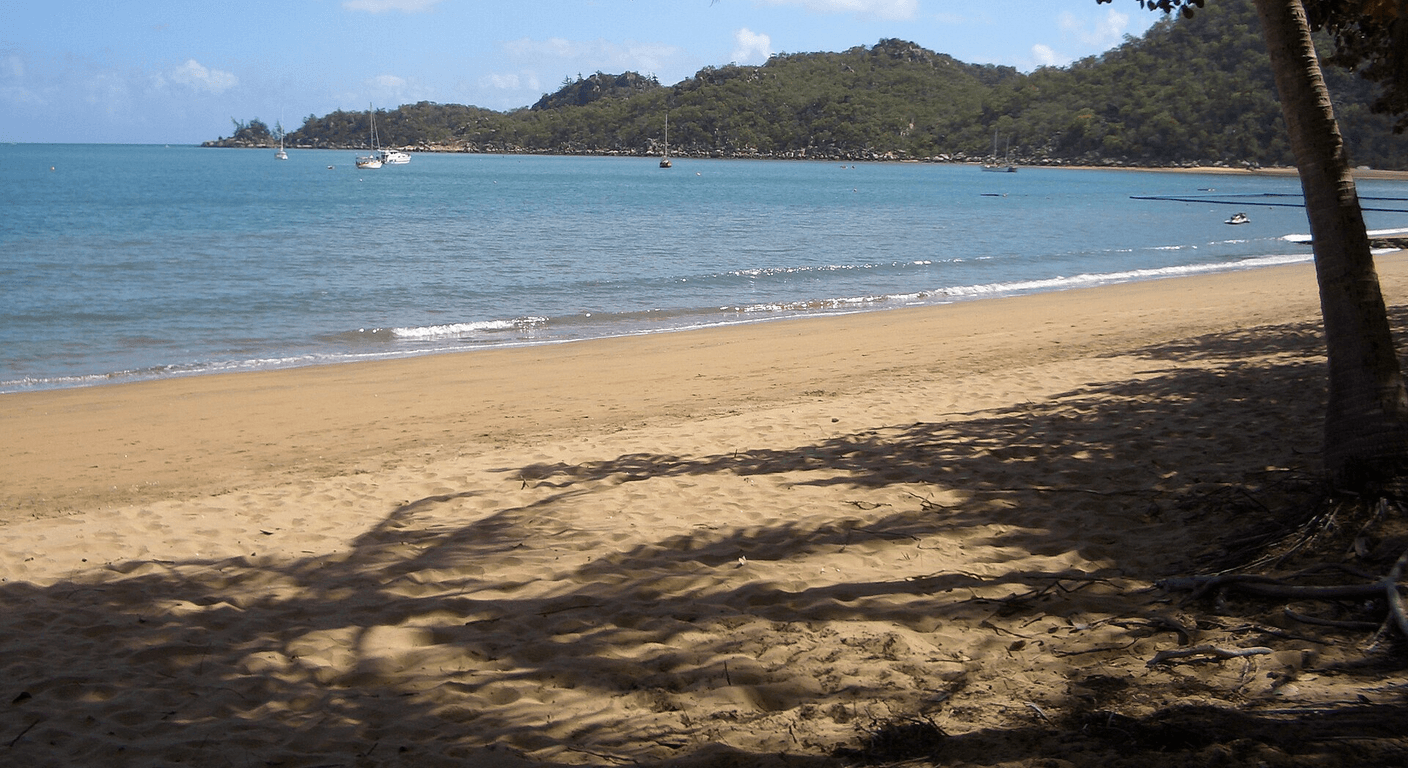
Fisherman's Beach is the main arrival point and the sensible base for the day. It stays close to the jetty area and the small cluster of facilities, which matters if you want to keep snorkel hire or a cold drink within easy reach. The beach itself is excellent — the sand is white and soft, the water clarity is good, and there's a reasonable amount of natural shade from the tree line along the back of the beach. Spreading a towel here and spending several hours reading, swimming and watching the water is, in fact, the point.
A short walk along the shoreline opens up further stretches of beach that see even fewer people. The paths between beaches are uneven bush tracks, and in warm months the sun is fierce, so it's worth being realistic about how far you want to wander. For most day-trippers, Fisherman's Beach and its immediate surrounds provide more than enough. The temptation to explore every corner of the island is understandable, but a slower afternoon on one beautiful beach is rarely a decision anyone regrets.
Snorkelling and the water: what to expect
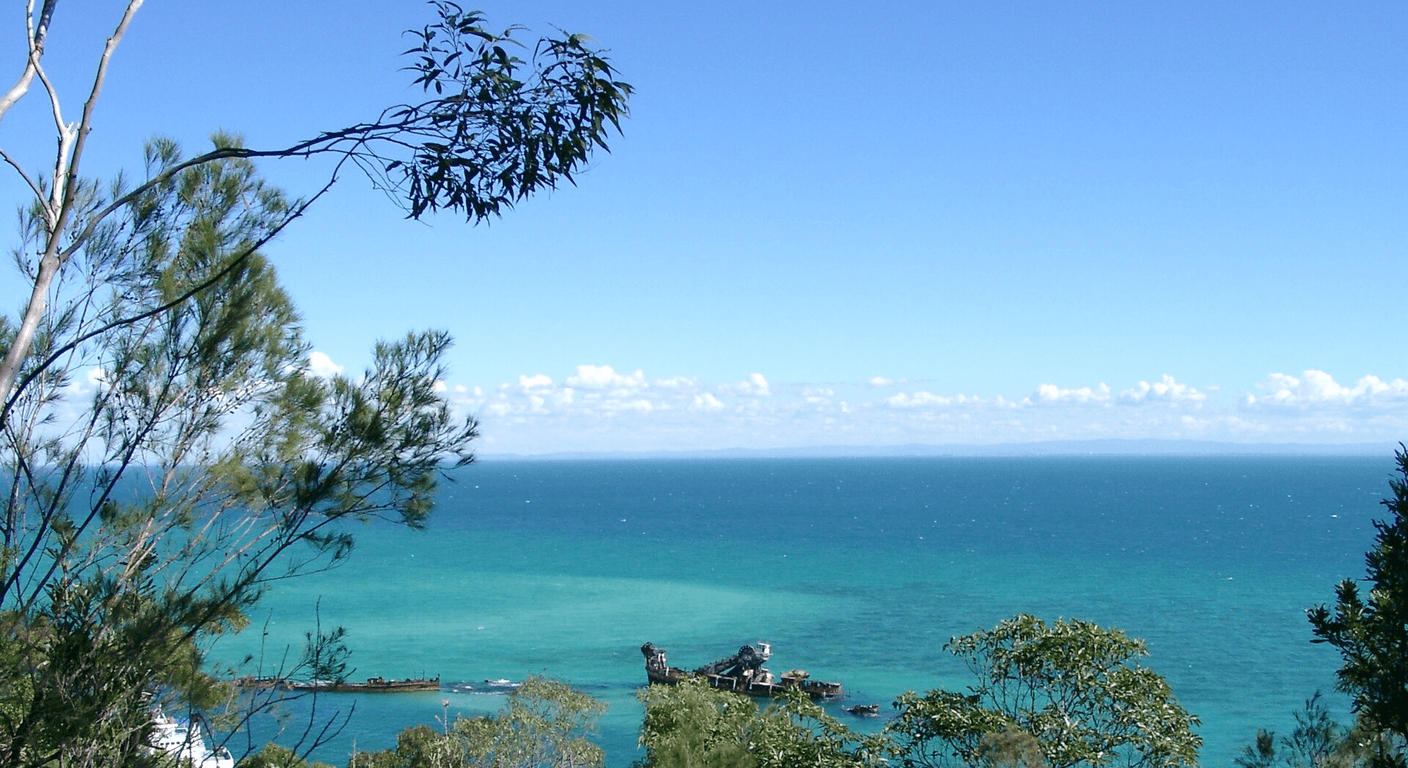
The reef around Great Keppel is not the Outer Barrier Reef — it's a fringing and near-shore reef system, and its condition varies with weather, season and the years since cyclone activity. In the calmer, clearer months between April and October, snorkelling off the beaches can be genuinely rewarding, with fish life visible in the shallows and coral formations within easy reach of non-swimmers. Outside those months, visibility can drop and conditions become less predictable.
Snorkel gear hire has been available from operators near the main beach, though the specific operators and their hours change — confirm availability when you book your ferry or contact the harbour before you go. Bringing your own basic snorkel and mask is a sensible backup plan, particularly for a solo traveller who'd prefer not to have the day hinge on a hire shop being open. The water temperature in winter months (June to August) is comfortable for most adults without a wetsuit, though some will prefer a thin rashie for extended time in the water.
Swimming ability and confidence matter here. There are no lifeguards on Great Keppel Island. The water is generally calm in protected areas, but solo travellers in particular should exercise the kind of judgement they'd apply anywhere without a rescue service: stay in your depth, be aware of conditions and don't snorkel alone in areas where no one can see you. None of this is meant to discourage — it's simply the reality of a quiet, natural island.
What to bring — and why the list matters more than usual
The absence of resort facilities is not a hardship, but it does require preparation that travellers accustomed to all-inclusive day trips might not expect. Water is the first priority. There's no reliable source of drinking water on the island for day visitors, and Queensland sun — even in the milder months — is demanding. Two litres per person is a reasonable minimum; more in summer. A reusable bottle with a good seal and an insulated bag keeps it cold through the day.
Sun protection needs to be thorough. A broad-brimmed hat, SPF 50+ sunscreen applied before boarding the ferry and reapplied after swimming, a long-sleeved rashie or light linen shirt, and UV-protective sunglasses are the practical kit. There's limited natural shade on the beach itself beyond the tree line, and the reflected light off white sand and water is more intense than most people anticipate. A lightweight folding chair or a good beach mat with some built-in back support makes the difference between a comfortable afternoon and a sore one.
Food is worth thinking through. The kiosk near the main beach may have snacks and cold drinks, but opening hours and stock are not guaranteed — particularly on quieter days or in the off-season. A packed lunch, some fruit and a few snacks give you complete freedom to eat when you want, where you want, without depending on a kiosk that may or may not be staffed. A small cooler bag is worth the modest inconvenience of carrying it. For a solo traveller, this kind of self-sufficiency is simply good practice on a remote island.
Practical matters: timing, getting to Yeppoon, and staying overnight nearby
The Capricorn Coast's best visiting window runs from April through October. Humidity is lower, rainfall is less frequent and the chances of a clear, calm day for the crossing and the beach are significantly higher. November through March brings the wet season — heat, humidity, the possibility of cyclones and water clarity that can suffer after heavy rain. A day trip in those months isn't impossible, but it's a gamble that's usually not worth taking.
Most travellers will find it worth spending at least one night in Yeppoon rather than attempting a day trip from Rockhampton and back in a single stretch. Yeppoon is a pleasant, low-key coastal town with a good range of accommodation from motels to self-contained apartments. It's the kind of place where you can have a quiet dinner overlooking the water the evening before, get a decent night's sleep and arrive at Rosslyn Bay Harbour in the morning without feeling rushed. Accommodation options can be explored through capricorncoast.com.au.
Rockhampton Airport receives direct flights from Brisbane with Qantas and Virgin Australia; connections from Melbourne and Sydney typically involve a Brisbane transit. Driving from Rockhampton to Yeppoon takes around 45 minutes on sealed roads. Hire cars are available at the airport. If you'd prefer not to drive, taxi and rideshare services operate between Rockhampton and Yeppoon — confirm availability and costs locally, as options in regional Queensland can be more limited than in capital cities.
Is Great Keppel right for you? An honest read
Great Keppel Island suits travellers who are genuinely content with a beautiful natural setting and don't need the day structured around organised activities or polished amenities. It's particularly well suited to anyone who finds crowded tourist attractions exhausting — the island is quiet, the pace is entirely self-directed and there's nobody trying to sell you anything beyond a cold drink and a snorkel mask. For a solo traveller, that kind of uncomplicated freedom can be exactly the right note.
The mobility consideration is real but not prohibitive for most active over-50 travellers. Soft sand is tiring on the legs over distance, and the bush tracks between beaches are uneven. The ferry boarding and beach landing require some physical confidence. If you use a walking aid or have significant balance concerns, the day would require careful planning and possibly a companion. For most travellers who are mobile and reasonably active, none of it is difficult — it simply rewards sensible footwear and a realistic approach to how far you walk.
The honest pitch is this: Great Keppel is a beautiful place that asks you to meet it on its own terms. Bring what you need, lower your expectations of infrastructure, and raise them for the water and the sand. On a clear April morning, watching the ferry pull away and finding yourself almost alone on a white beach in central Queensland, you'll understand precisely why this island has its devoted following — even without a resort in sight.
Quick planning guide
| Ideal pace | Slow-paced and self-directed |
|---|---|
| Best months | April to October |
| Suggested stay | Full day trip, with an overnight in Yeppoon beforehand |
| Mobility level | Moderate — soft sand, uneven bush tracks and a beach ferry landing |
| Cost level | Budget-friendly — ferry return roughly $50–$60 per adult |
| Comfort level | No-frills — minimal facilities beyond a small kiosk |
| Best for | Travellers who want a quiet, unpolished natural beach over resort amenities |
| Main planning consideration | Bring your own water, food and sun protection, and confirm ferry schedule and pricing before travelling |
Key takeaways
- The ferry from Rosslyn Bay Harbour takes around 30 minutes and return fares run roughly $50–$60 per adult — confirm current pricing with Freedom Fast Cats before booking.
- Great Keppel Island's main resort has been closed for years; facilities are limited to a small kiosk and occasional snorkel hire, so bring water, food and full sun protection.
- Fisherman's Beach, closest to the ferry landing, is the practical base for the day — good sand, reasonable shade from the tree line, and easy access to whatever facilities exist.
- The best visiting window is April to October, when humidity is lower, seas are calmer and water clarity for snorkelling is at its best.
- There are no lifeguards on the island — swimmers and snorkellers should apply the same caution they would at any unpatrolled beach.
- A night in Yeppoon before the trip is a smart move; it removes the pressure of a long travel day and leaves you rested for an early ferry departure.
Recommended partners and links
Indicative prices only — always confirm with the operator before booking.
Frequently asked questions
How do you get to Great Keppel Island from Yeppoon?
The ferry departs from Rosslyn Bay Harbour, a short drive south of Yeppoon. Freedom Fast Cats operates daily services and the crossing takes approximately 30 minutes. Return fares are roughly $50 to $60 per adult, indicative — confirm current fares and schedules at freedomfastcats.com before booking.
Are there restaurants or cafes on Great Keppel Island?
No restaurants operate on Great Keppel Island for day visitors. A small kiosk near the main beach may have snacks and cold drinks, but hours and availability are not guaranteed. Bringing a packed lunch, snacks and sufficient water is strongly recommended.
Is Great Keppel Island suitable for older travellers or those with limited mobility?
Great Keppel Island is rated Moderate for mobility. The ferry landing is onto soft sand rather than a dock, soft sand is tiring over distance, and bush paths between beaches are uneven. For travellers who are reasonably mobile and sure-footed, the day is manageable and enjoyable. Those who use a walking aid or have significant balance concerns should consider the conditions carefully before booking.
Can you snorkel at Great Keppel Island?
Yes. Snorkelling is possible off the beaches, particularly between April and October when visibility is better. Snorkel gear hire has been available from operators near the main beach, but availability varies — confirm before you go, and consider bringing your own mask and snorkel as a backup. There are no lifeguards on the island.
What is the best time of year to visit Great Keppel Island?
April to October is the best window for a Great Keppel Island day trip. The weather is cooler, humidity is lower, seas are generally calmer and water clarity for snorkelling is at its best. The wet season from November to March brings heat, higher humidity and the risk of cyclones, which can affect ferry services and beach conditions.