Magnetic Island suits visitors from May to October, when dry weather and stinger-free waters make swimming and walking easiest. A two-to-three-night stay fits its relaxed, tide-set pace, centred on the Forts Walk's wild koalas and granite-boulder bays like Alma and Horseshoe. Mobility is moderate — foreshore paths are flat and easy, but the Forts Walk's uneven, uphill track demands reasonable fitness. Access is straightforward: a twenty-minute ferry from Townsville, reached by direct flight from Melbourne, Sydney or Brisbane, with no hire car needed thanks to the island's bus loop.
Why Magnetic Island works well for the unhurried traveller
There's a particular pleasure in arriving somewhere by boat rather than road. The Fantasea ferry from Townsville's CBD terminal takes around twenty minutes, and by the time Nelly Bay wharf comes into view — granite hillsides, turquoise water, not a high-rise in sight — the mainland already feels like someone else's problem. Magnetic Island covers about 52 square kilometres, roughly half of which is national park, and its permanent population sits comfortably under 3,000. It is not trying to be the Whitsundays.
For a solo traveller arriving from Victoria, the logistics are straightforward. Fly direct to Townsville — services operate from Melbourne, Sydney and Brisbane, with Jetstar and Virgin both serving the route — and the ferry terminal is a short taxi or ride from the airport. No hire car is needed on the island, no tour package required. The public Sunbus service connects Picnic Bay, Nelly Bay, Arcadia and Horseshoe Bay in a single loop, running regularly enough to plan a day around. That combination of ferry simplicity and car-optional transport removes a layer of travel friction that matters more as the years accumulate.
The island's character is relaxed without being sleepy. Cafés open early, the foreshore at Arcadia is reliably pleasant in the morning, and the wildlife — particularly the koalas along the Forts Walk ridge — is abundant enough that sightings feel earned rather than guaranteed by a zoo enclosure. Magnetic Island rewards the traveller who moves at a moderate pace and resists the urge to tick every bay in a single day.
Getting there from Victoria: the honest journey picture
Direct flights from Melbourne to Townsville run around two and a half to three hours, and the fare climate in 2026 is reasonably competitive on the Jetstar and Virgin routes. A stopover through Brisbane adds time but sometimes saves money — worth weighing against the comfort of a single leg, particularly if long airport transits are tiring. Townsville Airport is compact and manageable, with no multi-terminal transfers to navigate.
A recovery night in Townsville before the ferry crossing is worth considering, not because the journey is punishing, but because arriving on the island rested and unhurried makes the first afternoon considerably more enjoyable. Townsville itself has some merit — the Museum of Tropical Queensland on Flinders Street is genuinely worth a few hours, and the strand foreshore is a pleasant evening walk. Think of it as a gentle decompression rather than dead time.
Travel insurance is non-negotiable on any trip of this distance, and for travellers over 65 with pre-existing conditions, the fine print on medical evacuation cover deserves careful reading before purchase. Queensland's public hospitals are solid, but the cost of uninsured evacuation or repatriation is not a number anyone wants to encounter. Compare policies through a reputable comparison service and declare everything honestly.
Swimming on the island: stingers, nets and the best bays to choose
Queensland's stinger season — roughly October through May — changes the swimming calculus on most of the state's coastline, and Magnetic Island is no exception. Box jellyfish and Irukandji inhabit inshore waters during the warmer months, and the risk is real rather than theoretical. The practical answer is the netted swimming enclosure at Horseshoe Bay, which operates through stinger season and allows genuine open-water swimming within a defined safe area. Confirm the enclosure is in place and maintained before you travel, as seasonal conditions can affect operations.
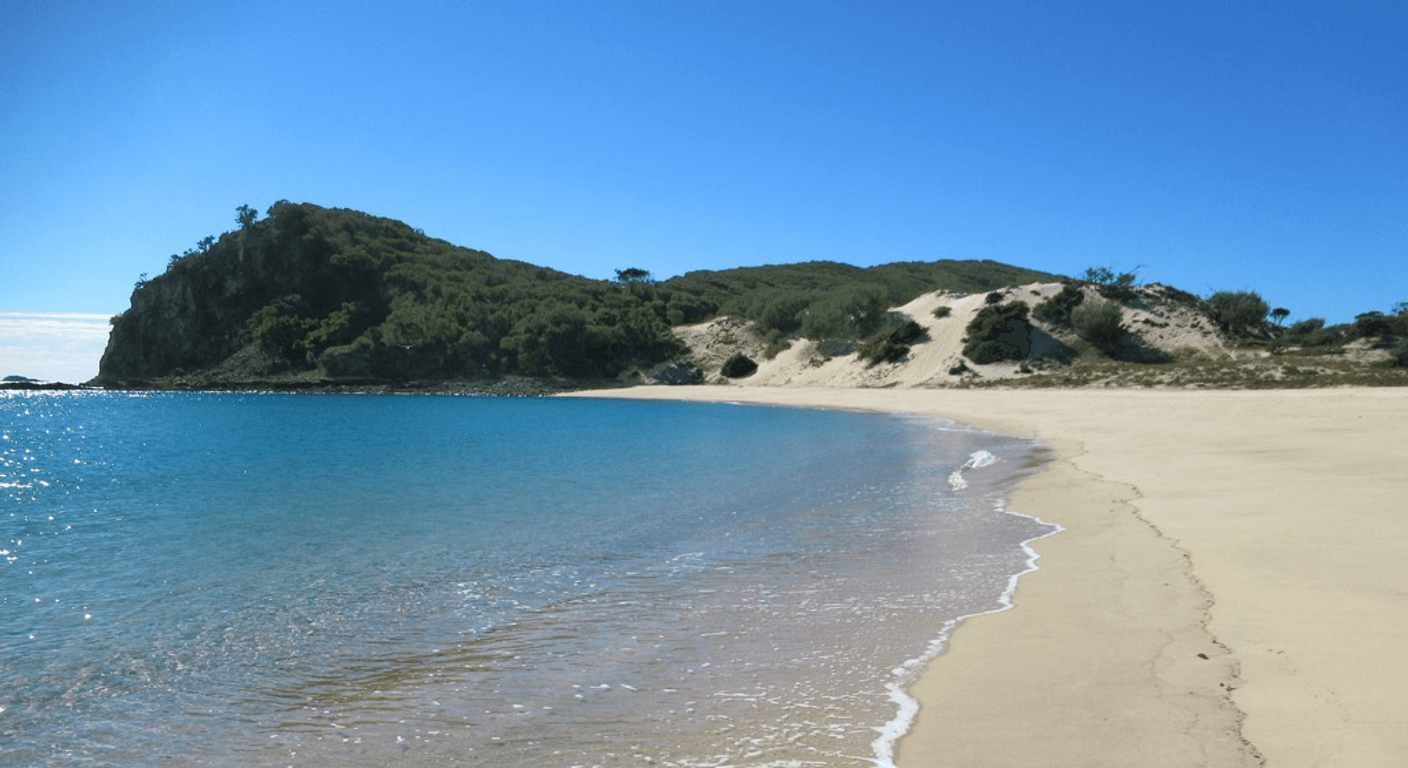
Alma Bay, tucked between rocky headlands near Arcadia, offers naturally sheltered swimming and is one of the island's more photogenic spots — the granite boulders framing the water are the island's geological signature, worn smooth and warm by the afternoon sun. Outside stinger season, Alma Bay's calm, protected water is among the best swimming on the island. During stinger season, exercise caution and check current local advice; stinger suits provide additional protection but are not a substitute for official guidance.
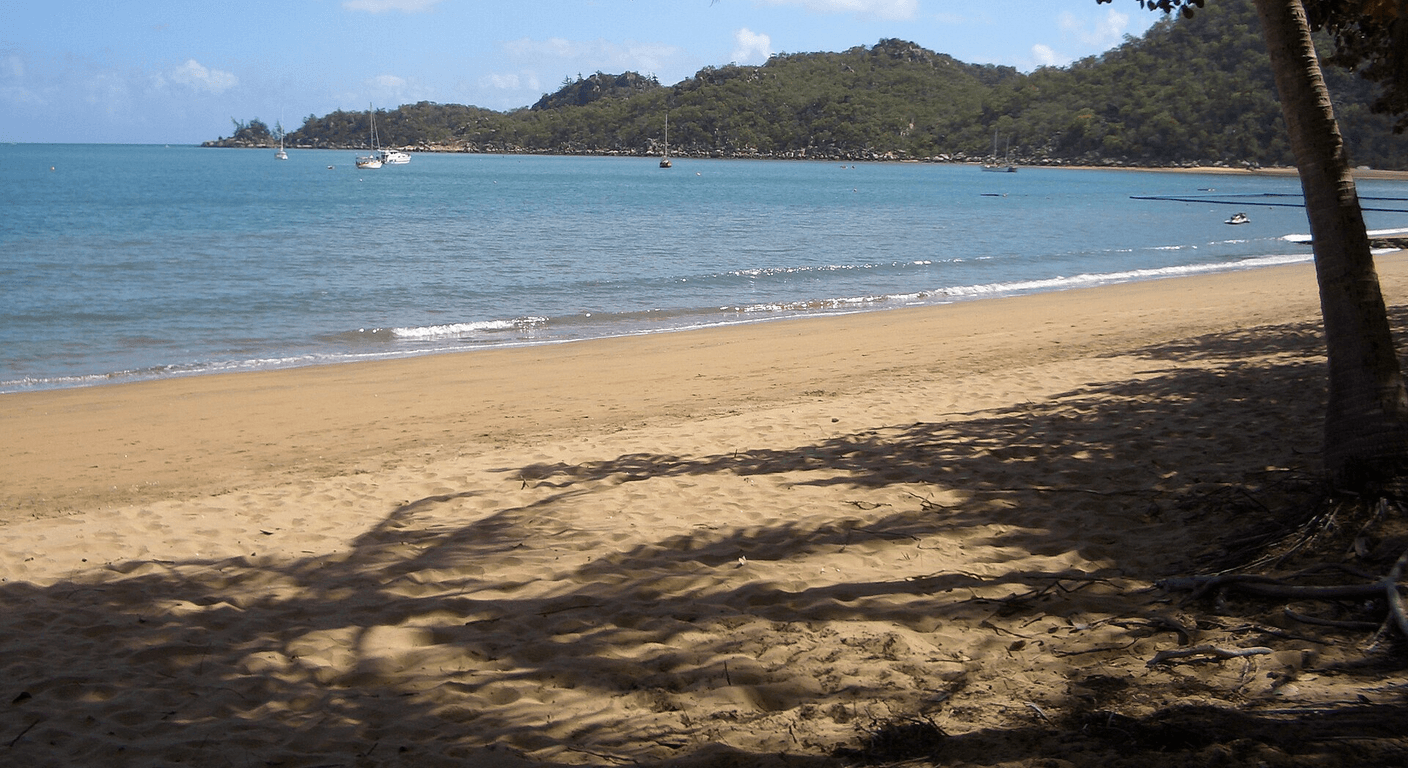
Horseshoe Bay is the island's largest and most social bay, with a strip of cafés, a pub and a market on Sunday mornings. It's also where sea kayak and stand-up paddleboard hire tends to operate for those who want gentle on-water activity without committing to a tour. The bus reaches Horseshoe Bay directly, so there's no logistical reason to hire a vehicle to get there.
The Forts Walk: what to honestly expect
The Forts Walk is Magnetic Island's most talked-about trail, and the koala sightings along it are the reason. Wild koalas in the eucalypts above the path are genuinely common — not every visit, but common enough that patience and a slow pace usually deliver results. The walk itself covers around 2.8 kilometres return from the Horseshoe Bay road trailhead to the WWII gun emplacements on the ridge, with a total elevation gain that makes it a steady, honest effort rather than a stroll.
The uphill sections are on a formed path, mostly clear underfoot, but there are uneven rocky stretches and the gradient through the middle section will have most walkers breathing harder than expected. For a 69-year-old in reasonable condition it is achievable; for anyone with knee issues, significant balance concerns or cardiac conditions that restrict exertion, it warrants a realistic assessment before committing. Starting early — before 8am — avoids both the heat and the tour groups that arrive mid-morning. Trekking poles are genuinely useful here, not a concession.
The gun emplacements at the top are historically interesting in their own right — Magnetic Island's strategic position in World War II gives the site context beyond the view, and the interpretation panels do a decent job of explaining it. Allow two to two-and-a-half hours for the return walk with time to stop, look up into the canopy, and not rush the descent.
Easier walks and foreshore strolling for lower-intensity days
Not every day needs a hill. The foreshore path at Arcadia runs flat along the waterfront, shaded in sections, with benches positioned sensibly for anyone who simply wants to sit and watch the water. It connects to the small shopping strip and café cluster near the Arcadia resort area without requiring any navigation. Morning light on the bay is particularly good here.
Nelly Bay, where the ferry docks, has a foreshore boardwalk and a small beach that's pleasant for an early walk before the day heats up. The walk between Nelly Bay and Arcadia along Geoffrey Bay — known locally as the Arcadia foreshore walk — covers around two kilometres of relatively flat ground with good views across to the mainland ranges. At low tide, the rock platform at Geoffrey Bay exposes a section of reef that rewards slow exploration without snorkelling gear.
The combination of a Forts Walk morning and a foreshore afternoon — with a long lunch in between — represents about as well-structured a day as the island offers. It's worth building that rhythm deliberately rather than trying to cover too much ground.
Where to stay: accommodation options across the bays
Magnetic Island's accommodation spreads across several bays, and the choice of base genuinely shapes the experience. Arcadia is arguably the quietest and most village-like, with a handful of self-contained units and motel-style options within easy reach of the foreshore. For a solo traveller who prefers not to hire a vehicle and wants to walk to dinner without drama, Arcadia works well. Nelly Bay is the practical choice for those who want to be close to the ferry terminal — useful for an early departure or a late arrival.
Horseshoe Bay has the island's most resort-style options, including the Magnetic Island Beach Club and various holiday-park accommodation, and suits travellers who want more activity on the doorstep — the bay, the pub, the Sunday market. It's the most social end of the island. Budget-conscious travellers will find self-contained units across the bays competitive with mainland regional towns; resort options sit at a higher price point. Indicative nightly rates for a self-contained unit run from around $150 to $250; resort rooms from around $200 upward. Confirm current rates directly with properties.
Solo travellers should note that single supplements apply at some properties, as they do almost everywhere. Self-contained studio or one-bedroom units often represent better value than motel twin rooms charged at single occupancy. Booking directly with the property occasionally yields flexibility on rate or room type that online platforms don't offer.
Practical matters: food, connectivity and pacing the days
Magnetic Island is not a destination for fine dining, and that's entirely fine. Café-quality breakfasts, pub meals, fish and chips by the water, and the occasional Thai or pizza option cover most of what's available. The Sunday market at Horseshoe Bay adds local produce and prepared food to the mix. If self-catering, the small IGA supermarket at Nelly Bay carries the essentials, though specialty items are better sourced in Townsville before the crossing.
Mobile coverage is reasonable across the main bays on Telstra's network; other carriers can be patchy on the less-populated stretches. Wi-Fi at accommodation varies — worth confirming if connectivity matters. ATMs exist on the island but are limited; carrying cash is sensible.
The heat between November and April is substantial — humidity included — and the dry season window of May to October is the comfortable choice for travellers who prefer not to wilt by ten in the morning. Even in the dry season, sun protection is serious business at this latitude. A wide-brimmed hat, high-SPF sunscreen and a water bottle are not optional accessories. The island's pace encourages an early start and a long afternoon rest, which is, it turns out, an entirely sensible way to structure a holiday.
Quick planning guide
| Ideal pace | Slow and tide-led, with one active day balanced by a rest day |
|---|---|
| Best months | May to October (dry season, stinger-free swimming) |
| Suggested stay | 2–3 nights, plus a recovery night in Townsville beforehand |
| Mobility level | Moderate — easy foreshore walks, but the Forts Walk is a steady uphill effort on uneven ground |
| Cost level | Budget-friendly self-contained units, with resort options at a higher price point |
| Comfort level | Casual and relaxed rather than polished — no-fuss motels through to comfortable resorts |
| Best for | Solo travellers who want quiet, wildlife and a flexible, unhurried itinerary |
| Main planning consideration | Stinger season restricts open swimming to the netted Horseshoe Bay enclosure, and the Forts Walk's gradient warrants a realistic fitness assessment |
Key takeaways
- The Fantasea ferry from Townsville takes around twenty minutes, and the island's Sunbus loop makes a hire car genuinely unnecessary.
- Stinger season (roughly October to May) restricts open-water swimming; the netted enclosure at Horseshoe Bay operates through the season — confirm availability before travel.
- The Forts Walk is a real uphill effort on an uneven formed path, but wild koala sightings make it one of Queensland's more rewarding short walks for those who can manage the gradient.
- May to October is the sweet spot: dry, mild, stinger-free, and the best light for the island's granite-and-eucalypt scenery.
- Solo travellers often find self-contained studio units better value than motel rooms charged at single supplement — book directly with properties where possible.
- A recovery night in Townsville before the ferry crossing turns the journey from Victoria into a relaxed two-stage arrival rather than a rushed transit.
Recommended partners and links
Indicative prices only — always confirm with the operator before booking.
Frequently asked questions
How do you get from Townsville to Magnetic Island?
The Fantasea Cruising Magnetic Island ferry departs from the Townsville CBD terminal and reaches Nelly Bay wharf on Magnetic Island in around twenty minutes. Services run frequently throughout the day. Return fares are indicatively around $36–$40 per adult — confirm current fares and timetables at magnetic-island.com.au before booking.
Do you need a car on Magnetic Island?
No. The Sunbus public bus service loops between Picnic Bay, Nelly Bay, Arcadia and Horseshoe Bay and runs regularly enough to plan a day around. Most accommodation, cafés and key walks are within easy reach of bus stops. A hire car or scooter is available for those who want flexibility, but it isn't necessary for a comfortable stay.
Is it safe to swim at Magnetic Island during stinger season?
Box jellyfish and Irukandji are present in Queensland inshore waters from roughly October to May. Horseshoe Bay operates a netted swimming enclosure during stinger season that allows safer open-water swimming within a defined area. Always confirm the enclosure is operational before travel, follow current local advice, and consider a stinger suit for additional protection.
How difficult is the Forts Walk on Magnetic Island?
The Forts Walk covers around 2.8 kilometres return with a steady uphill gradient on a formed but sometimes uneven path. It is achievable for travellers in reasonable condition, but the middle section involves genuine exertion. Trekking poles help on the descent. Anyone with significant knee, balance or cardiac concerns should assess it honestly before committing. Starting before 8am avoids the heat and tour groups.
What is the best time of year to visit Magnetic Island for travellers over 50?
May to October is the most comfortable window. Humidity and temperatures drop significantly, stingers are absent from open waters, and the island's trails and bays are at their most accessible. July and August are peak season, so accommodation books out — plan ahead. November to April brings heat, humidity and stinger risk that many older travellers find limits enjoyment.