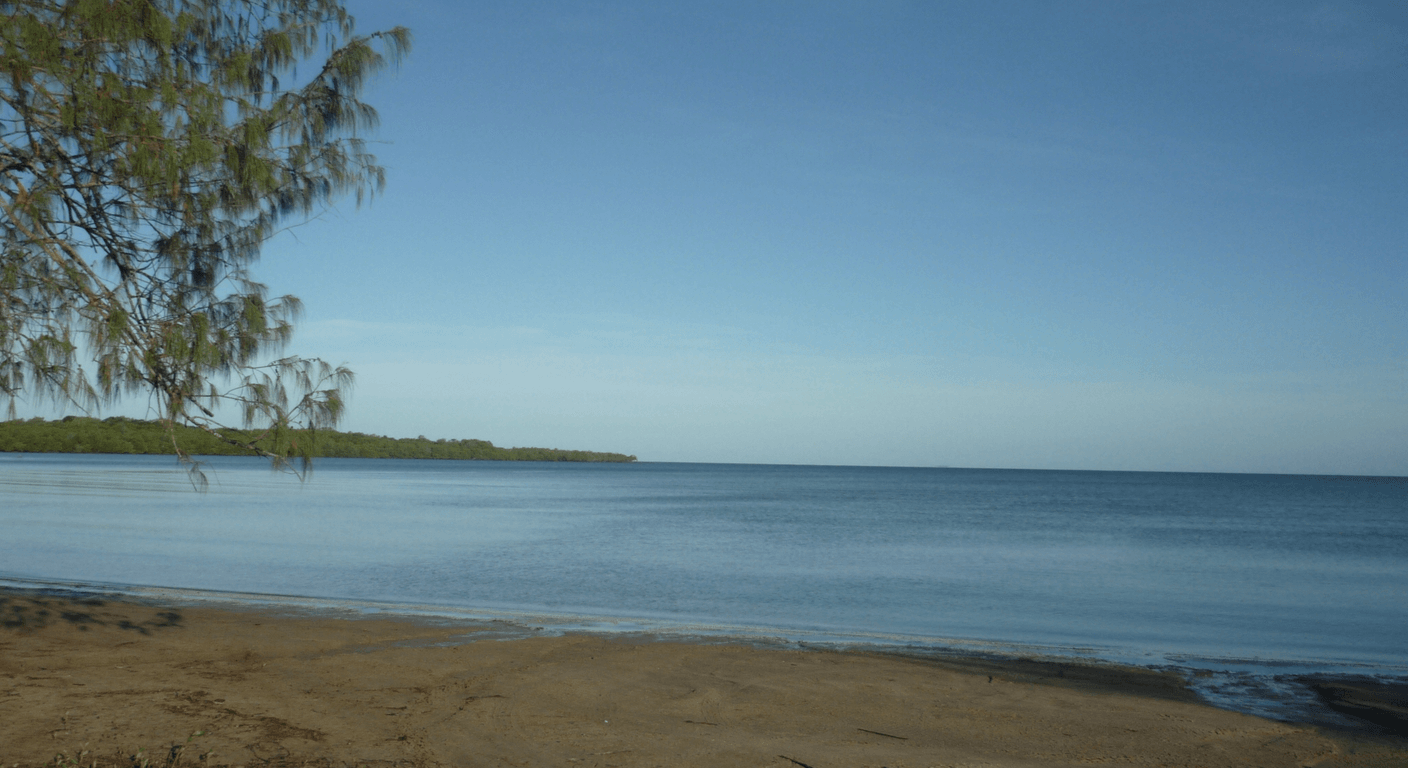
The Tangalooma day cruise from Brisbane's Holt Street Wharf crosses Moreton Bay in around 75 minutes to reach a wide beach beside fifteen deliberately sunk wrecks, now a colonised snorkelling site within Moreton Bay Marine Park. Shoulder seasons (April–June, September–November) offer the most comfortable conditions. It suits a single day trip, with modest physical demands apart from walking on soft sand, and paved, shaded resort facilities throughout.
Why Moreton Island Works Well for Travellers Over 60
Moreton Island sits roughly 40 kilometres north-east of Brisbane in Moreton Bay, and the appeal for older day-trippers is straightforward: you board a large, comfortable ferry, cross the bay, step onto a beach, and spend the day at your own pace. There is no complicated logistics chain, no hired car, and no need to pre-plan every hour. The resort handles the structure; you decide how active you want to be.
For a solo female traveller, particularly one who might feel more comfortable with a built-in framework around an independent day, the Tangalooma day-cruise model suits well. The wharf departure point is central, the ferry staff are experienced with varied passengers, and the resort precinct gives you shade, seating, food, and company without requiring you to wander far. The wrecks themselves are close enough to shore that you can observe them clearly without getting in the water at all.
The island is predominantly national park — around 98 per cent of it is protected — which means the beach and bush feel genuinely unspoilt. The day-cruise area is contained around the resort, so you are never navigating wild terrain unless you choose to. That balance between natural environment and practical comfort is what makes it a sensible choice for travellers who want substance without stress.
Getting There: Holt Street Wharf and the Bay Crossing
The ferry departs from Holt Street Wharf in Pinkenba, a suburb on Brisbane's north-east side that requires a short drive or taxi from the CBD — allow roughly 20 to 30 minutes from the city centre depending on traffic. The wharf is not directly on a train line, so most day-trippers either drive and park (parking is available at the wharf; confirm costs with the resort), take a taxi or rideshare, or use coach transfers that Tangalooma can arrange from selected Brisbane hotels. If you are staying in Brisbane, the hotel transfer option is worth considering for simplicity.
The ferry crossing takes approximately 75 minutes and the vessel is a large, twin-hulled catamaran. There are indoor and outdoor seating areas, a bar, and toilets on board. Moreton Bay can have a chop to it, particularly in winter and spring when south-easterly winds are common, so travellers who are sensitive to motion should sit centrally and lower on the vessel. The crossing is generally smooth in calmer weather, but it is worth checking conditions and taking a precautionary seasickness tablet if you have any history of motion sensitivity at sea.
Departure times for day cruises are typically in the morning, with an afternoon return crossing. Confirm exact schedules directly with Tangalooma when you book, as times can vary by season and day of the week. Arriving at the wharf at least 30 minutes before departure is sensible, as boarding involves a short walk along the pontoon and the ferry does not wait.
What Are the Tangalooma Wrecks, and What Will You Actually See?
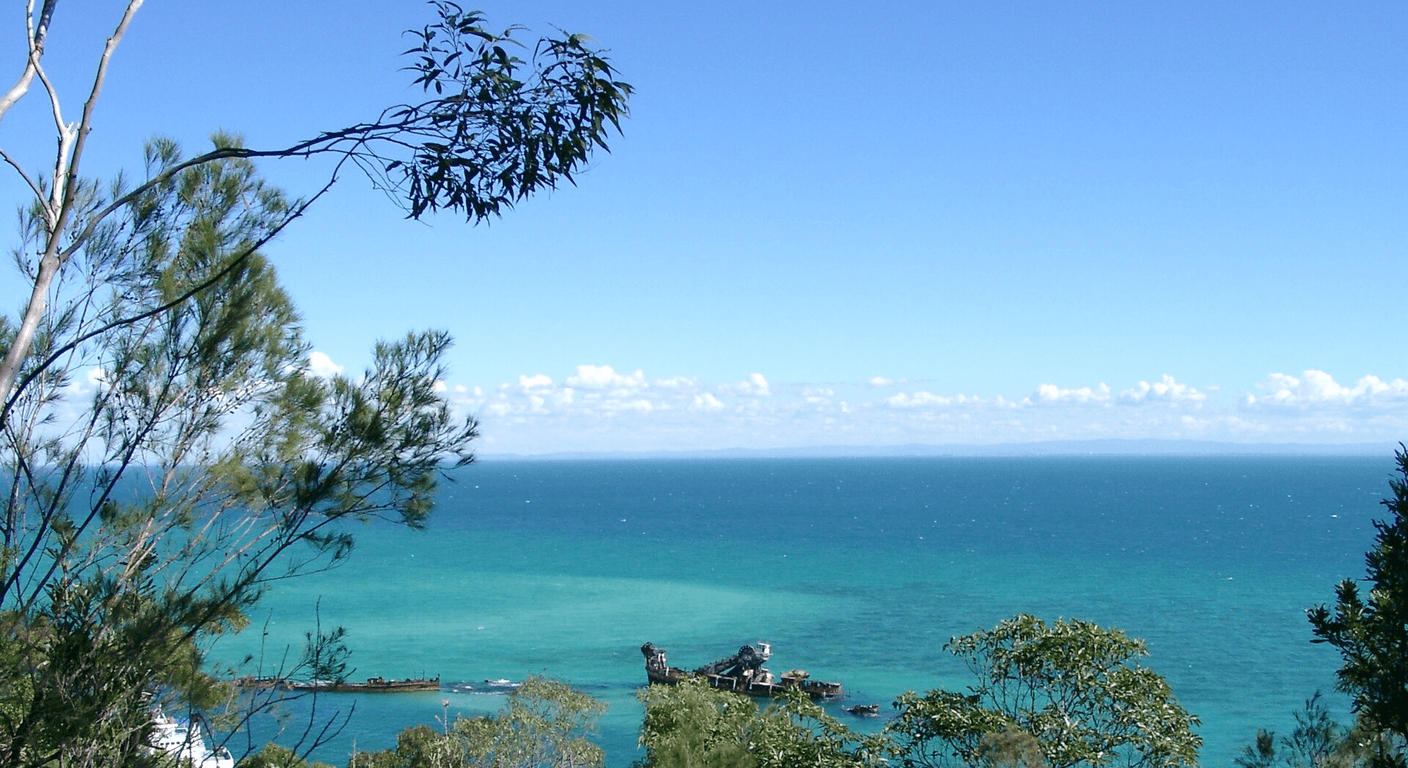
The Tangalooma Wrecks are fifteen vessels — mostly old coastal freighters and barges — that were deliberately sunk between 1963 and 1984 to create a protected boat anchorage. Over the decades, coral and sponge have colonised the hulls, and the site has become a recognised snorkelling and diving location within Moreton Bay Marine Park. The wrecks sit in relatively shallow water just off the beach, with the tops of some vessels visible at low tide.
From the beach, the rusted superstructures rising above the surface are genuinely photogenic in a weathered, documentary kind of way. The colour of the water around them shifts from green-grey to a clear turquoise depending on the light and tide, and the scene has a quiet, atmospheric quality that does not need embellishment. Travellers who simply want to walk the beach, sit in the shade, and watch the scene are entirely catered for without entering the water.
For those who do want to snorkel, the resort hires out equipment and the water entry from the beach is gradual — no rocks, no sharp drop-off. The depth around the wrecks ranges from around two to eight metres depending on the hull section, and visibility is generally good in the calmer months between April and October. Guided snorkel tours are available and worth considering if you have not snorkelled recently, as a guide can point out the fish life and coral growth that is easy to miss if you are navigating independently.
How Much Does a Tangalooma Day Cruise Cost, and What Is Included?
Day packages are offered at different price points depending on what you want included. At the time of writing, indicative pricing sits roughly in the $100 to $150 AUD range per person for a standard day cruise that includes the return ferry crossing and access to resort facilities. Add-ons such as snorkelling gear hire, guided snorkel tours, quad-bike desert safaris, and dolphin-viewing experiences carry additional costs. Always confirm current pricing directly with Tangalooma Island Resort at tangalooma.com before booking, as inclusions and pricing are adjusted seasonally.
The base day package typically covers the ferry, beach access, and use of resort amenities including the pool area, sun loungers, and shaded seating. Meals and drinks are purchased separately at the resort's café and restaurant outlets, which offer a reasonable range from light snacks to sit-down meals. Budget an additional $20 to $40 for food and beverages across the day, depending on your appetite — these figures are purely indicative.
Concession pricing may be available for seniors; it is worth asking directly when booking. Group discounts are less relevant for a solo traveller, but if you are travelling with a companion or joining a small group, it is worth enquiring. Booking in advance, particularly in school holiday periods and long weekends, is sensible as the ferry has a fixed capacity and popular dates fill up.
What Is the Physical Experience Like on the Day?
The main physical element of the day is walking on soft, deep sand. Moreton Island's beach is natural and unmanicured, which means the sand is not compacted and takes more effort underfoot than a footpath or firm beach. For travellers with knee or hip concerns, this is worth factoring in: short distances are fine, but a long beach walk will feel more demanding than it looks. Sensible flat shoes or water sandals with grip are more useful here than thongs, which tend to sink and slip.
The resort precinct itself is reasonably accessible, with paved paths between the main buildings, the beach, and the pool area. Sun loungers and shaded seating are available close to the beach, so you are never far from somewhere to rest. The water entry for snorkelling is from a sandy beach with a gradual slope, which is easier than many rocky snorkel sites. There are no steps or ladders involved.
The heat is the other factor to plan around. Moreton Island in summer (December to February) can be very warm and humid, and the sun on open sand and water is intense. The shoulder seasons — April through June and September through November — tend to offer more comfortable temperatures for active exploration. Bring a broad-brimmed hat, high-SPF sunscreen, and more water than you think you will need. The resort sells sunscreen and drinks, but at resort prices.
Dolphin Viewing: What to Expect Realistically
Tangalooma has been known for its wild dolphin feeding program for decades. A small pod of wild bottlenose dolphins visits the resort beach most evenings at dusk to receive supplementary fish from resort volunteers. This is a genuine, long-running wildlife interaction that has been managed under a Queensland government permit and studied by researchers over many years. It is not a performance — the dolphins arrive on their own terms, and on any given evening some may not come at all.
For day-trippers, the dolphin feeding itself is an evening activity and falls outside the standard day-cruise window, which returns to Brisbane in the afternoon. However, dolphins are commonly sighted in Moreton Bay during the ferry crossing and around the island throughout the day, so sightings from the boat or beach are possible and reasonably likely, particularly in the morning. Some day packages include a dolphin-viewing experience or early-evening extension — check with Tangalooma directly about whether any day-trip add-ons include access to the evening feeding, as offerings do change.
If the dolphin feeding is a priority for you, an overnight stay at the resort is the more reliable option. That is a different trip to a day cruise, but worth knowing if you are weighing up the options. The day cruise gives you the wrecks, the beach, and a genuine taste of the island; the overnight stay gives you the dolphins at their most accessible.
Practical Tips for a Comfortable Day
Wear a swimsuit under your clothes if you plan to snorkel or wade, and pack a small dry bag for your phone and valuables on the beach. The resort has lockers available — confirm availability and cost when you arrive. A light rash vest or sun shirt is more practical than a T-shirt for time in the water, and it eliminates the need to reapply sunscreen constantly. Reef-safe sunscreen is appropriate given the marine park environment.
Travelling as a solo woman, you will find the day-cruise environment comfortable and sociable without being intrusive. The ferry tends to carry a mixed group — families, couples, small groups — and the resort staff are attentive. There are no isolated areas to navigate, and the whole day unfolds in a well-managed, public setting. For a traveller who is doing a Queensland trip from Victoria, this makes a satisfying and genuinely different day out from the usual city and hinterland options.
If you are flying into Brisbane specifically for a short trip, the day cruise slots neatly into a two- or three-night Brisbane stay. Pair it with a morning at the South Bank Parklands or a visit to the Gallery of Modern Art on another day, and you have a balanced itinerary that mixes culture, nature, and water without overdoing any single element. Brisbane is also well connected to the Gold Coast and Sunshine Coast by train, so Moreton Island can sit comfortably in a broader Queensland circuit.
Quick planning guide
| Ideal pace | Relaxed, self-paced day |
|---|---|
| Best months | April–June and September–November (shoulder seasons) |
| Suggested stay | Full day trip; overnight only needed for evening dolphin feeding |
| Mobility level | Moderate — soft sand walking is the main demand, otherwise paved resort paths |
| Cost level | Mid-range — roughly $100–$150 AUD per person, plus extras |
| Comfort level | Solid — shaded seating, sun loungers, cafés and toilets at the resort |
| Best for | Older travellers wanting an easy, well-structured day out with beach, wrecks and optional light snorkelling |
| Main planning consideration | Soft sand and heat underfoot, plus booking ahead as ferry capacity is fixed on popular dates |
Key takeaways
- The Tangalooma day cruise departs from Holt Street Wharf in Brisbane's Pinkenba and takes around 75 minutes each way across Moreton Bay.
- Fifteen deliberately sunk vessels form the Tangalooma Wrecks, now a snorkelling site within Moreton Bay Marine Park that is also rewarding to observe from the beach.
- Indicative day-package pricing sits around $100–$150 AUD per person including the return ferry; snorkelling gear, guided tours, and dolphin experiences are typically additional — confirm all costs directly with Tangalooma Island Resort.
- The main physical challenge is walking on soft, deep sand; the resort precinct has paved paths, shaded seating, and a gradual beach water-entry suitable for most fitness levels.
- Wild dolphin feeding at Tangalooma is an evening activity that falls outside the standard day-cruise window, so reliable dolphin viewing is more suited to an overnight stay.
- The shoulder seasons of April–June and September–November generally offer the most comfortable conditions for a Moreton Island day trip.
Recommended partners and links
Indicative prices only — always confirm with the operator before booking.
Frequently asked questions
How do you get to Holt Street Wharf for the Tangalooma ferry?
Holt Street Wharf is in Pinkenba, about 20 to 30 minutes from Brisbane's CBD by taxi or rideshare. Tangalooma Island Resort also offers coach transfers from selected Brisbane hotels, which is a simpler option for solo travellers without a car. Confirm transfer availability and pickup points when you book at tangalooma.com.
Is the Tangalooma day cruise suitable for travellers with limited mobility?
The resort precinct has paved paths and accessible facilities, and the beach water entry is a gradual sandy slope. The main challenge is walking on soft, deep sand near the wrecks, which is harder underfoot than firm ground. Travellers with significant knee, hip, or balance concerns should factor this in and can still enjoy the day from shaded beach seating without walking far.
Can you snorkel the Tangalooma Wrecks without experience?
Yes. The wrecks sit in relatively shallow, calm water and the entry is from a sandy beach with no rocks or steps. The resort hires out snorkelling gear and offers guided snorkel tours, which are a good option if you have not snorkelled recently. You do not need open-water diving certification.
Will you see dolphins on a Tangalooma day cruise?
Dolphin sightings in Moreton Bay during the ferry crossing and around the island are reasonably common, but not guaranteed. The famous wild dolphin feeding program at the resort happens at dusk and is outside the standard day-cruise return schedule. If dolphin feeding is your main reason for visiting, an overnight stay is the more reliable option.
What is the best time of year for a Moreton Island day trip for older travellers?
The shoulder seasons — April to June and September to November — generally offer the most comfortable temperatures and calmer bay conditions. Summer (December to February) is hot, humid, and subject to afternoon storms. Winter (June to August) is mild and pleasant but the bay can have a chop on south-easterly wind days.